







There’s no shortage of passion in the car world, but when it’s time to commit to a build, enthusiasm alone doesn’t get the job done. Some people want their ride to look like it just rolled out of a dealer lot in 1969. Others want modern power hiding under vintage sheet metal. And some want to turn the whole thing into a one-off piece of rolling art.
Restoration, resto-mod, or full custom—each path delivers something different. None is better than the others across the board. But one of them will make more sense for your budget, lifestyle, and long-term plans. The key is picking the right one before you start cutting, ordering, or painting.
The decision you make up front will shape every part of the project. Cost, complexity, resale, enjoyment, and even where you drive the car all flow from this call.
Here’s the good news: there’s no wrong answer. You just need a clear one.
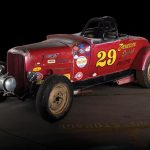
A proper restoration brings a car back to factory-correct condition. That means using period-correct parts, finishes, and mechanical specs. Matching numbers matter. So does paint code accuracy, original trim, and sticking with stock equipment.
It’s not about upgrades. It’s about honoring what the car was.
Restorations reward patience and research. They appeal to owners who like rules, details, and legacy. If that’s you, it might be worth the extra effort. Just know you’re signing up for a precision project, not one that invites improvisation.
A resto-mod starts with a classic look and feel but upgrades nearly everything underneath. Think disc brakes instead of drums. Modern coilovers instead of leaf springs. EFI instead of a carb. Maybe even a Bluetooth stereo hiding behind a vintage dash panel.
The goal isn’t to fake originality. It’s to keep the car’s personality while making it better to live with.
Most resto-mod builders want something they can enjoy any day of the week. If you want to take long drives, run errands, or cruise the highway without carrying tools and praying, this is probably the best middle ground.
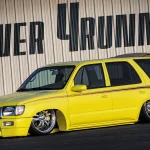
A full custom doesn’t ask what the car used to be. It asks what you want it to become. That could mean chopping the roof, widening the fenders, tubbing the rear, swapping the frame, or building from scratch.
Customs put creativity first. No guidelines. No apologies.
If you’ve got a clear vision, strong fabrication access, and the time to commit, going all-in on a custom build can be the most rewarding path. But it’s not casual. If you’re easily swayed or still unsure about direction, full custom might overwhelm you or your bank account.
Here are five questions to help you lock in the right path, based not just on the car but on you.
If you plan to drive the car daily or take it cross-country, restoration may frustrate you. On the flip side, if you only want to cruise to shows on weekends, you may not need 600 horsepower and touchscreen diagnostics.
Restorers live for the hunt. Resto-modders enjoy the flexibility of using modern replacements. Custom builders typically make their own.
If waiting six months for NOS trim makes you anxious, restoration may not be the right match.
Some resto-mods install over a long weekend. Others spiral into full driveline swaps, rewiring, and reengineering. Customs nearly always involve fabrication, adaptation, and endless trial fits.
If you’re short on time or help, simplicity has value.
Purists will pay strong money for correct restorations. Resto-mods appeal to broader buyers but can be harder to value. Customs can be worth a lot, or struggle to sell at all, depending on execution and taste.
If resale matters, think twice before removing original elements you can’t replace.
Some projects die in the garage because the vision changes mid-stream. Don’t start a restoration if you’re going to be tempted to modernize it later. Don’t cut a roof unless you’re 100% sure.
The clearer you are now, the more likely you are to stay on course.
Not every decision locks you in. But some do.
Here’s a quick rundown:
| Change | Can You Undo It? |
|---|---|
| Wheel/tire upgrades | Yes (usually bolt-on) |
| EFI conversion | Yes (can revert to carb) |
| Disc brake swap | Yes |
| Suspension lowering kit | Yes |
| Engine swap | Sometimes—not always easy |
| Roof chop | No |
| Firewall/tunnel modification | No |
| Frame cut or custom subframe | No |
| Full color change with bay respray | Not practically |
Some changes don’t just affect resale—they can also affect safety. Experienced car accident lawyers will tell you that if your build eliminates factory crash zones or weakens structural points, those choices could come under scrutiny if there is a lawsuit after a crash.
If you’re on the fence, lean toward reversible mods. You’ll leave yourself room to adjust direction later without starting from scratch.
Here’s how the three build paths compare side by side:
| Build Type | Best Fit For | Drivability | Show Appeal | Resale Predictability |
|---|---|---|---|---|
| Restoration | History lovers, collectors, detail nerds | Low–Moderate | High | High (for the right model) |
| Resto-Mod | Drivers who want comfort and character | High | Moderate | Moderate–High |
| Custom | Creative builders, show car fanatics | Variable | Very High | Low–Variable |
Online forums, car show crowds, and social media tend to push extremes. You’ll hear:
But none of that means anything if the build doesn’t fit your life.
Maybe your dream car is a stock-looking ‘70 Chevelle with fuel injection and air conditioning. Or a radical bagged C10 with a bed-mounted radiator. Or a restored Pontiac that reminds you of your dad’s.
If it gets driven, enjoyed, and finished, it’s already a win.
It’s easy to get stuck comparing ideas, pricing out options, or worrying what other people will think. But the right build is the one you’ll actually follow through with and enjoy afterward.
If you’re drawn to accuracy, restoration might be your lane. If you want to drive every weekend with no stress, go resto-mod. If you’ve got a vision and the resources to go deep, build something wild.
Just make the call up front. It’ll save you time, money, and a whole lot of second-guessing later.

Photos by ECD Auto Design
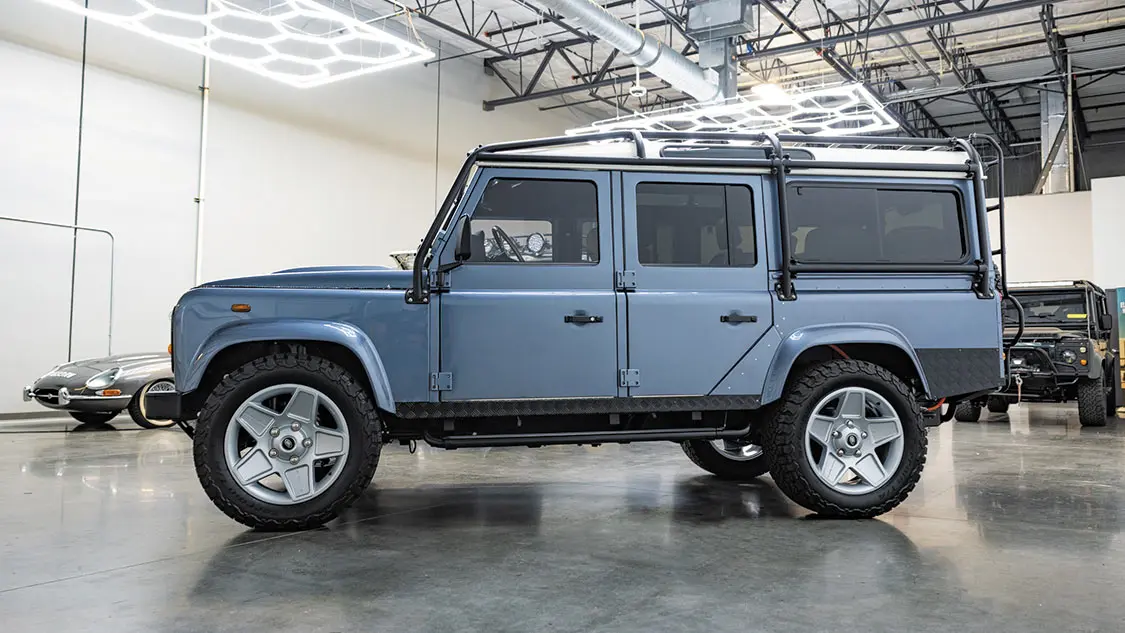
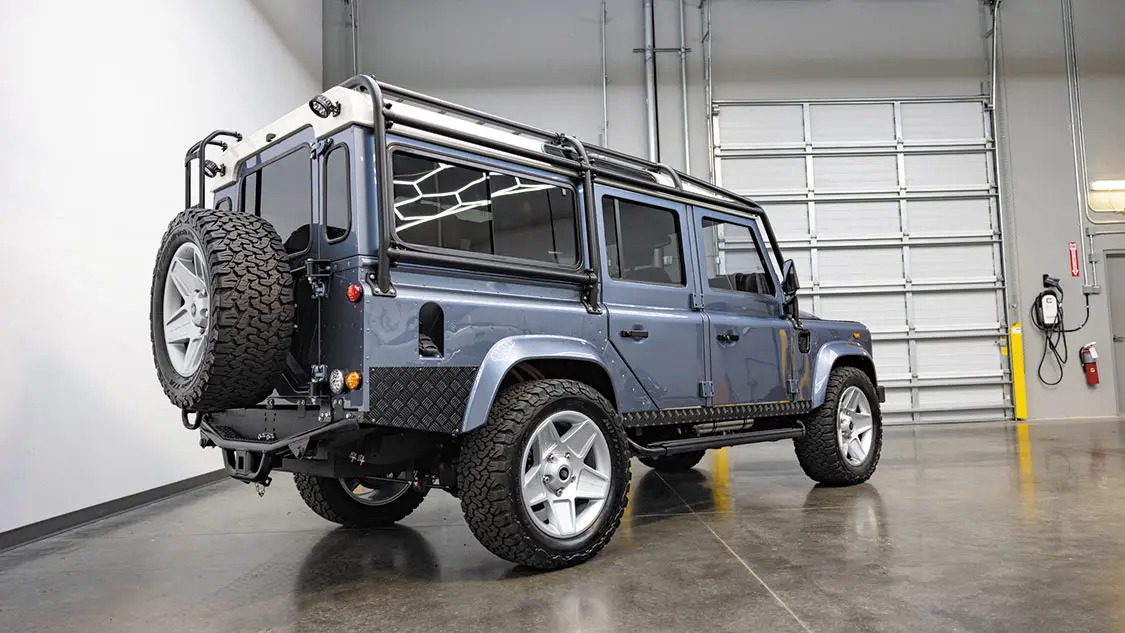
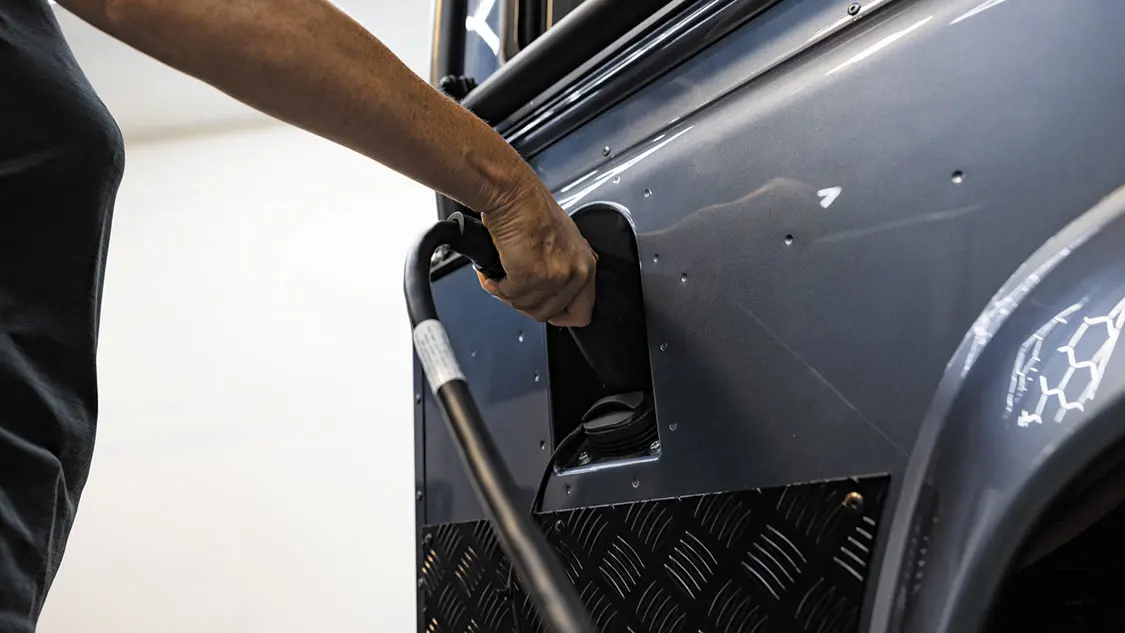
ECD Auto Design (ECD), the world’s largest Land Rover restoration company known for its custom luxury builds, including bespoke Defenders, Range Rovers and E-Types, today reveals two unique vehicles that showcase the strength of the EV2 drivetrain system. The powerful duo, Project El Padre and Project Narragansett Commission, exude charm with their bright blue exteriors. Color aside, the projects differ drastically in aesthetics. Project El Padre features a sleek, sharp and boxy look while Project Narragansett Commission channels fluidity and tranquility. With these outward differences, the two projects highlight the range of ECD’s EV drivetrain.
“The compatibility to a diverse range of vehicles is what makes an EV drivetrain so unique. Both vehicles, designed to fulfill the individual needs of two different clients, have an EV drivetrain. At ECD, we are dedicated to creating a seamless customization process for our clients that results in their dream vehicle fit for their personal lifestyle, including using our EV drivetrain,” said Scott Wallace, CEO and co-founder of ECD.
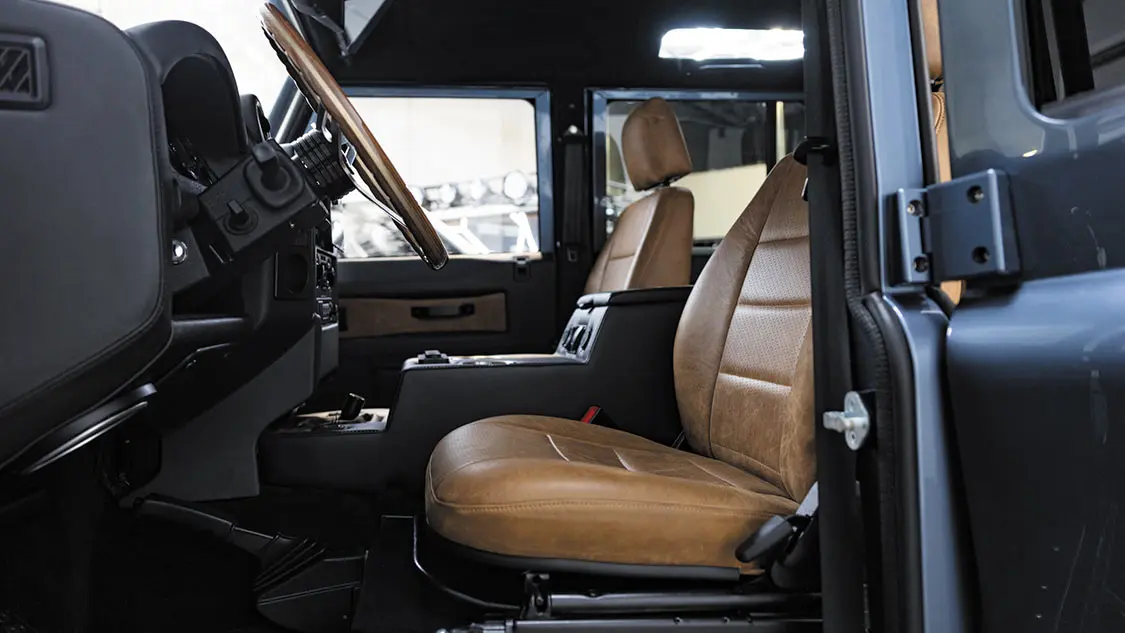
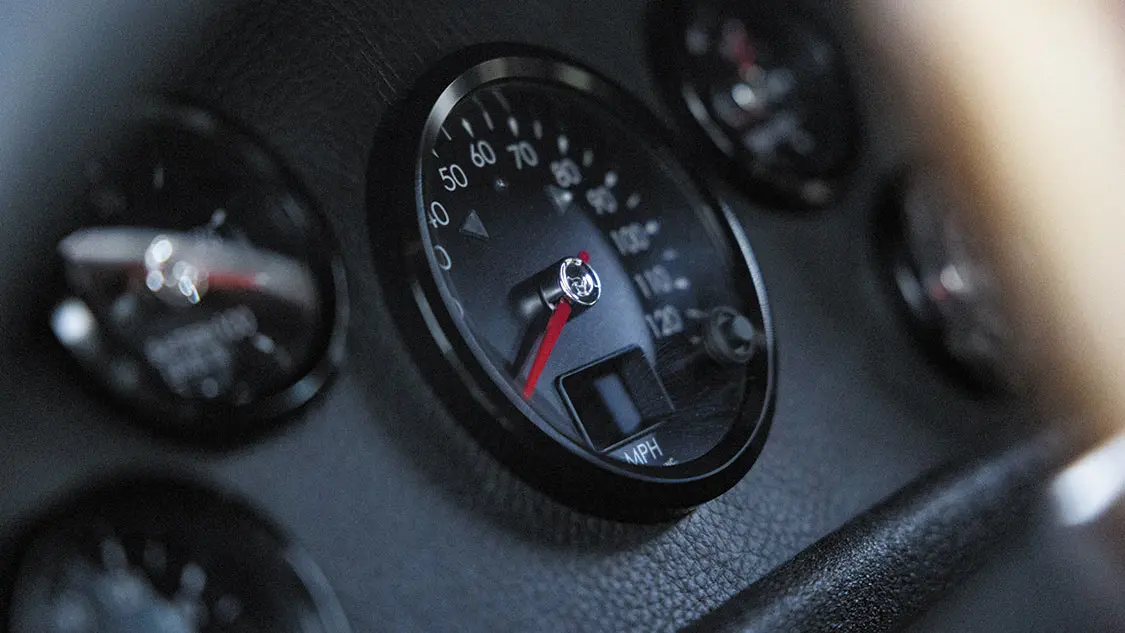
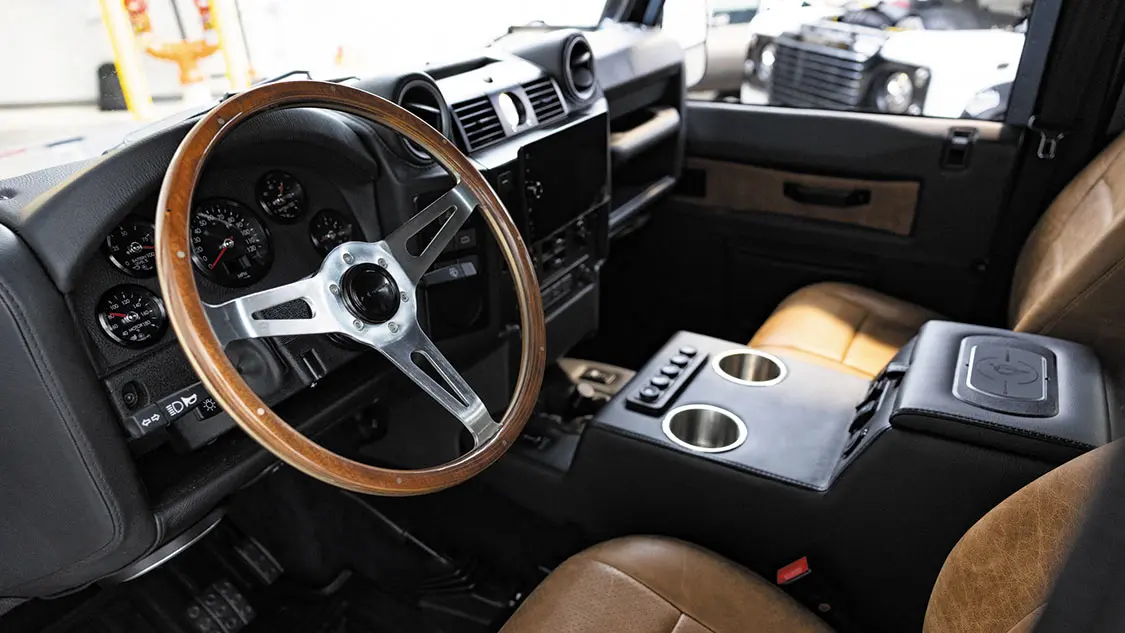
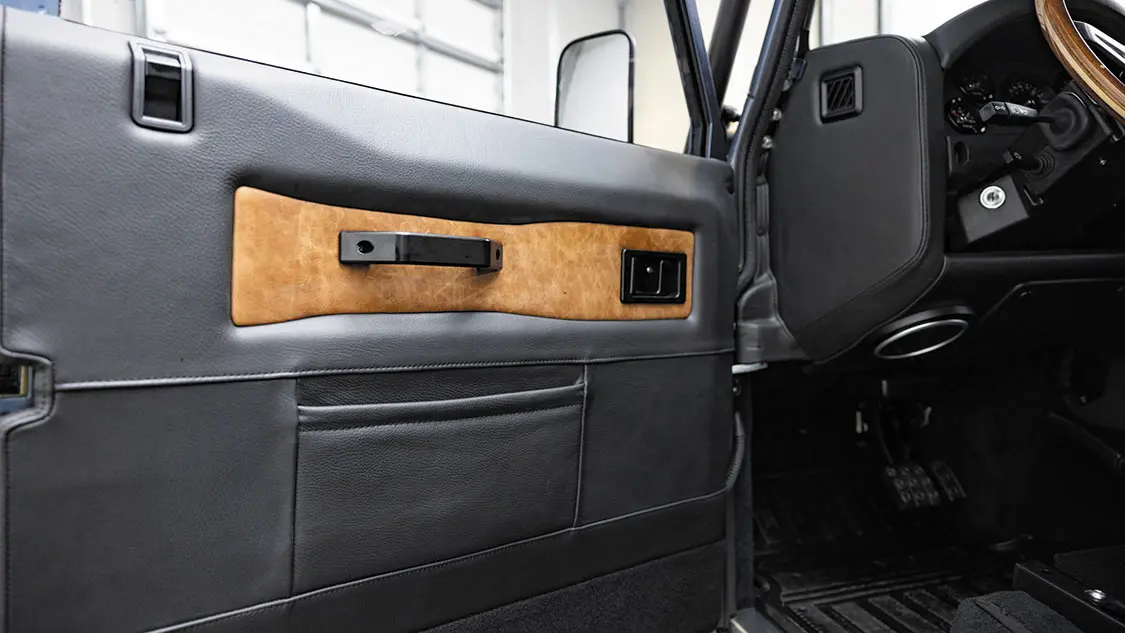
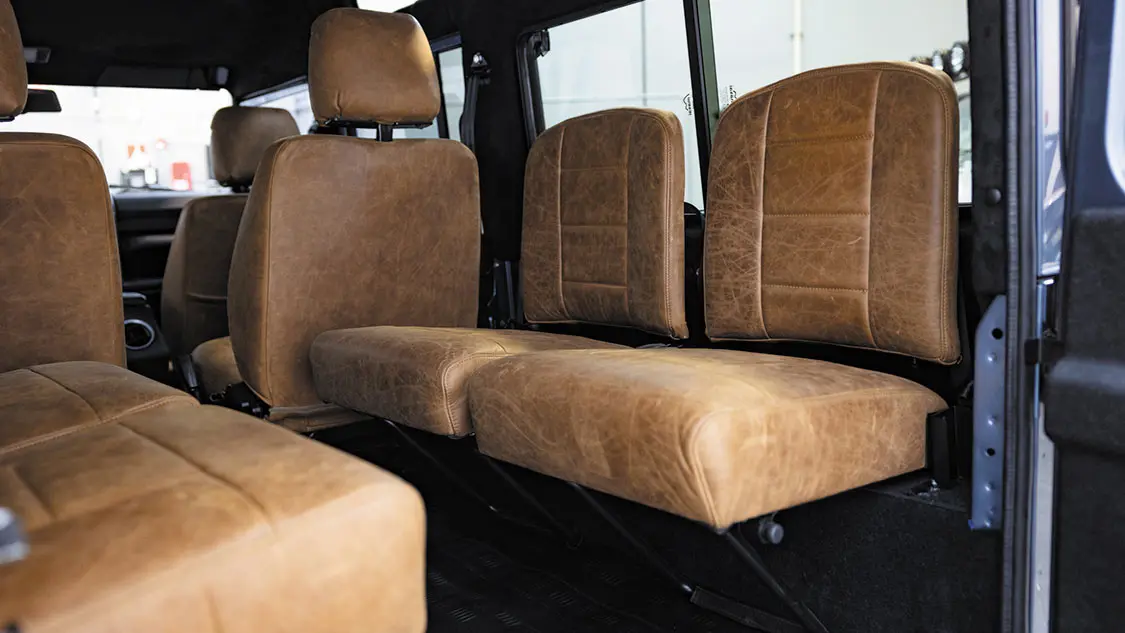
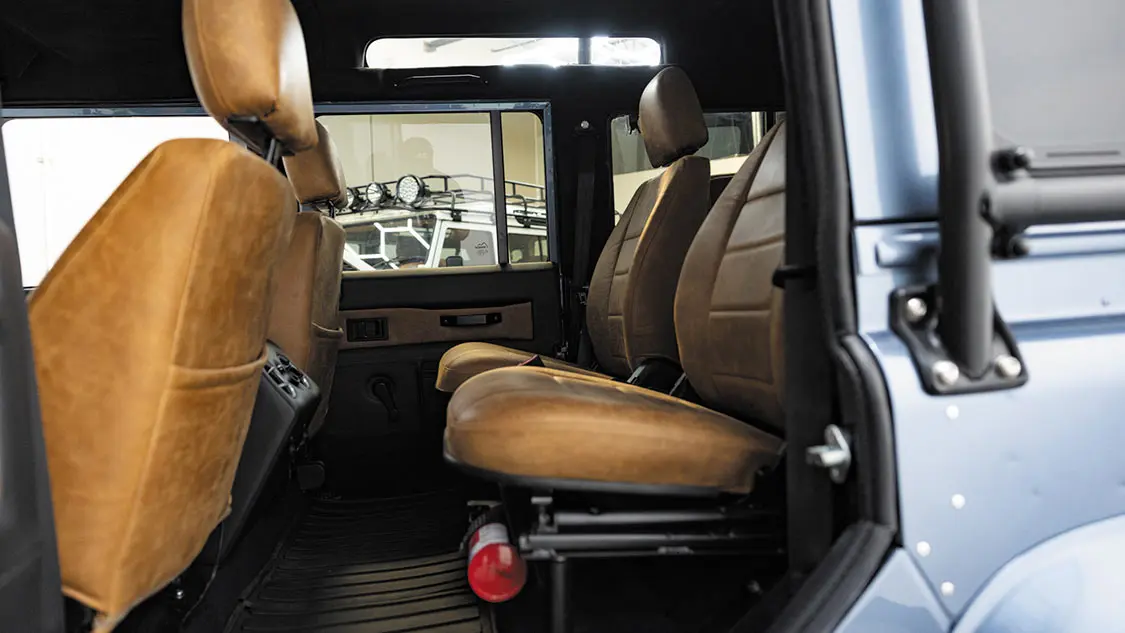
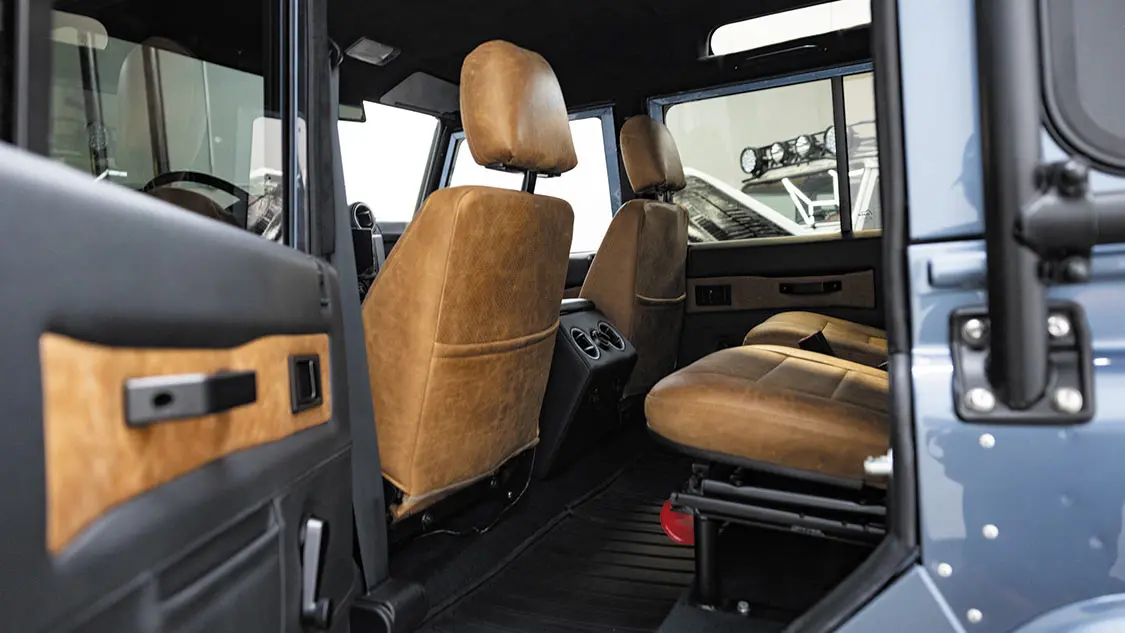
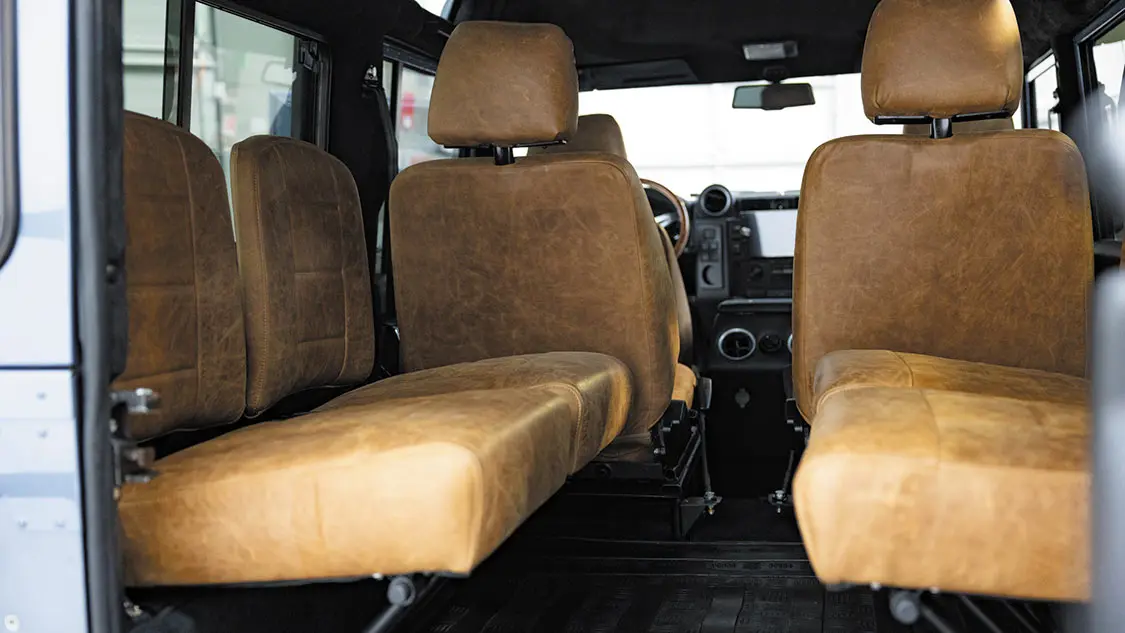
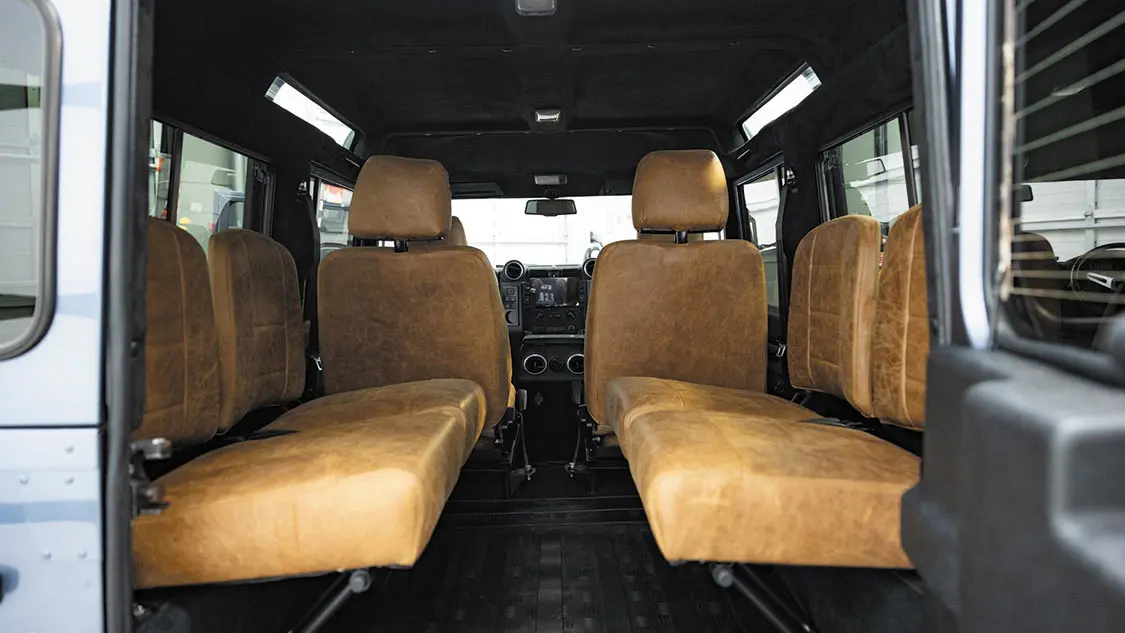
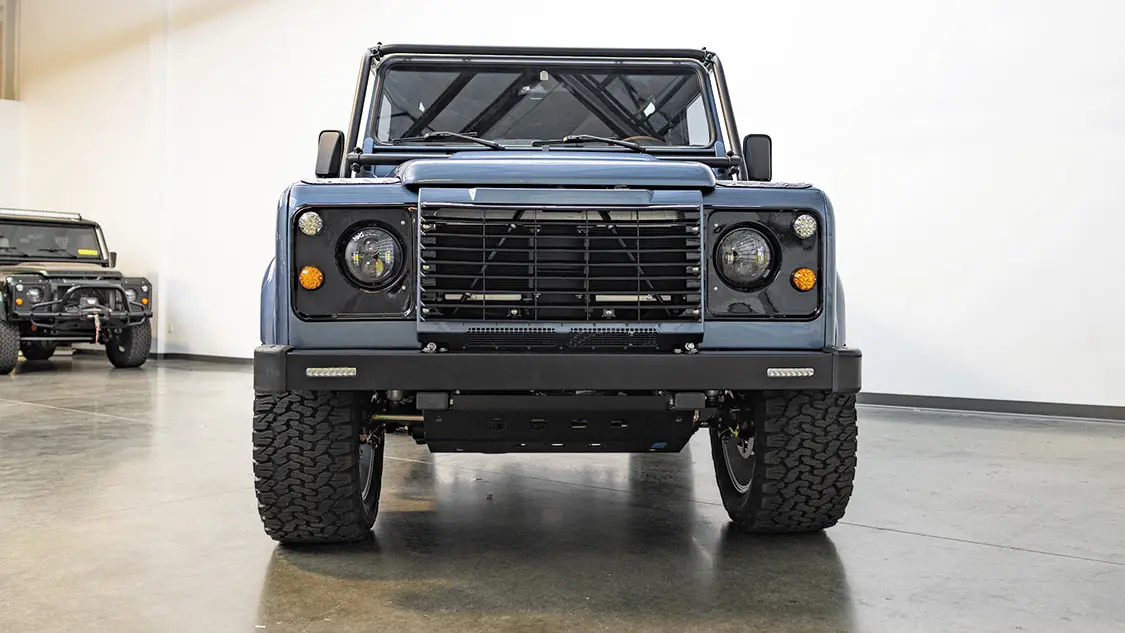
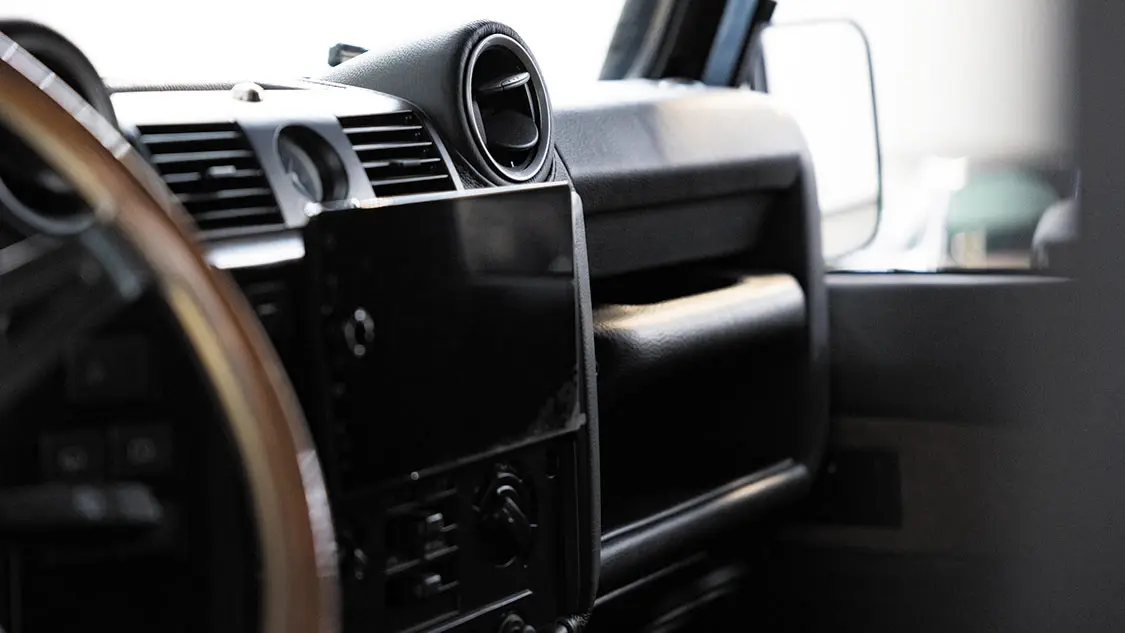
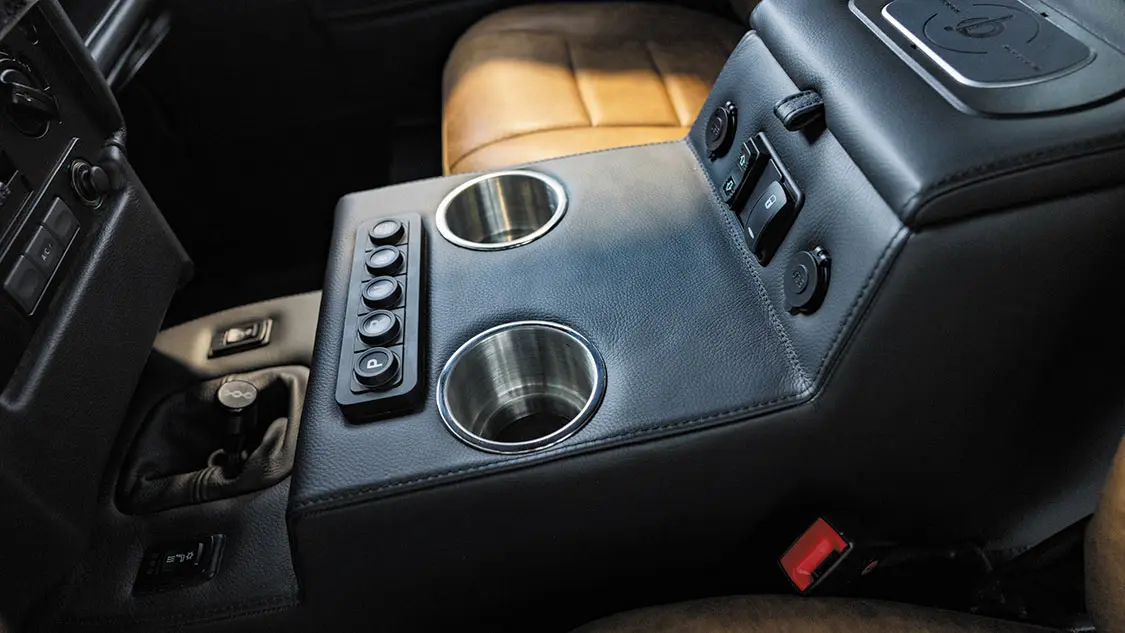
Project El Padre features a Land Rover Byron Blue body exterior to create a classic, simplistic look that is picturesque against the lush environment. While remaining true to its British off-roading heritage, the Land Rover Defender 110 includes a six-point roll cage, custom black steering guard, and NAS hitch receiver designed for modern-day terrain including dirt road trails along the mountains. The spacious interior of the Defender further embodies the classic look with its nutmeg brown leather seats stitched with a customized horizontal pattern. Accompanying the driver at the front of the vehicle, a NRG Innovations wooden steering wheel brings the design together, complimenting the color scheme throughout. With five USB ports strategically placed throughout the car, all eight passengers have seamless access to charge up for the exciting journey ahead. The touchscreen stereo, CarPlay and Bluetooth guarantee it will be an entertaining excursion no matter the distance.
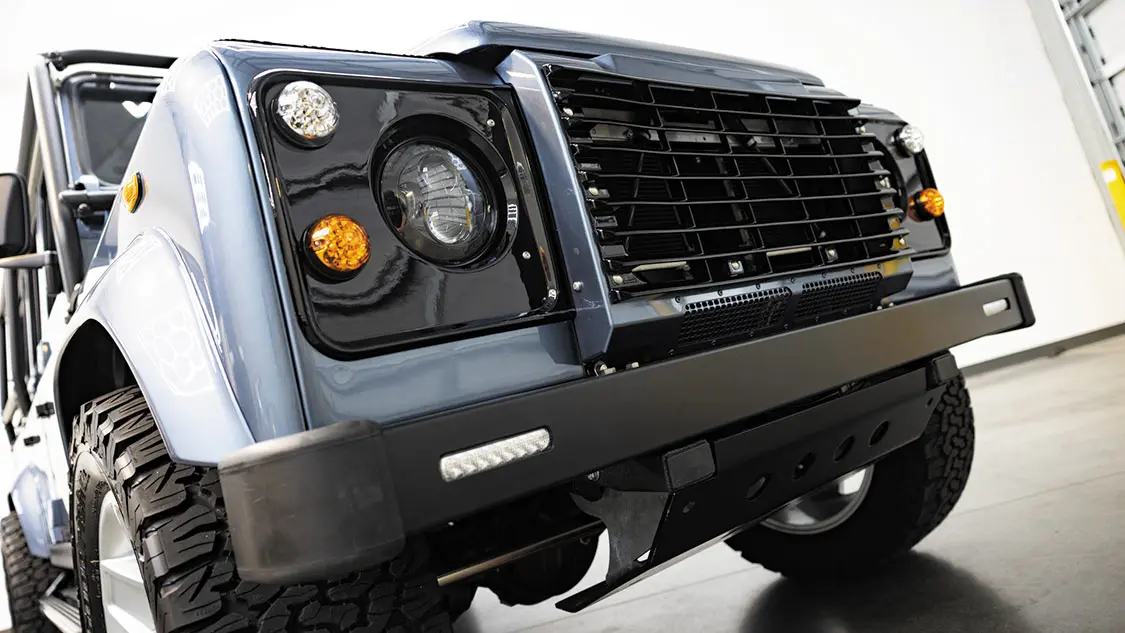
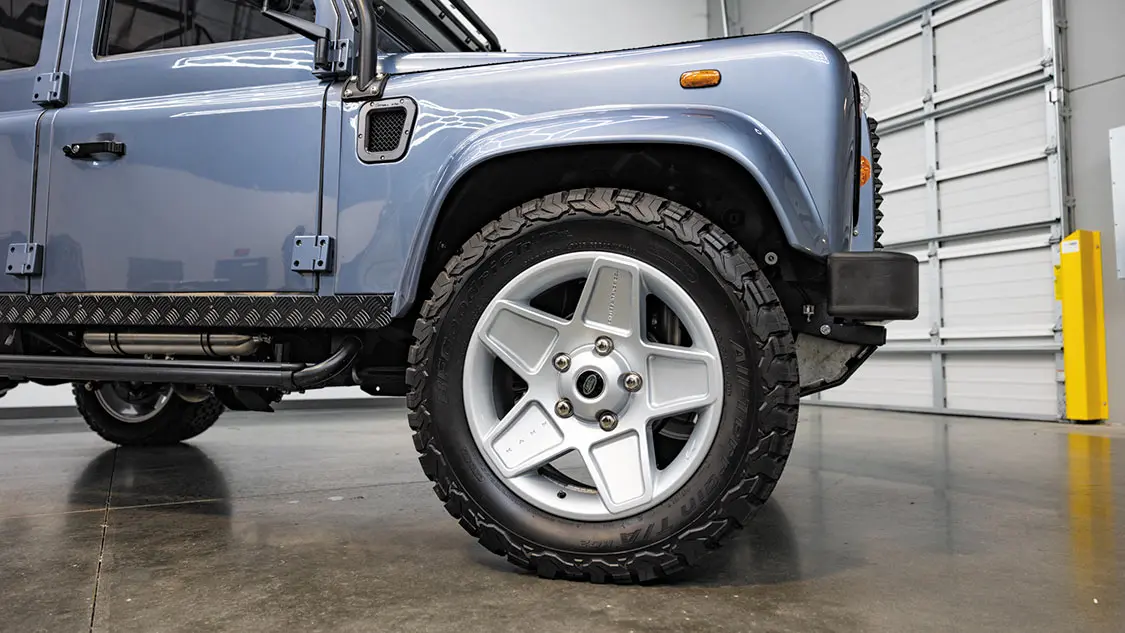
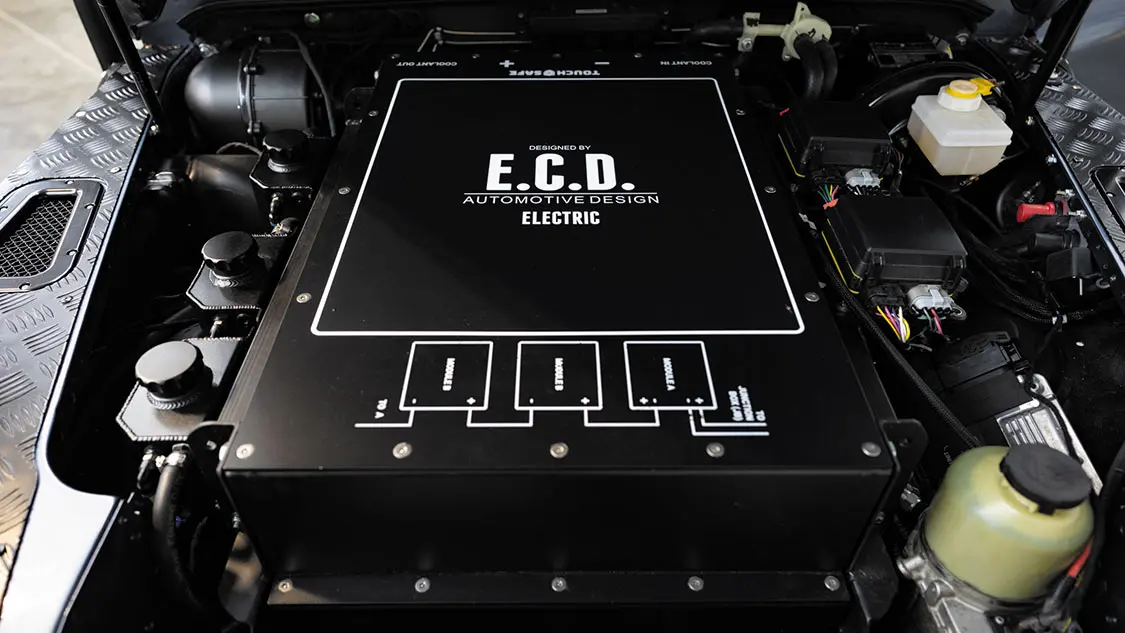
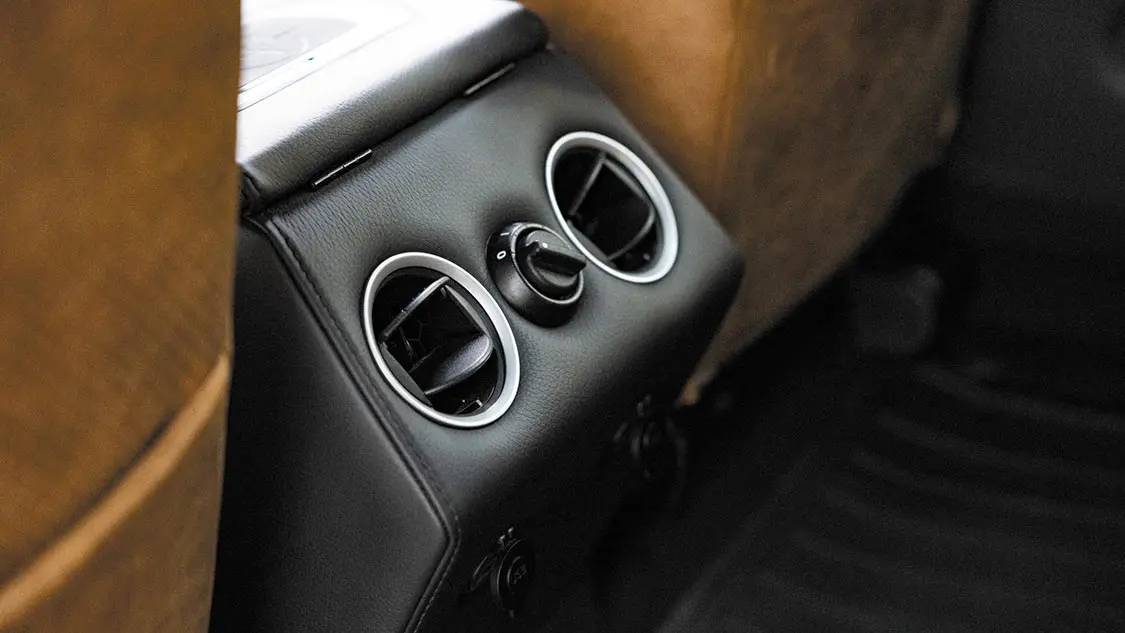
Exterior
Interior
Audio & Electronics
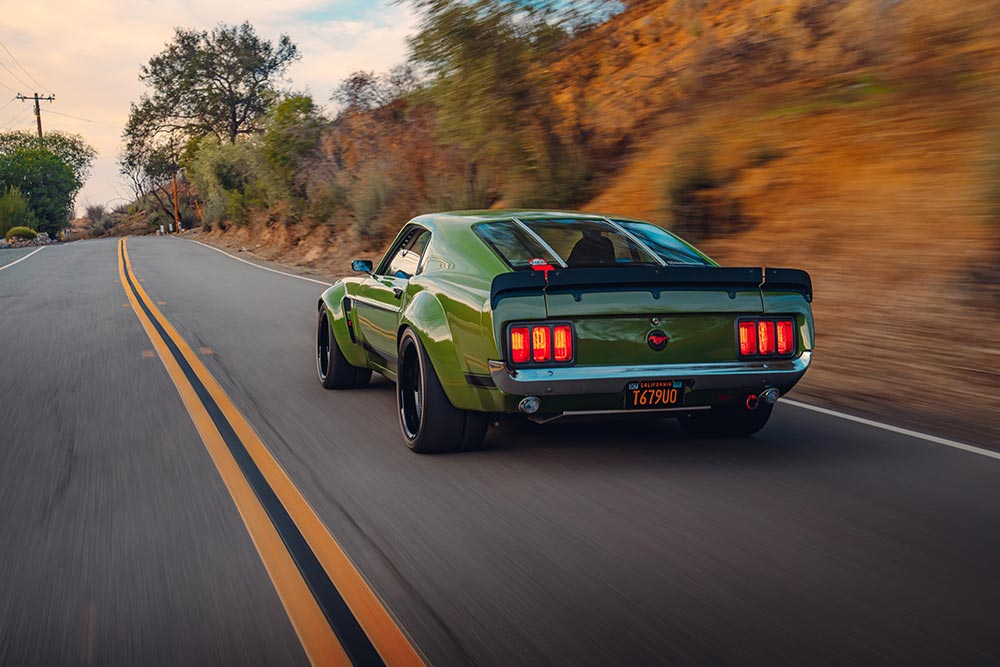
My name is Chris Ashton. I started building the 1970 Ruffian Mustang fastback in 2016 and I finished two days before SEMA 2019. This was my first ground-up build and it was designed to kick butt at the autocross as well as get me to work on Fridays.
The build is heavily inspired by the muscle cars in the Trans-American race series of the late 60s and 70s.
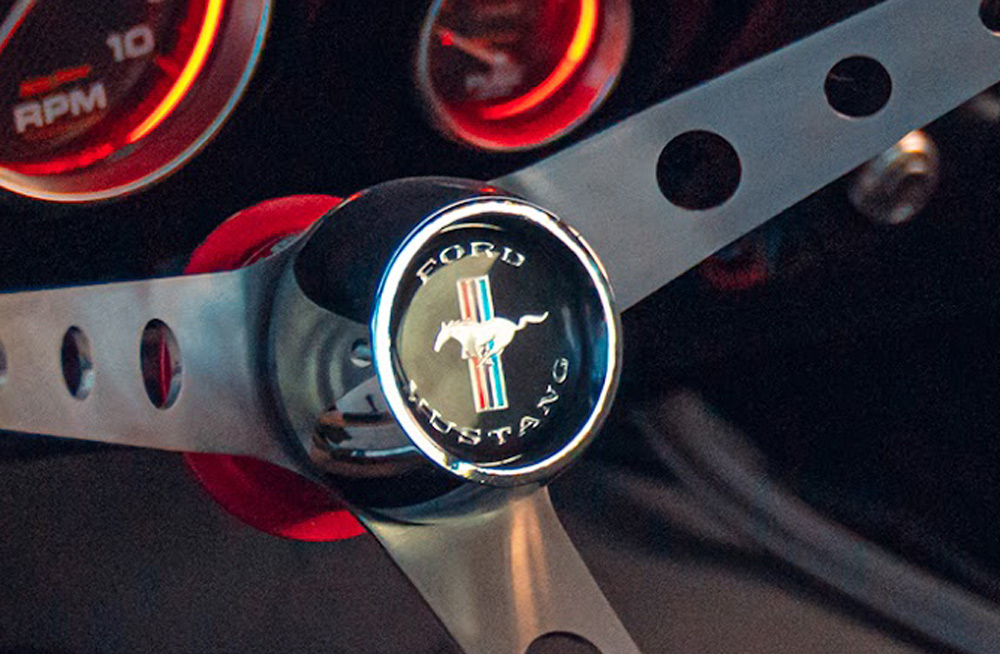
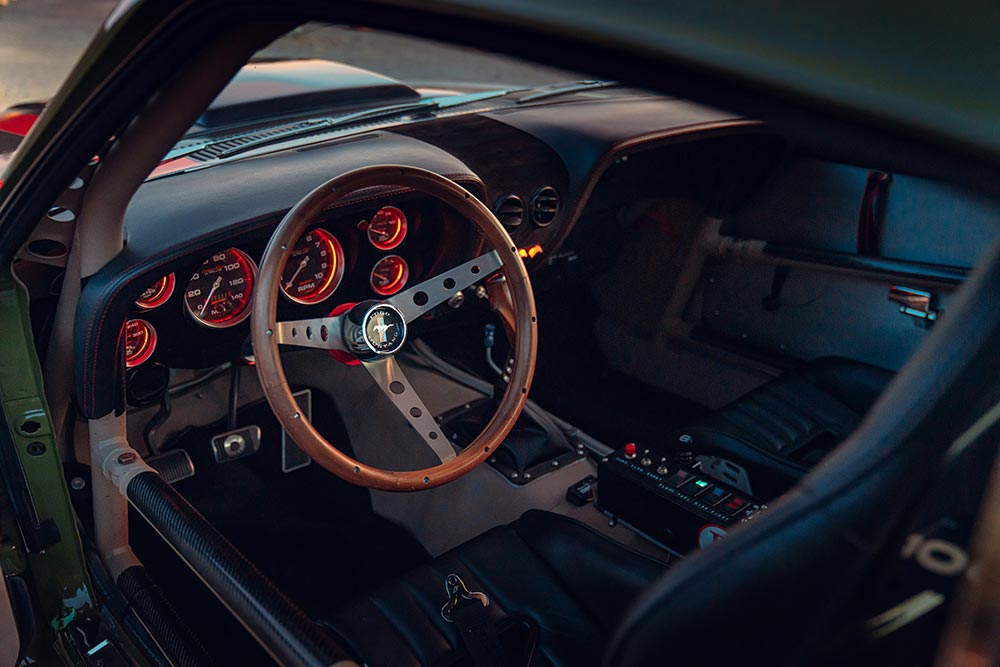
A lot of the modifications performed on this car are the same as the original race cars, although I used newer technologies when I had the opportunity to do so without affecting the vintage look and feel. I also added creature comforts to make the car more drivable on the street. It has power steering, power brakes, AC, Heat, and electronically adjustable coilover suspension.
…it was designed to kick butt at the autocross as well as get me to work on Fridays.
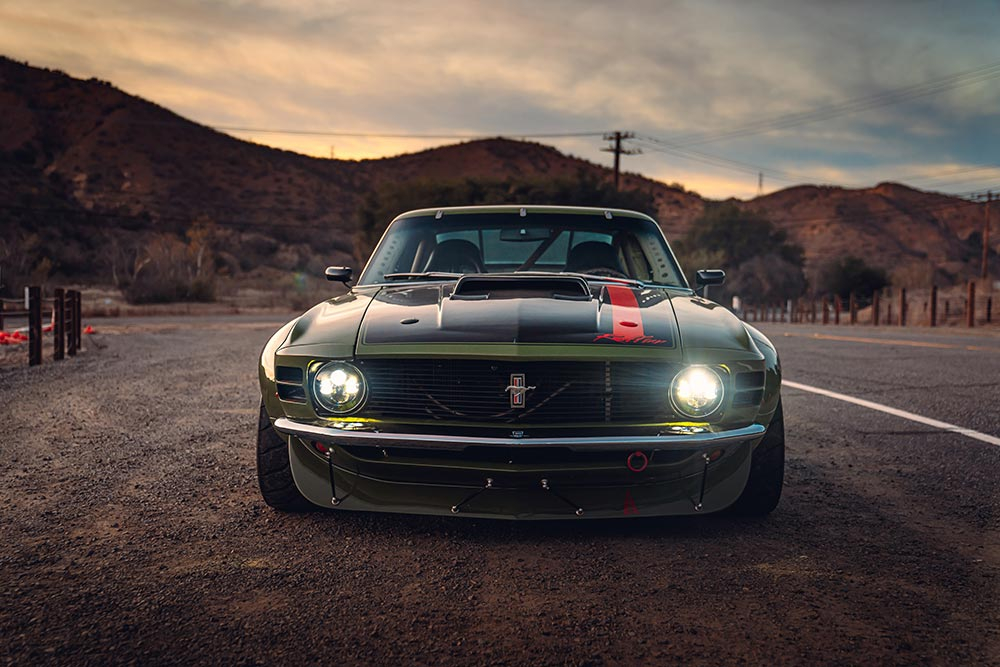

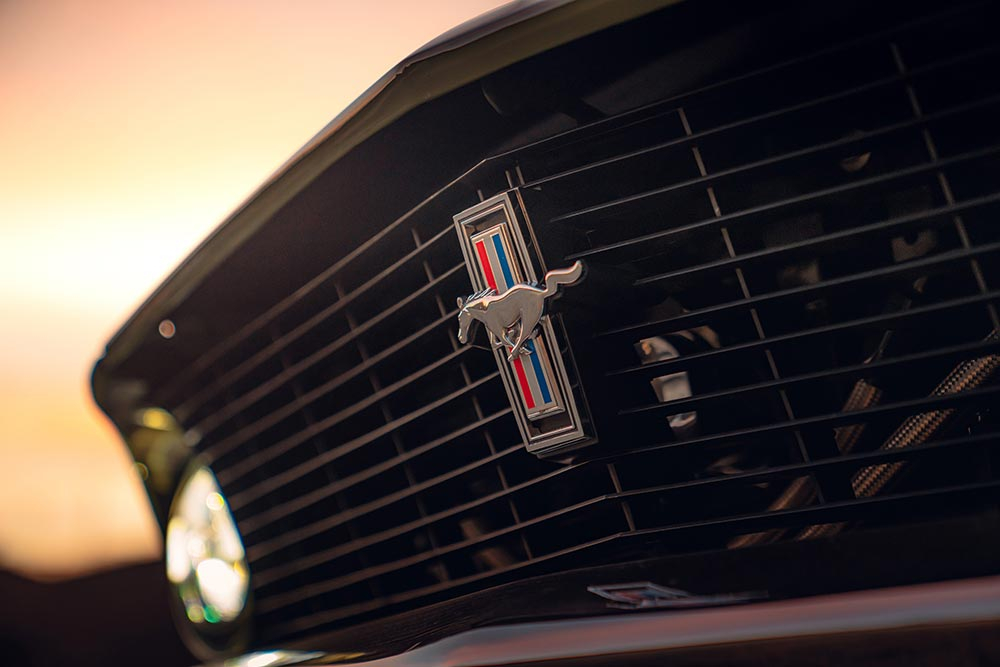
I am responsible for the whole build, including the visual design, research, installation, fabrication and sheet metal work. The body is all steel, done on a cheap planishing hammer and English wheel. In total, I have over 1700 hours of labor into it, which isn’t bad considering the car’s presence.
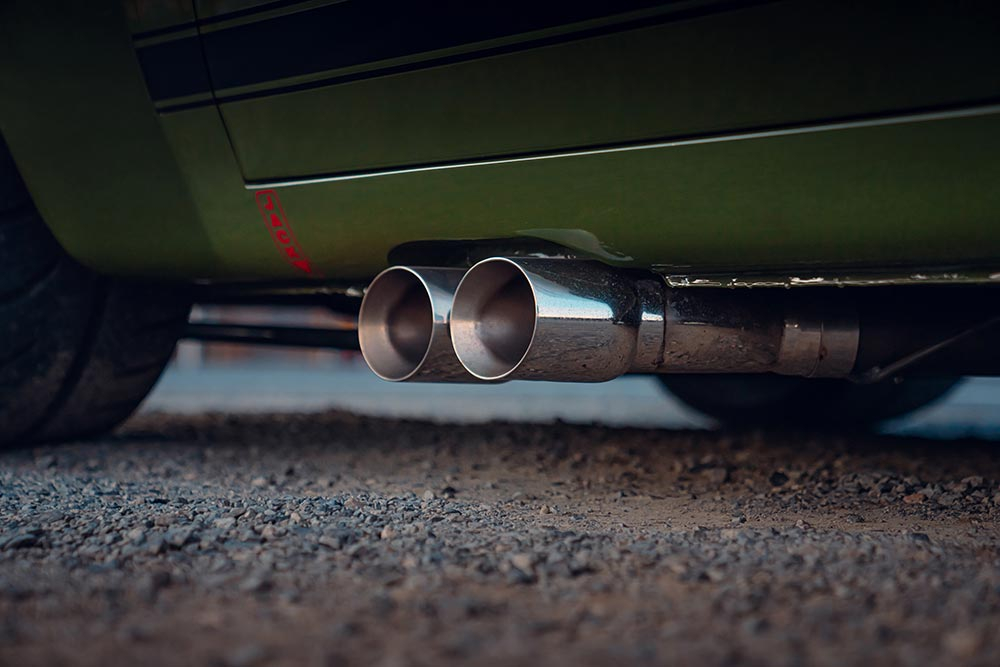
The engine is a carbureted, seven-liter, aluminum block stroker LS3 making 625hp. The motor was mounted 2.5” rearward and 1” lower than the factory setup to improve weight distribution. It drives a six-speed super magnum t-56 transmission and a Ford 9” floating rear axle with a watts link setup and 4.11:1 gears.
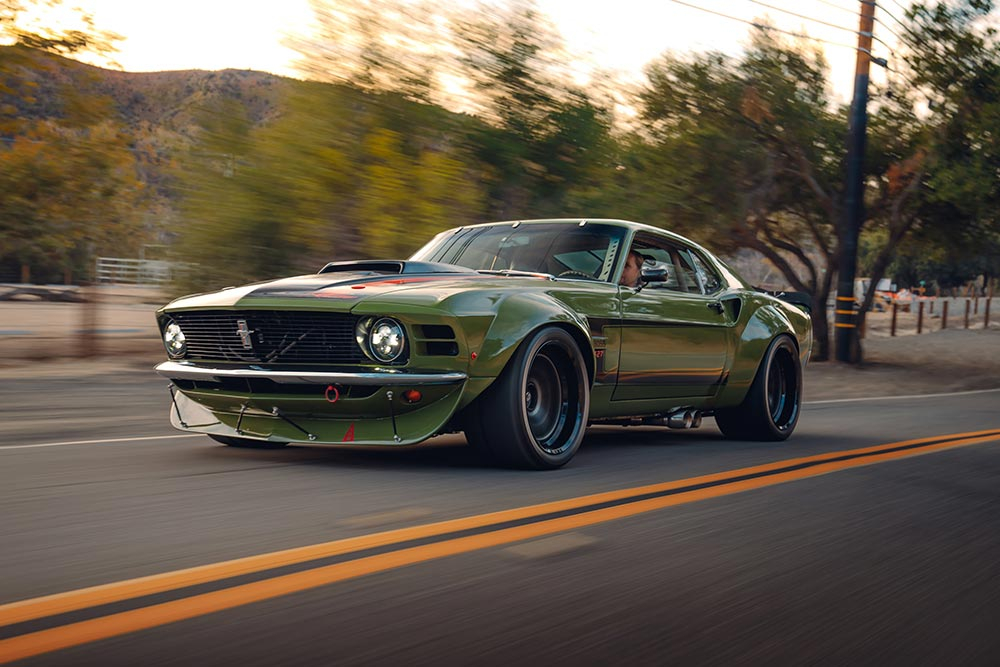
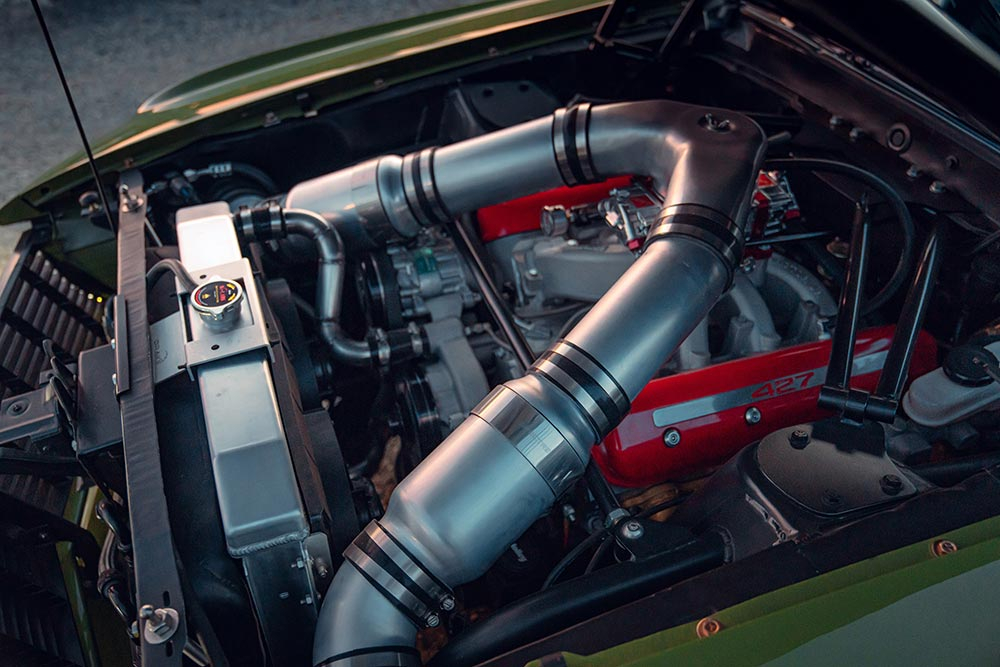
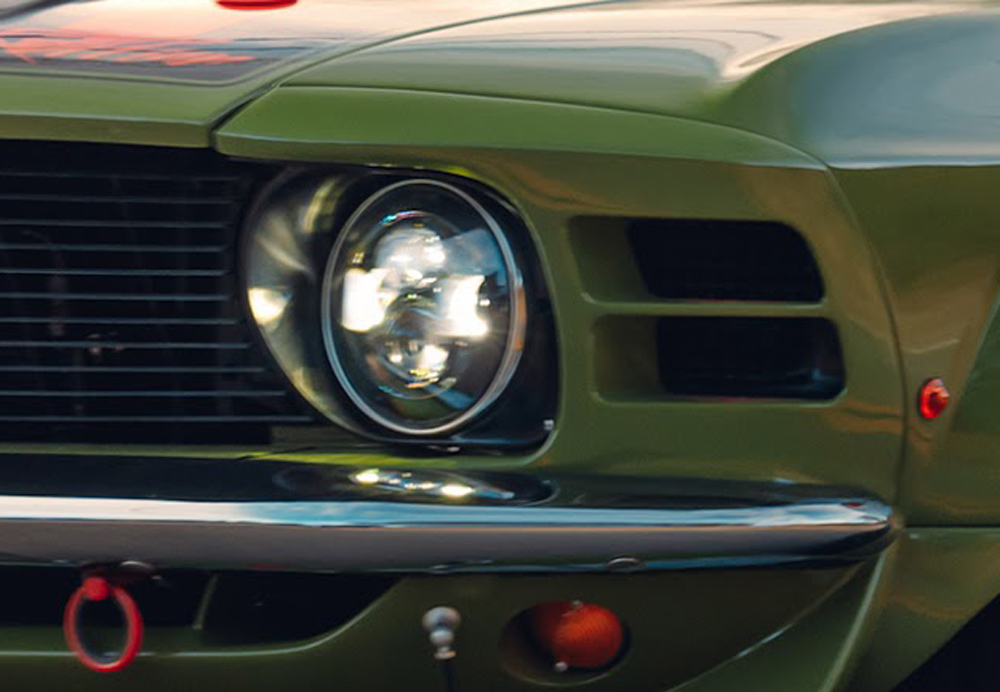
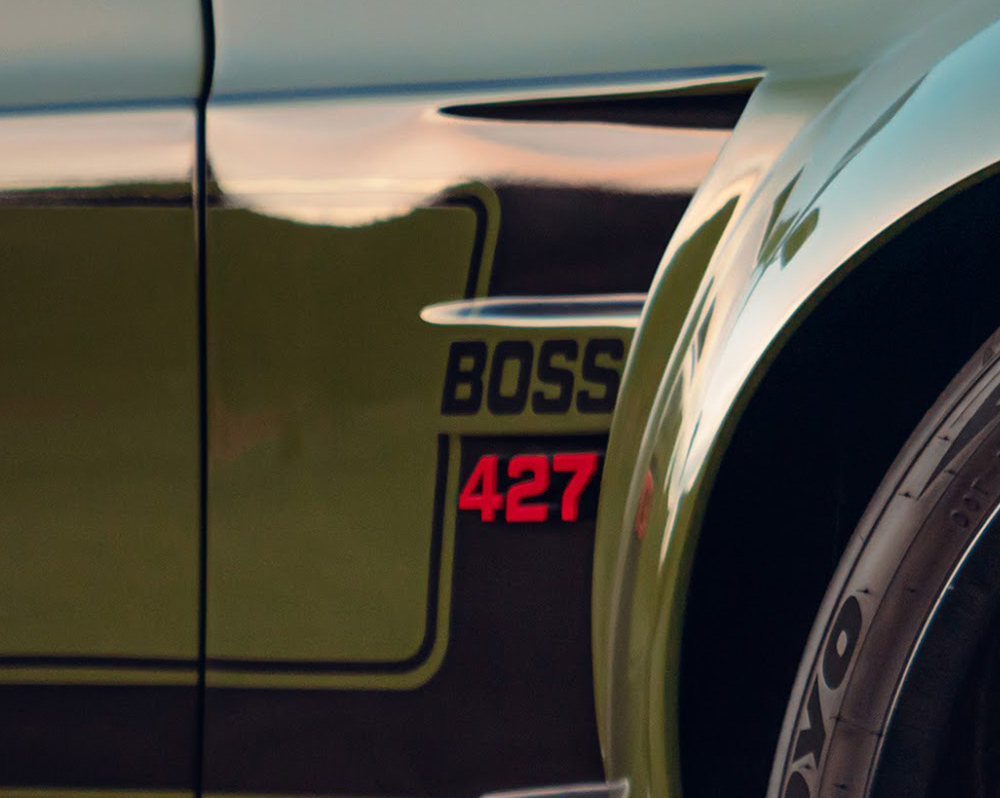
3D-printed nylon parts are used throughout the car, such as the vent inserts, 427 badging, and window rollers. The bumpers have been fitted and re-chromed, and the front fenders are pitched down an inch for good looks and improved aero (just like the race cars). Most of the chrome trim has been removed and flush mount glass was used to give the car a sleek look.
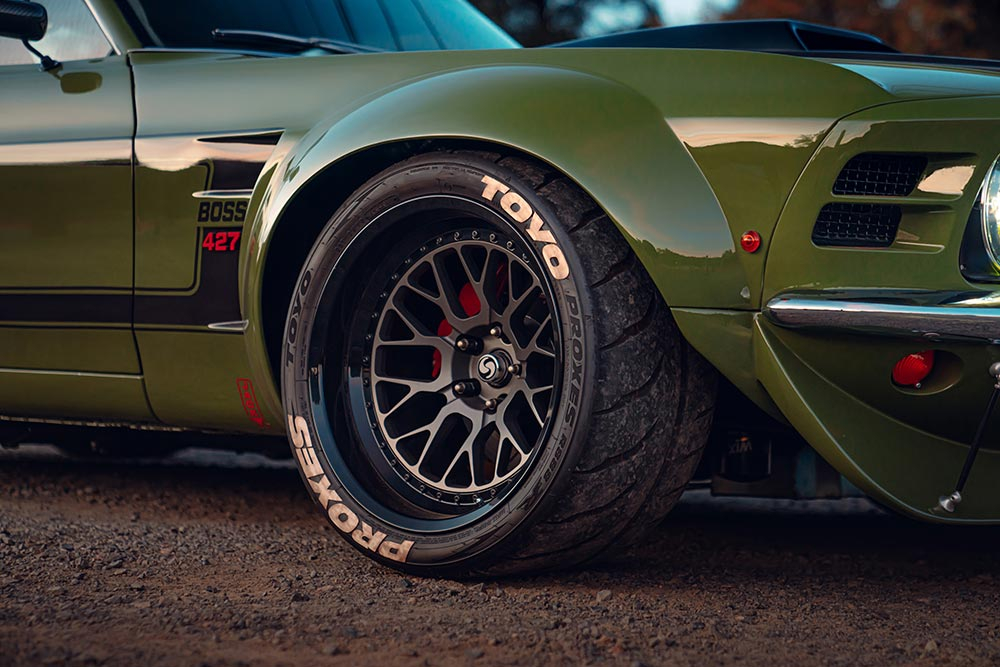
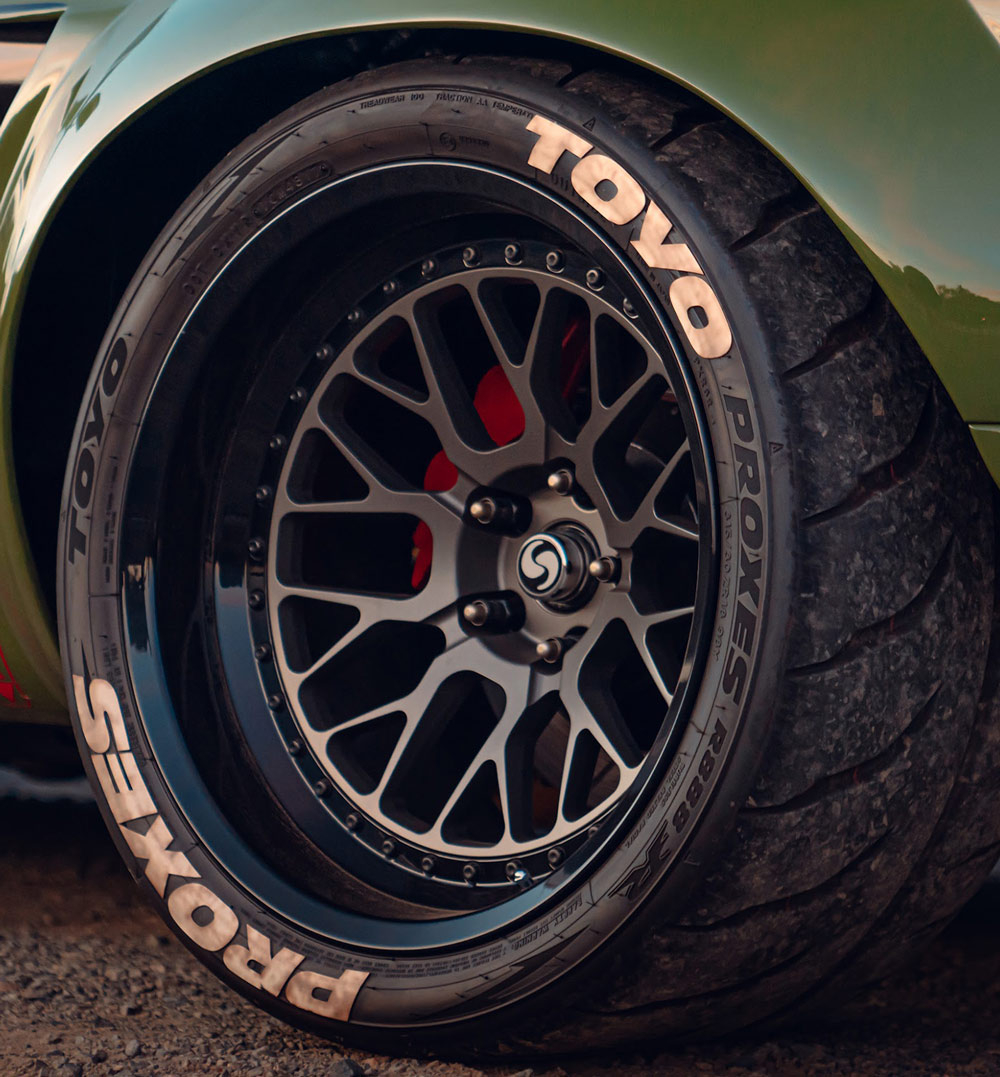
The car wears custom Signature ONE wheels – 19×12.5” in the rear and 18×11” in the front. Wide Toyo Proxes R888R’s are used at all four corners. 345’s attempt to put the power down while 315’s handle directional changes.
The car is finished in a 1978 Porsche Olive Green paint. The Boss side stripes are reflective black 3M vinyl (a nod to the original Boss 302 cars) and the black hood is actually exposed carbon fiber on an Anvil Auto hood. Knife maker, Jake Palm hand-built the pistol grip shifter and South County Auto Body handled paintwork.
Photos by NOVITEC
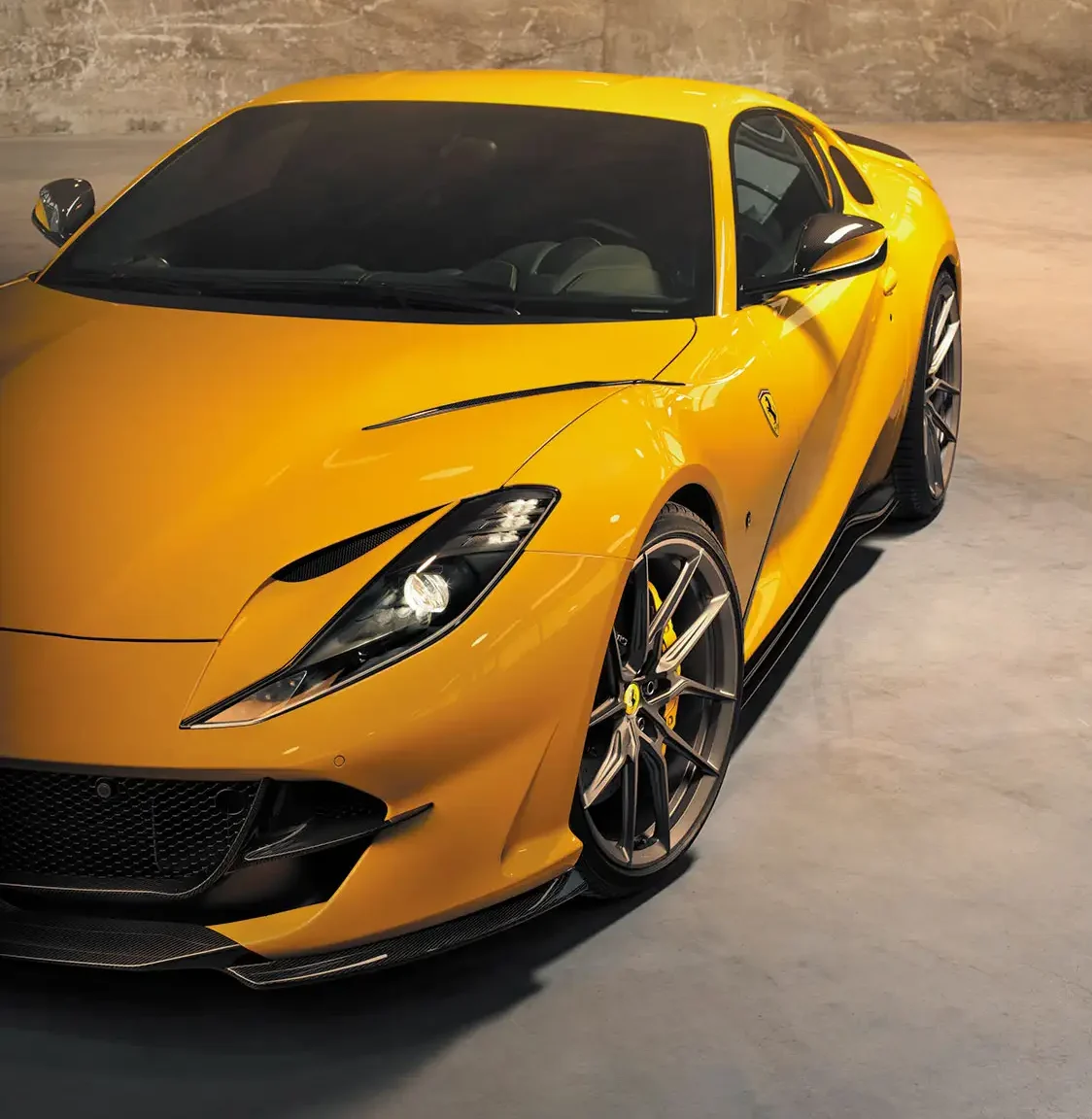
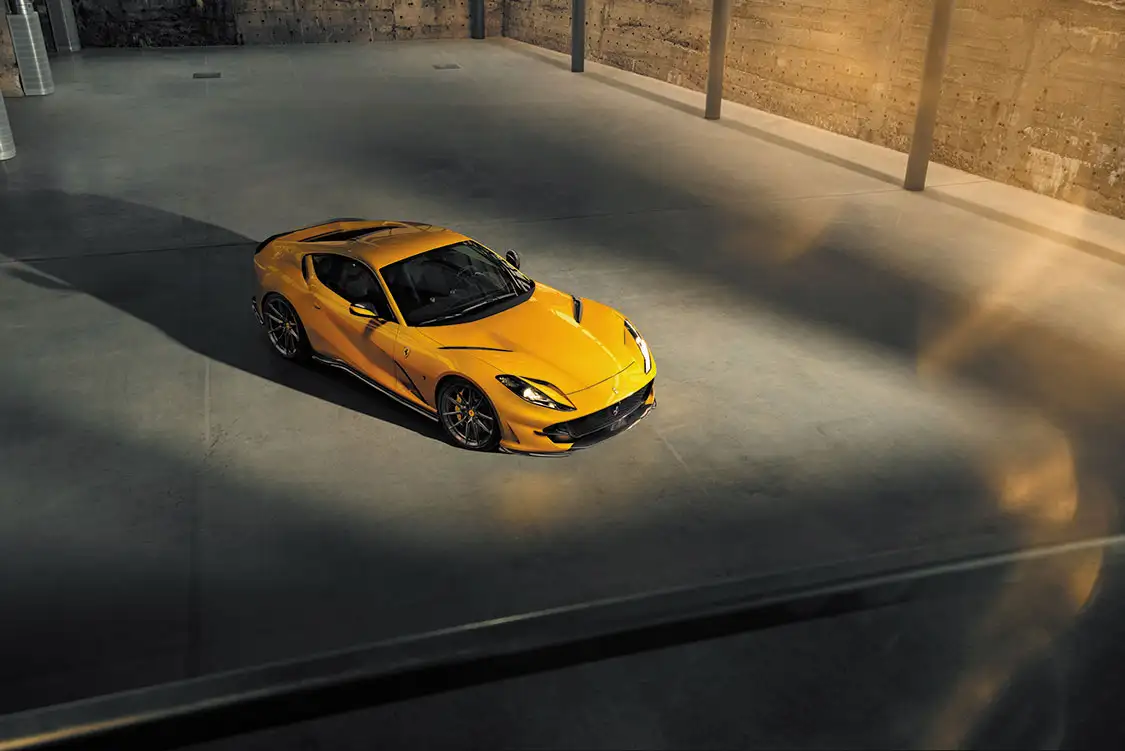
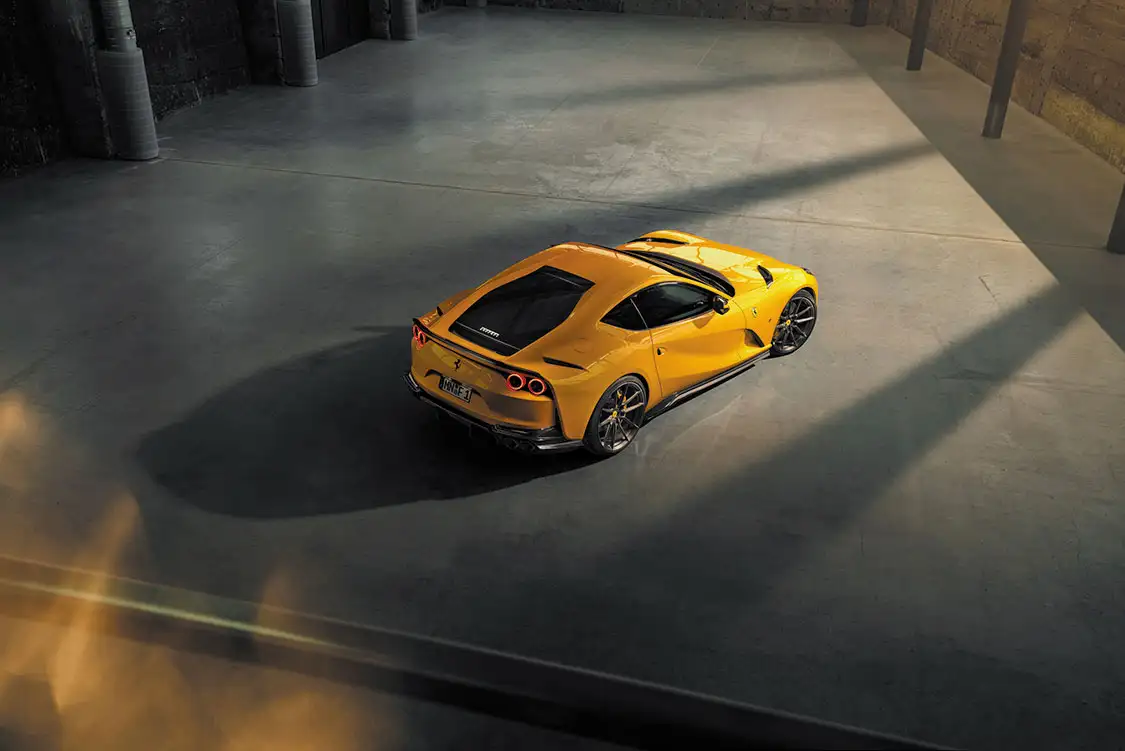
In the realm of automotive excellence, Ferrari stands as an icon of performance and luxury. With the introduction of the Ferrari 812 Superfast, enthusiasts were treated to a masterpiece of engineering and design. Now, thanks to NOVITEC, the world’s leading refinement specialist for Ferrari sports cars, the 812 Superfast receives an extraordinary makeover, elevating its already legendary status to new heights.
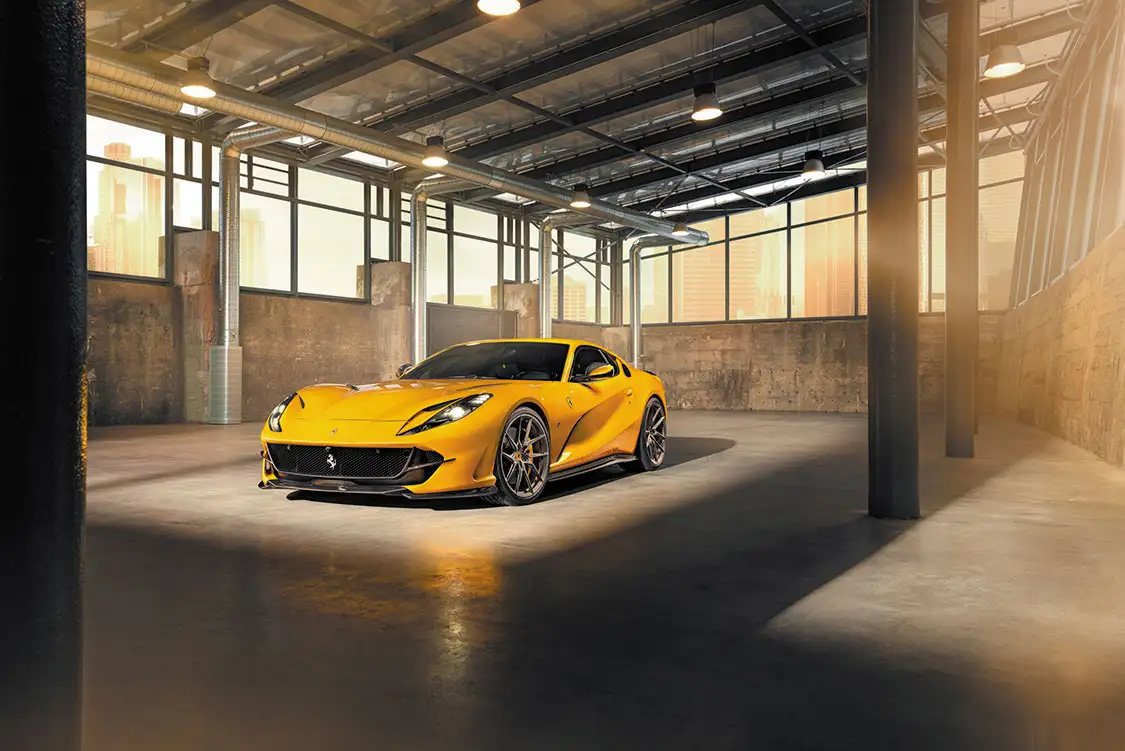
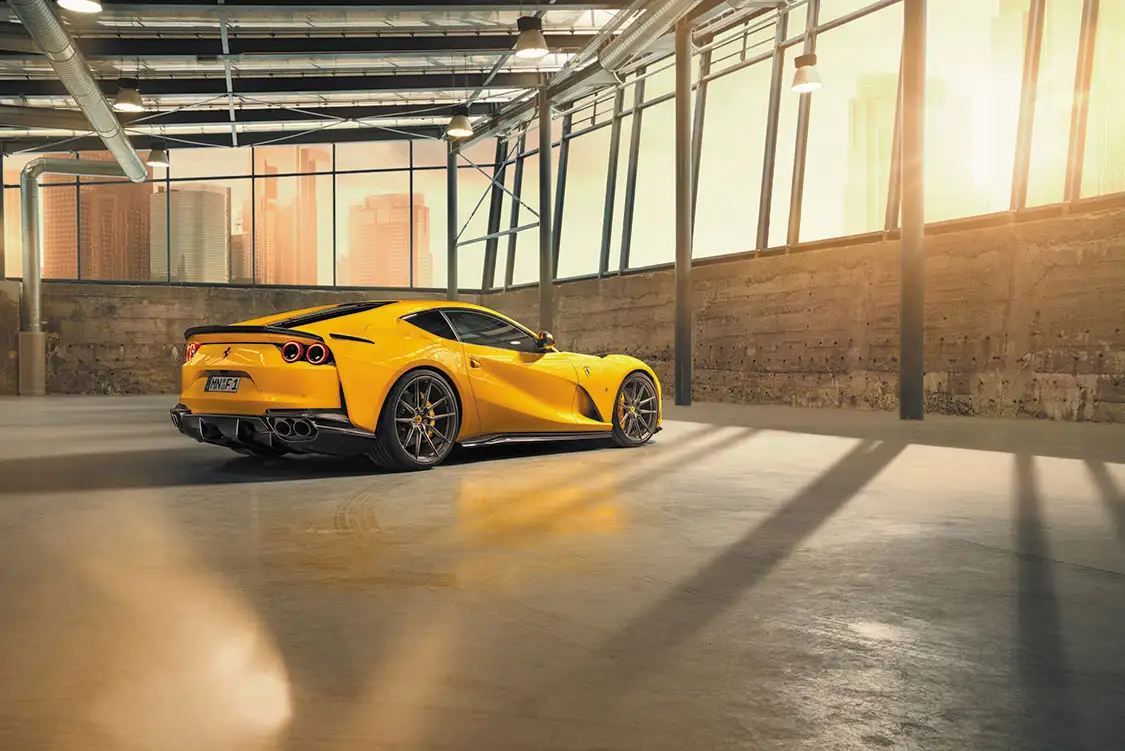
The enhancements from NOVITEC begin with a striking carbon racing design, meticulously crafted to enhance both aesthetics and aerodynamics. From the front spoiler lip to the rear spoiler lip, every component is designed to optimize airflow and reduce front-axle lift, resulting in unparalleled handling and stability, especially at high speeds.
The visual transformation continues with tailor-made rocker panels and carbon air outlets, adding a touch of motorsport-inspired flair to the 812 Superfast. Meanwhile, hi-tech forged wheels, available in sizes up to 22 inches, not only enhance the car’s appearance but also improve performance, emphasizing its wedge shape and agility on the road.
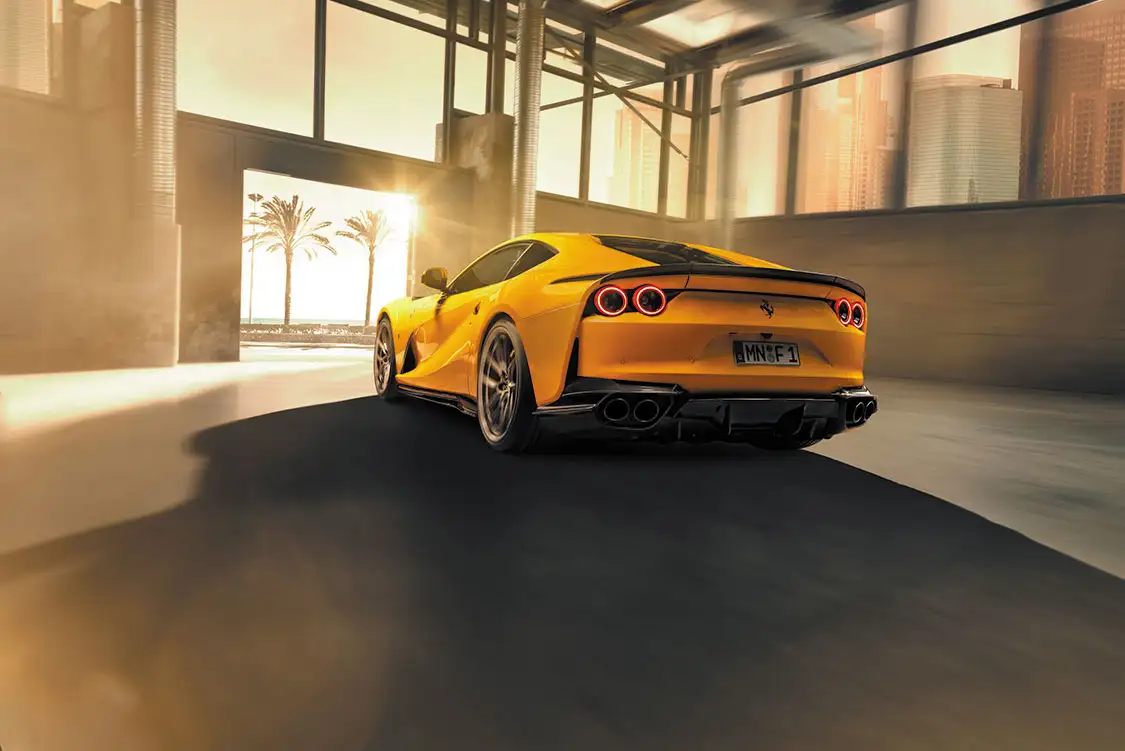
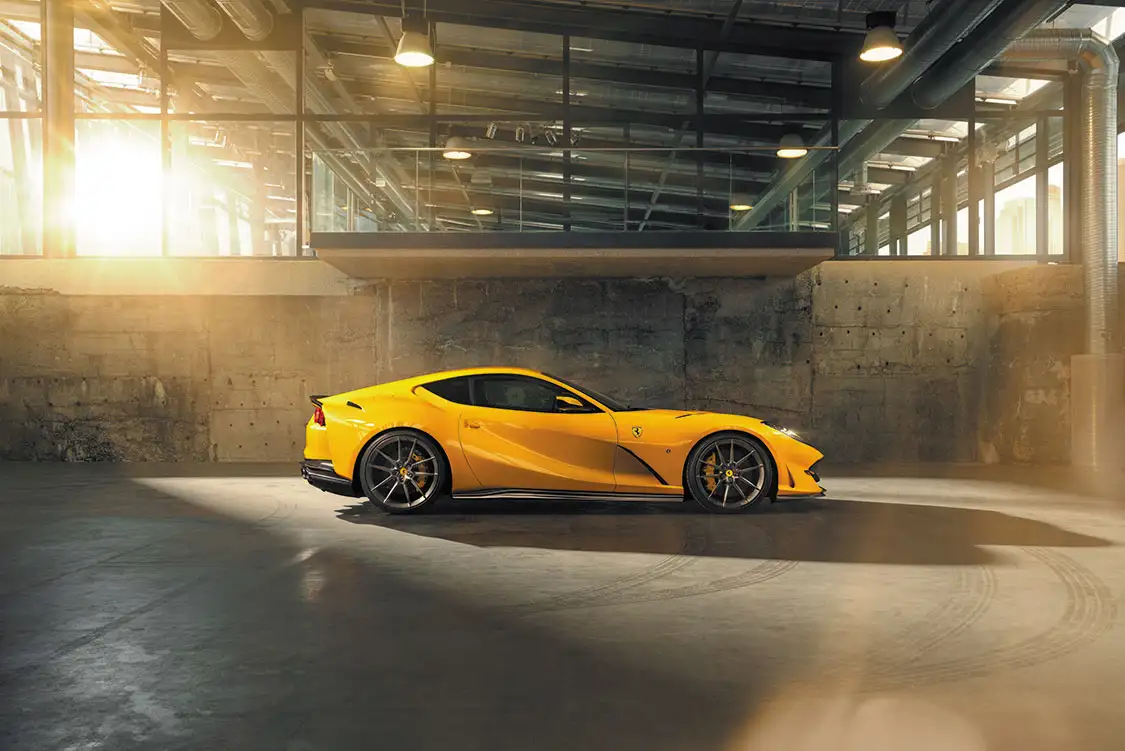
Under the hood, NOVITEC’s performance upgrades take the 6.5-liter V12 engine to new heights, with power outputs up to 475 kW / 646 hp and 692 Nm of torque. Combined with a high-performance exhaust system, the 812 Superfast delivers exhilarating acceleration and a top speed of 335 km/h, ensuring an unforgettable driving experience.
But the enhancements from NOVITEC extend beyond performance upgrades. With a range of customization options for the interior, owners can create a personalized sanctuary behind the wheel, with bespoke leather, Alcantara, and carbon appointments tailored to their preferences.
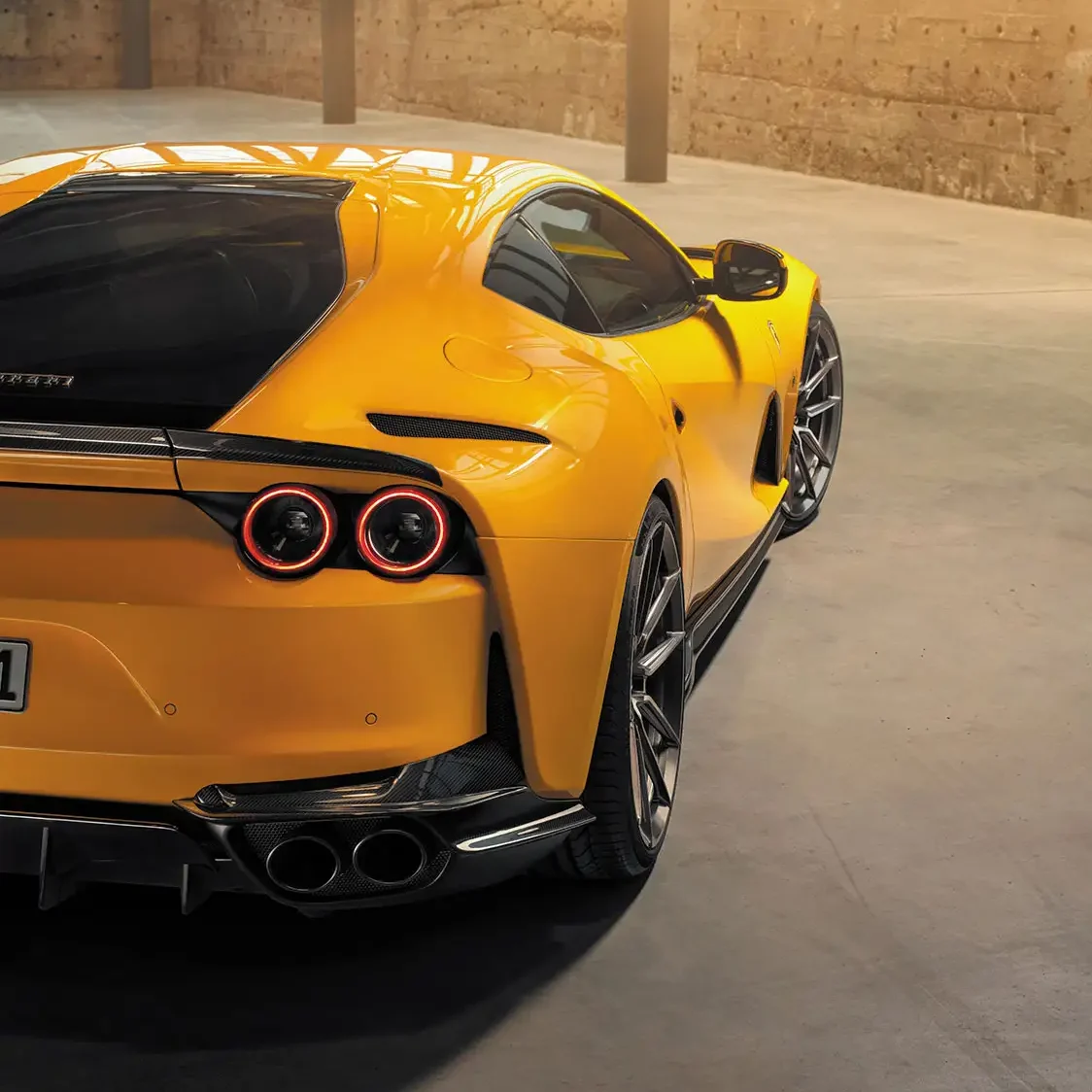
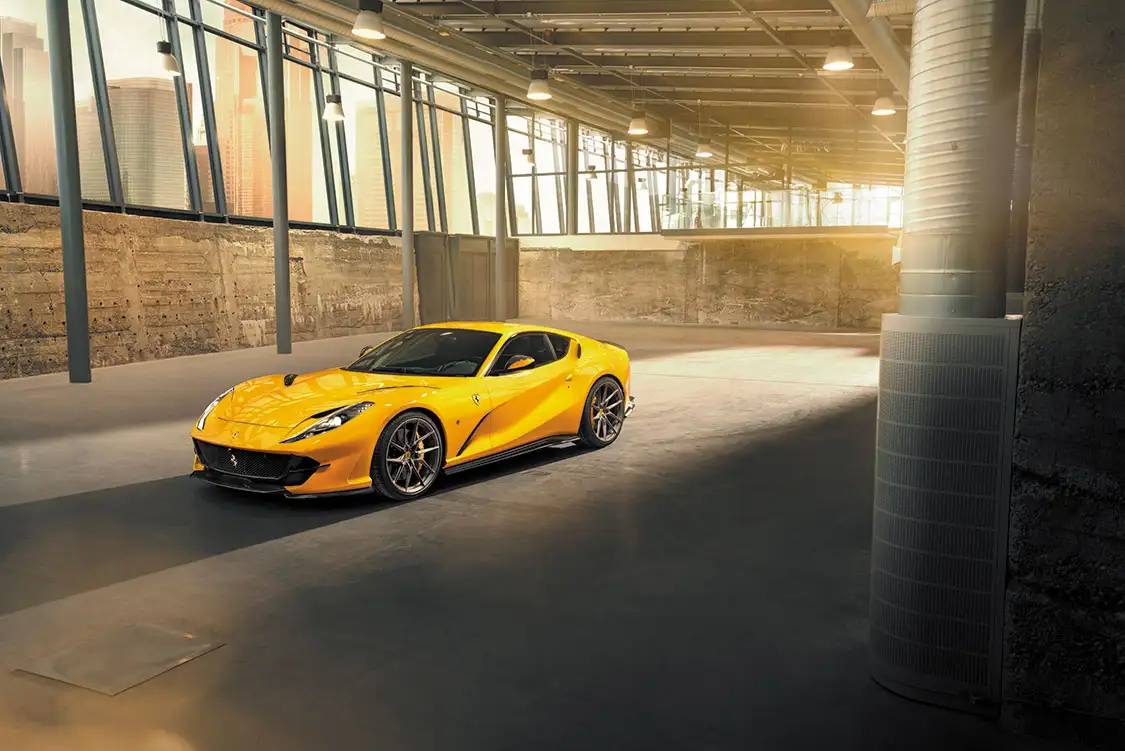
In addition to performance and aesthetics, NOVITEC also offers practical solutions for everyday driving, including sport springs for improved handling and a front lift system for navigating obstacles with ease.
In conclusion, the NOVITEC Refined Ferrari 812 Superfast is more than just a car – it’s a work of art, a fusion of power, precision, and unparalleled craftsmanship. For those who demand the best, NOVITEC delivers, transforming the Ferrari 812 Superfast into the ultimate expression of automotive excellence.