







As the editor of Drive Magazine, diving into the story of the 1969 Camaro “Illicit” is pure excitement. This ride isn’t just a revamp of a classic; it’s a fusion of sheer muscle and modern innovation that gets any auto enthusiast revving with enthusiasm.
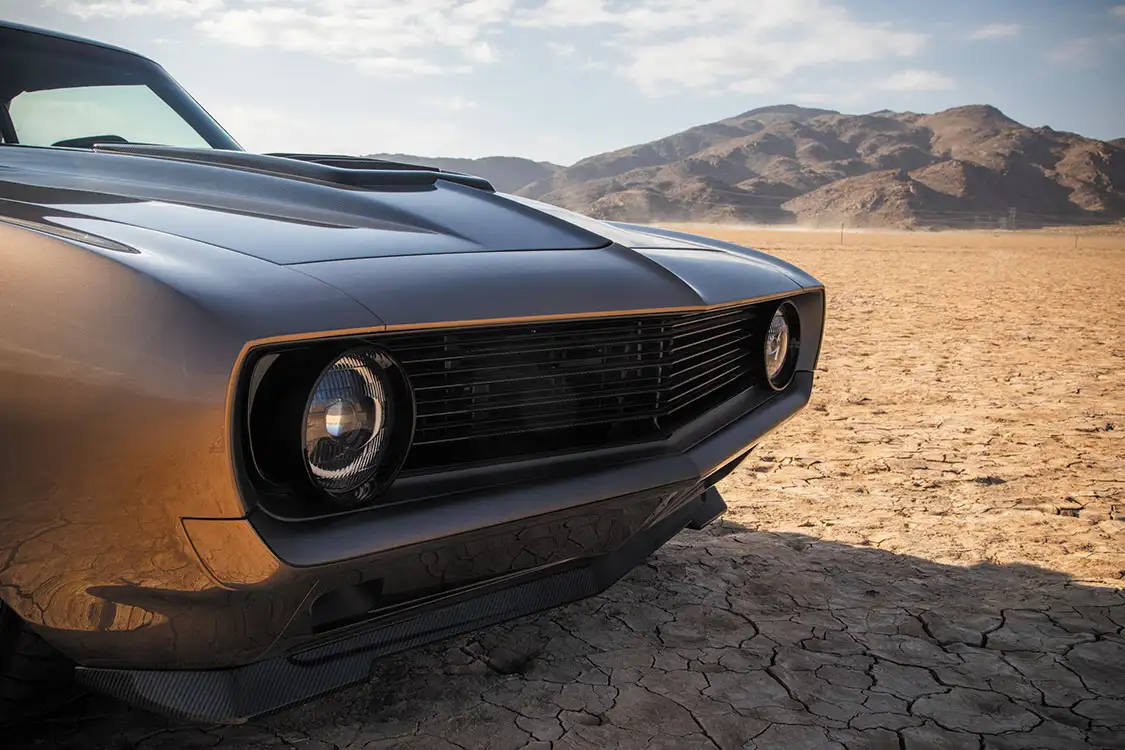
Listening to designer Sean Smith share the inspiration behind ‘Illicit’ is like tapping into the heart of the muscle car world. The commitment to preserving the ‘69 Camaro silhouette while infusing it with contemporary flair is nothing short of genius. The melding of carbon fiber aero parts, a killer stance, and meticulous attention to detail create a machine that’s just as captivating as it is powerful.
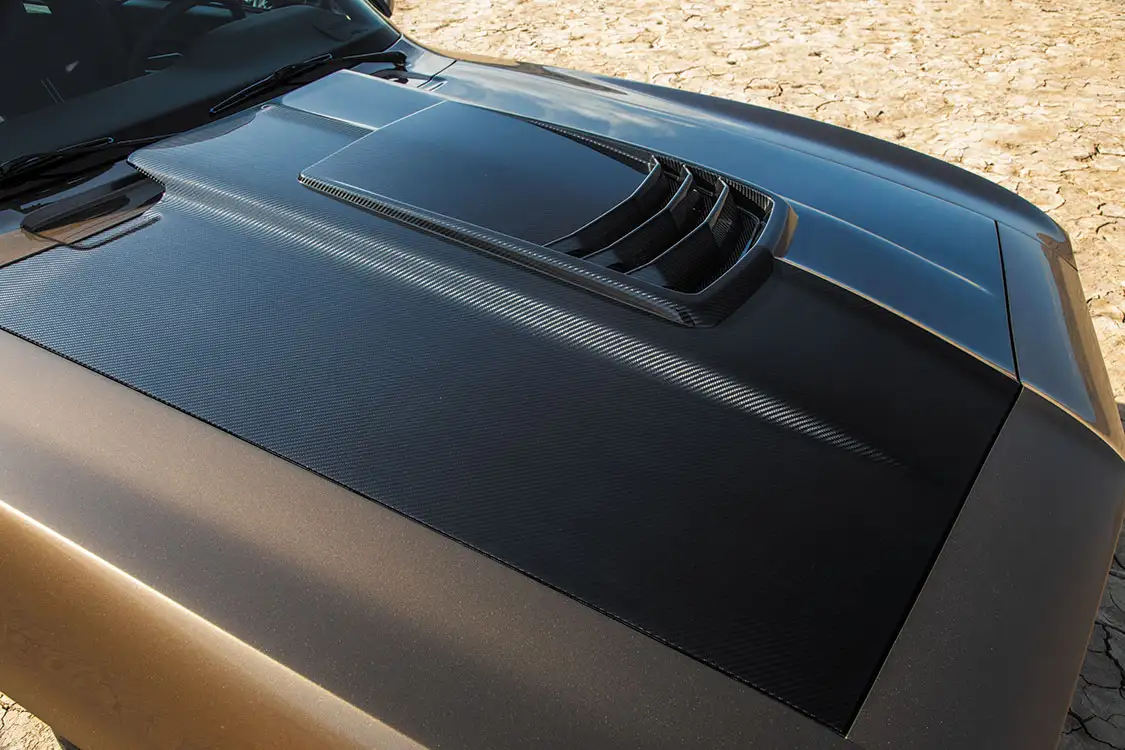
Peeling back the layers, it’s mind-blowing to realize that what seems like a classic ‘69 Camaro grille is actually a meticulously engineered multi-piece design, housing a monstrous 1200hp Dart LSX engine. The craftsmanship under the hood, with its EVOD Industries machining and Speedkore carbon fiber, is pure automotive artistry.
Then, there’s the heart of the beast—the 2.9L Whipple supercharged Dart, complemented by an Aeromotive fuel system that guarantees relentless power delivery. The custom touches, from the stainless steel Doug’s Headers to the Taylor wires, are all about precision and consistency, ensuring every spark counts.
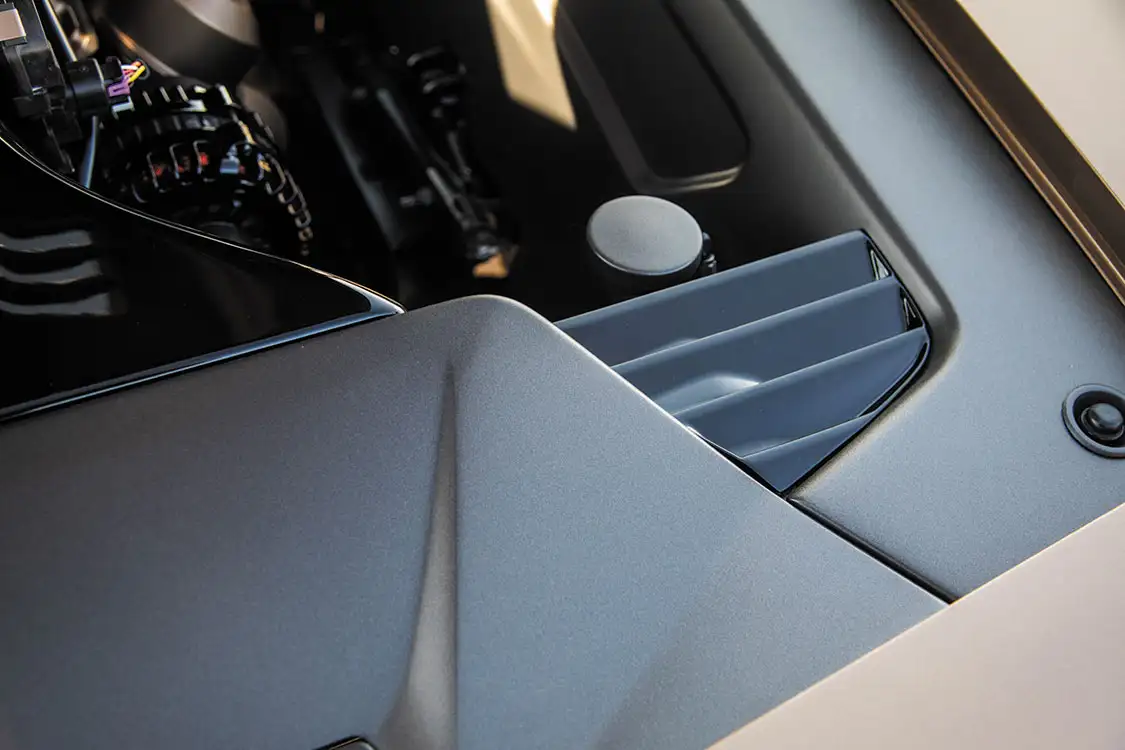
But it’s not just about power; it’s about the symphony of engineering. The Bowler-built T56 Magnum transmission paired with the all-carbon fiber ProMod driveshaft is automotive innovation at its peak.
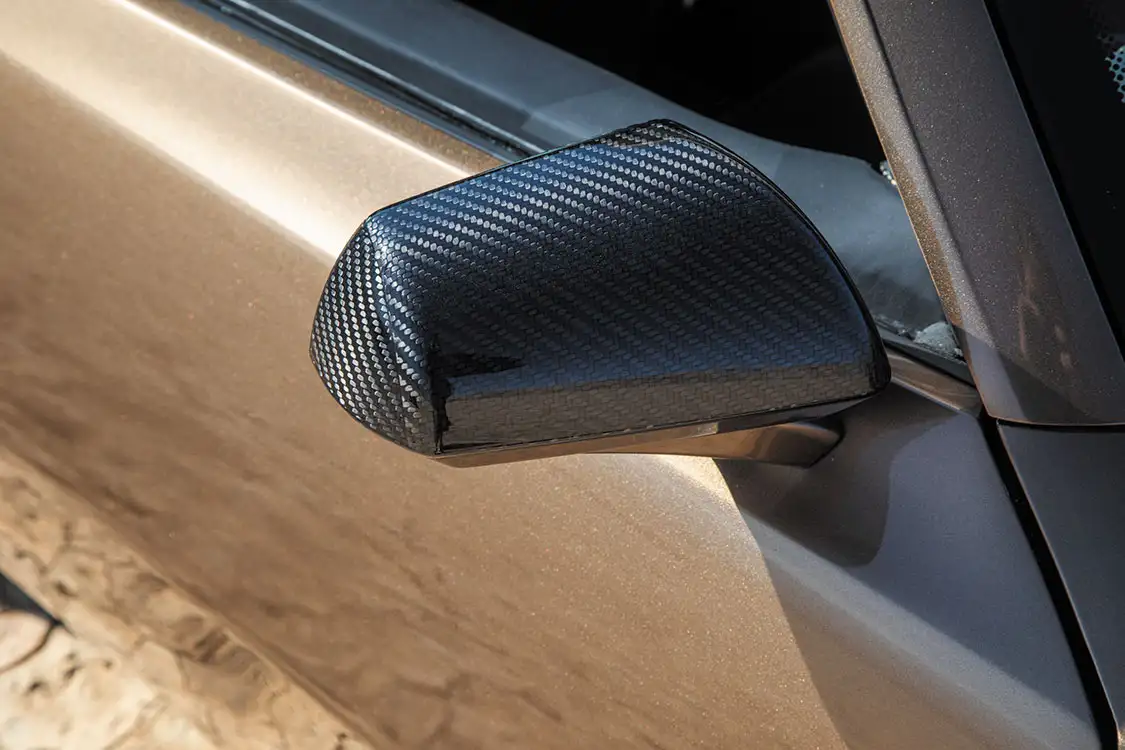
The design journey doesn’t stop under the hood; it’s painted to perfection. Jesus Lopez’s vision of Solar Bronze, a hue that dances between honey and bronze with charcoal mid tones, is a visual spectacle. Paired with carbon fiber accents and black trim, it’s a head-turner from every angle.
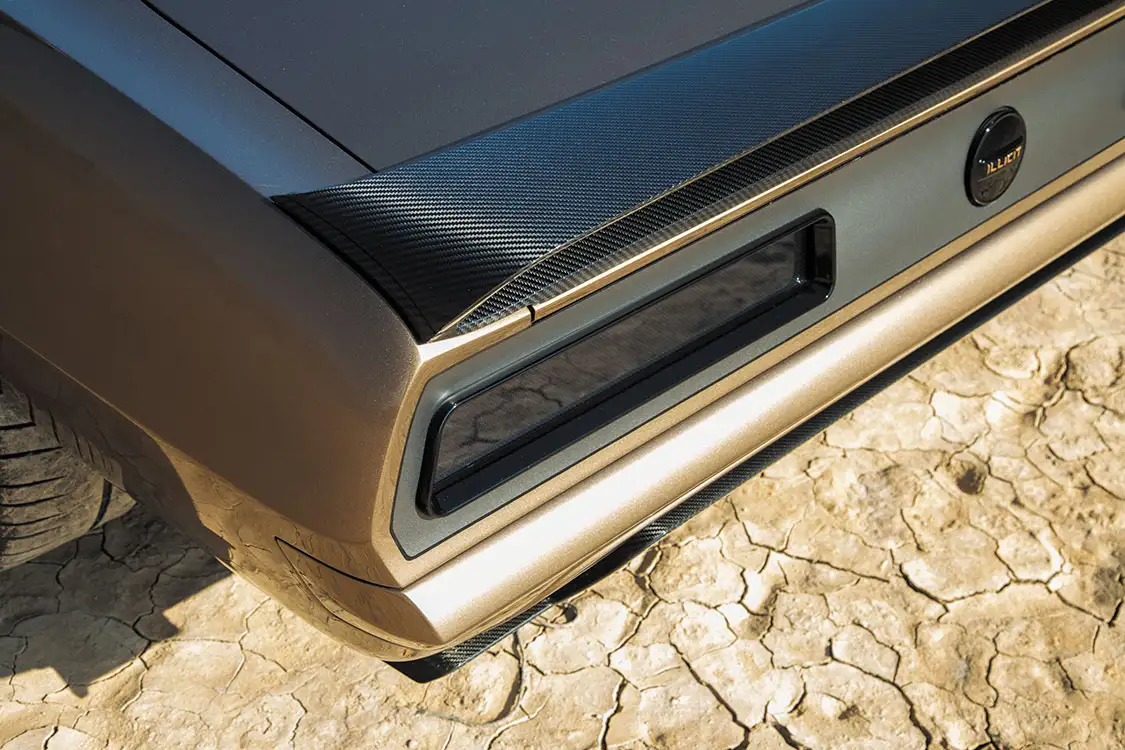
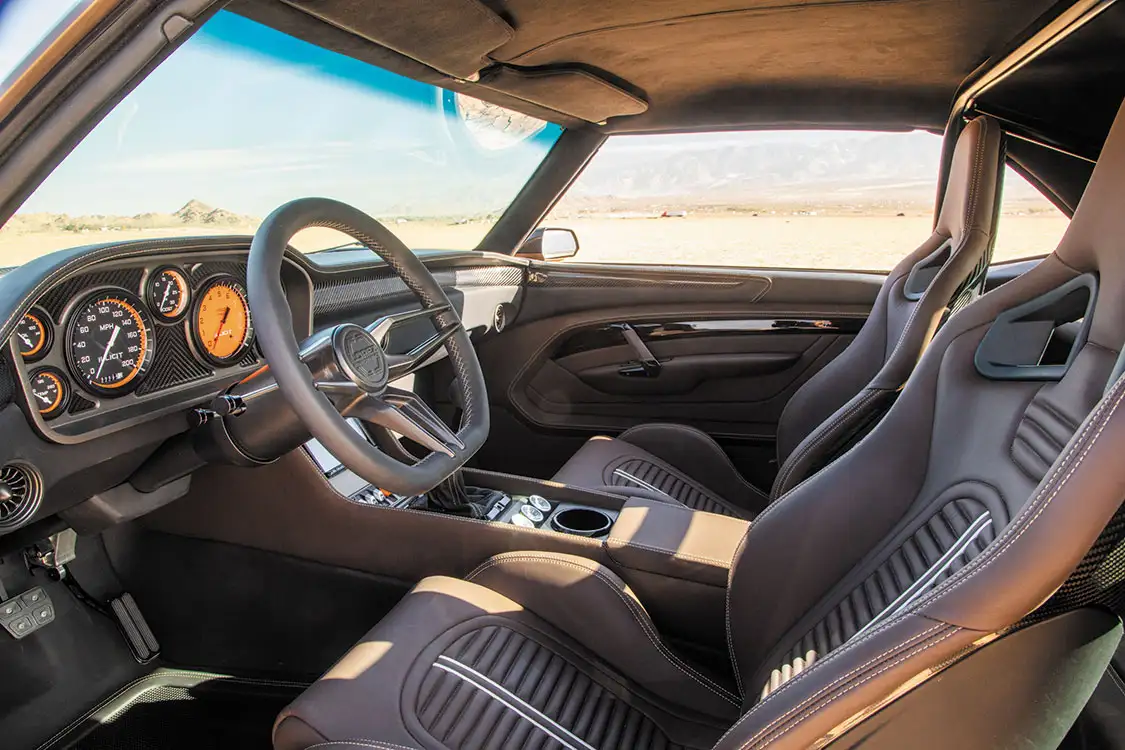
The interior, crafted by Gabe’s Custom Interiors, speaks volumes about the marriage of luxury and performance. Recaro seats featuring carbon fiber rear shells draped in truffle brown leather are a testament to elegance fused with raw power. The attention to detail in the dashboard, center console, and the bespoke aluminum instrument cluster is automotive artistry personified.
Ultimately, ‘Illicit’ isn’t just a showstopper unveiled at SEMA; it’s a rolling masterpiece destined to grace numerous shows. It’s an ode to the iconic ‘69 Camaro, redefined for a generation that craves power, precision, and sheer automotive brilliance.
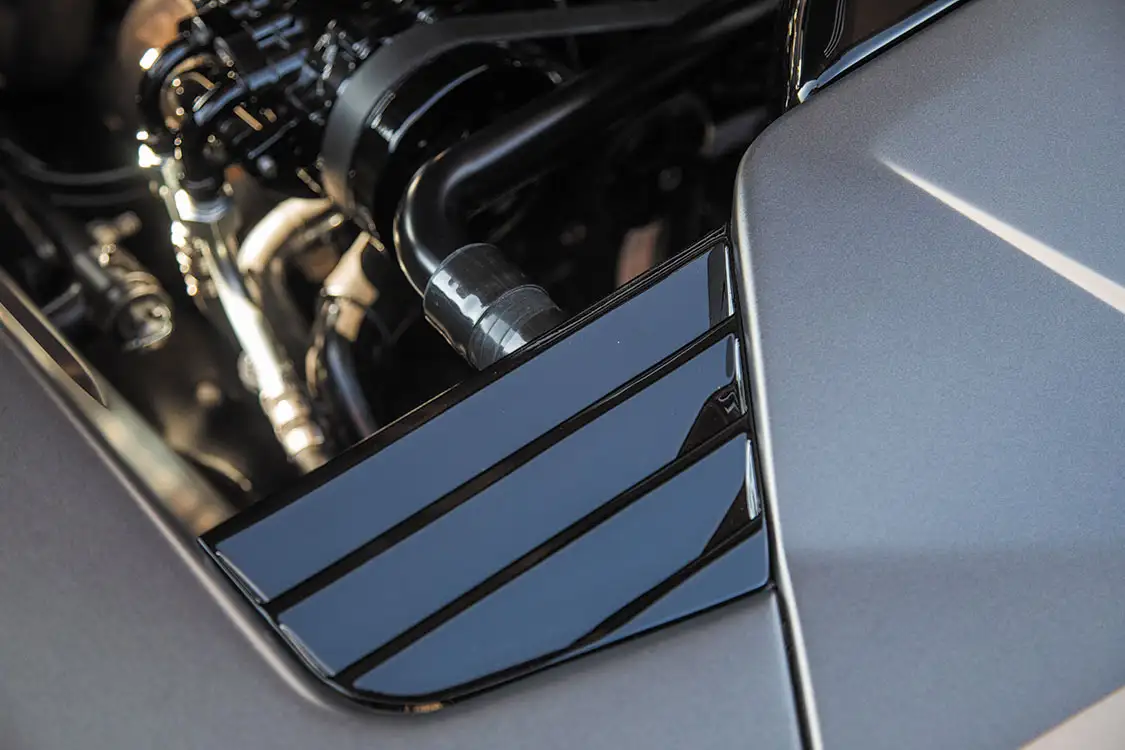
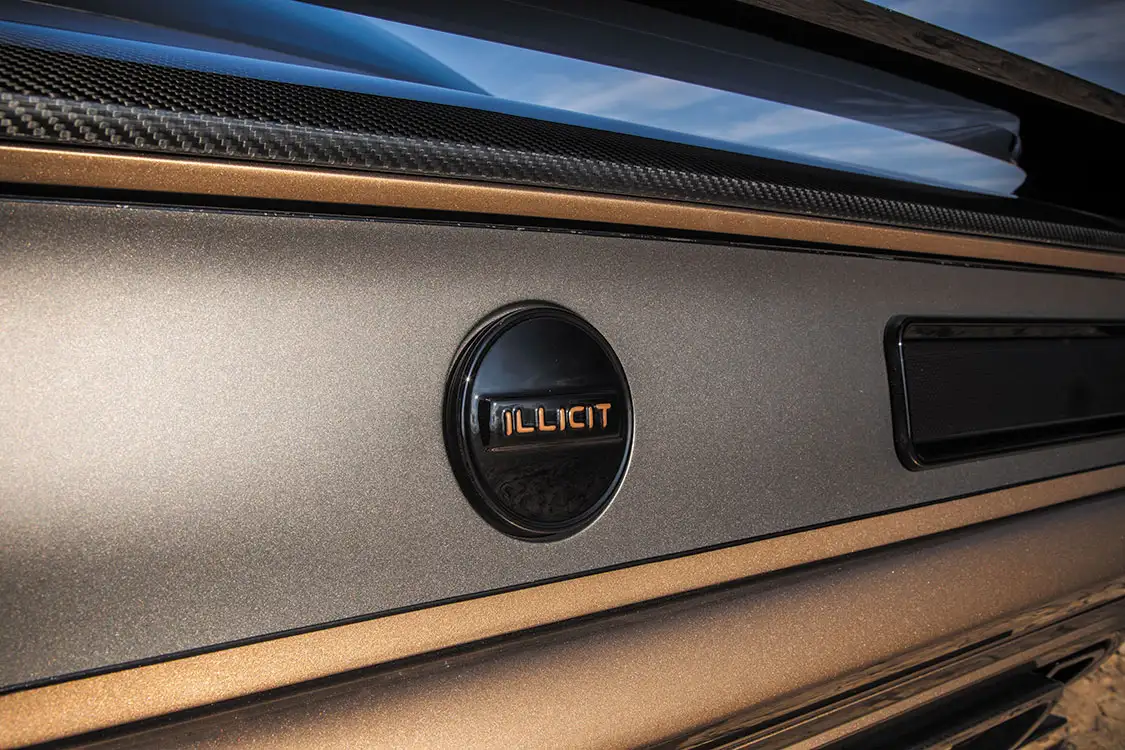
1969 Chevrolet Camaro “Illicit” by Lopez Performance
Engine:
Transmission:
Brakes:
Wheels / Tires:
Chassis:
Exterior:
Interior:

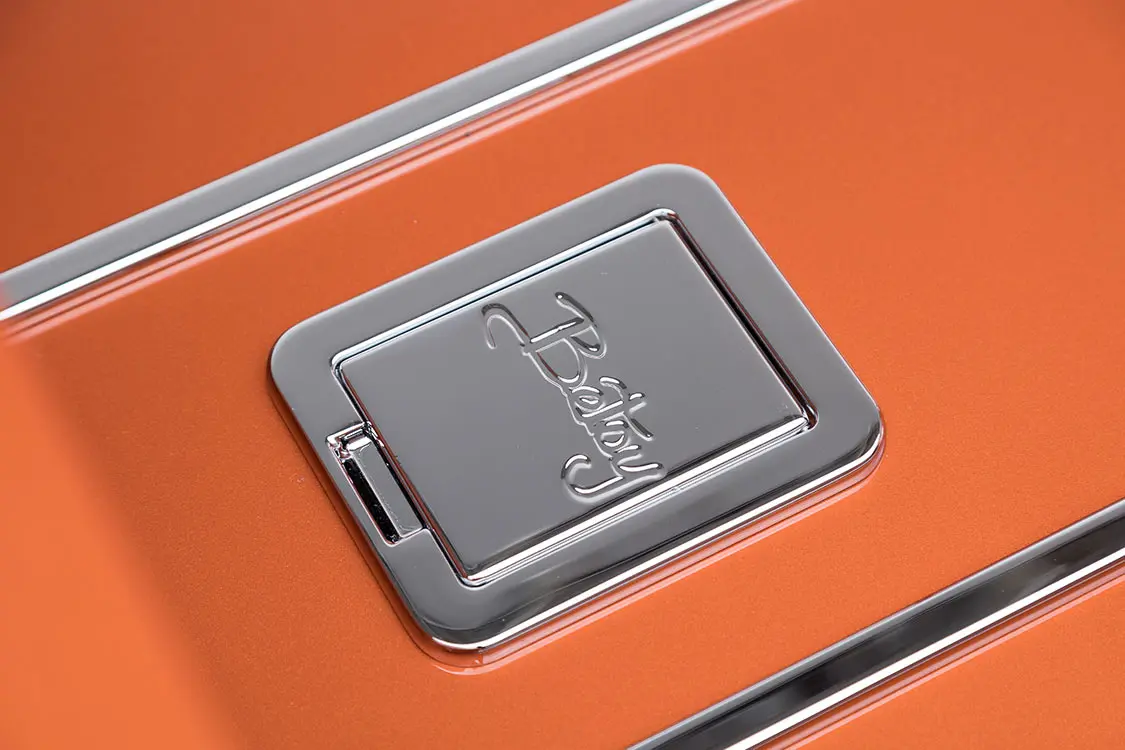
Batman had the Batmobile. The Duke boys had the General Lee. The A-Team had that amazing GMC Vendura van. And Mark Bell has Betsy, a spotless 1962 F-100 Unibody that he’s owned since before he was old enough to drive.
“This pickup is the very first vehicle I ever purchased,” Mark says, telling the tale of Betsy’s origins. “I was 13 years old, and I spent the summer working for a local farmer changing water for him.”
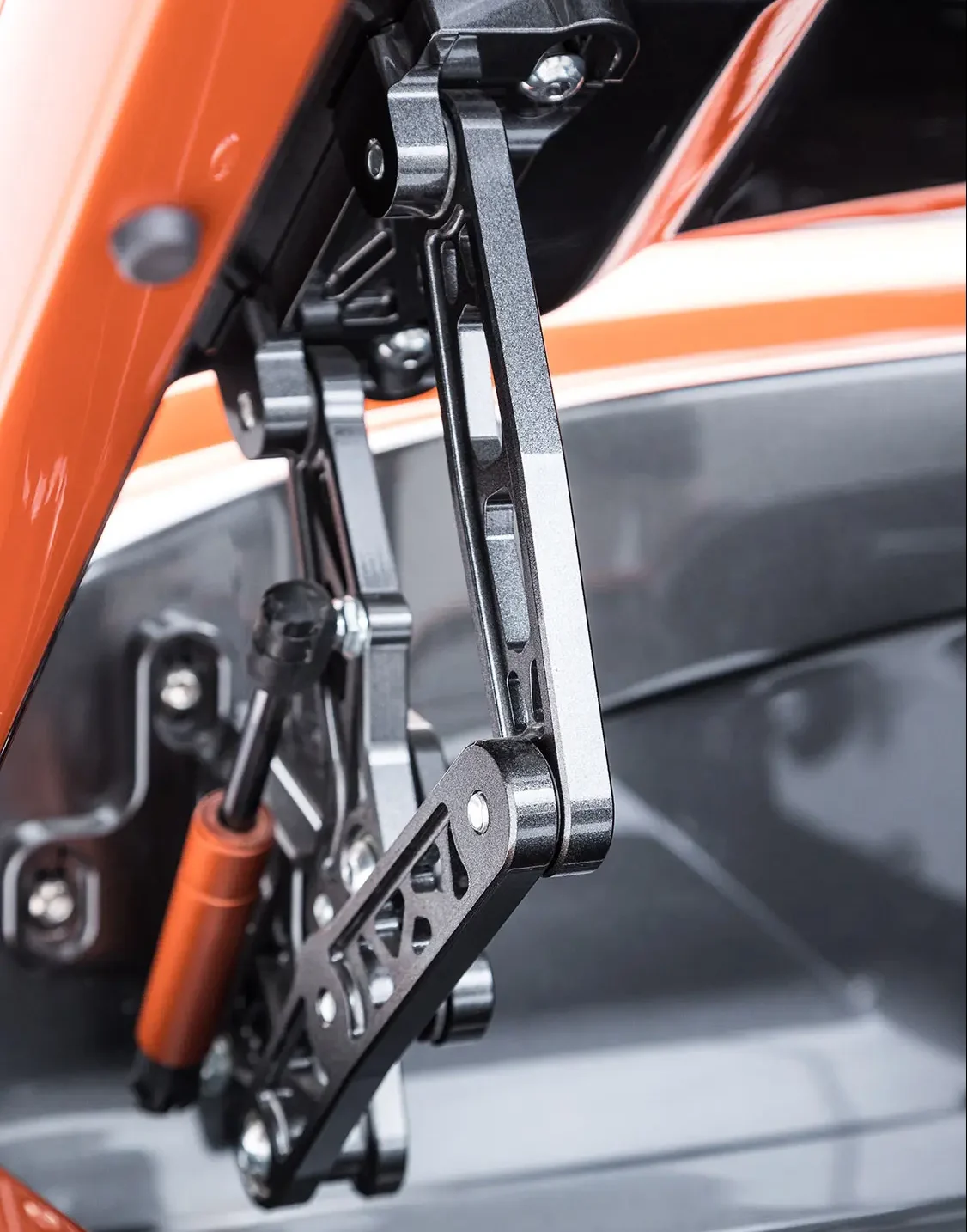
Out behind the barn, the farmer had an old pickup hidden in the weeds. When he saw the trampled trail to the truck through the grass, he knew Mark had developed a crush.
“The second to the last day before going back to school, he noticed that I had beaten a path all the way to and around this old pickup,” Mark says. “He asked me if I liked the truck, and I said, ‘Of course I do! I will be getting my driver’s license in a few months, and this would be awesome.’”
Well, to Mark’s surprise, the farmer made a deal with him.
“He told me, ‘Since you did a great job for me, if you bring me $1 tomorrow, I will bring you the title,’” Mark recalls.
That was an agreement Mark just couldn’t pass up.
Out behind the barn, the farmer had an old pickup hidden in the weeds. When he saw the trampled trail to the truck through the grass, he knew Mark had developed a crush.
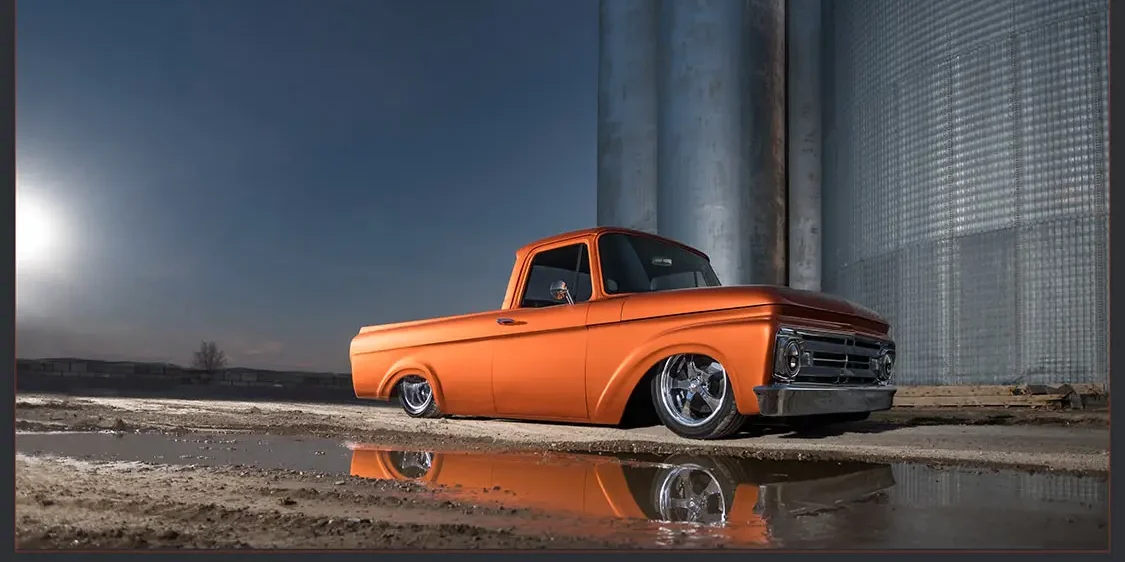
Mark Bell and his wife, Diane, live in Idaho. They own a powdercoating and LineX bedliner franchise, so they know a thing or two about trucks. That’s a very good thing, because this old farm truck did a lot of working before she retired into the beauty before you.
“I’ve kept her all these years,” Mark says of his metallic sidekick. “She made it through high school, marriage, family vacations, camping, hunting, hauling firewood, hauling trash and just life in general for an old farm truck.”
One fateful 11 years ago, Diane drove Betsy to drop a load of garbage at the dump.
“While returning from the trash dump, Betsy backfired and caught on fire, pretty much gutting the engine compartment before the fire was put out,” Mark says, adding that Diane was safe. “I towed Betsy home and parked her alongside my shop where she sat for two years. Then I moved her inside a shed so she would be out of the weather.”
Another two years would pass before Mark felt ready to bring Betsy back to life.
“One day I went in the shed and there she was,” he says. “I said to my wife, ‘Today is the day of the new Betsy.’”
Betsy has been in Mark’s life since 1983. For some historic perspective, 38 years ago, “Mama’s Family” and “The A-Team” were topping the TV charts. Not that either one influenced his update choices, of course.
“I had always wanted to restore or at least make her roadworthy again, and so the journey down that road began,” Mark says.
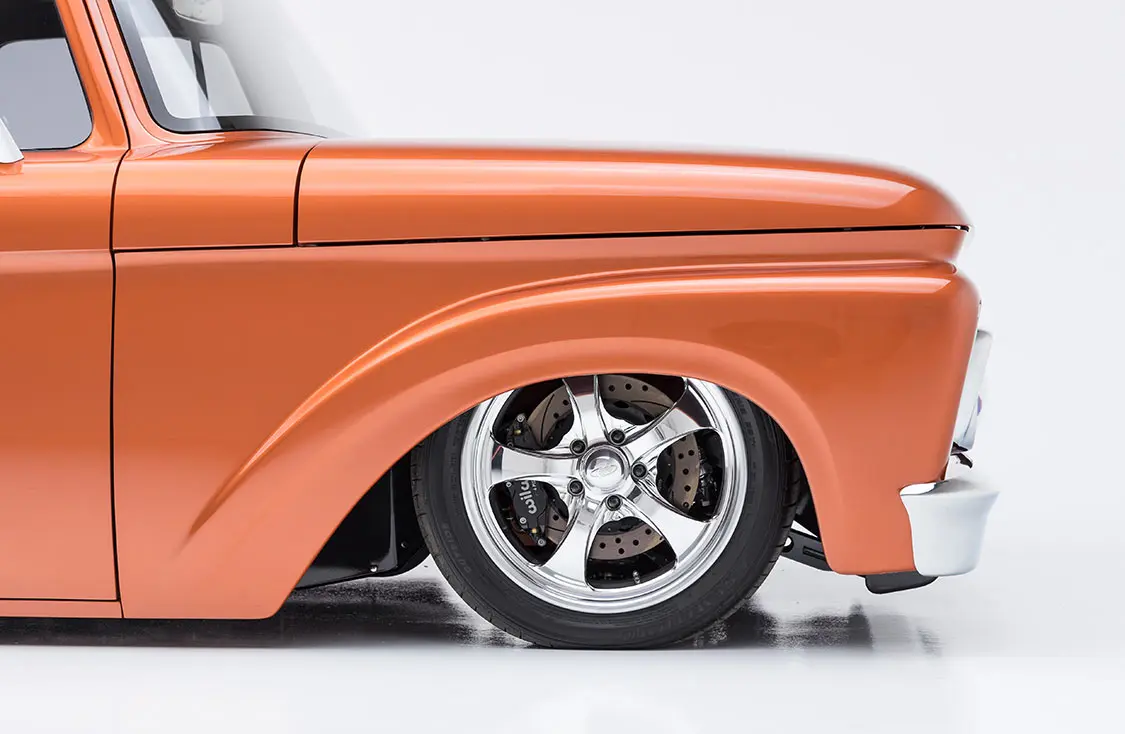
Mark started with the chassis. He worked with Porterbuilt Fabrication and Kenny’s Rod Shop on a customized 2017 frame, which includes a Porterbuilt front crossmember, fully boxed frame, and custom rear with built-in air tanks for Airlift air-ride front and back. It rides on Intro five-spoke wheels, 19 inches front and 20 inches rear, wrapped in Toyo Tires rubber. For stopping power, Wilwood Brakes, front and back, were chosen along with an electric e-brake.
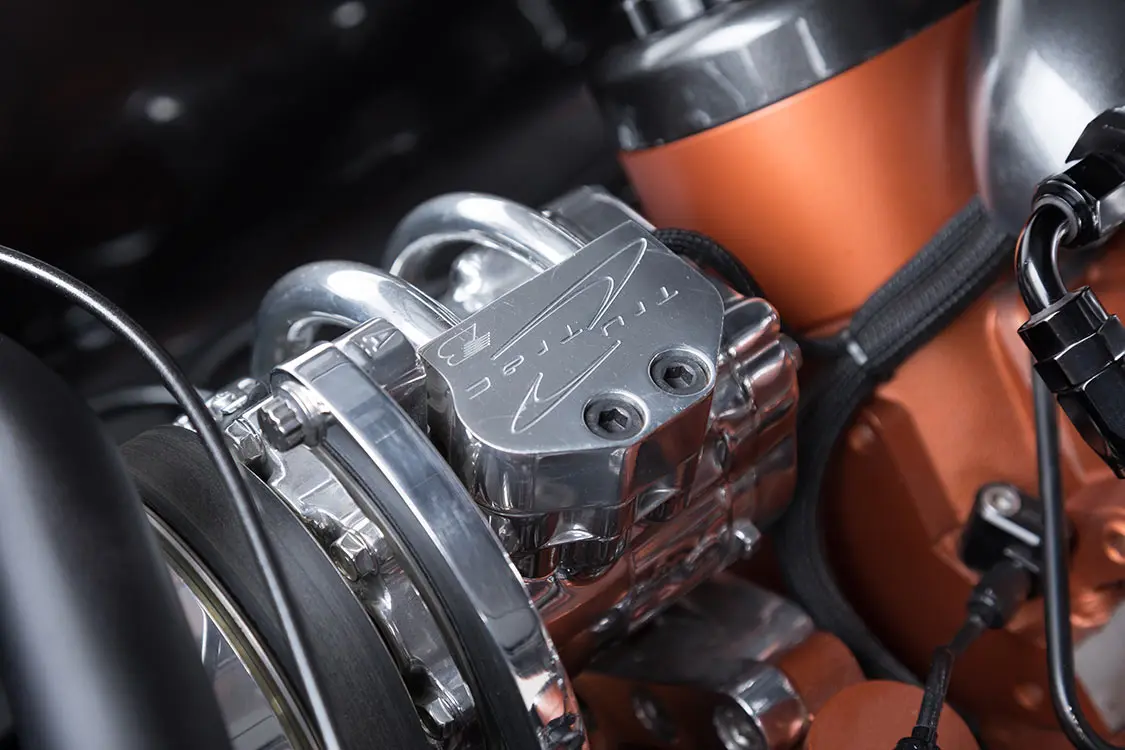
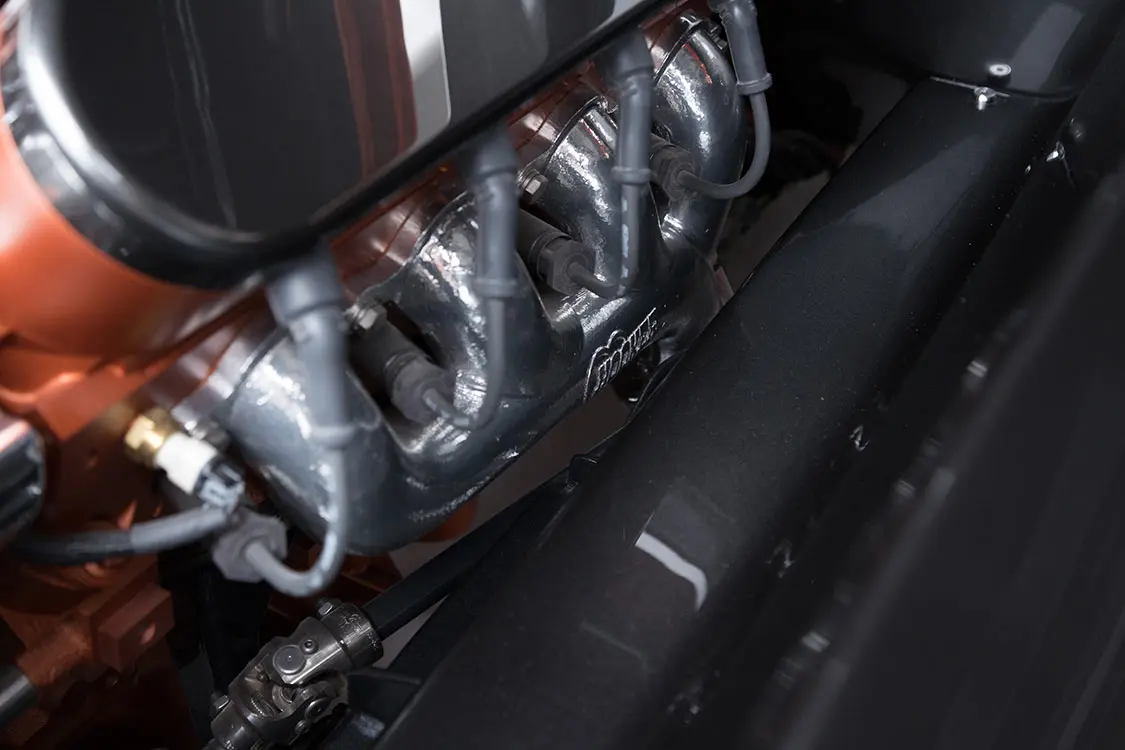
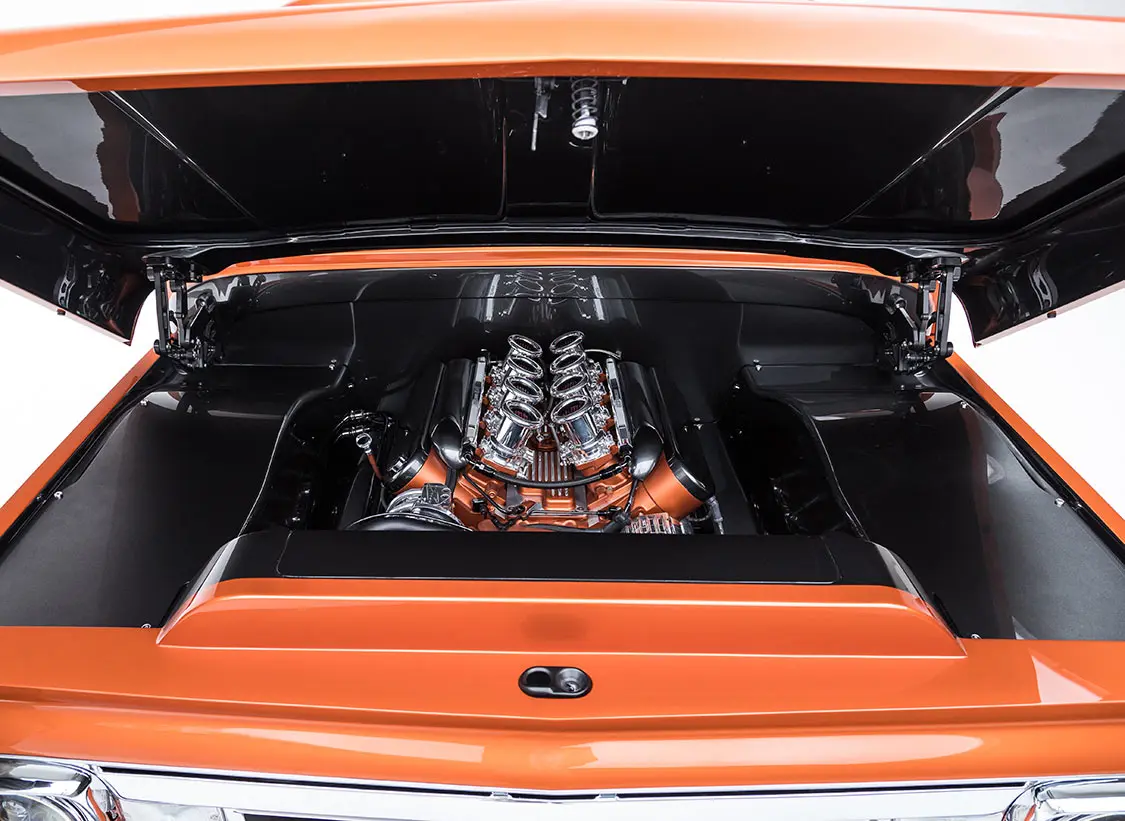
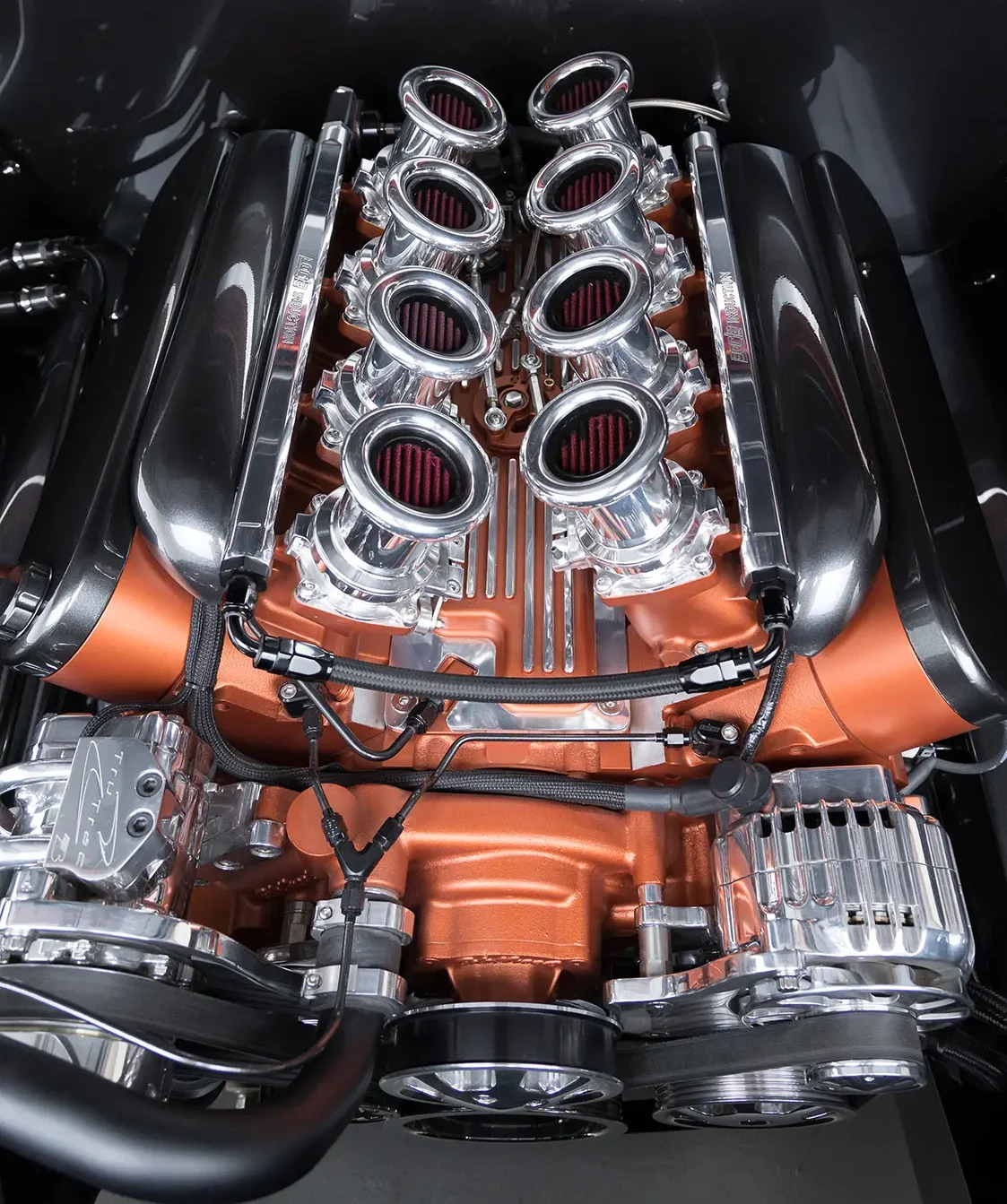
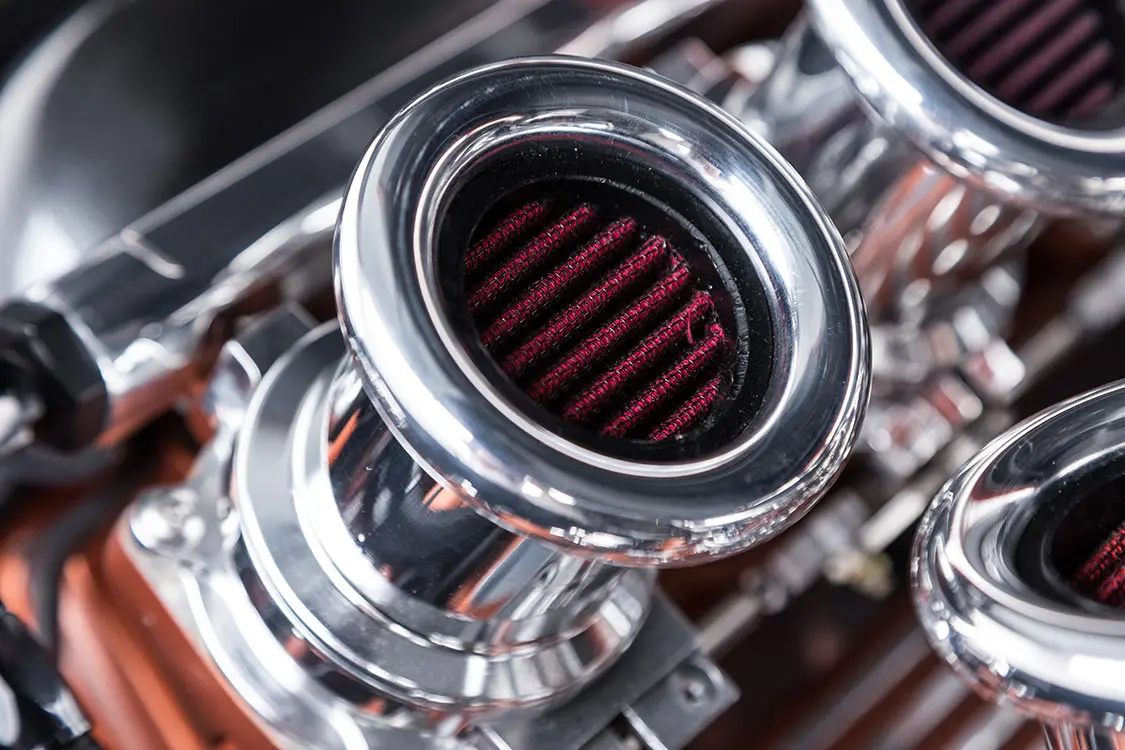
Unparalleled Performance in Nampa, Idaho, did all of Betsy’s engine work. Drew and his crew chose a 2013 GM V-8 LS3 6.2L motor and added Gen IV GM stock connecting rods, GM hypereutectic pistons and GM stock shocks rings at a 10.7:1 compression ratio. They used a BTR LS3 Stage 2 camshaft, Borla intake manifold and fuel injection, and Hooker BlackHart headers. The exhaust system—a 3-inch exhaust from the rear—comes from Borla and Kenny’s Rod Shop. Other engine mods include a Holley Dominator ECU, Billet Specialties hardware and a serpentine drive system, along with a polish and paint to make her pretty.
“It took a lot of parts for this engine swap,” Mark says. “Custom frame mounts, custom firewall, custom floor pans, custom inner fenders and radiator mount …”
And the custom stuff continues when we look at the transmission.
Created by RPM Transmissions out of Anderson, Indiana, Betsy’s transmission is a 2013 GM 4L60E. It features RPM Level IV upgrades to the output shaft and inner unit. The Hughes torque converter has a stall speed of 3,000 RPMs. Internal trans mods include an RPM-built 300M billet output shaft.
With Betsy’s frame, engine and drivetrain dialed in, it was time to make Betsy as polished as she was powerful. And so, Mark enlisted the help of Shawn McNally of Regenerated Rides from Nampa, Idaho, for a little fabrication surgery.
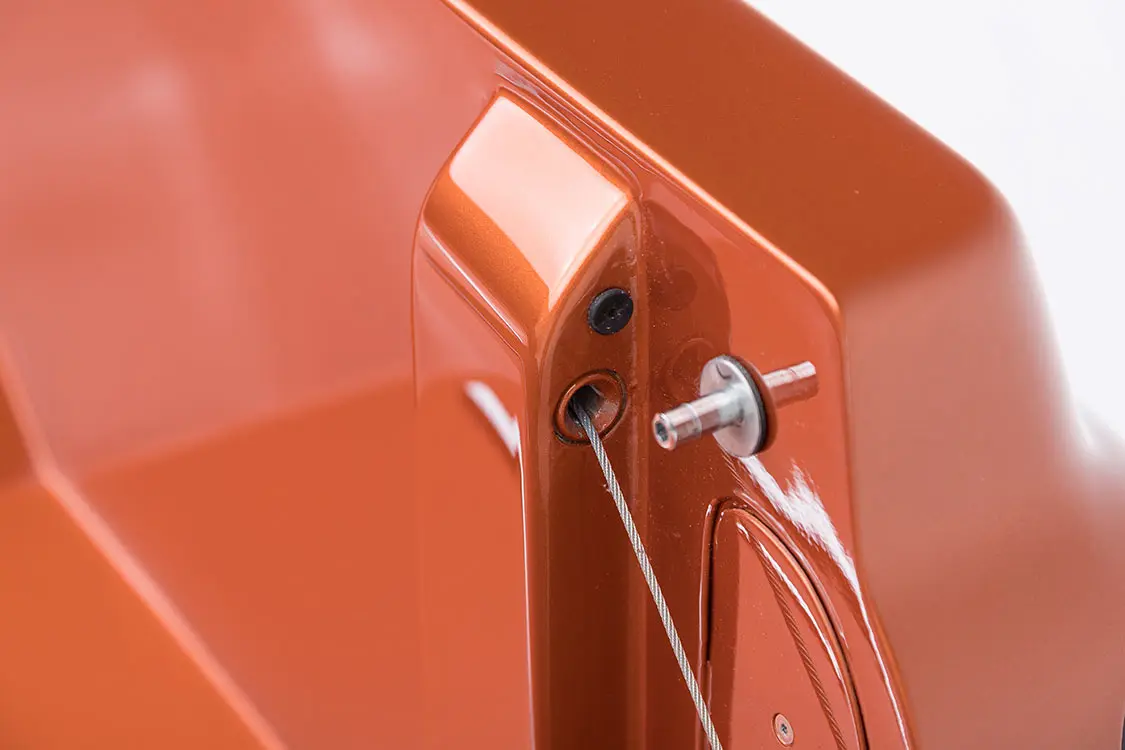
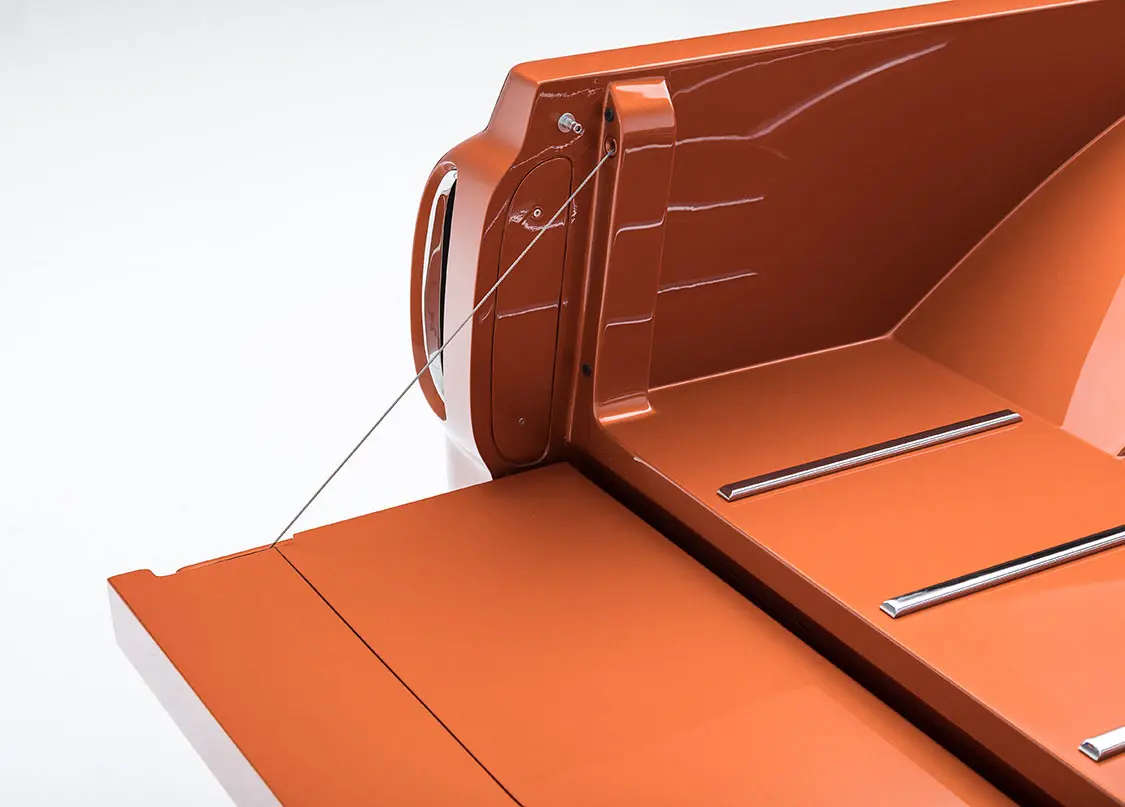
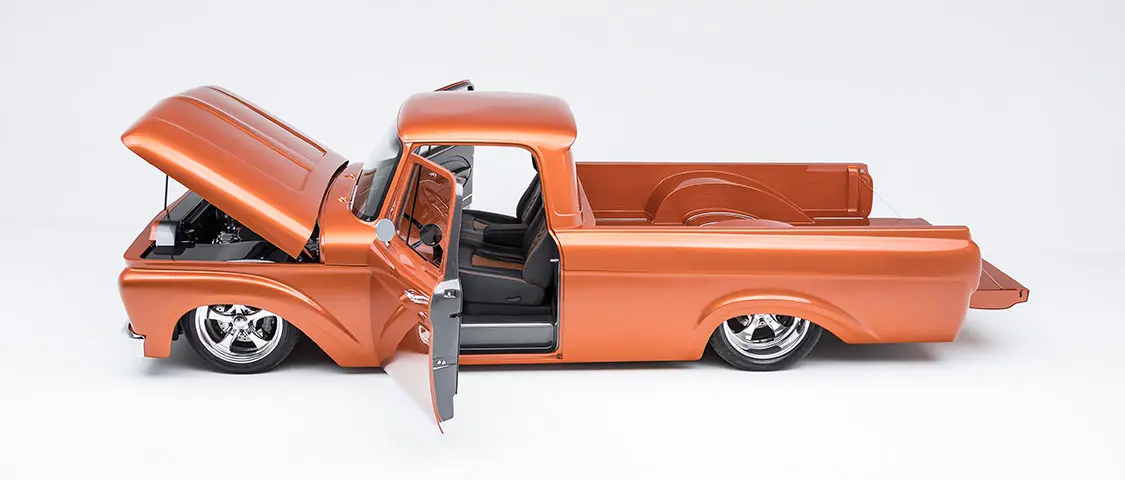
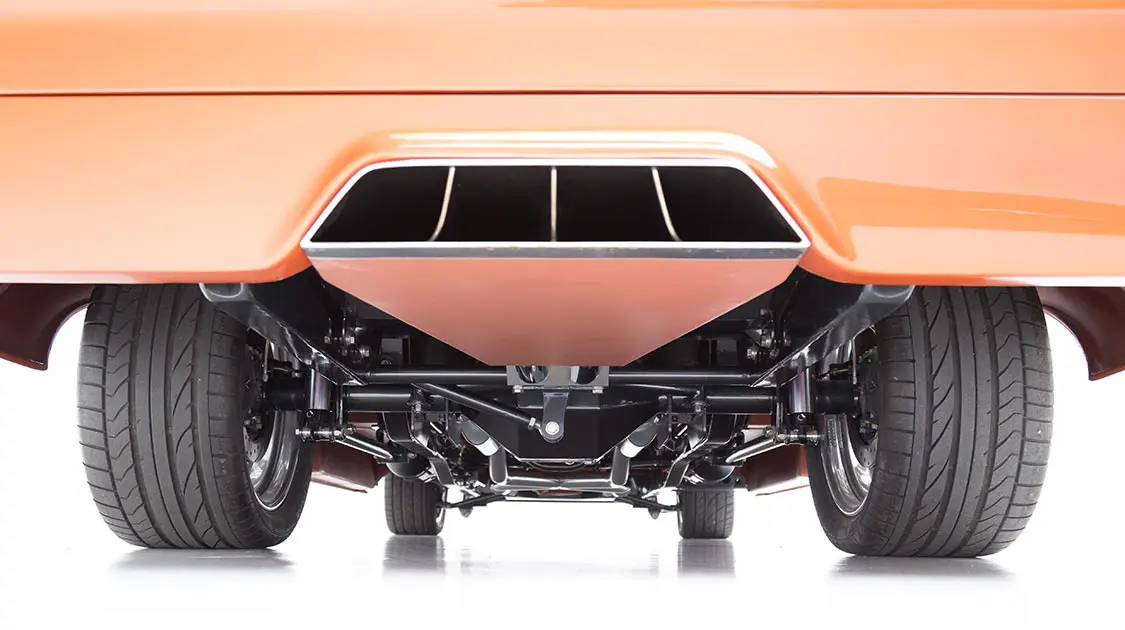
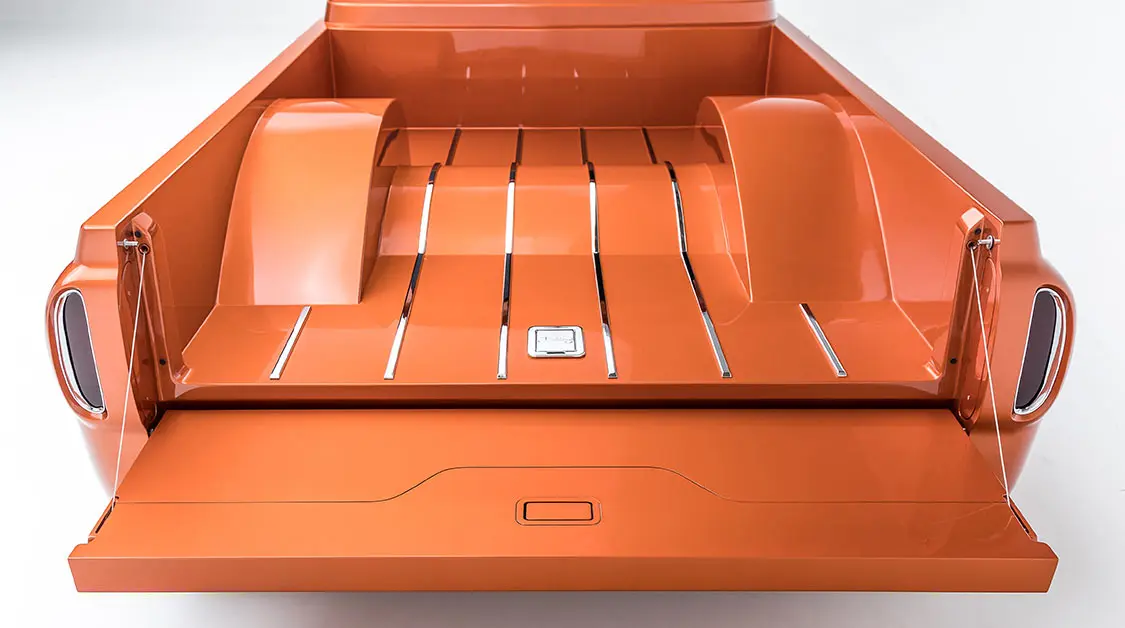
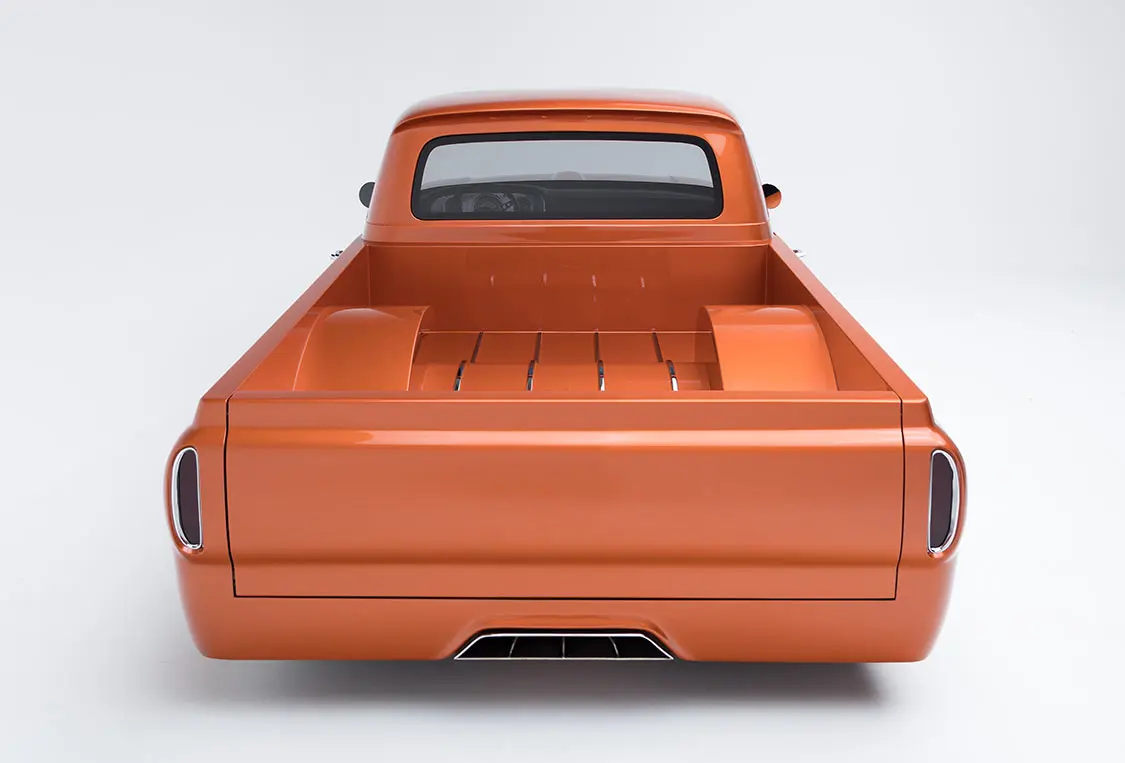
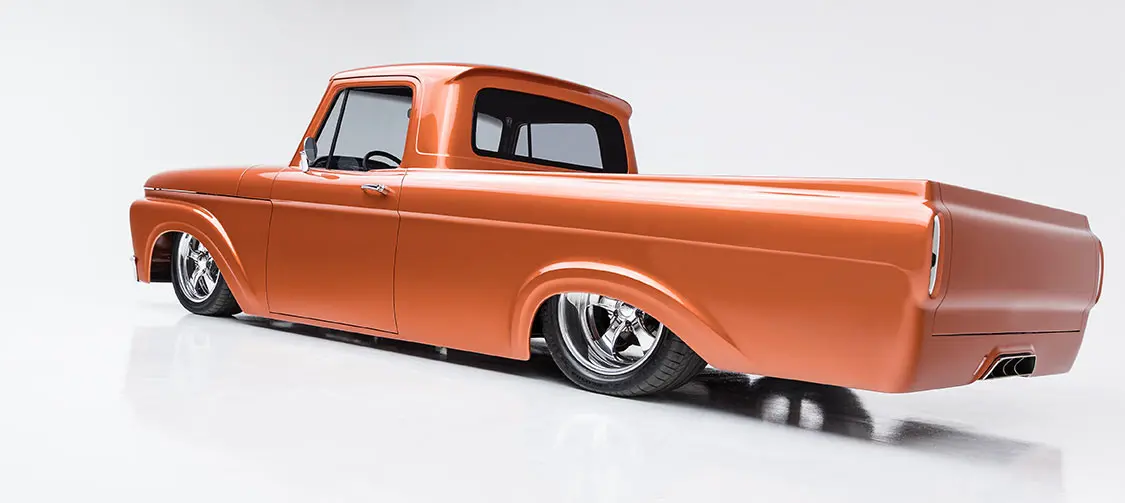
“The grille and bumpers are stock,” Mark says. “But we updated the wheelwells with custom tubs and crossovers, stretched the cab 3 inches, shortened the bed by 6 inches, and added shaved custom drip rails, a custom tailgate, bed strips, flush-mount glass front and rear, and welded body seams.”
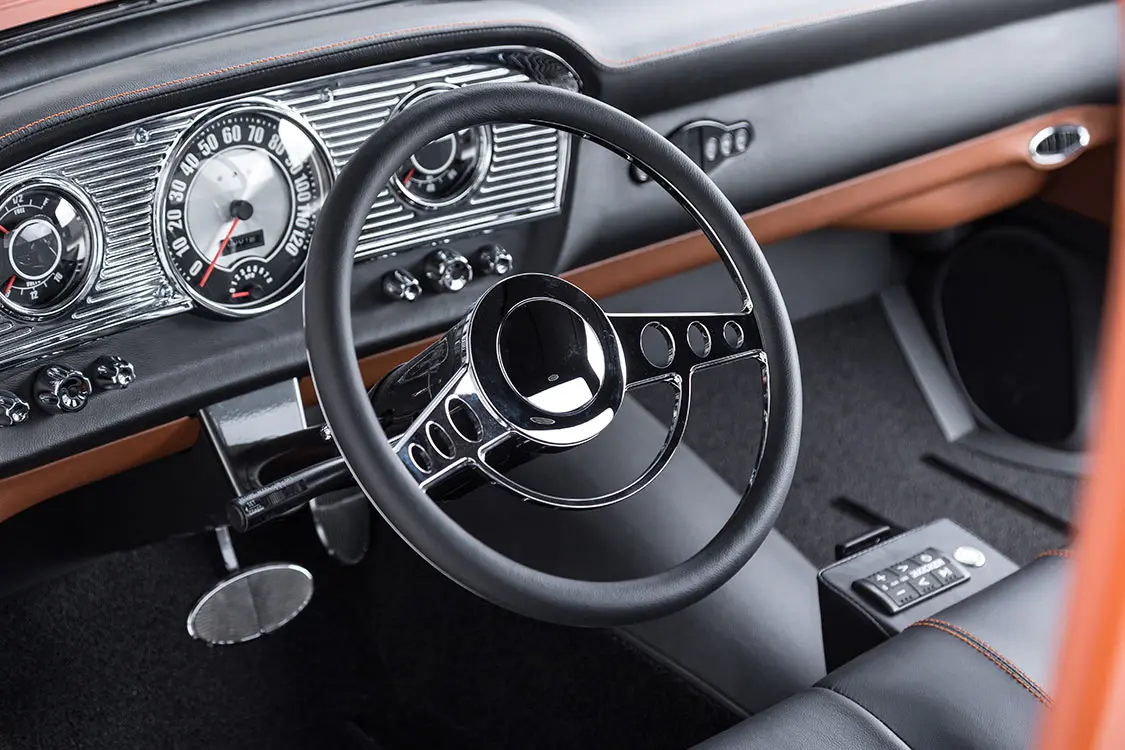
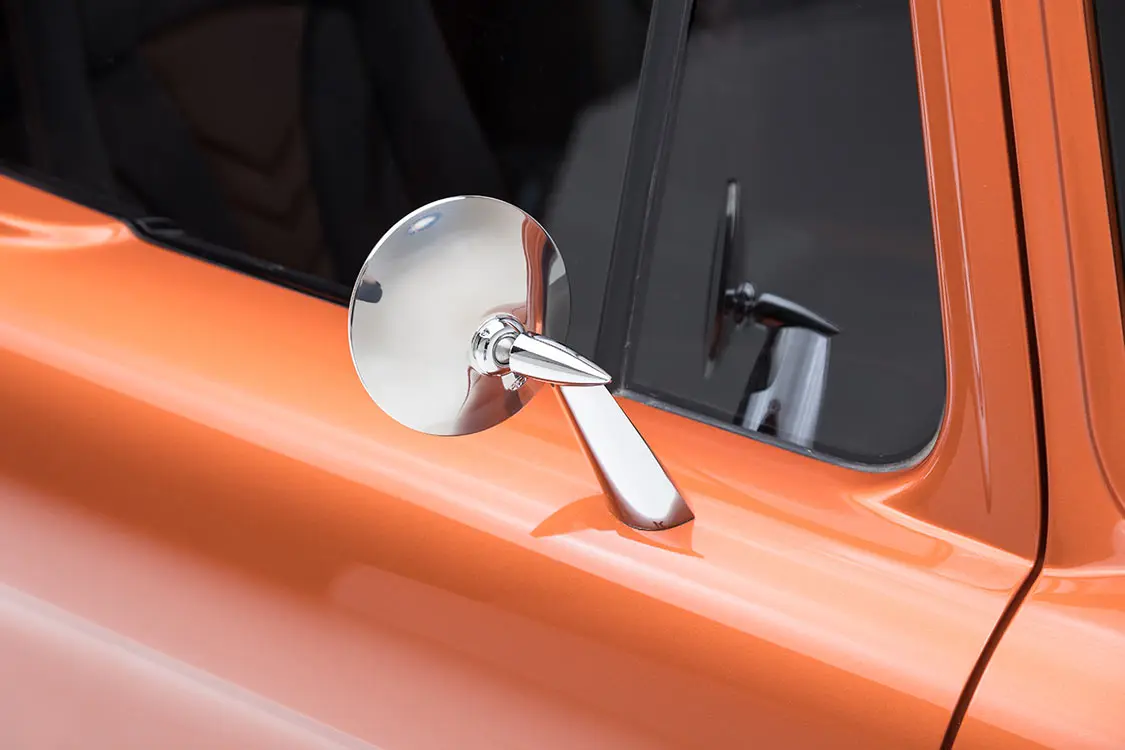
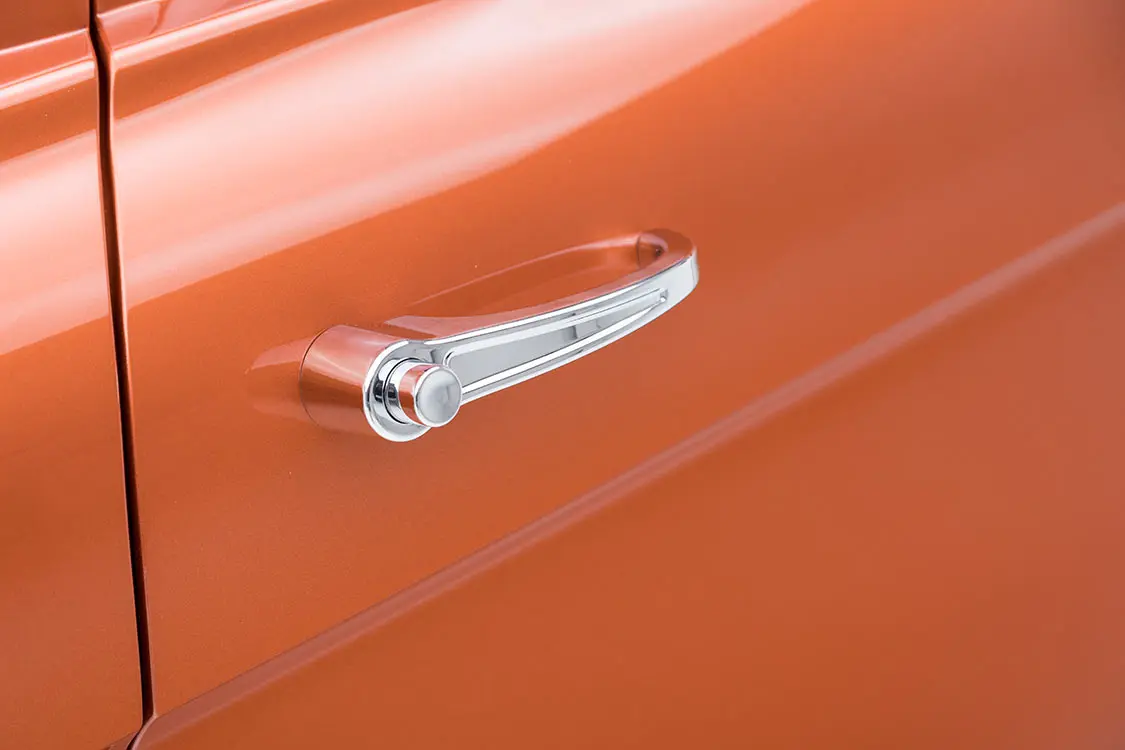
They also chose a custom Burnt Orange paint from PPG. But the lines on those wheelwells are downright sexy, right? Well, Betsy gets even more gorgeous inside the cab.
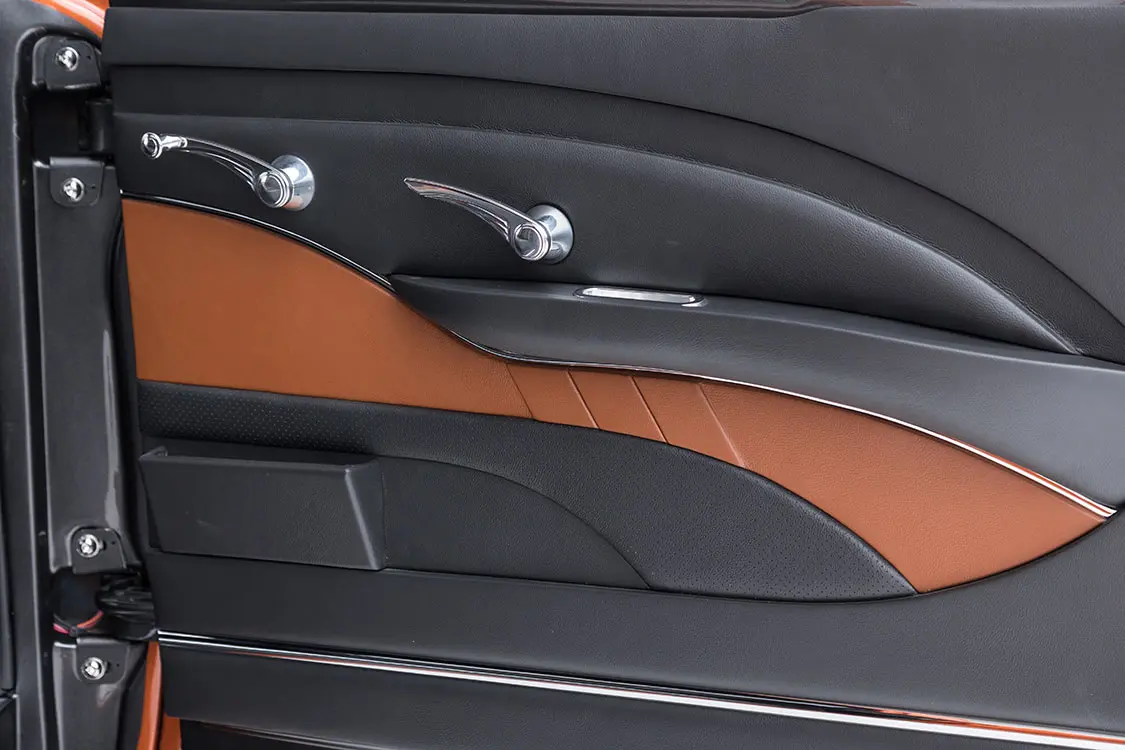
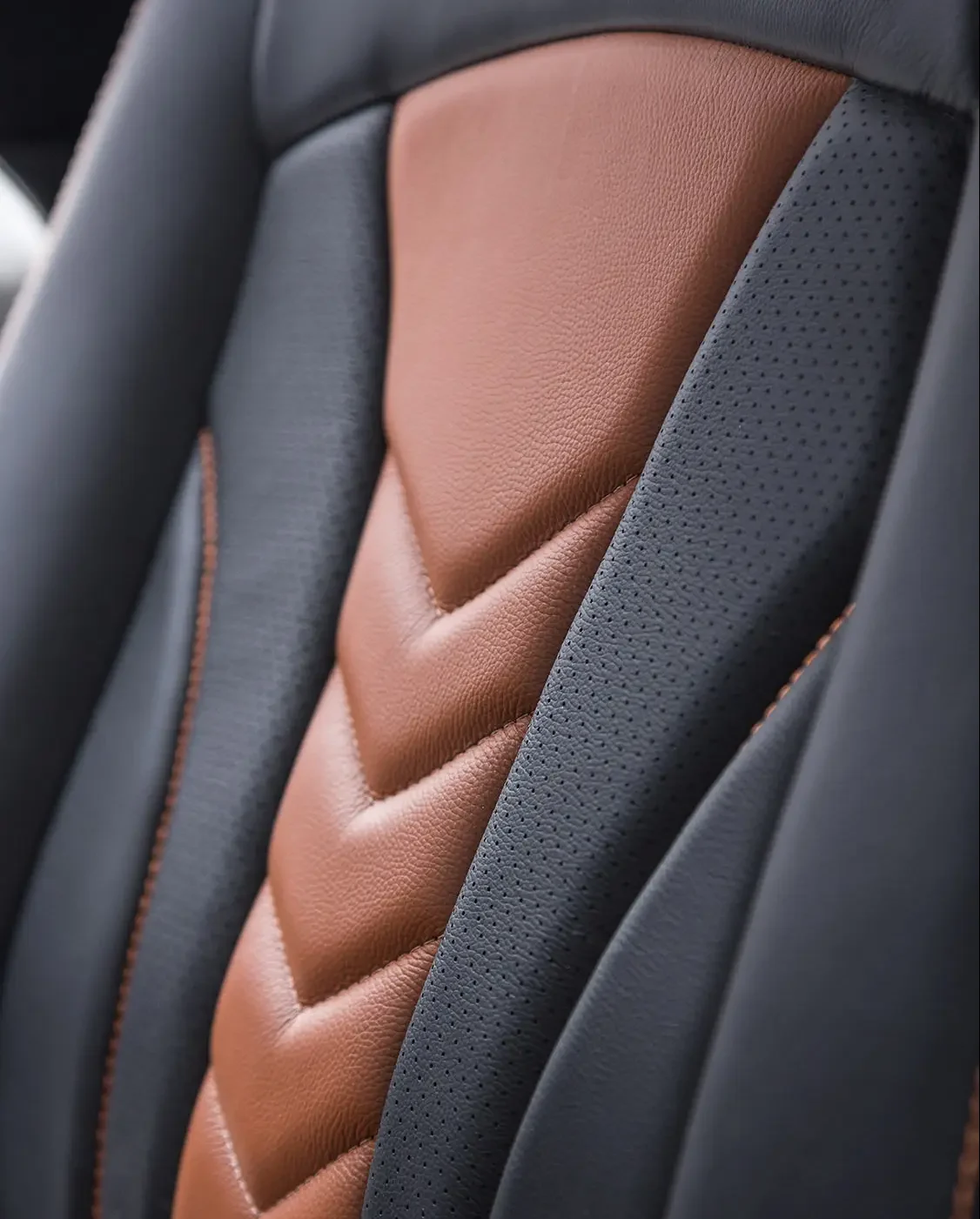
Ron Mangus of Yucaipa, California, worked his magic on the interior. He added Glide seats ensconced in luscious black and brown leather. All his design’s stitching matches the smooth body lines on the truck; in fact, the headliner matches the hood’s imprint!
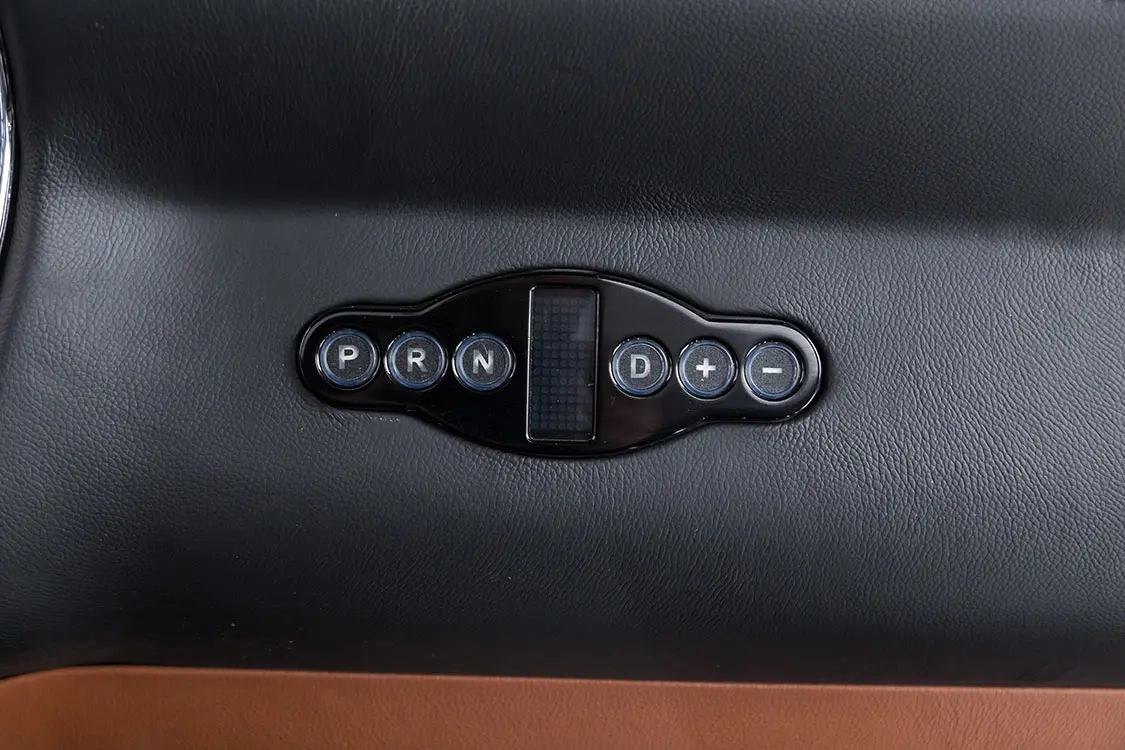
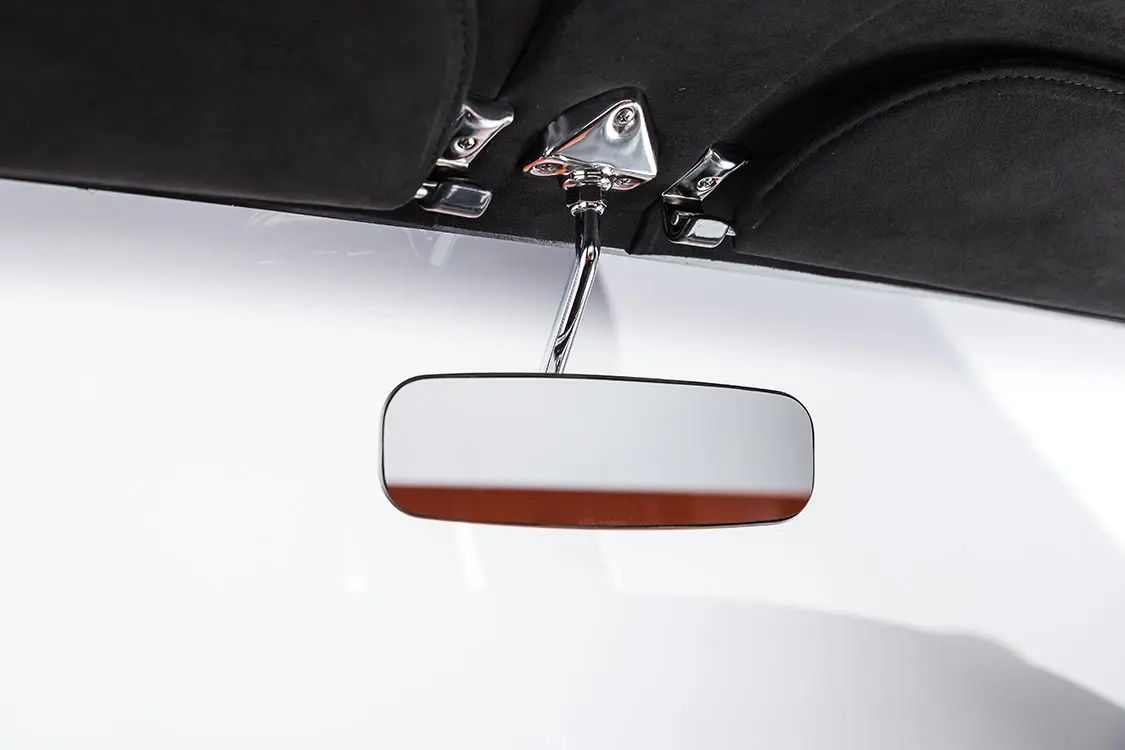
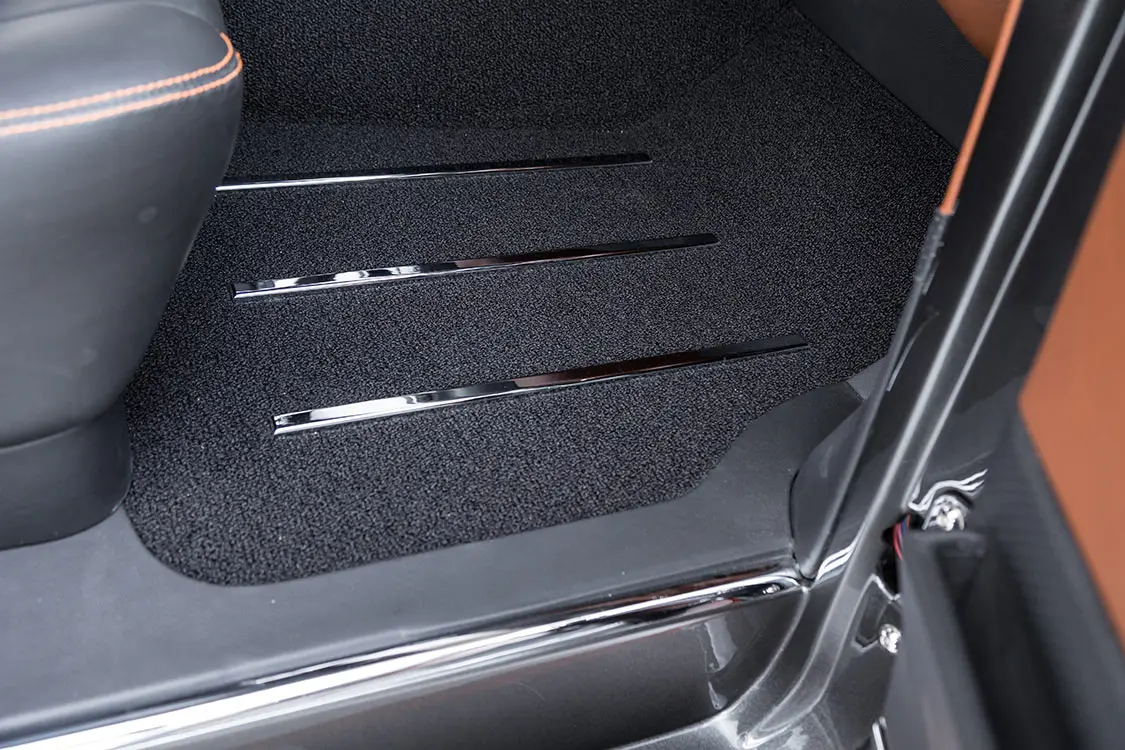
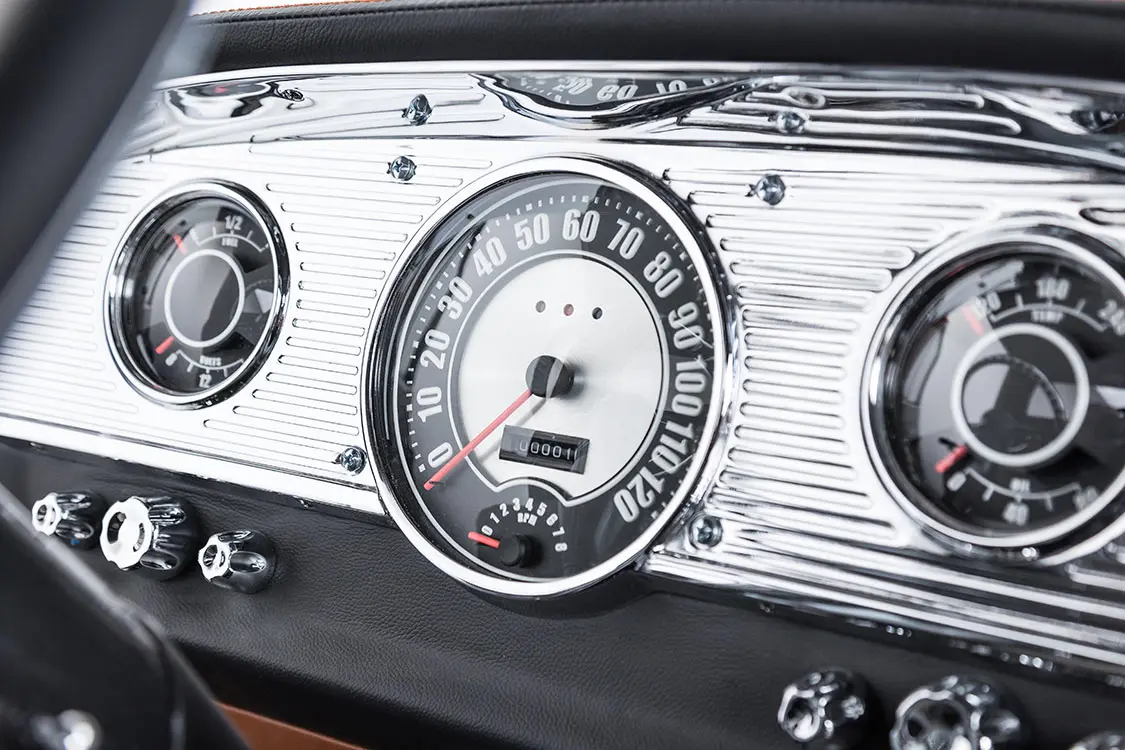
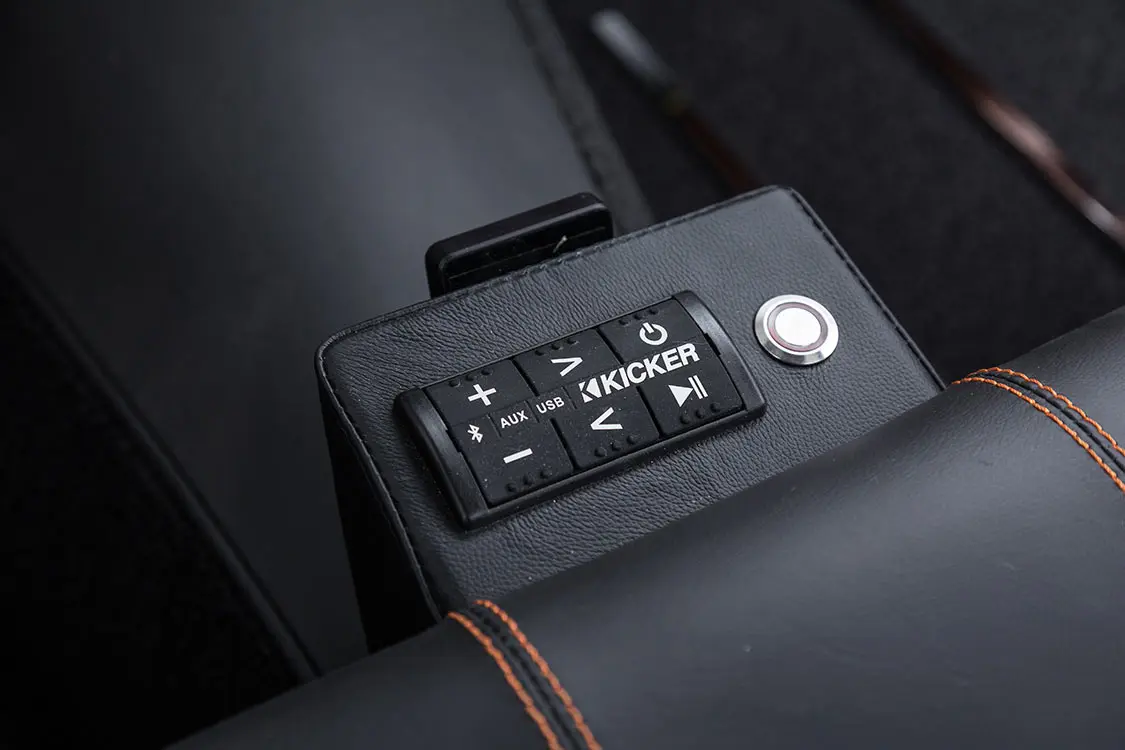
“Betsy has Classic Instruments gauges to match the factory look, a Billet Specialties steering wheel and a Kicker stereo,” Mark says. “She also has A/C custom control knobs, chrome strips that match ones in the bed, and fuses and wiring that are all hidden behind a custom panel in the back.”
It’s been seven long years of work (and a six-figure monetary investment), but Mark is finally done transforming Betsy from a field find to a farm truck to a showstopping stunner.
“My truck is amazing,” he says. “I love it.”
He has taken her to several events, including the Boise Roadster Show, Spokane Speed & Custom show, and several Goodguys events. In 2022, keep an eye out for Betsy at shows across the country.
“After several setbacks, changes and modifications Betsy is now complete,” he says. “So here she is in all her glory, never to haul firewood again. I hope you enjoy her as much as I do.”
We do, Mark. Oh, yes, we do.
Q: Easiest part of build?
A: Getting started.
Q: Problems encountered?
A: Several! In a full custom build, everything is one-off, so you will have issues to resolve. But it can be done with patience and time.
Q: How did you resolve the problems?
A: Time and money.
Q: Any shortcuts discovered?
A: Make mockups and templates.
Q: Any advice?
A: Seek out the right builder and research your parts.
Q: What’d you learn?
A: It takes three times longer than you think.
OWNERS
Mark and Diane Bell
“Betsy”
1962 Ford F-100 Unibody
Oakley, Idaho
ENGINE
EXTERIOR
DRIVETRAIN
CHASSIS
PAINT AND POWDERCOATING
INTERIOR
Longtime friends Ben McCloy and Scott Satterla didn’t intend to open a hot-rod shop, it just sort of happened after they built their 1928 Hudson Woodie. Their work on this car drew so many requests for similar work, they quit their day jobs and opened Jack Dick Customs in Martinez, California, one year ago and have been busy ever since.
McCloy had always admired the looks of the 1928–1929 Ford Tudor sedans, so when a rusted hulk of a Hudson sedan body showed up on Craigslist for $500, McCloy jumped on the project. Neither McCloy nor Satterla had shop space at the time so the freshly purchased bare body sat in Satterla’s driveway while McCloy sought to purchase a frame, doors, roof and any hardware for the orphan Hudson. The parts they needed turned out to be more than a little elusive so they set about building their own.
They laid the frame on the driveway using 2 x 3 box steel and measured other hot rods and customs to get the proportions right. A small-block Chevy motor and 400 trans were mocked up and the body fitted after being shortened 9 in. McCloy had always liked the looks of Satterla’s 1948 Chevy Woodie, so when it came time to make the missing doors, McCloy made them from wood and the Woodie project took off. Wooden quarter panels followed and with no overall theme for the Hudson in mind, McCloy and Satterla started adding whatever was lying around Satterla’s garage, what they could find at swap meets and what looked cool at the local home improvement stores.
The woodwork fell mostly to Satterla while McCloy scrounged for hardware. Flat pieces of mahogany, oak and zebrawood were cut to size and screwed onto the Hudson body.
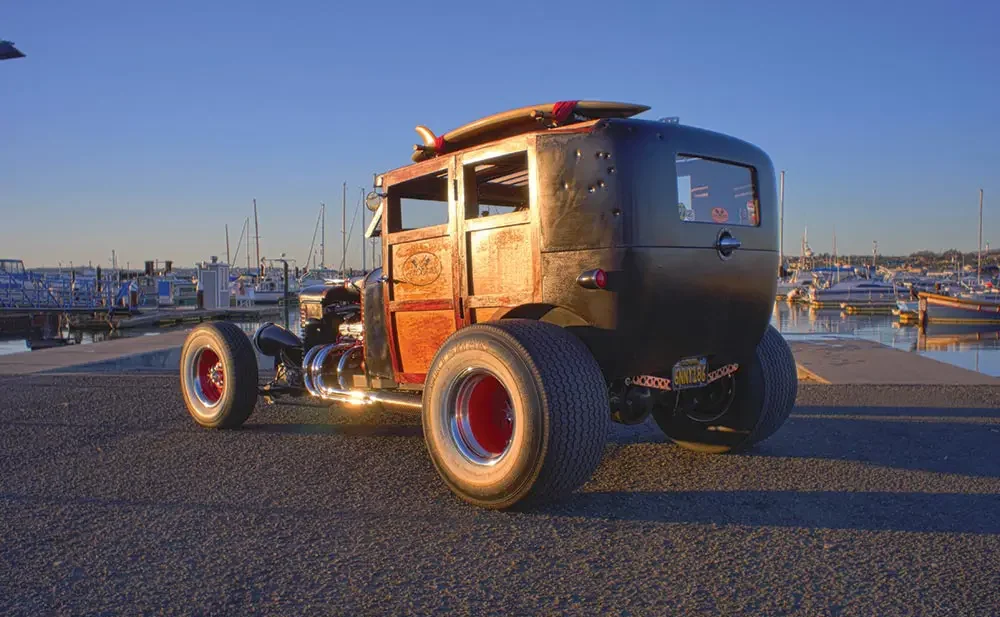
Soaking planks in Satterla’s hot tub over night, bending them into place and screwing them down made the curved pieces. McCloy and Satterla had planned to cover the factory opening in the sedan’s roof with the traditional fabric, however, once the wood spars were in place they looked so good it would have been a shame to cover them up. So the Hudson Woodie became an open car. With no roof rack to hold an old surf board McCloy had in his closet since high school, McCloy used the skeg off a Maharaja water ski to give the Woodie’s roof a “surfboard” look. Later McCloy covered his 1980’s vintage pink surfboard with some wood-grain contact paper and fashioned a roof rack out of banister railing holders and shovel handles from the home improvement store.
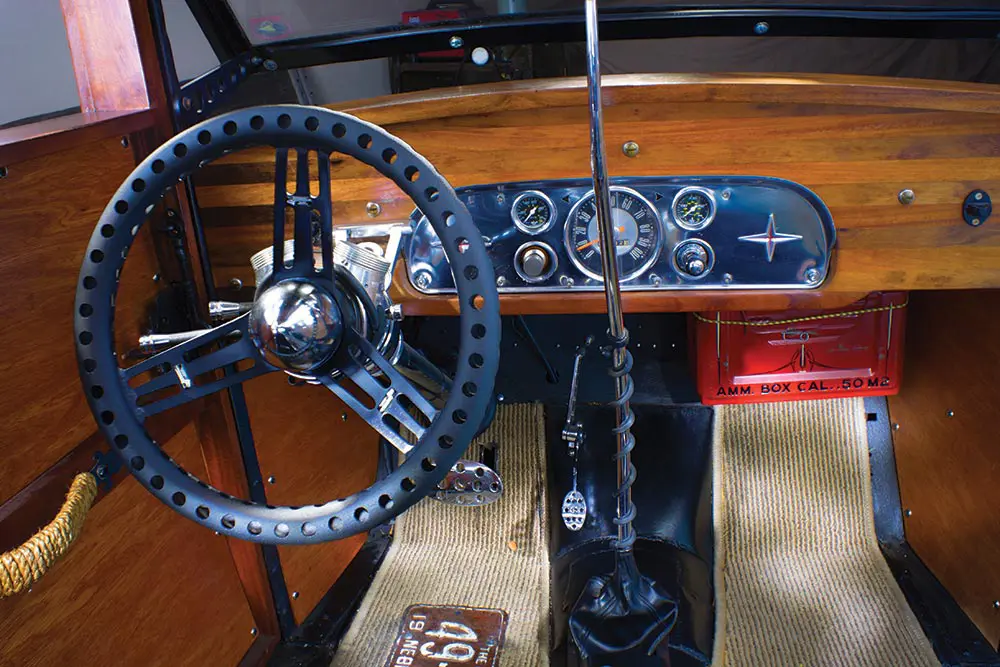
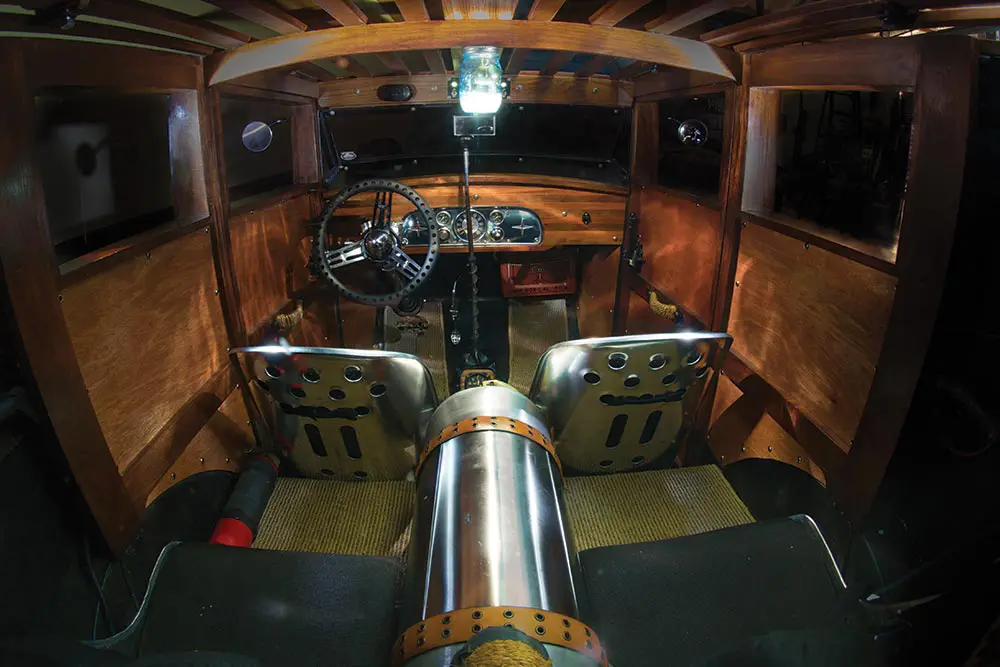
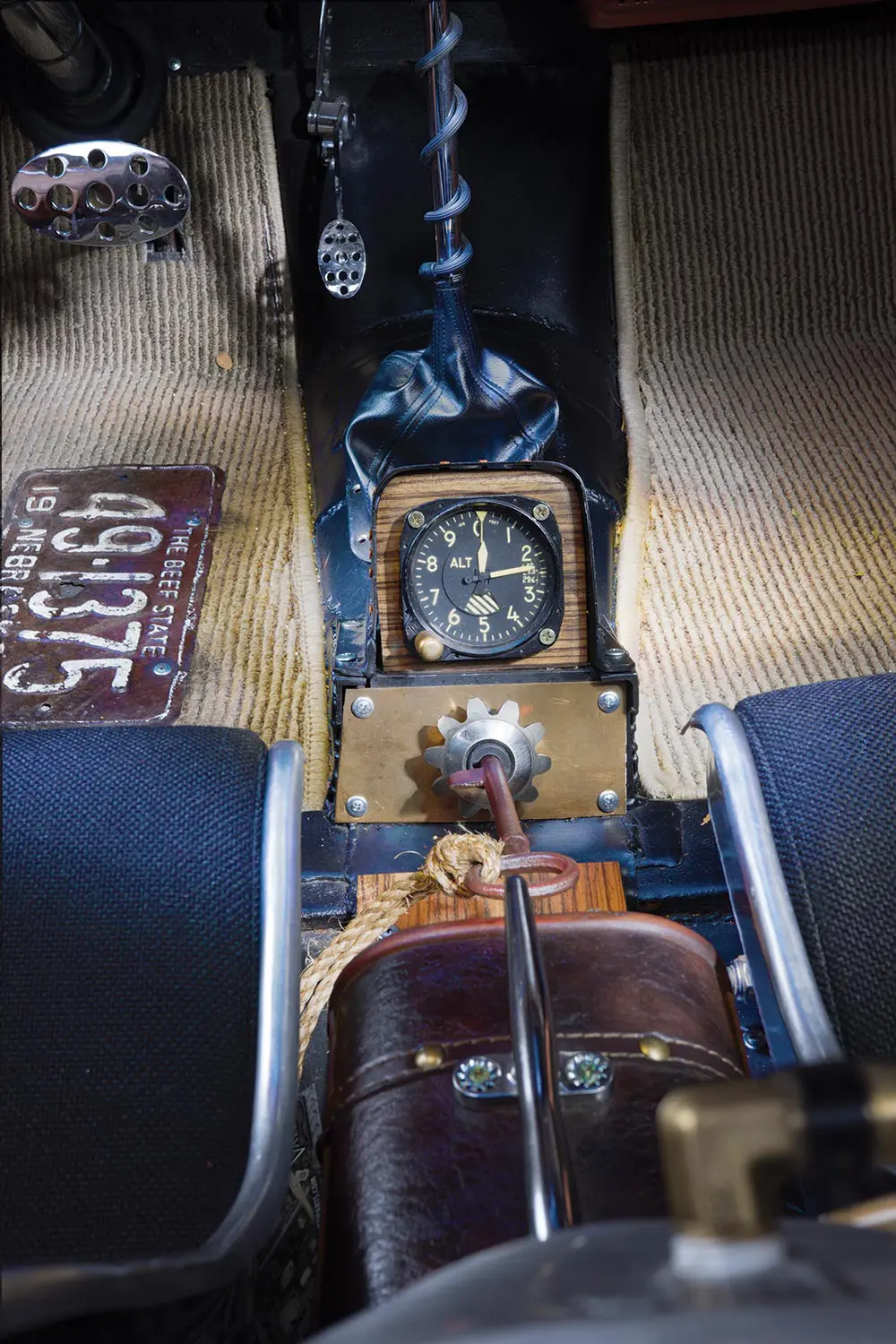
Once the wood was placed, the Hudson started to look like a rumrunner boat and a moonshiner hot rod combined so a Mason jar dome light, whiskey-still coiled copper tubing and the “XXX” radiator overflow bottle were all added. Still using whatever they had on hand, mid-1920’s Ford door latches were used on the outside. The local home improvement store sourced the drawer pulls for inside door handles and the gate latches that ensure the suicide hinged doors stay shut at freeway speeds. A gauge panel from a 1957–1960 Ford truck from Pick-n-Pull found its home in the dash while a working altimeter donated by Satterla’s father was fitted to the floor to round out the instrumentation.
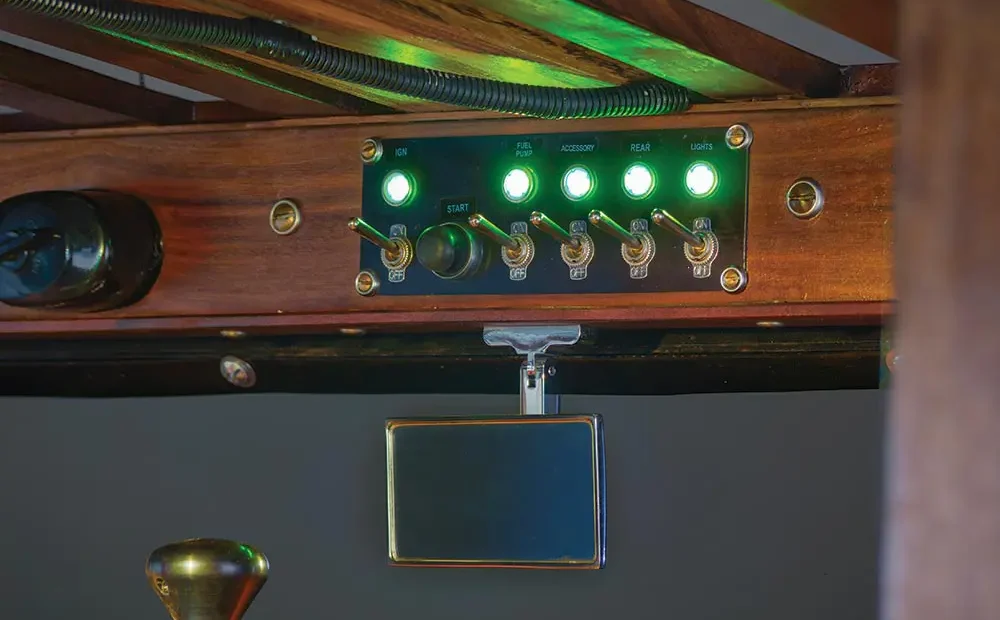
In keeping with the newfound aviation influence, the switch panel was located over the windshield and given a vintage airplane look. With this aesthetic twist in mind, four bomber seats were sourced and placed on top of the home improvement store hall runner carpeting. The license plate in the floor is a cover for the brake master cylinder bolted to the frame below the body. The drilled out steering wheel resembles vintage aircraft controls and is fitted with a swap meet horn button. The glovebox is a little chest from a craft store with a boat tie-off cleat as a handle. A skeleton key found at a swap meet was ground down to fit a battery disconnect switch and serves as the ignition key. With little room left, fitting the spun aluminum gas tank was a chore. “I tried about seven different ways to fit it in there,” says McCloy, “before it found its home in the center of the two rows of seats.” The ammo box under the dash is a tool chest that holds all the tools needed for roadside repairs. “We built the car using as few sizes and types of nuts, bolts and screws as possible so our emergency tool kit would be small,” McCloy says.
With the interior outfitted, McCloy and Satterla turned their attention to the mechanical aspects of the Hudson. Summit Racing supplied the 380-hp 4-bolt main 350 engine and TH400 automatic transmission. Dressing up the Chevy small-block are an Edelbrock intake, Demon 650 carb, Mr. Gasket air cleaner/scoop and Cal Custom valve covers. A 1968 Bronco donated its 9-in. posi 3.73 rear end, which sits on a custom coil spring/trailing arm set up similar to a 1960s Chevy truck. Mickey Thompson Sportsman 33 x 19½ tires with vulcanized porta-walls ride on painted Weld wheels out back while reversed Weld drag wheels with 235 x 75-15 tires ride on the Ford Model A 6-in.-drop-tube axle front end.
He wouldn’t say exactly how much he has invested in the Woodie, but has said he’s been offered many times that amount to sell it, but he won’t because it is such good advertising for the shop.
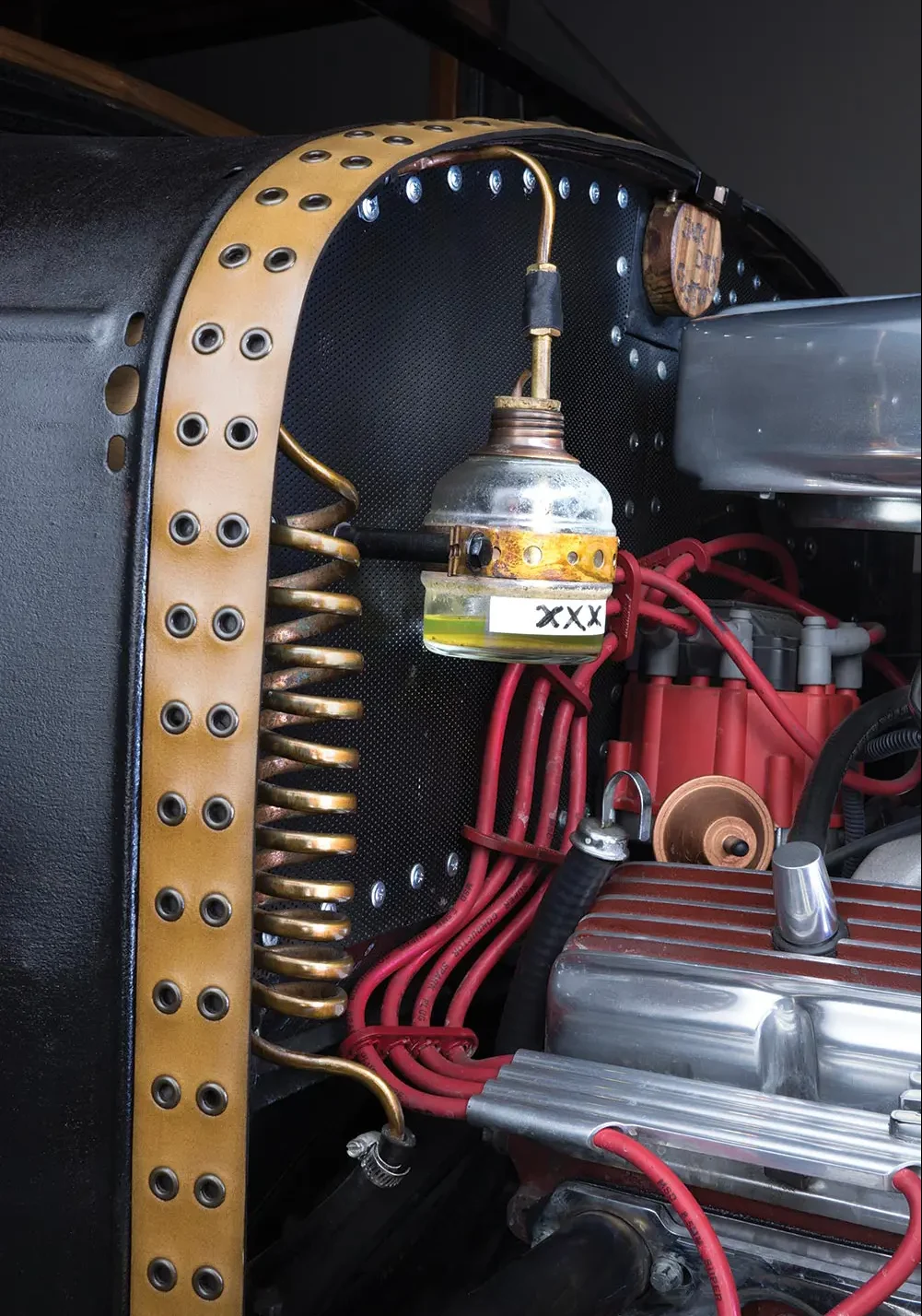
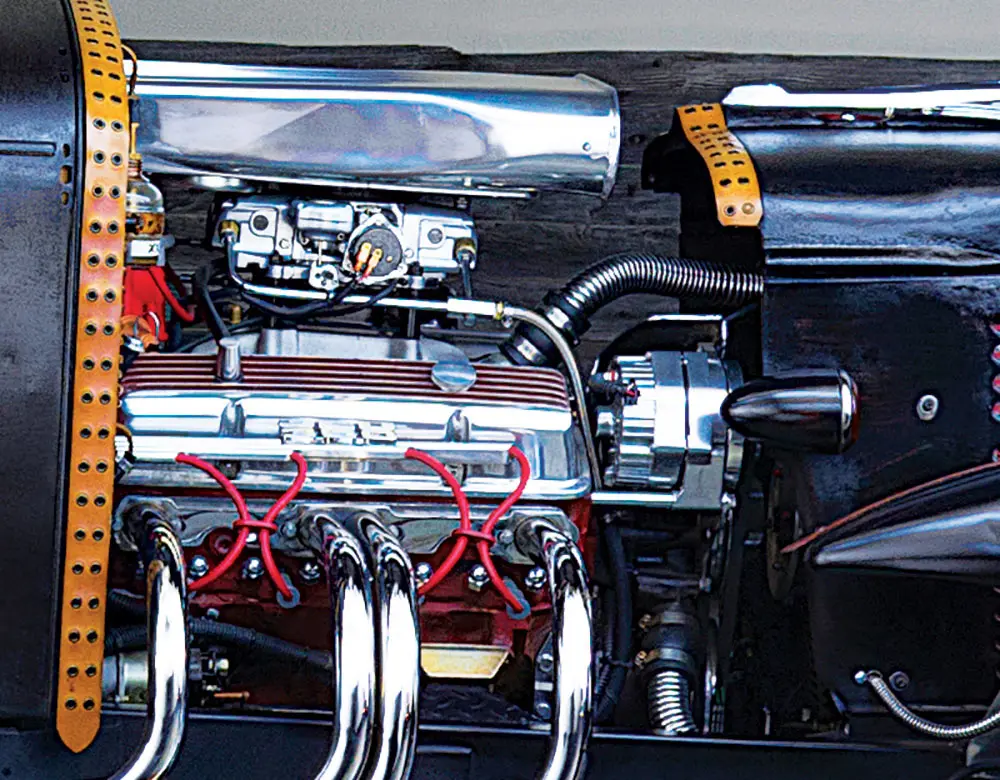
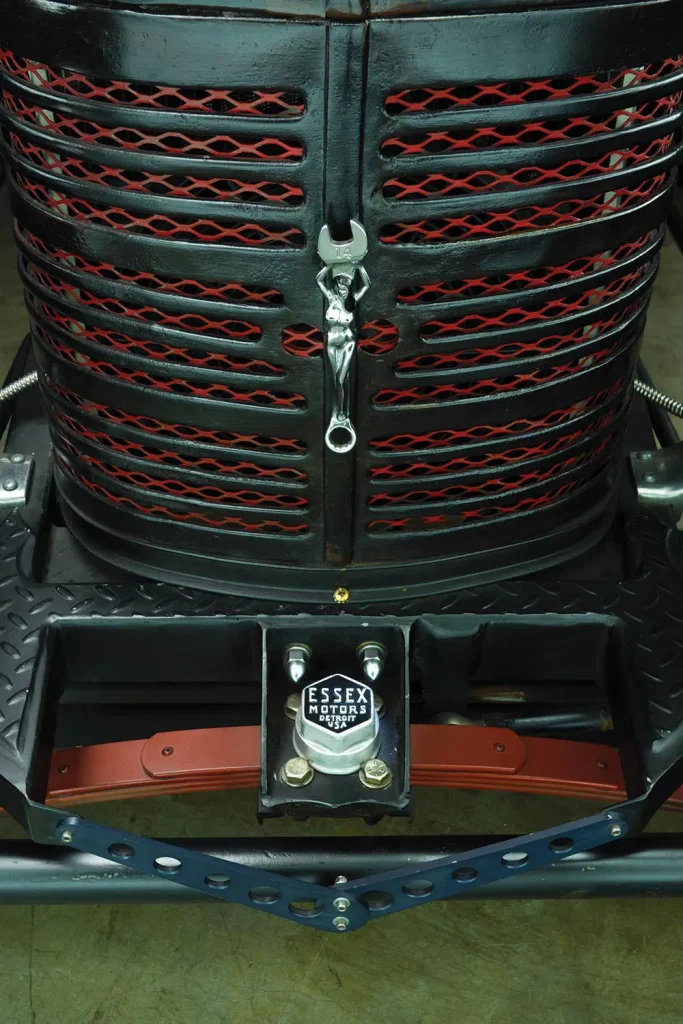
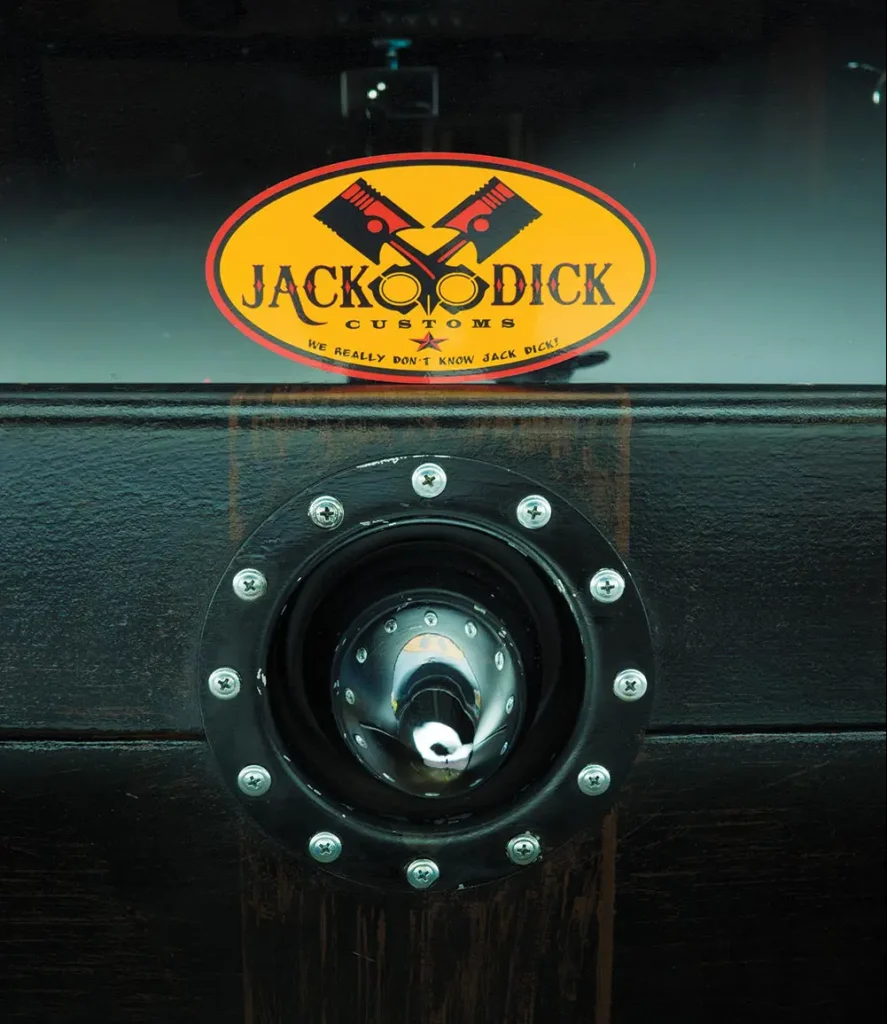
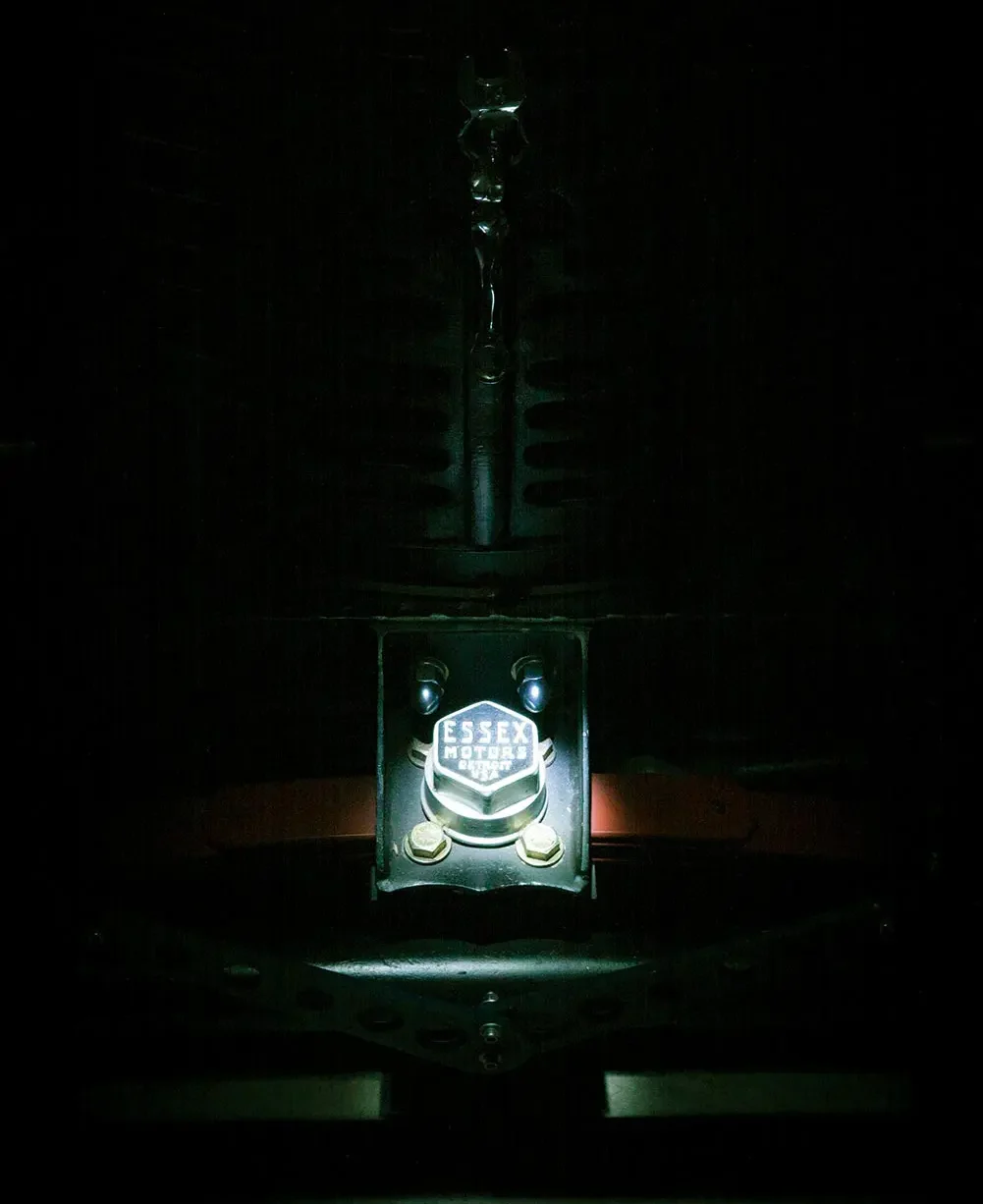
With the powerplant and suspension handled, McCloy and Satterla turned their attention to the exterior look of the Woodie. A Hudson Essex wheel cap bought for $3 at a swap meet tops the front-end spring perch. “I think it needed this, as nothing else on the car said Essex or Hudson,” McCloy says. Capping the front end is an International Harvester tractor radiator shell that was cut down 3 in. to fit. While it was a cheap eBay find, McCloy said it needed lots of attention with a ball-peen hammer and dolly. A “lady wrench” adorns the front of the grille while the hood ornament from McCloy’s 1948 Chevy rests on top. Packard headlight shells sport 1940s Chevy chrome trim and 1932 Ford lenses. Keeping with the what-you-can’t-hide-enhance theory, an over abundance of machine screws highlight the perforated sheet metal covering the many holes in the factory firewall. After a shopping trip to the local clothing store McCloy discovered his new belt would make the perfect accent to frame the engine compartment, so he went back and bought two more and fashioned them into cowl and grille shell welting. A gap between the body and frame at the rear of the sedan is filled with a pair of drilled copper plates. Slightly above, the gas cap was fashioned from a Tri-Five Chevy bumper bullet. Finishing off the rear end are mid-1930s Ford taillights. Rust Reformer applied with a dirty, crusty paintbrush give the metal body parts a slightly wood-grain finish.
Lots of people are interested in it. People feel it’s okay to touch it. Climb on it, touch it, smell it. I like that people get a more visceral connection to the car. Makes it more real.
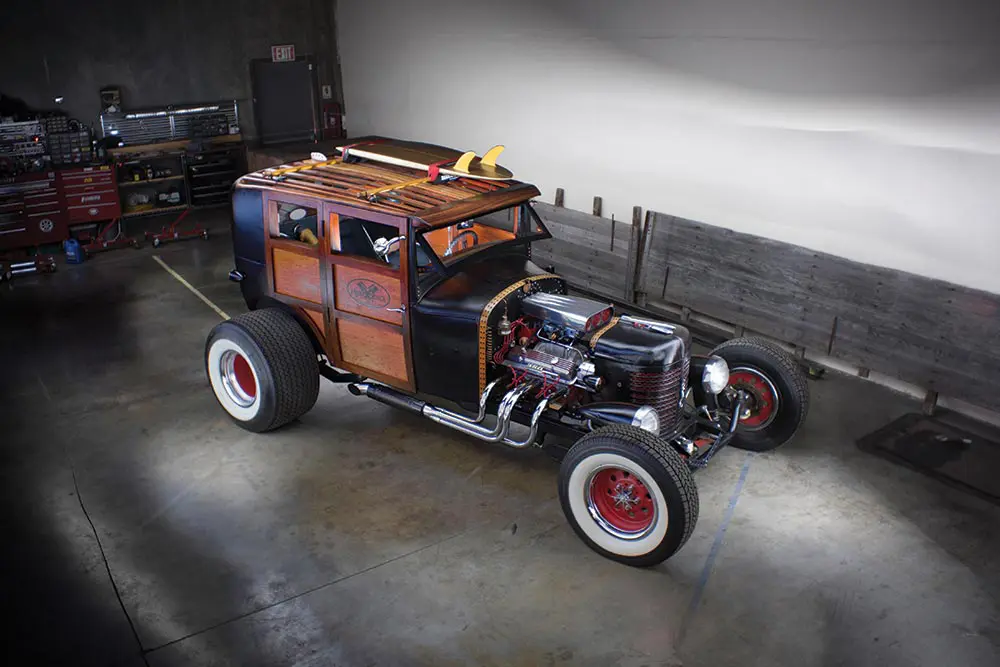
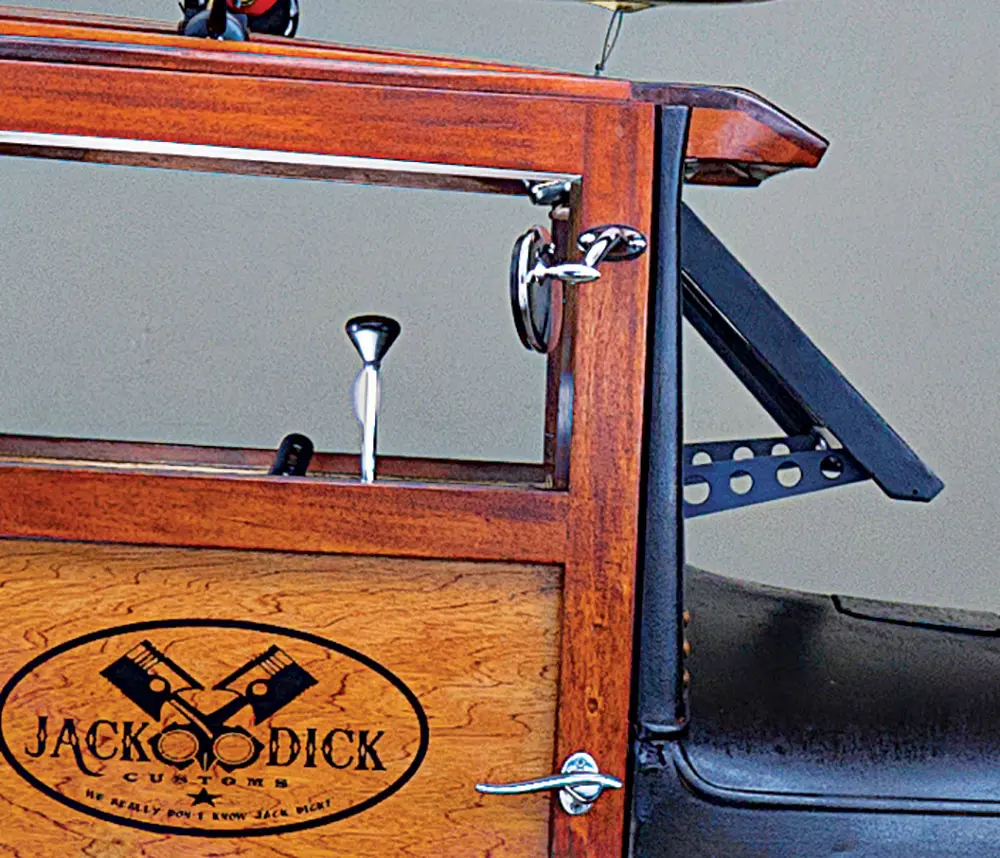
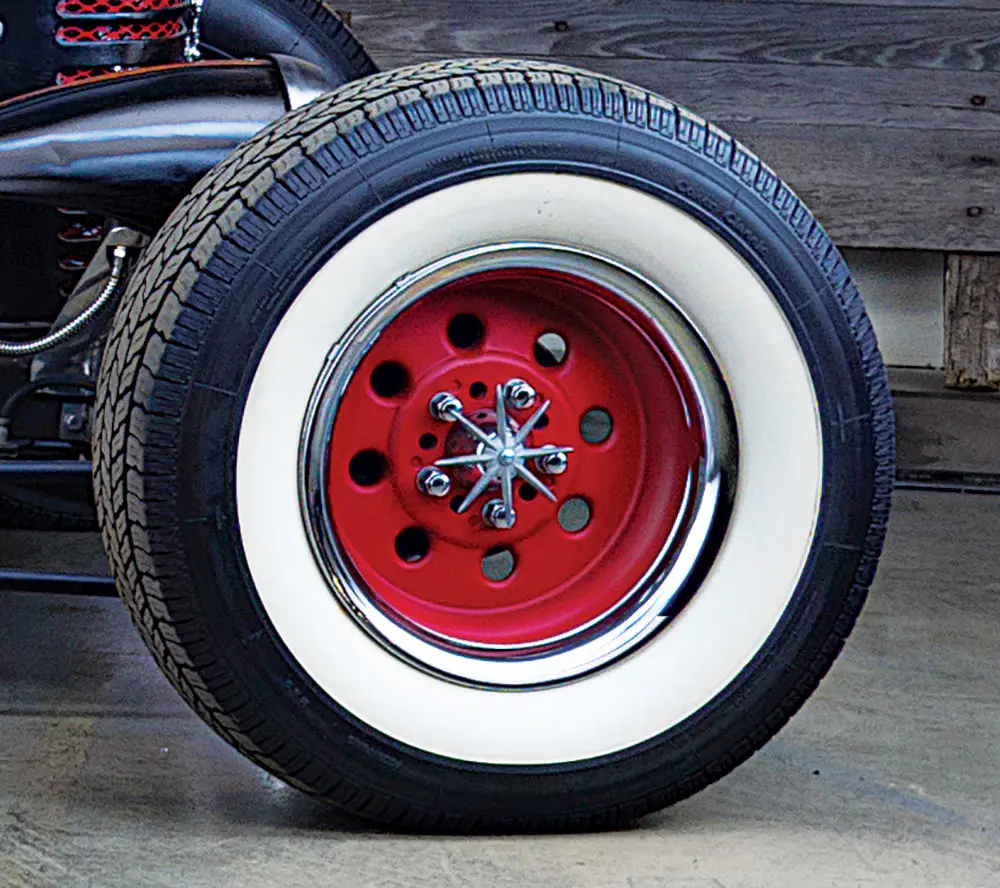
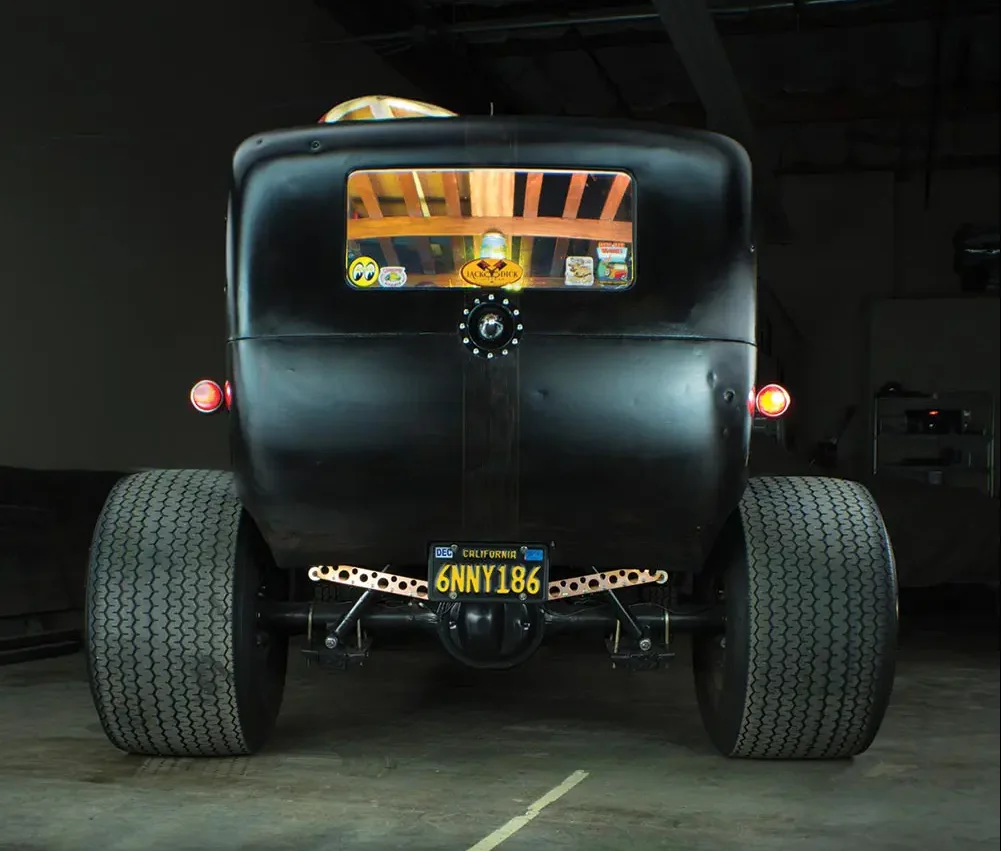
The entire built took three months of labor in Satterla’s driveway. The inaugural run transformed what should have been a 15-minute ride to the local car show into a two- hour ordeal of roadside alignment sessions and adjustments. But once they sorted out the Hudson, it has proved reliable, comfortable and fun to drive even on long road trips. Both McCloy and Satterla enjoy taking their creation to shows such as Woodies on the Wharf in Santa Cruz, California. “Lots of people are interested in it. People feel it’s okay to touch it. Climb on it, touch it, smell it. I like that people get a more visceral connection to the car. Makes it more real,” McCloy says. He wouldn’t say exactly how much he has invested in the Woodie, but has said he’s been offered many times that amount to sell it, but he won’t because it is such good advertising for the shop. So much so that after just one year in business, Jack Dick Customs (https://www.facebook.com/jackdickcustoms) has had to move to a larger shop. Finding this orphan Hudson not was not only the start of a fun project for two longtime friends, but it was also the start of a new and growing business for them both.
Photos by Velocity Modern Classics
As automotive journalists, the team at Street Trucks magazine had the privilege of experiencing firsthand the remarkable craftsmanship and meticulous attention to detail that went into the restoration and modernization of this iconic classic truck. Velocity Modern Classics’ highly anticipated Velocity Signature Series F-100 is set to redefine the boundaries of automotive excellence, seamlessly blending the charm of yesteryear with the power and reliability of the present.
Equipped with a Roadster Shop F-100 chassis and front and rear Fox coilovers, this classic truck glides effortlessly over any terrain, striking the perfect balance between comfort and control.
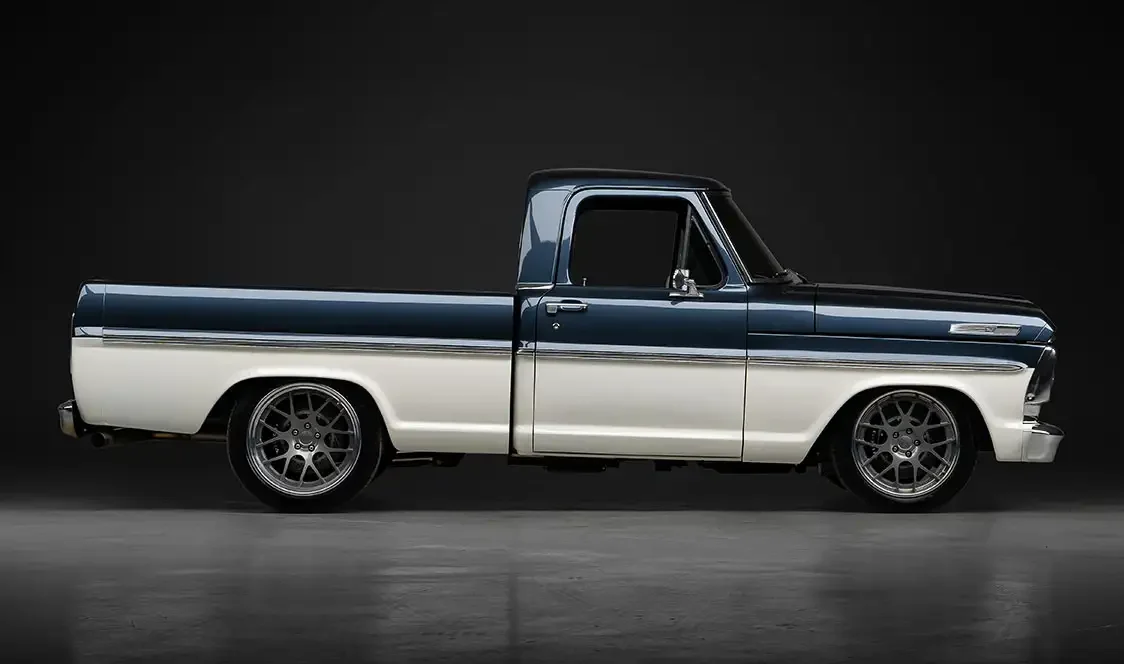
Under the hood, the Velocity F-100 conceals a heart of pure power—a Ford Performance Gen III 5.0L Coyote V-8 engine that produces a staggering 460 horsepower and 420 lb-ft of torque. This commanding powerhouse is skillfully paired with a Ford 10R80 automatic transmission, ensuring smooth shifts and exhilarating acceleration. The proprietary serpentine system by Velocity keeps everything under the hood running smoothly, while the custom-built exhaust system bestows the F-100 with a distinctive and captivating rumble that is bound to turn heads.
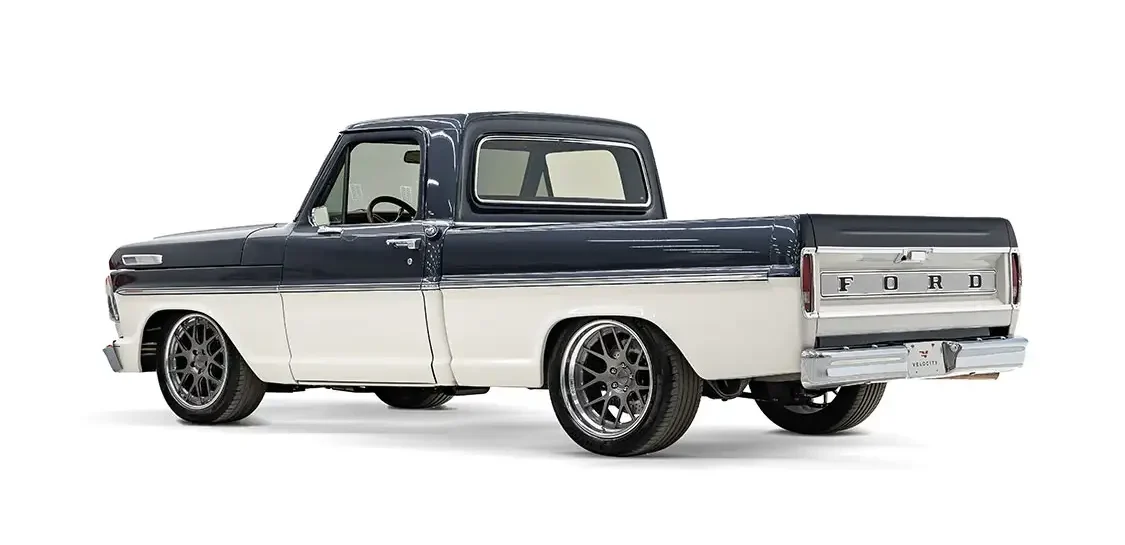
From the moment we took the wheel, it was evident that the Velocity F-100 had been engineered to deliver an exceptional driving experience. Equipped with a Roadster Shop F-100 chassis and front and rear Fox coilovers, this classic truck glides effortlessly over any terrain, striking the perfect balance between comfort and control. The independent front suspension and Ford 9-inch rear axle with a 3.73 gear ratio provide unwavering stability and agility, ensuring that every twist and turn on the road is met with confidence. The Baer four-piston calipers, coupled with 13-inch rotors, deliver responsive and powerful stopping capability, instilling a sense of security behind the wheel.
From the moment we took the wheel, it was evident that the Velocity F-100 had been engineered to deliver an exceptional driving experience.
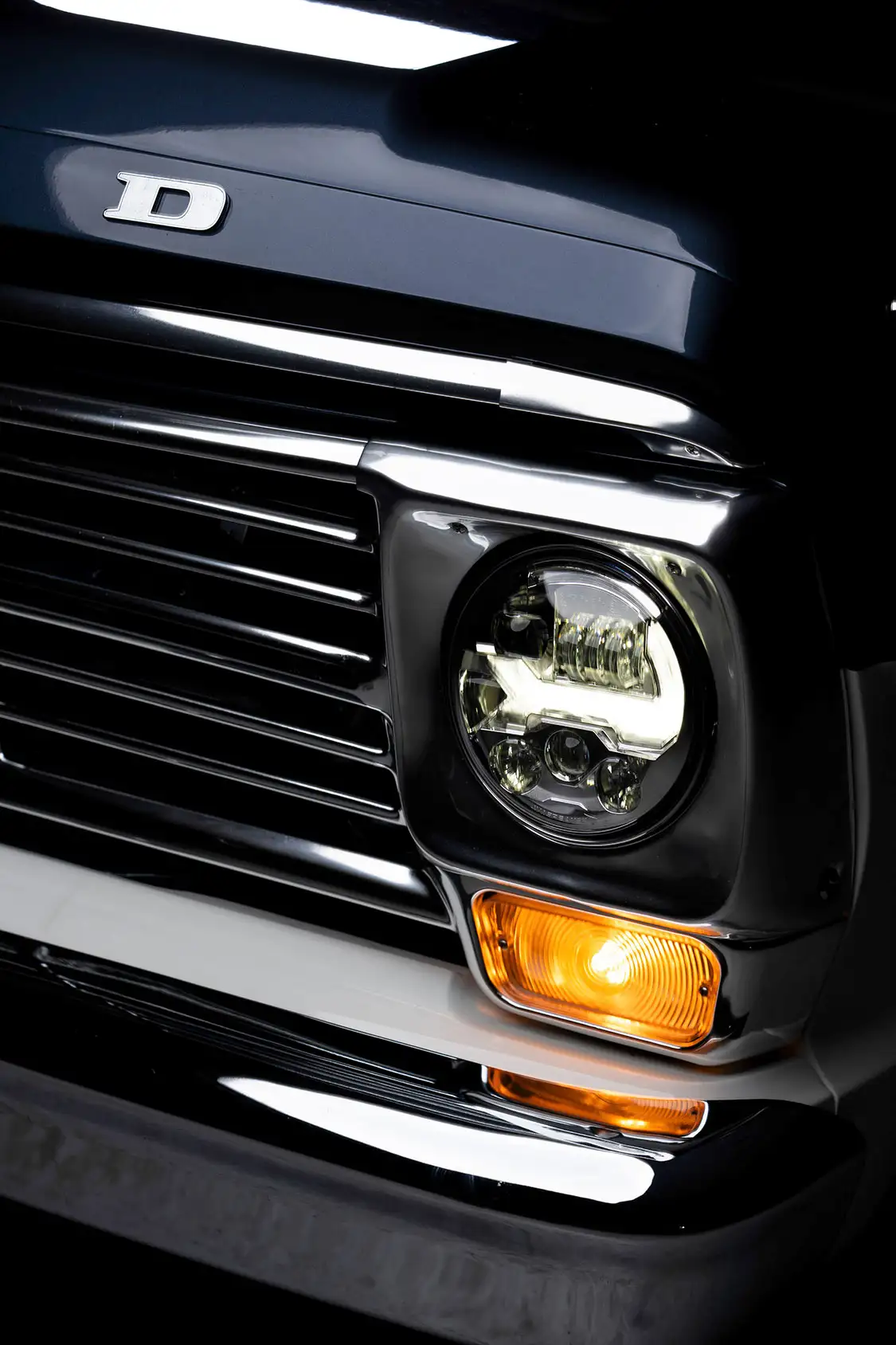
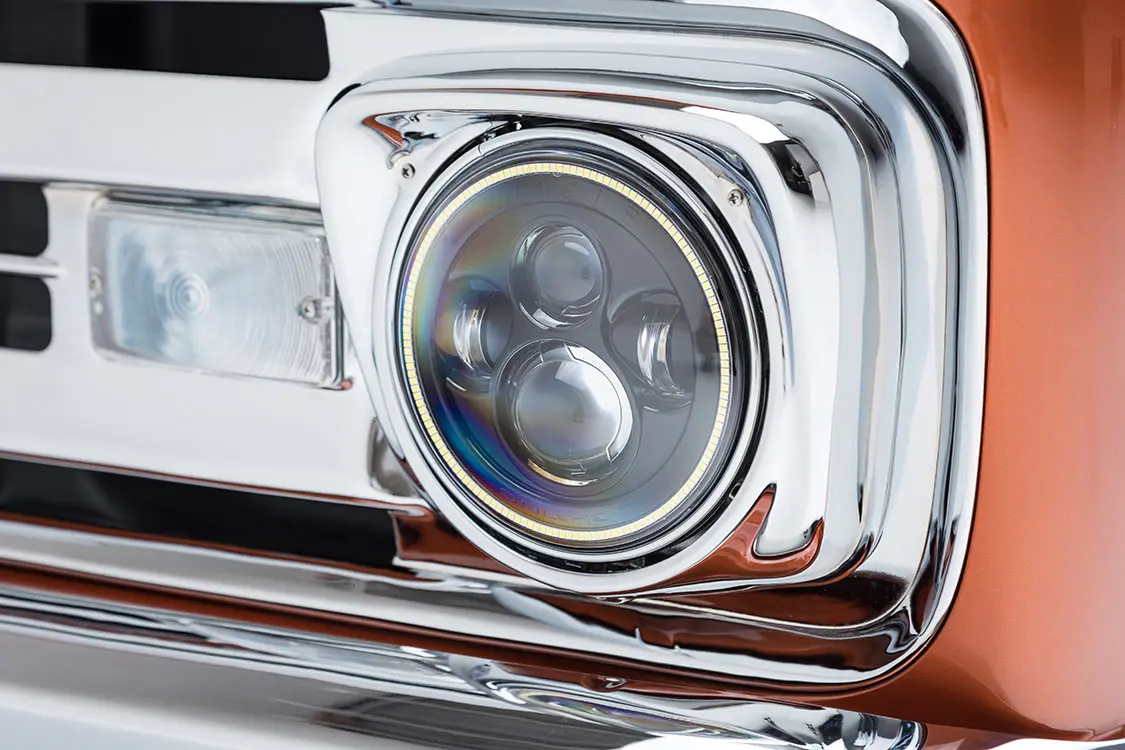
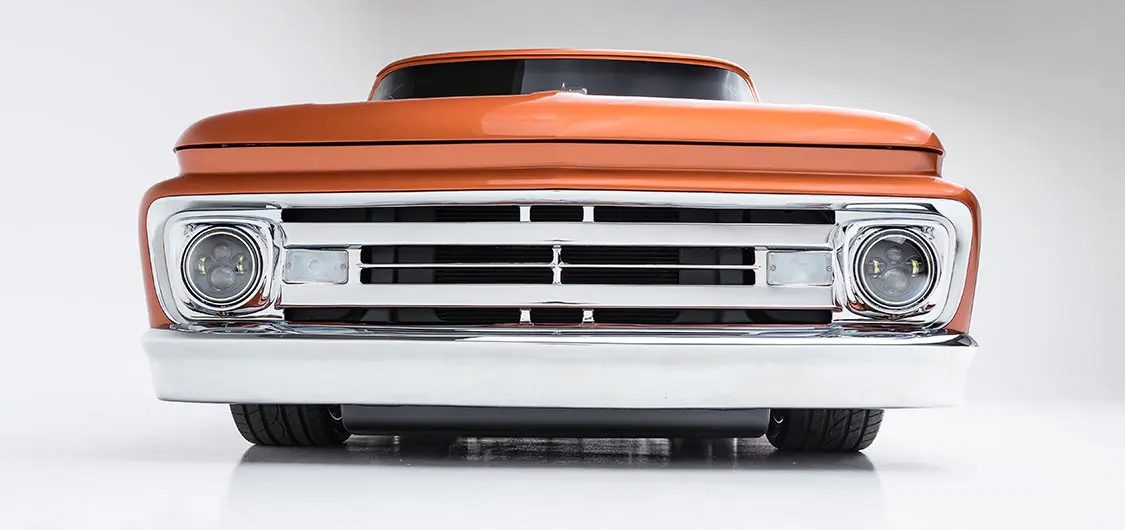
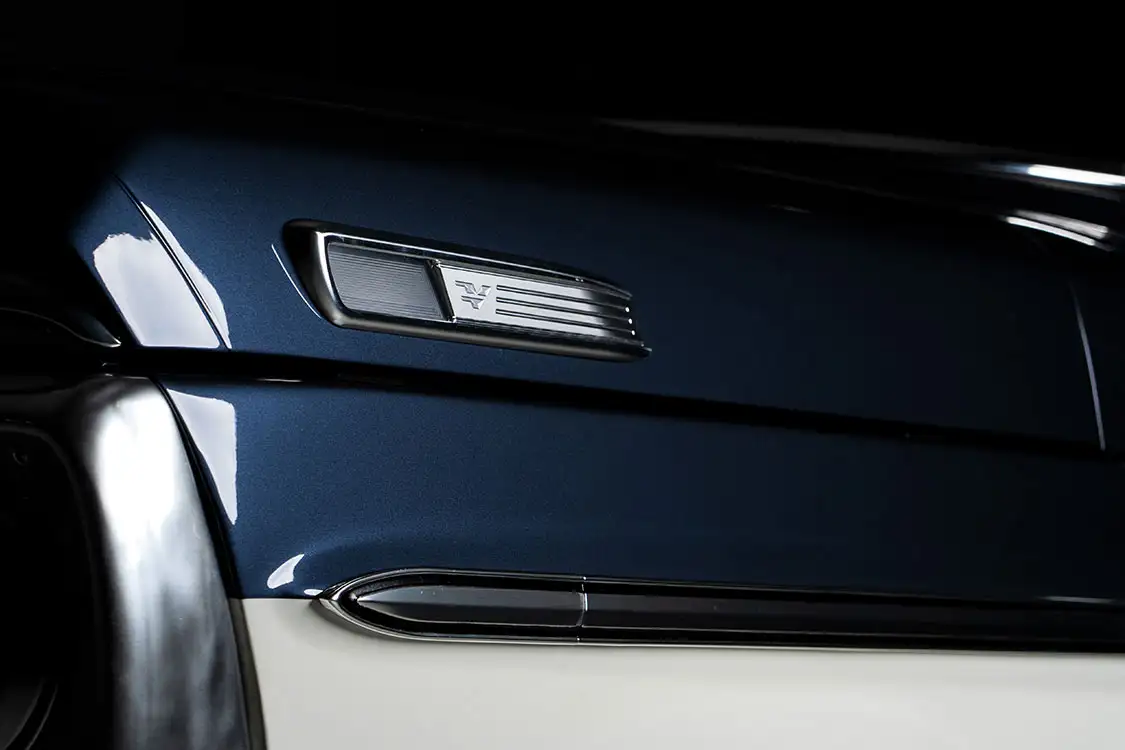
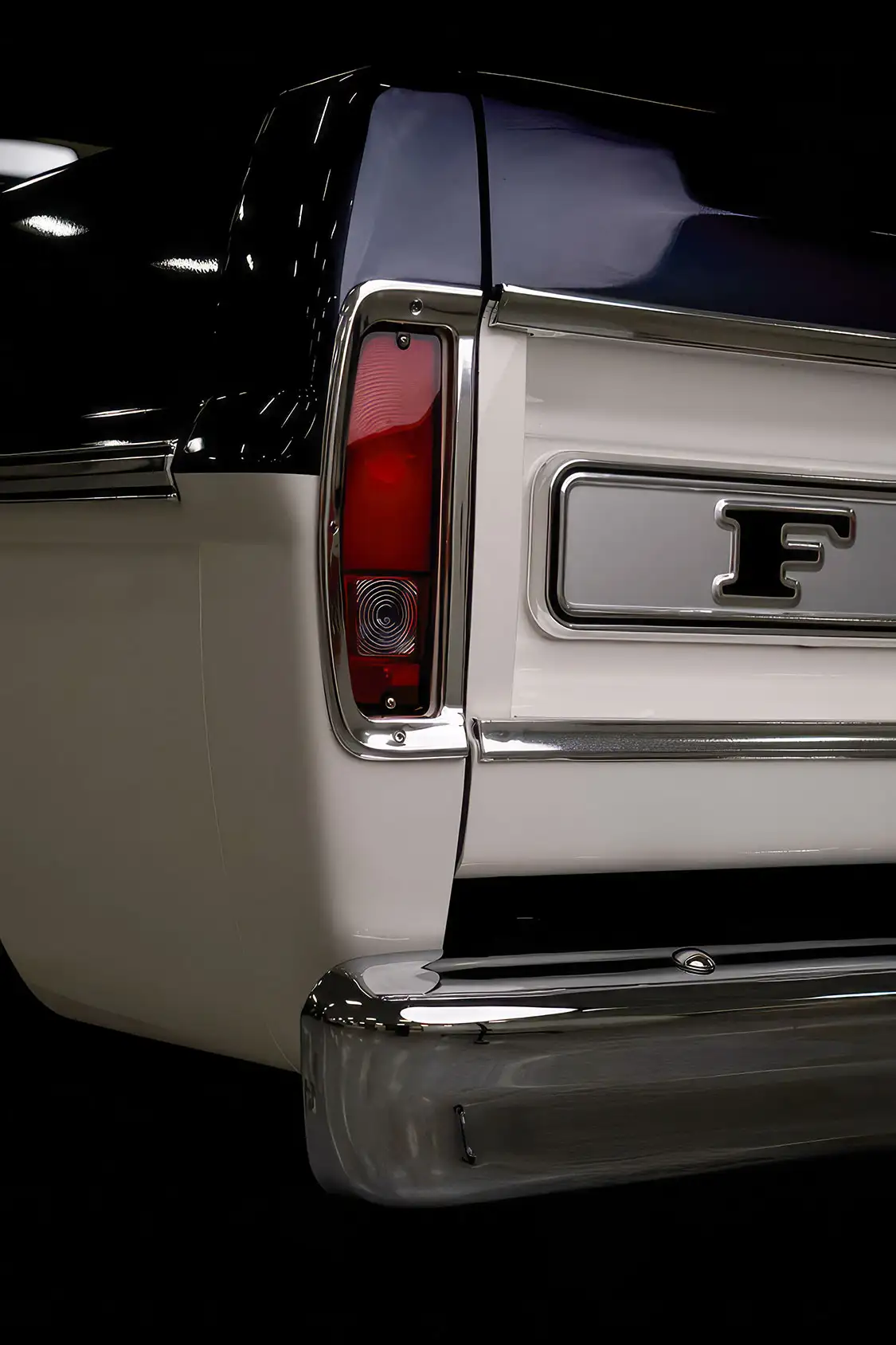
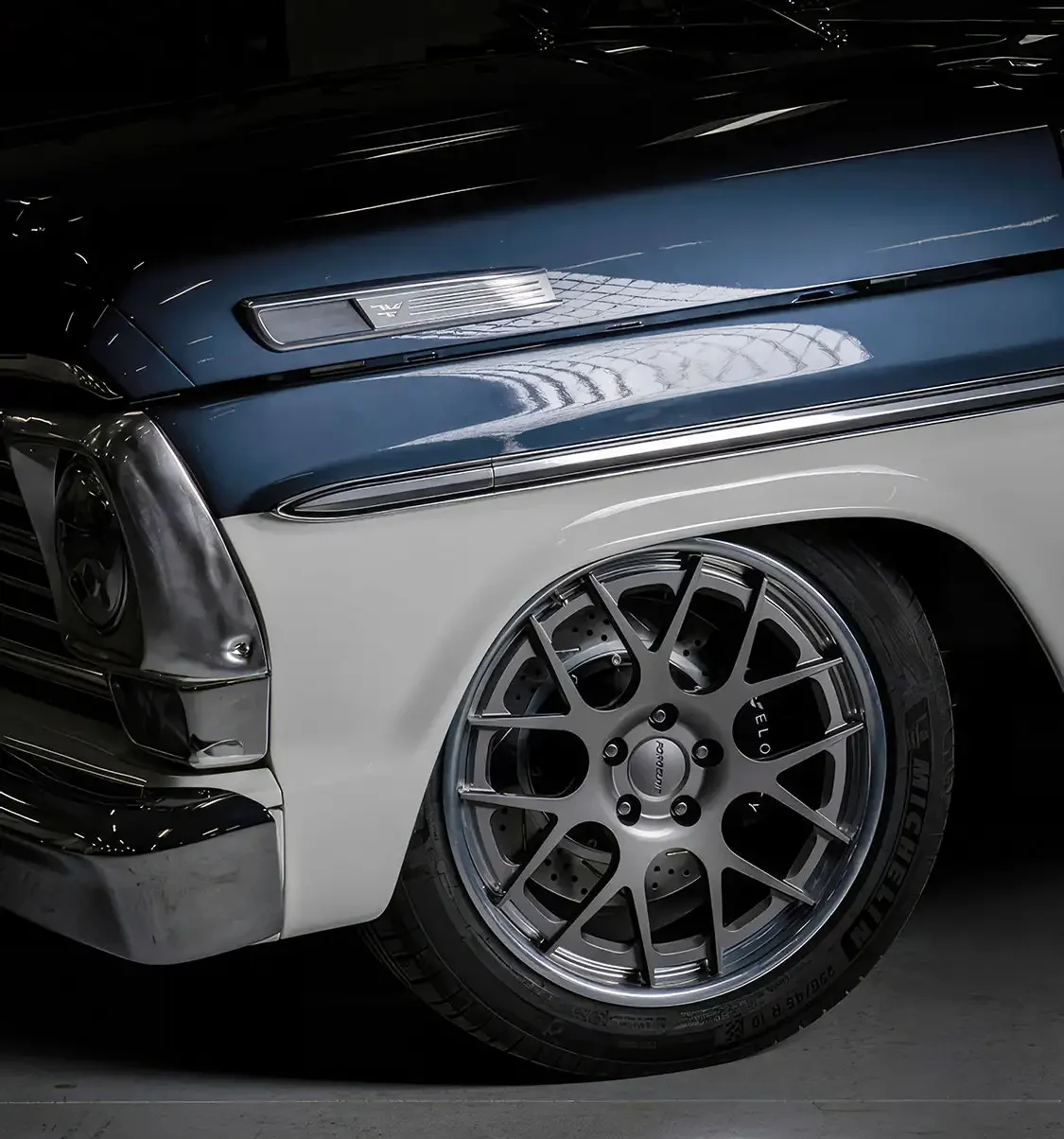
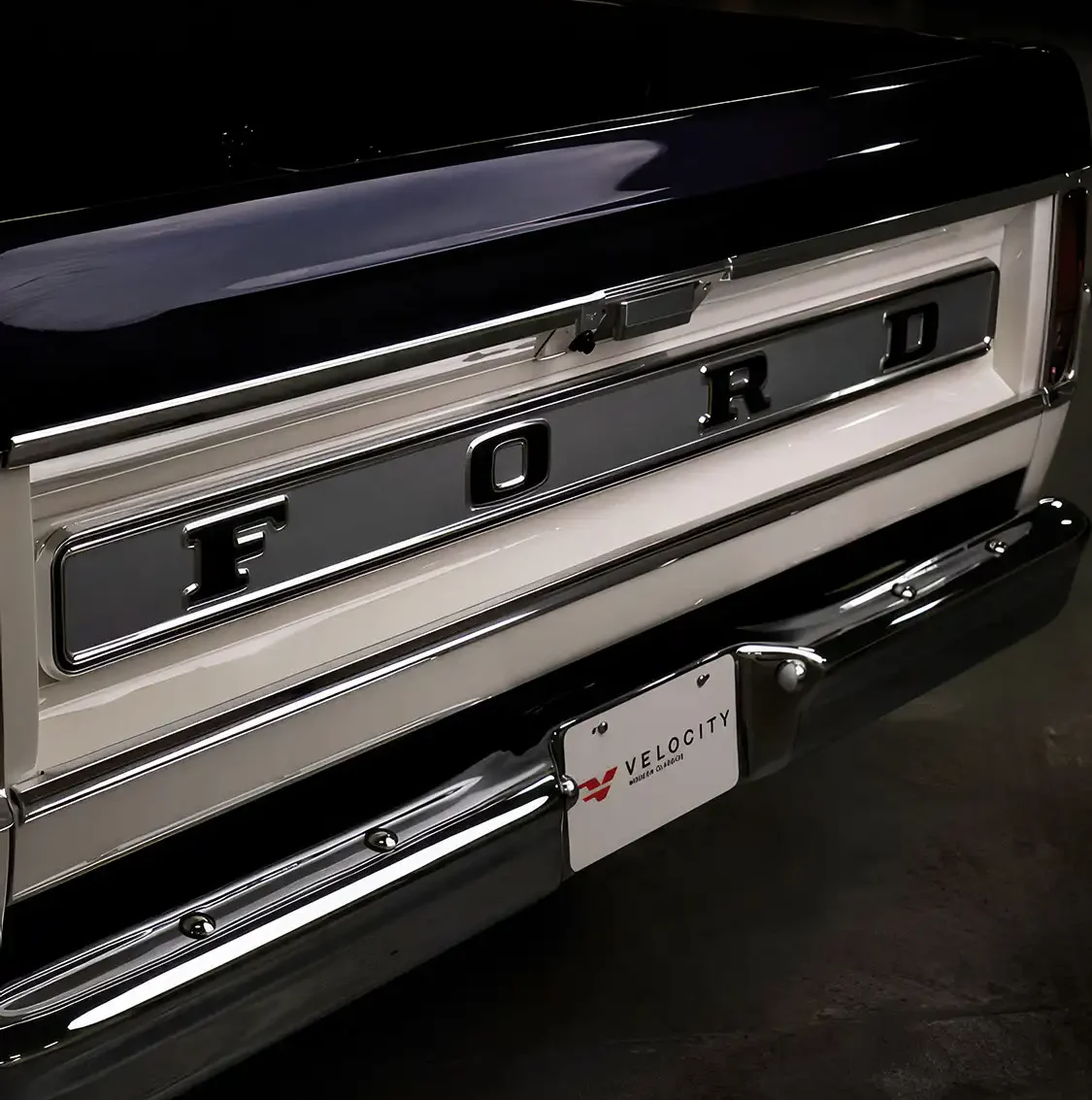
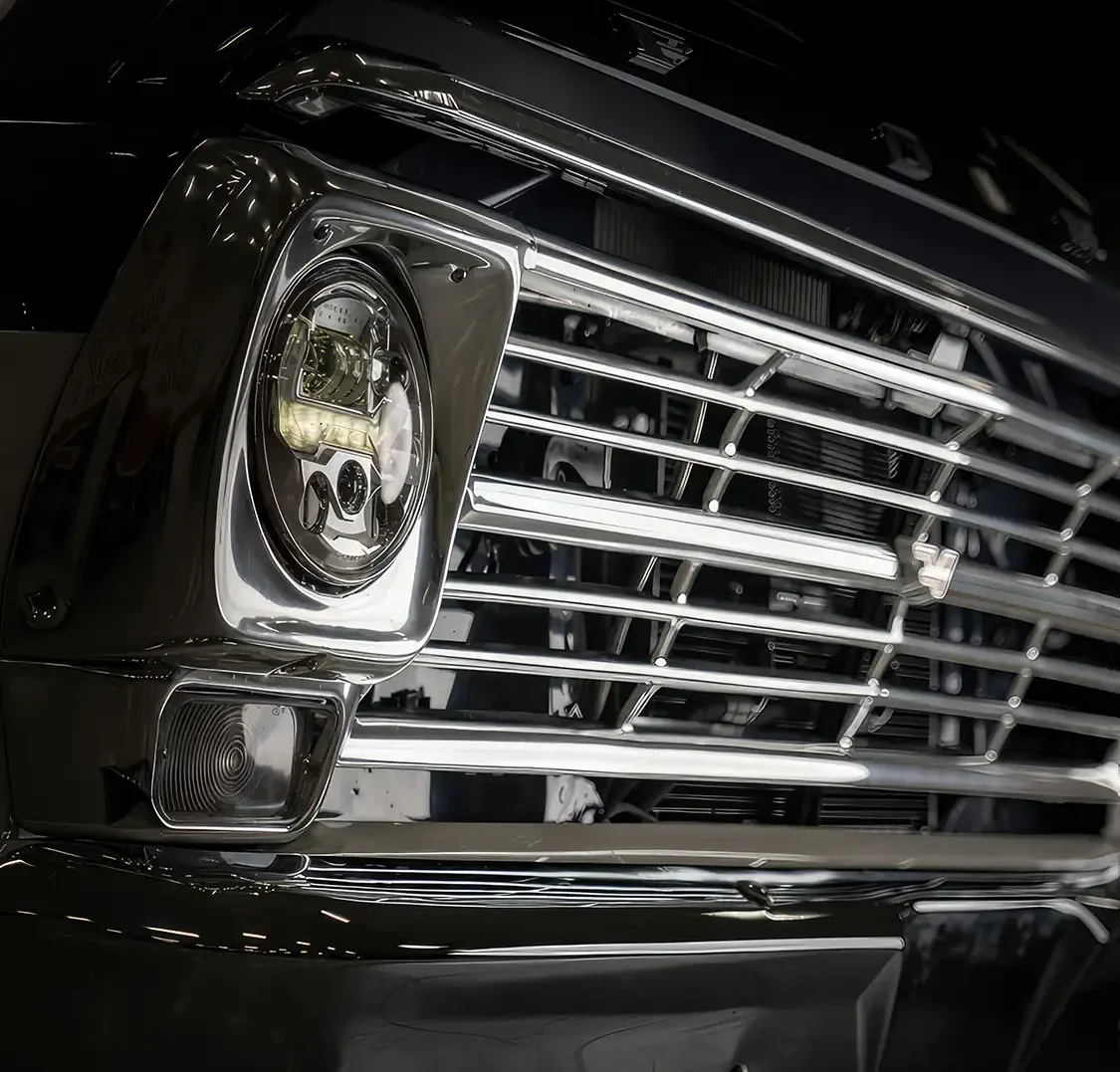
Velocity Modern Classics has meticulously preserved the timeless elegance of the original F-100 design while infusing it with modern touches that elevate its aesthetic appeal. The JW Speaker LED headlights, seamlessly integrated into the chrome grille, not only enhance visibility but also lend a contemporary flair to the truck’s front profile. Rolling on 245/50R18 Michelin tires, wrapped around stunning 18-inch alloy wheels, the Velocity F-100 commands attention with its commanding stance and impeccable taste. The flawless BASF Glasurit paintwork, complemented by chrome bumpers and meticulously restored glass and weather seals, further accentuates the truck’s rejuvenated and brand-new feel.
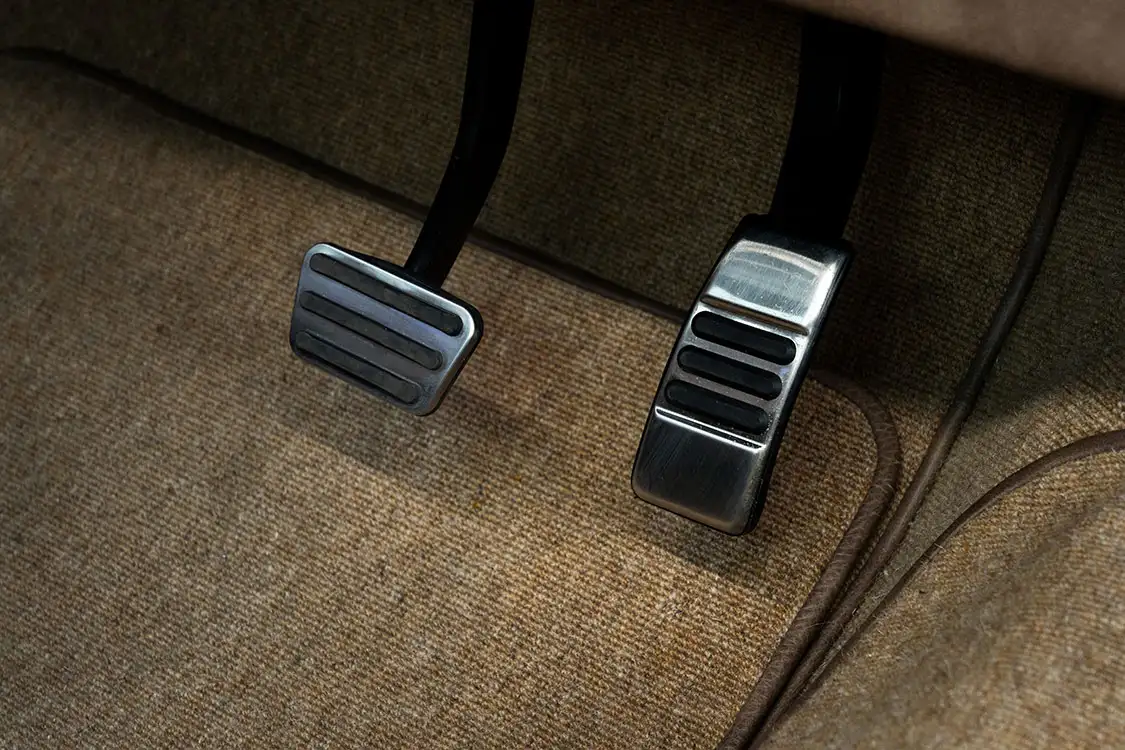
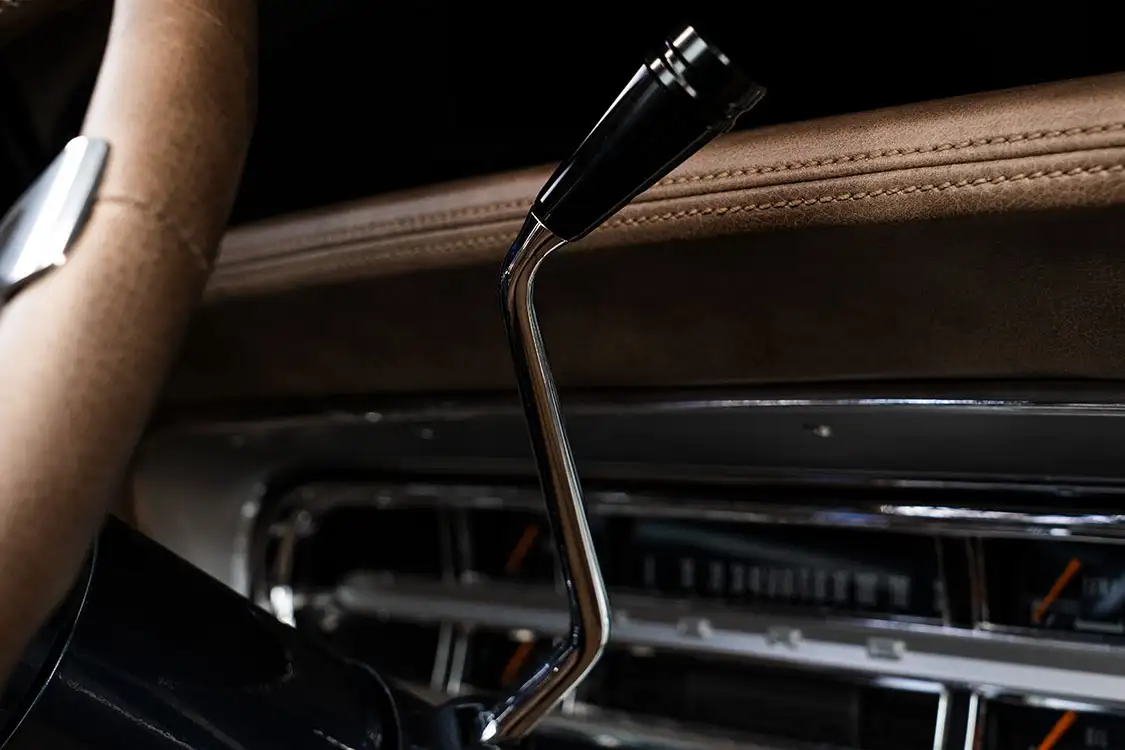
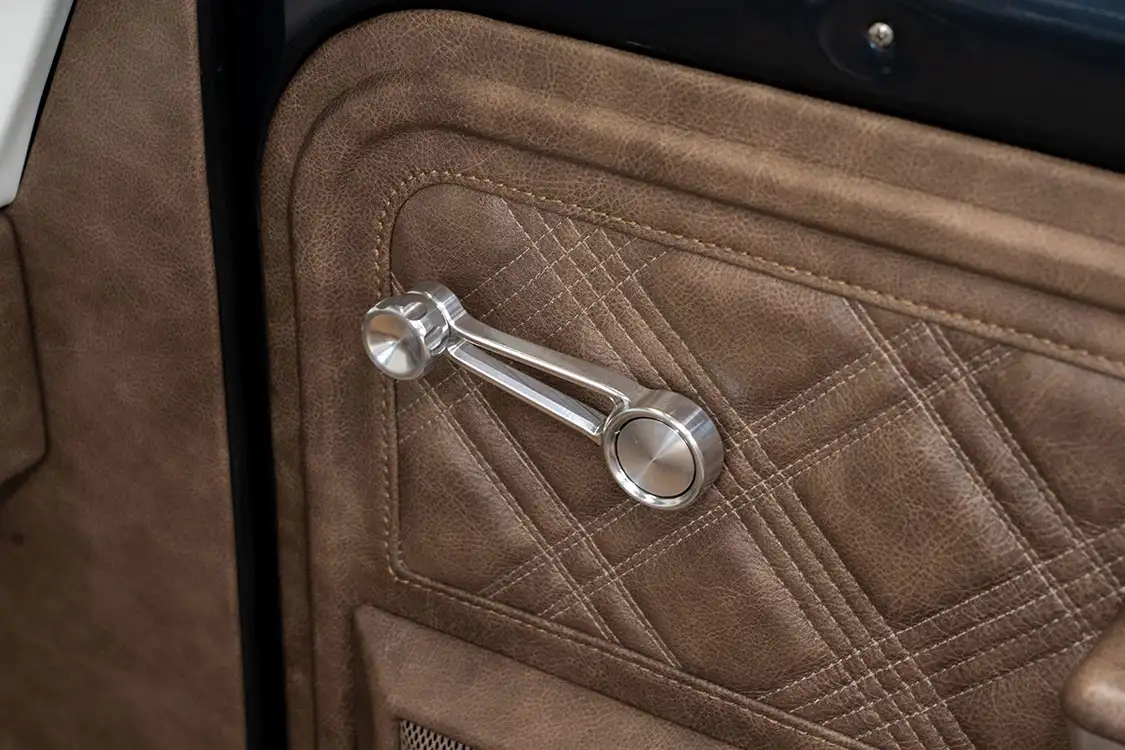
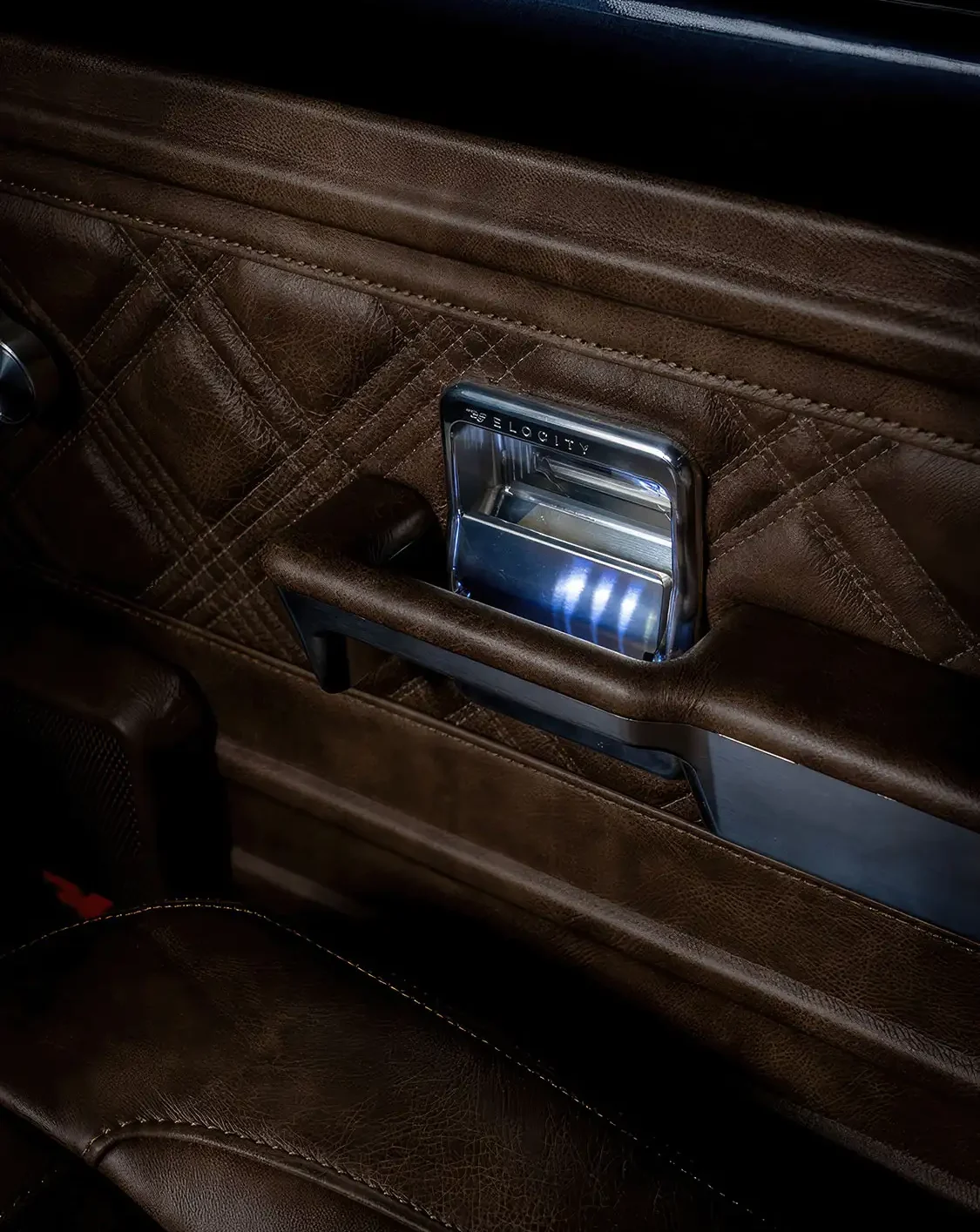
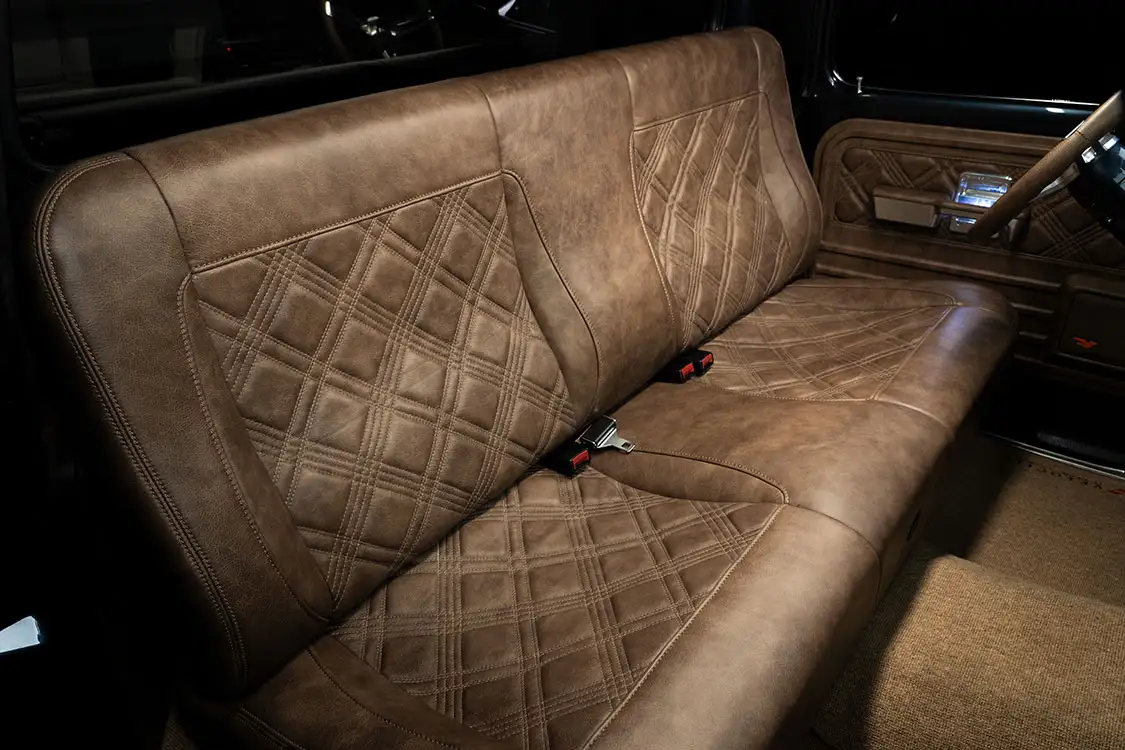
Sliding into the interior of the Velocity F-100, we were greeted by a harmonious blend of vintage charm and modern convenience. The custom bench seat, expertly upholstered in premium leather, provides both comfort and style, enveloping passengers in an atmosphere of luxury. The Velocity-exclusive Dakota Digital gauge cluster pays homage to the classic era while offering precise and comprehensive information at a glance. The inclusion of power windows, carpeted surfaces, and the Bluetooth-enabled RetroSound Huntington head unit, paired with the Focal speaker system, seamlessly merge modern amenities with classic design elements. The Vintage Air climate-control system ensures a pleasant driving environment, regardless of external conditions, while the Ididit tilt column and classic wood steering wheel offer adjustable functionality and a touch of nostalgia.
Velocity Modern Classics has meticulously preserved the timeless elegance of the original F-100 design while infusing it with modern touches that elevate its aesthetic appeal.
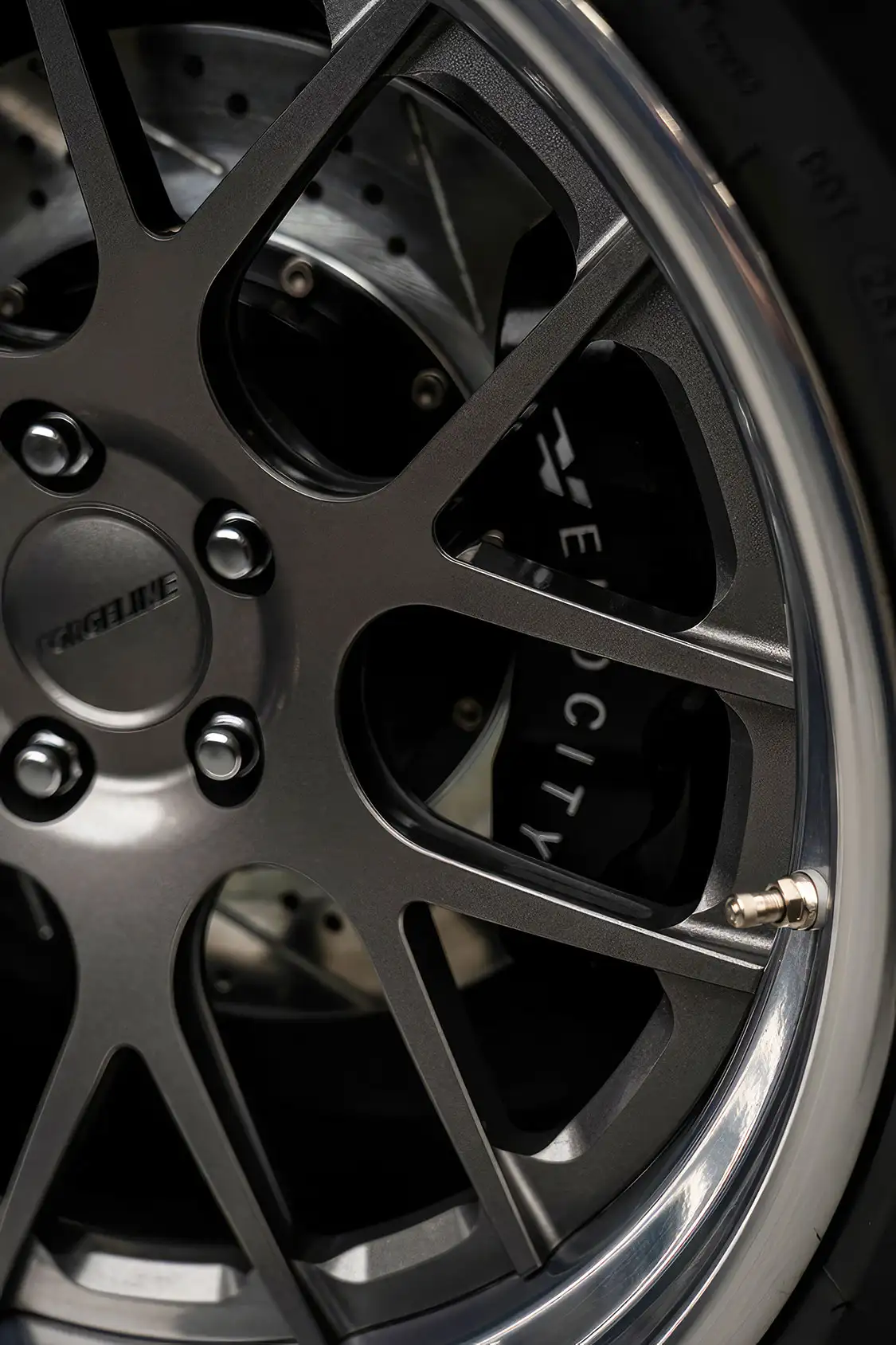
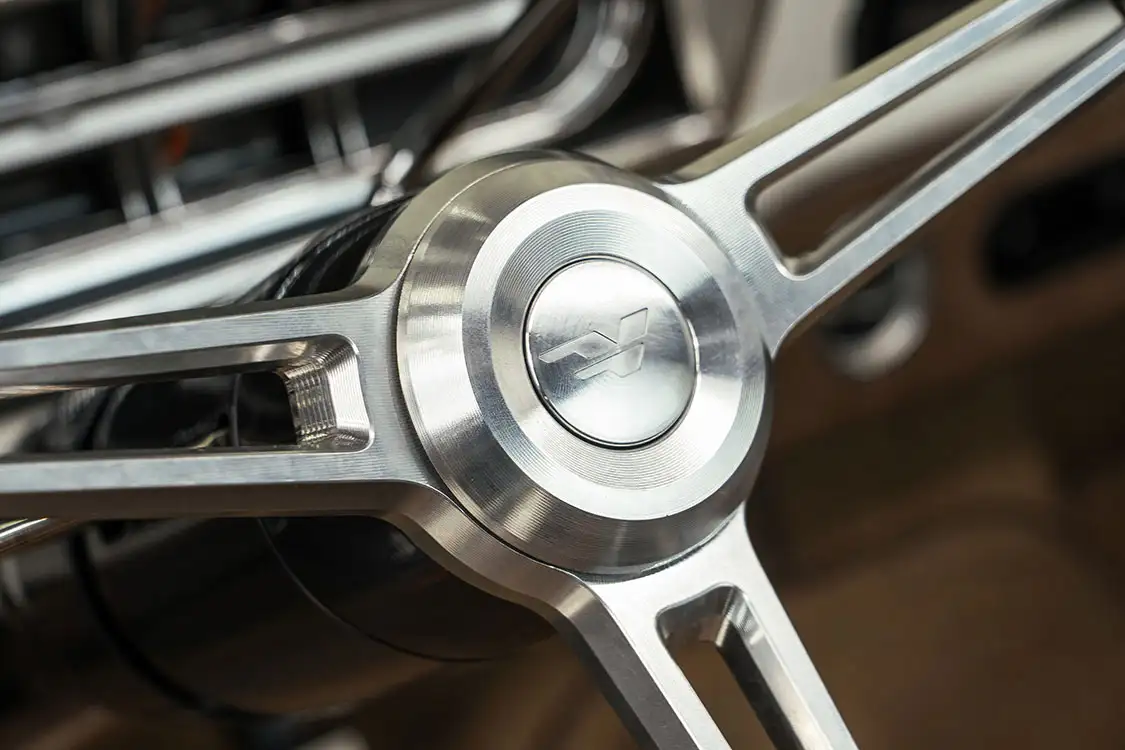
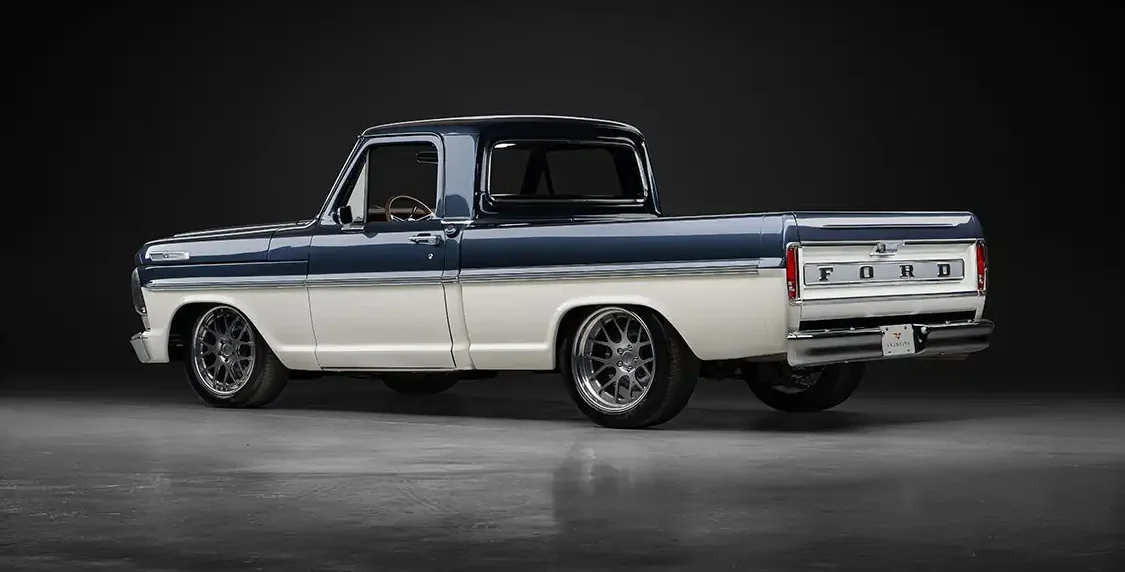
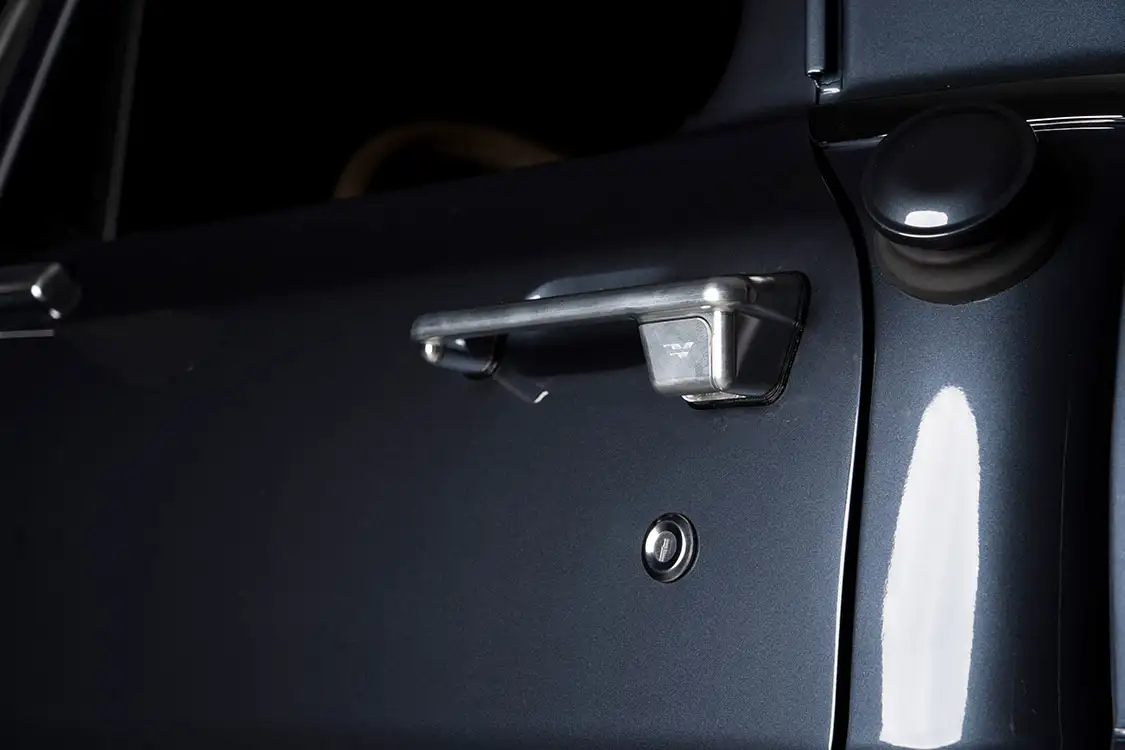
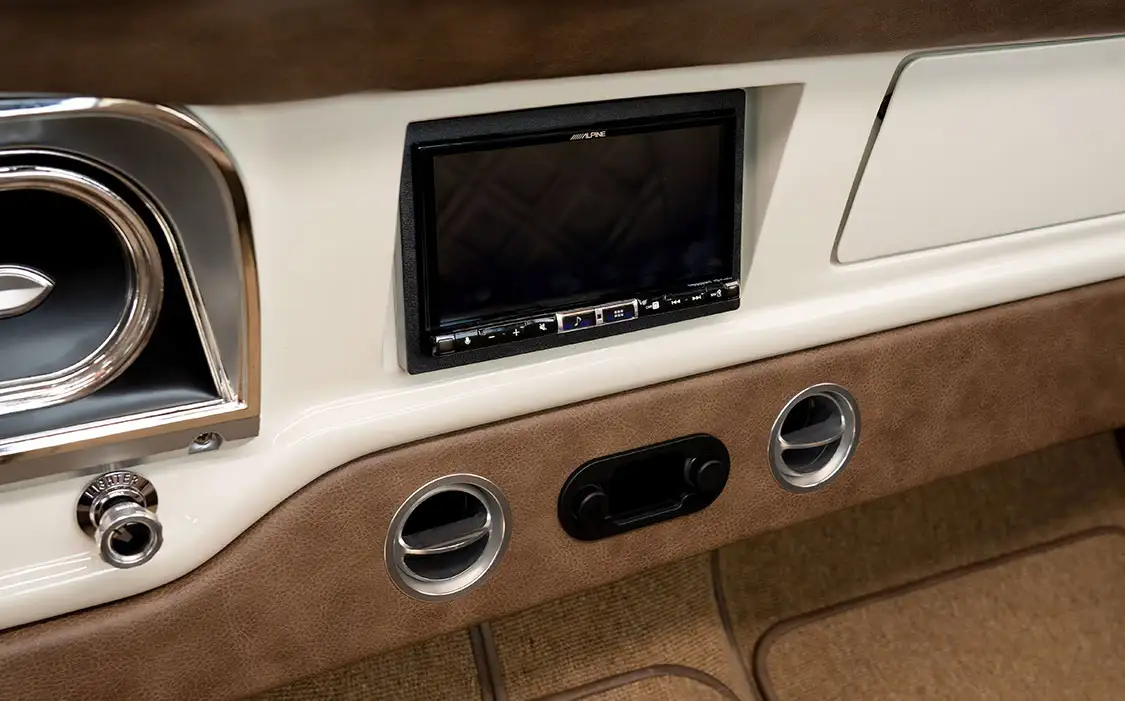
For those seeking an unparalleled driving experience, Velocity offers the Street Edition trim, which takes the Velocity F-100 to new heights of performance and style. The Street Edition boasts remarkable upgrades, including two-way adjustable Fox coilovers, larger six-piston calipers with 14-inch rotors for enhanced stopping power, and striking 19-inch front and 20-inch rear Forgeline wheels wrapped in Michelin tires. This exclusive variant of the F-100 stands apart with its distinctive two-toned BASF Glasurit paint options, vintage-inspired beltline trim, and meticulously crafted custom-machined billet components. Inside, the Street Edition indulges passengers with premium leather-stitched seating, custom-machined billet accents, and an Alpine double-din head unit featuring a backup camera for added safety.
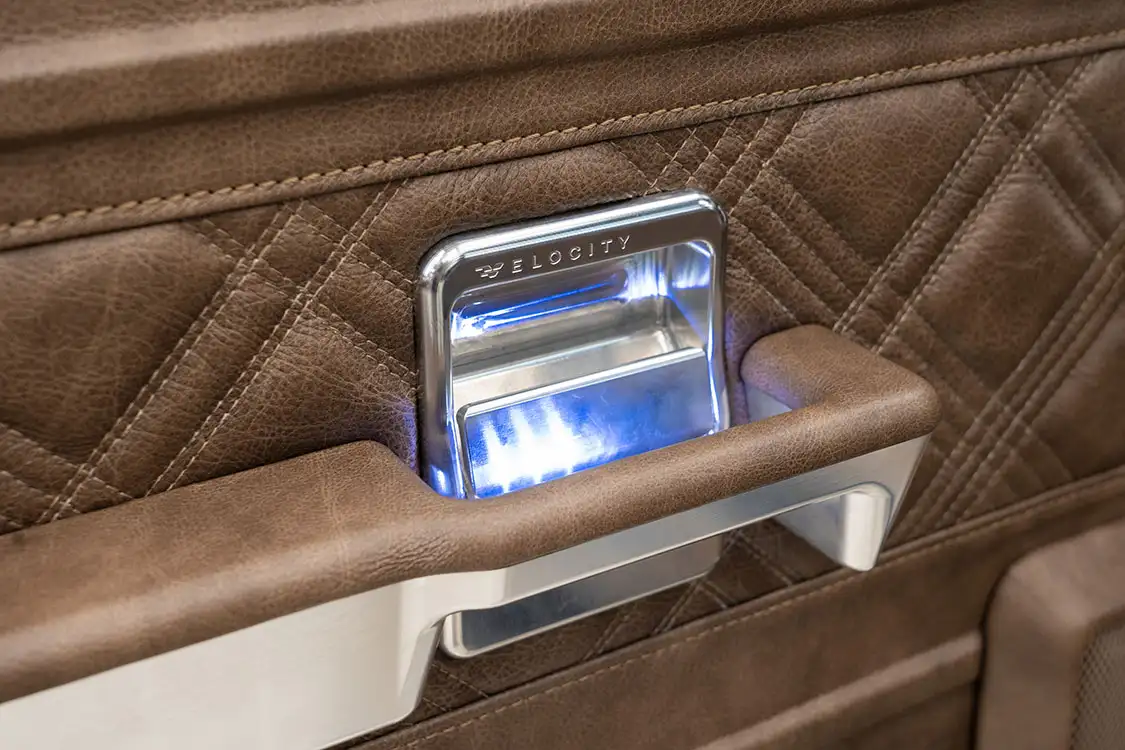
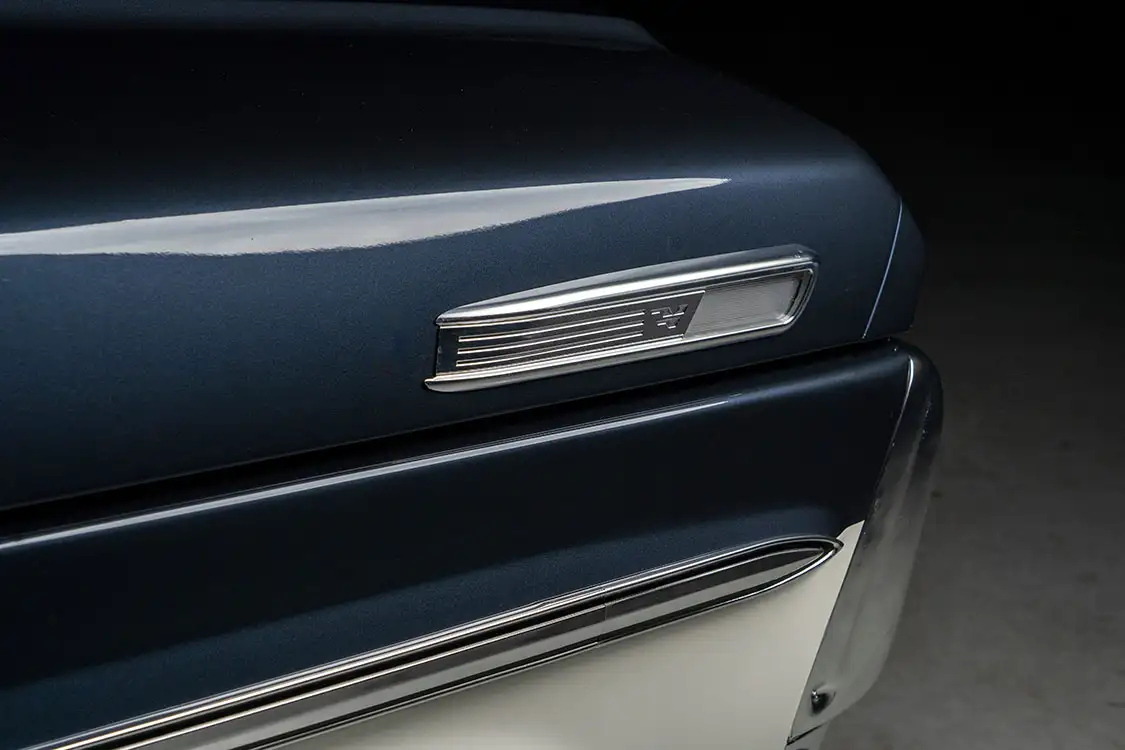
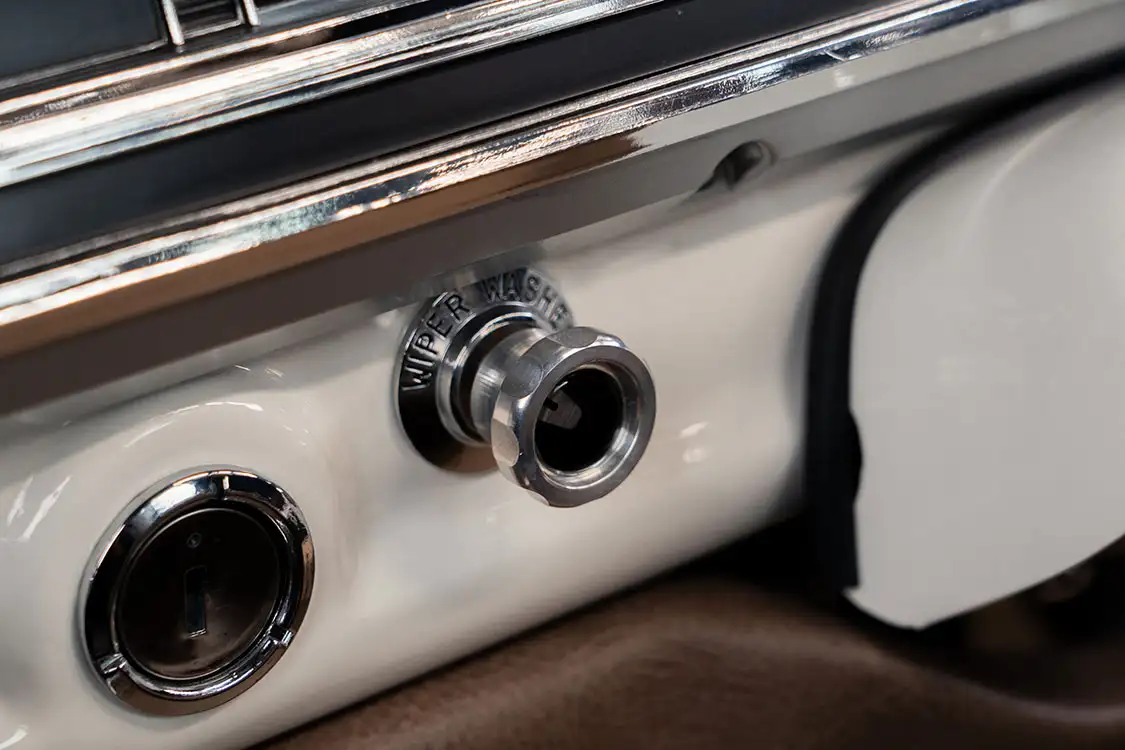
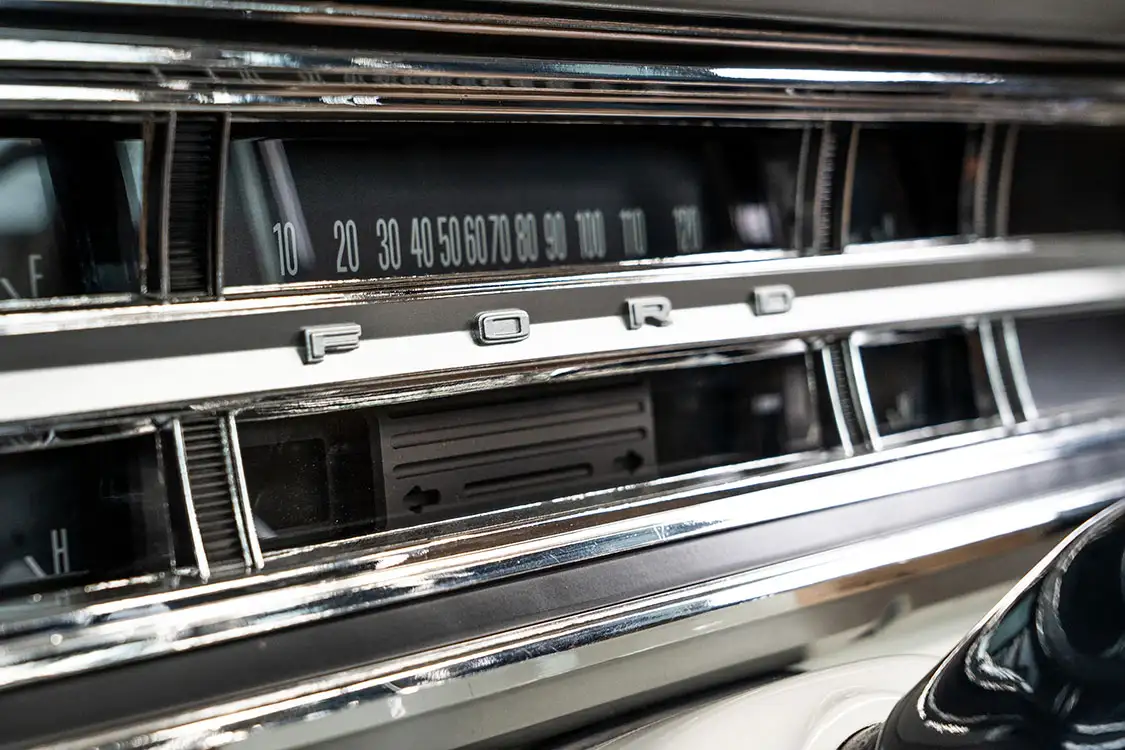
With the Velocity Signature Series F-100, Velocity Modern Classics has demonstrated its unwavering commitment to reviving and reimagining classic vehicles with exceptional craftsmanship and attention to detail. As automotive journalists, we were left in awe of the seamless integration of vintage charm and modern performance. The Velocity F-100 represents the pinnacle of automotive artistry, an embodiment of the rich legacy of classic trucks combined with the advancements of the modern era. To reserve your own Velocity F-100 and embark on a journey that celebrates the past while embracing the future, contact Velocity at 850-332-6064 or visit www.velocityrestorations.com.
Photos by NOVITEC
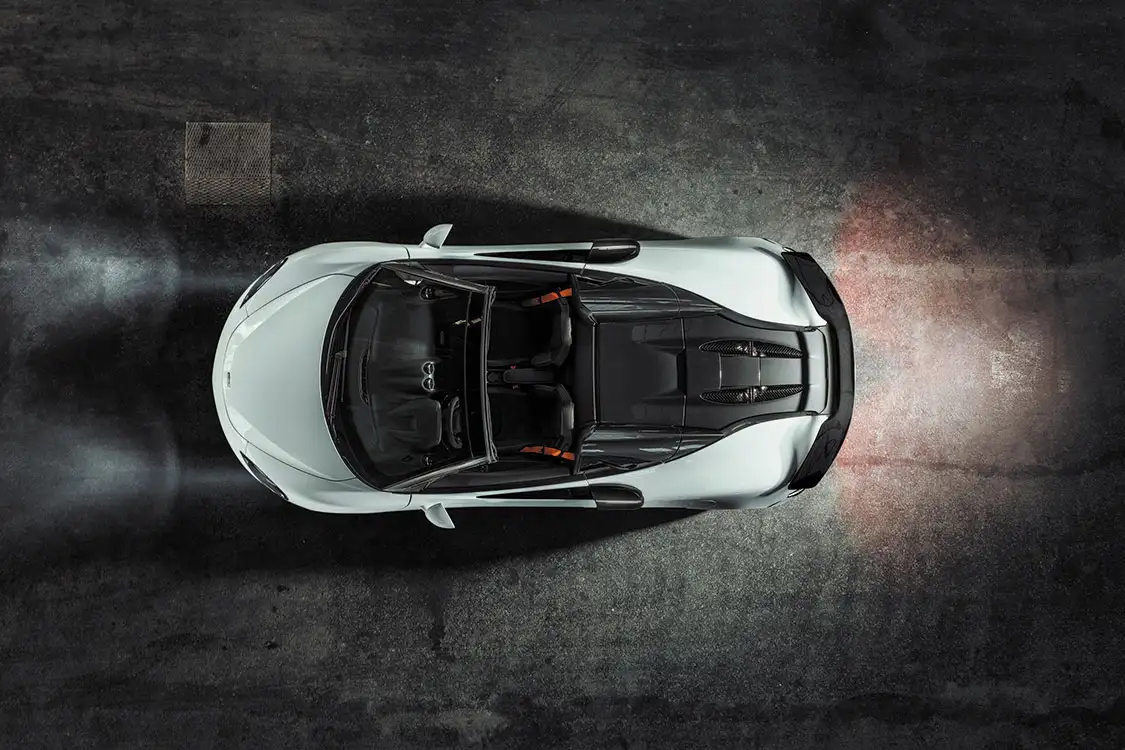
In the realm of high-performance sports cars, few names command as much respect and admiration as McLaren. Known for their exceptional engineering and exhilarating performance, McLaren vehicles are the epitome of automotive excellence. Now, with the help of NOVITEC, the McLaren 570S Spider receives a stunning makeover, elevating its already impressive capabilities to new heights.
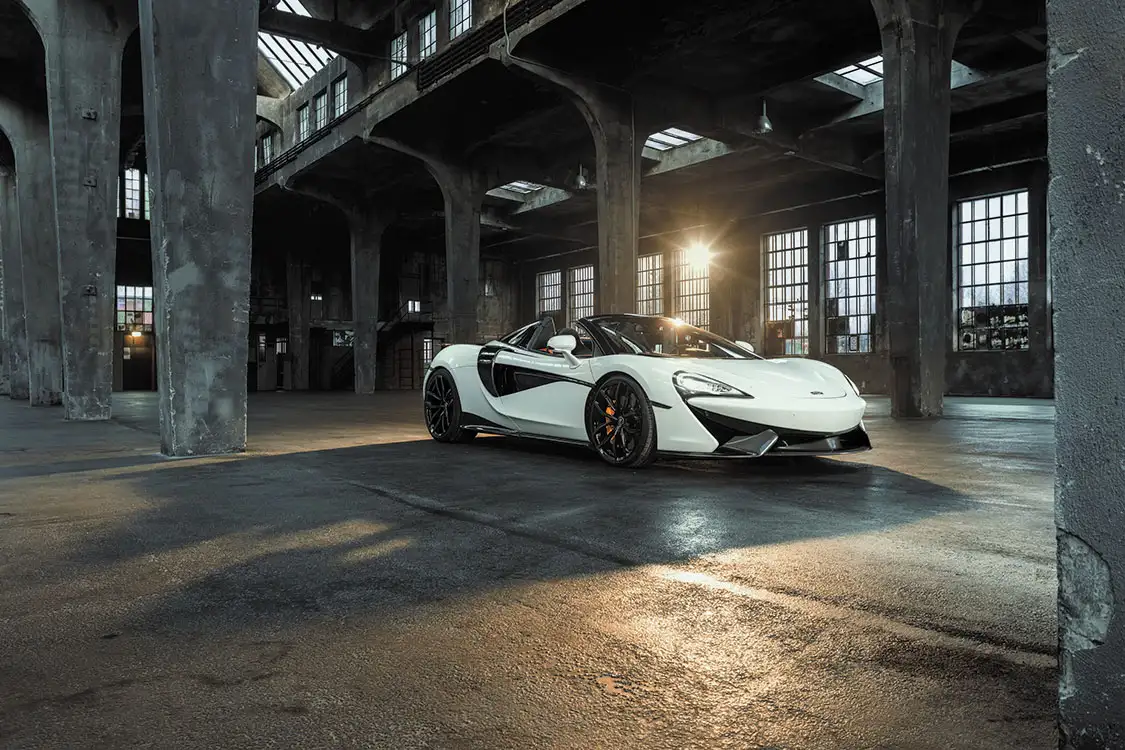
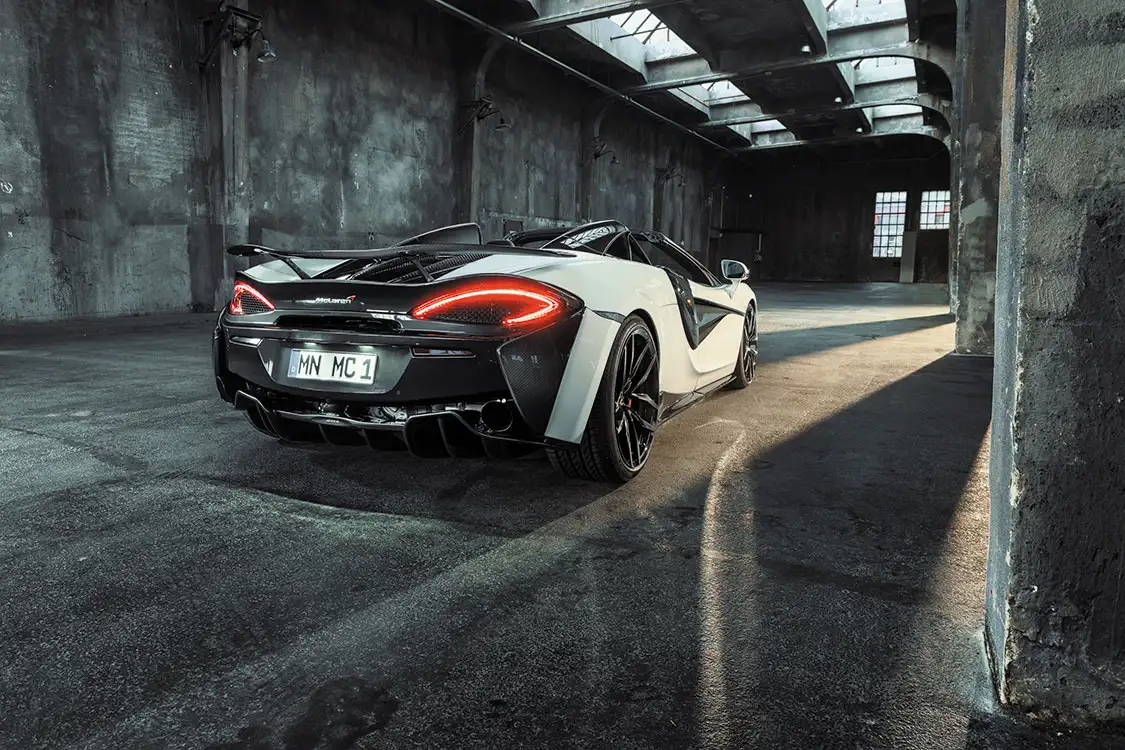
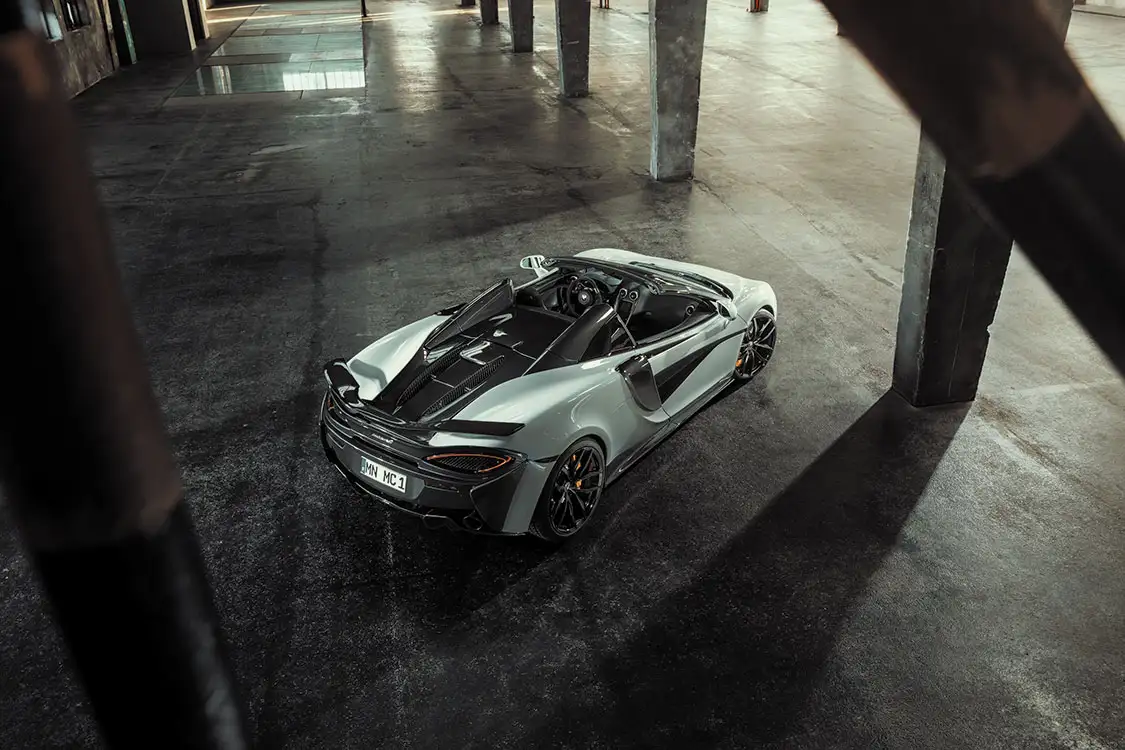
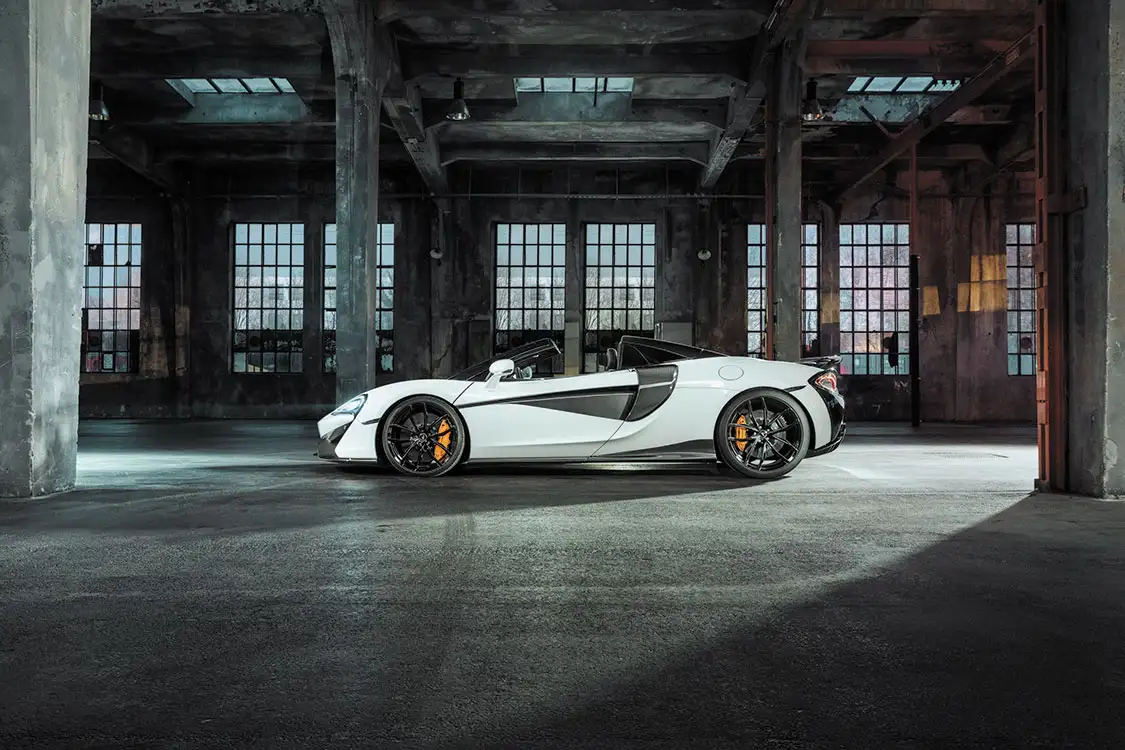
The transformation begins with a sporty carbon designer outfit, meticulously crafted to enhance both form and function. The NOVITEC front spoiler not only adds a touch of aggression to the 570S Spider’s appearance but also improves aerodynamic efficiency, reducing front-axle lift at high speeds. Paired with a rear spoiler designed for maximum handling stability, every aspect of the car’s exterior has been optimized for peak performance.
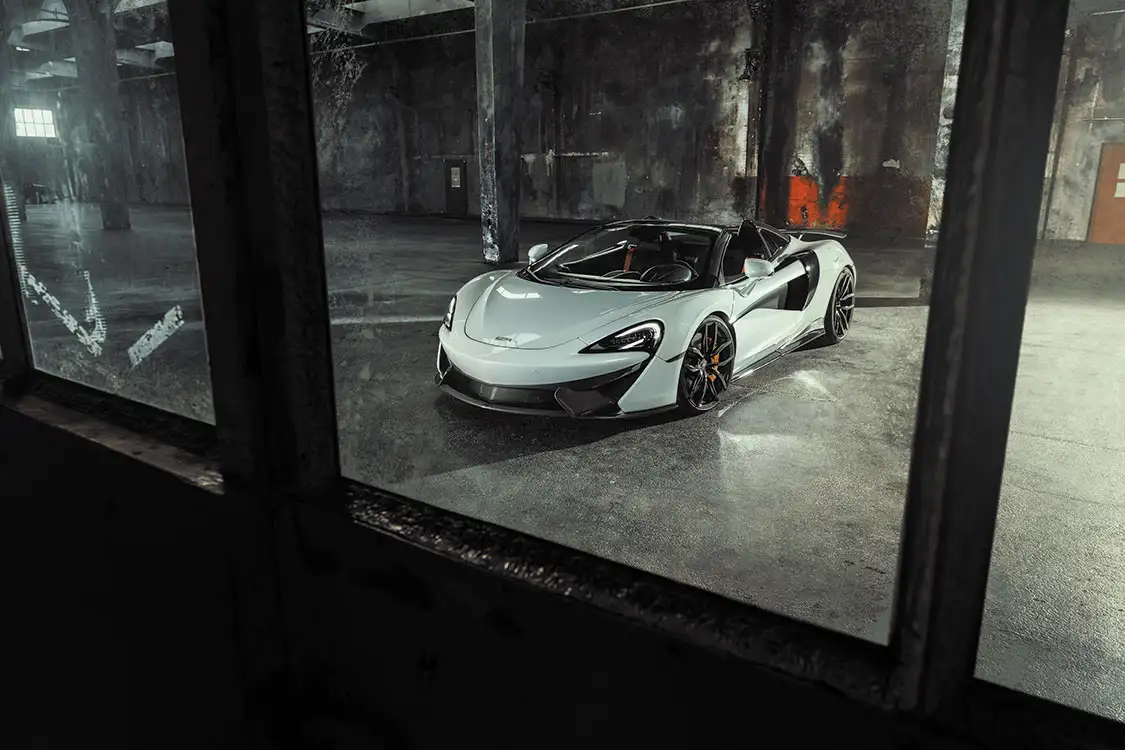
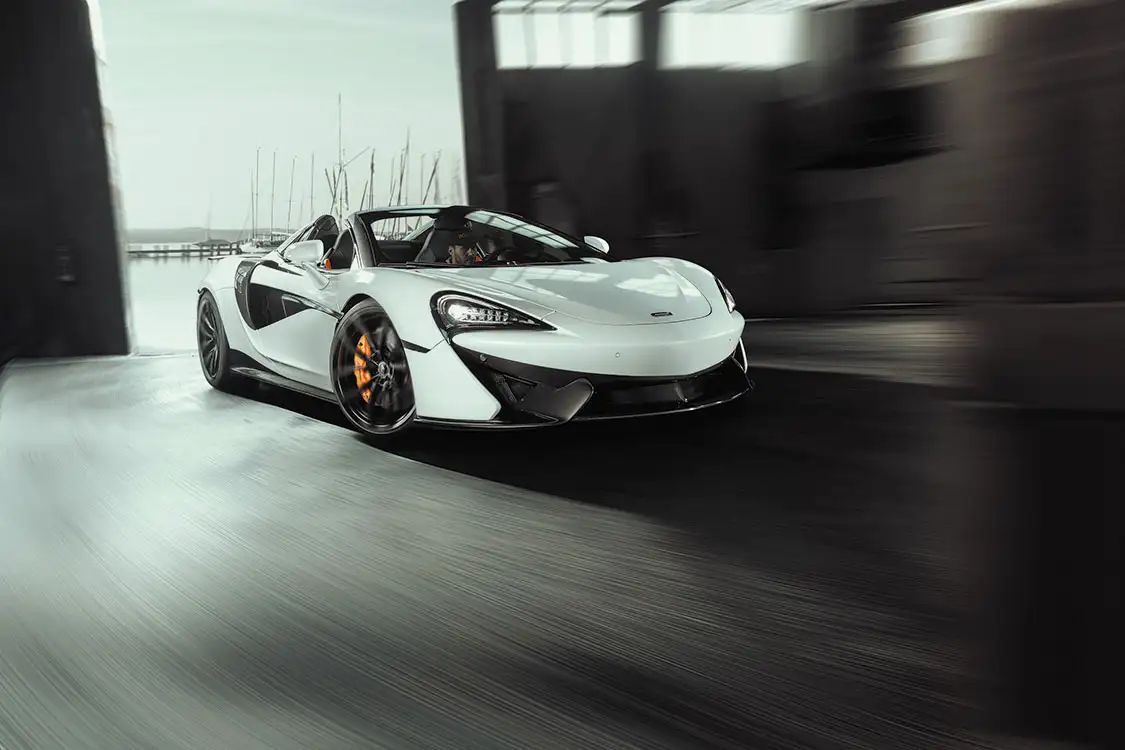
Carbon rocker panels and custom-designed air intakes further enhance the Spider’s visual appeal while improving airflow to the engine. Meanwhile, hi-tech forged wheels, available in a staggered combination of 20 and 21 inches, not only look stunning but also contribute to the car’s agility and responsiveness on the road.
But the true magic lies under the hood. NOVITEC’s performance upgrade takes the 3.8-liter twin-turbo V8 engine to new heights, delivering an impressive 475 kW / 646 hp and 692 Nm of torque. With this power boost, the 570S Spider rockets from 0 to 100 km/h in just 3.0 seconds, with a top speed of 335 km/h. Whether tearing up the track or cruising along the coast, the Spider’s performance is nothing short of breathtaking.
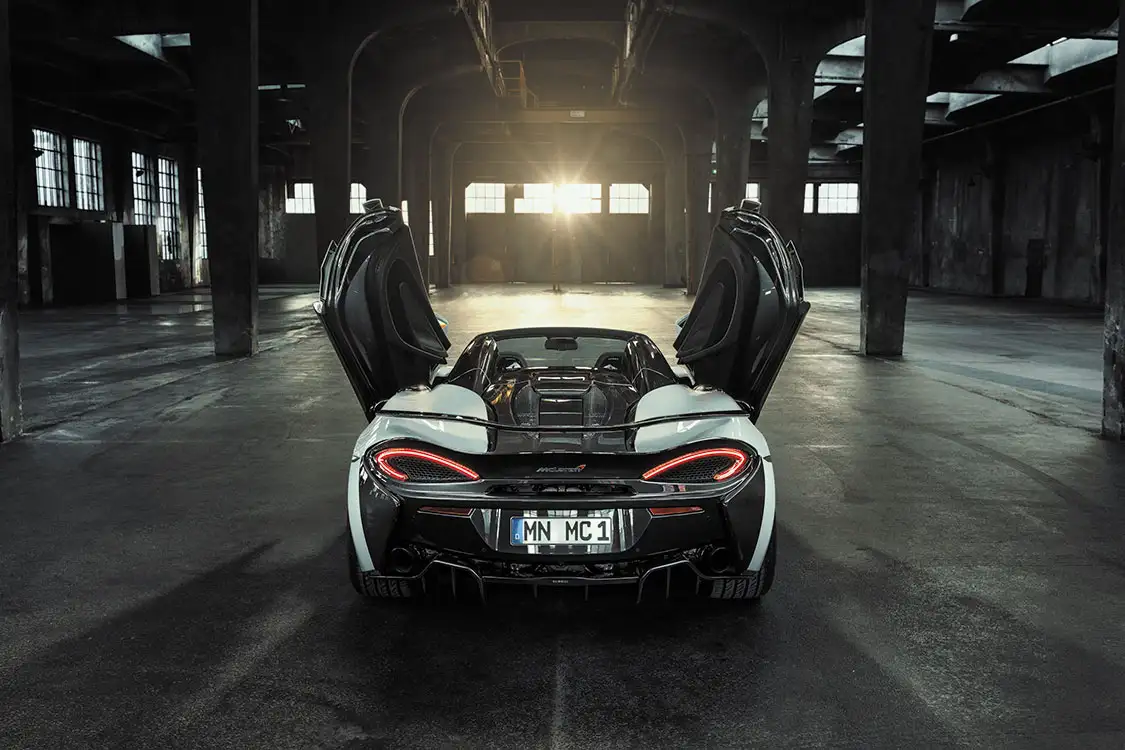
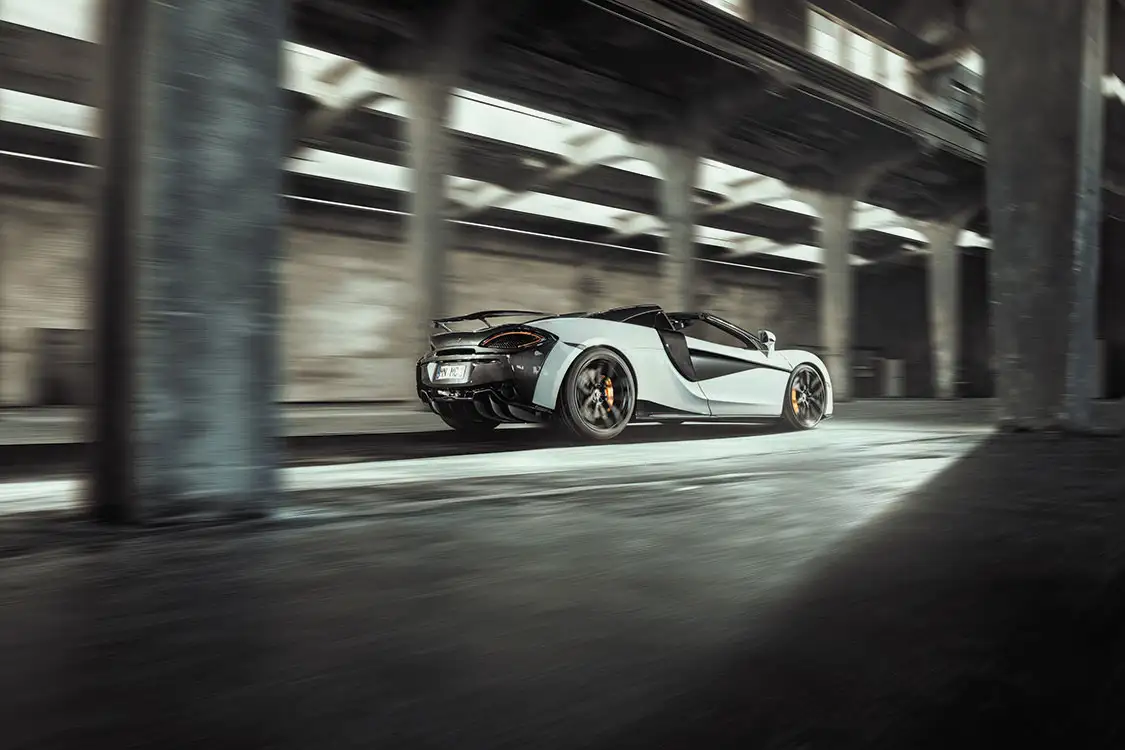
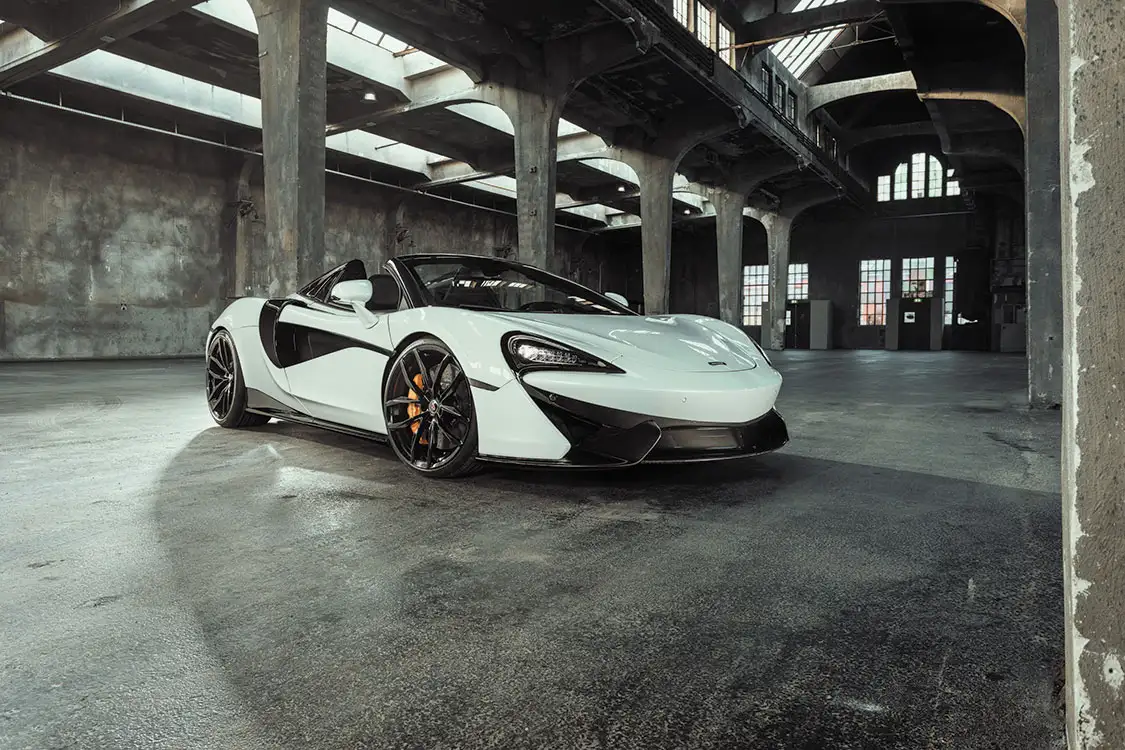
Of course, the NOVITEC experience doesn’t end with performance upgrades. A range of customization options is available for the interior, allowing owners to create their own personal sanctuary behind the wheel. From sumptuous leathers to luxurious Alcantara, every detail is tailored to perfection, ensuring a driving experience unlike any other.
In conclusion, the NOVITEC Refined McLaren 570S Spider is more than just a car – it’s a work of art, a symphony of speed and style that pushes the boundaries of automotive excellence. For those who demand the best, NOVITEC delivers, transforming the McLaren 570S Spider into the ultimate driving machine.
Photos by THE RDJ TEAM
In the realm of Hollywood’s most iconic figures, Robert Downey Jr. has long been a shining star. Famous for his portrayal of Iron Man in the Marvel Cinematic Universe, this 58-year-old actor boasts a legacy of on-screen heroics. Yet, when the final credits rolled on his superhero journey in 2019’s “Avengers: Endgame,” Downey set his sights on a new mission—one that had nothing to do with defeating villains, but everything to do with saving the planet, one car at a time.
Once the proud owner of a sprawling collection of high-end modern and classic automobiles, Downey’s outlook underwent a dramatic transformation. He transitioned from Tony Stark, the genius inventor, to Robert Downey Jr., the eco-conscious visionary. He embarked on a journey that would not only redefine his own purpose, but also inspire others to follow suit.
The birth of the FootPrint Coalition marked the inception of Downey’s commitment to environmental causes. This venture group invested in companies at the forefront of environmentally friendly technologies, forging a path toward a greener future. Simultaneously, Downey and his wife, Susan, transformed their lifestyle, embracing a plant-based diet and even starting a rescue farm. But Downey knew that to walk the walk truly, he had to address an elephant in the room—or rather, a fleet of gas-guzzling cars in his garage.
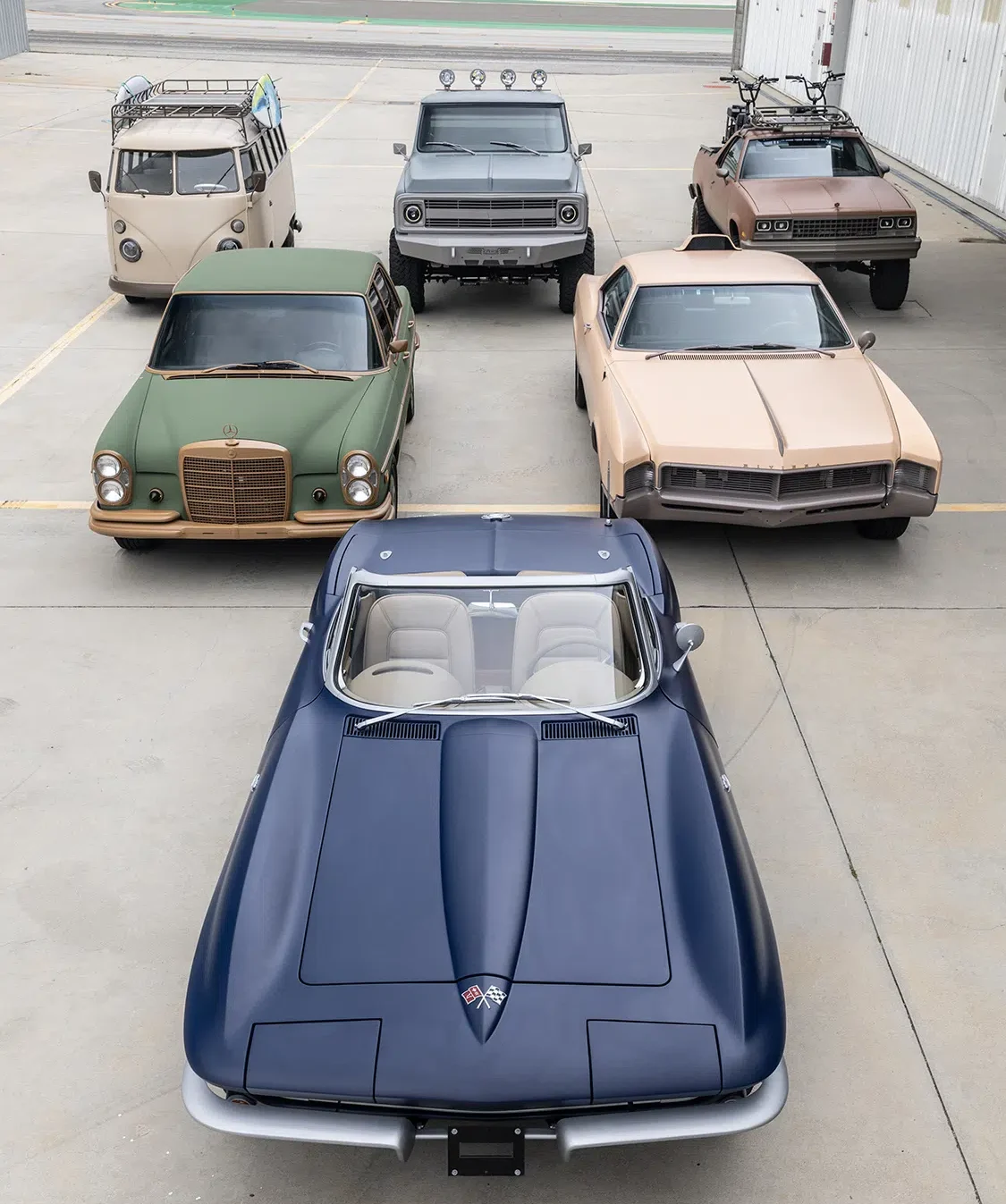
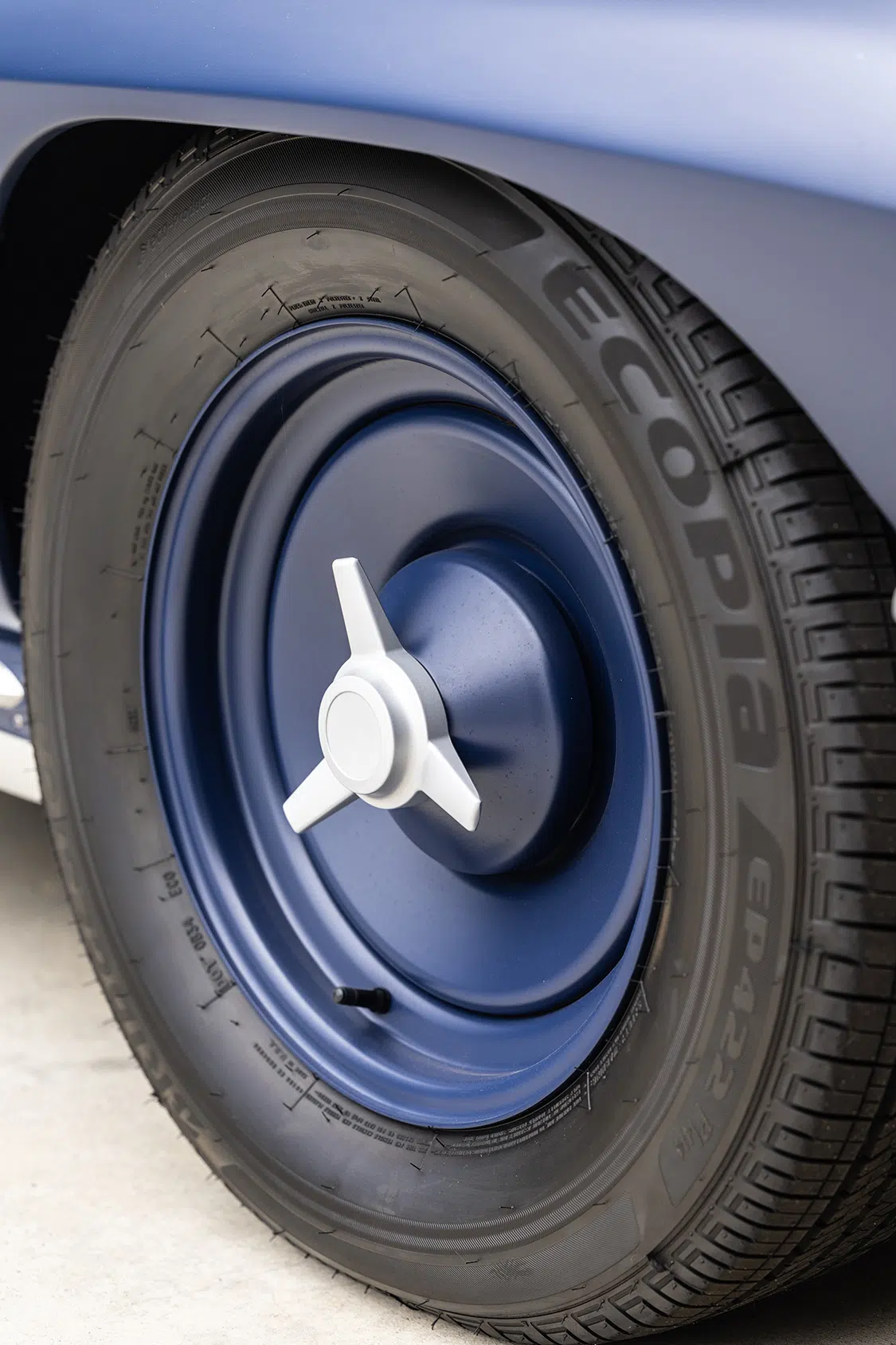
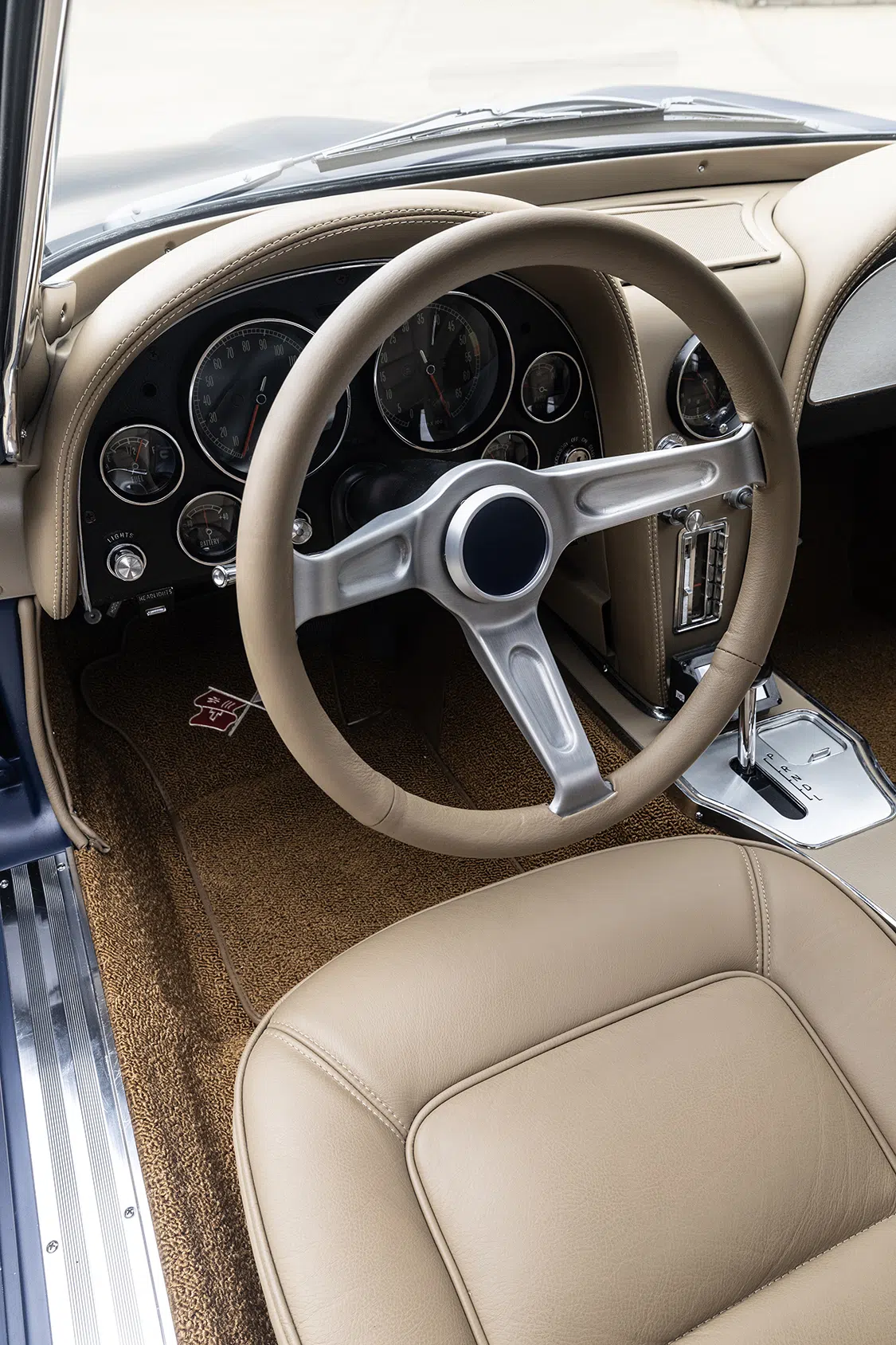
Thus, “Downey’s Dream Cars” was born, a ground-breaking streaming series that made its debut on June 22, exclusively on Max. This show isn’t your typical automotive makeover spectacle; it’s a captivating odyssey of redemption and eco-conscious transformation.
“I woke up one morning, and it hit me,” Downey reflects. “How can I reconcile my commitment to developing sustainable technologies with this collection of cars that does the environment no favors? I needed to align my actions with my ideals. That’s when ‘Downey’s Dream Cars’ was conceived.”
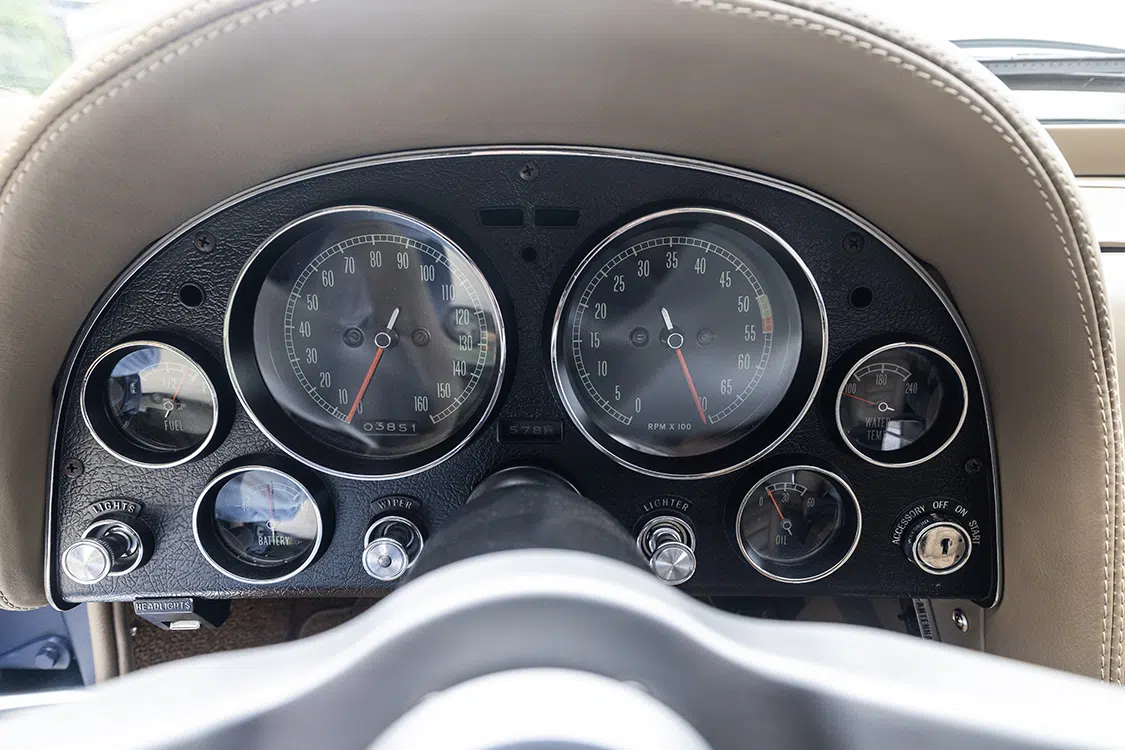
Across six gripping episodes, Downey takes center stage. Each installment sees him handpick a car from his personal collection, setting the stage for a captivating transformation. But this isn’t merely a cosmetic makeover. Downey assembles a team of experts to retrofit these cars, infusing them with eco-friendly features that breathe new life into these iconic automobiles.
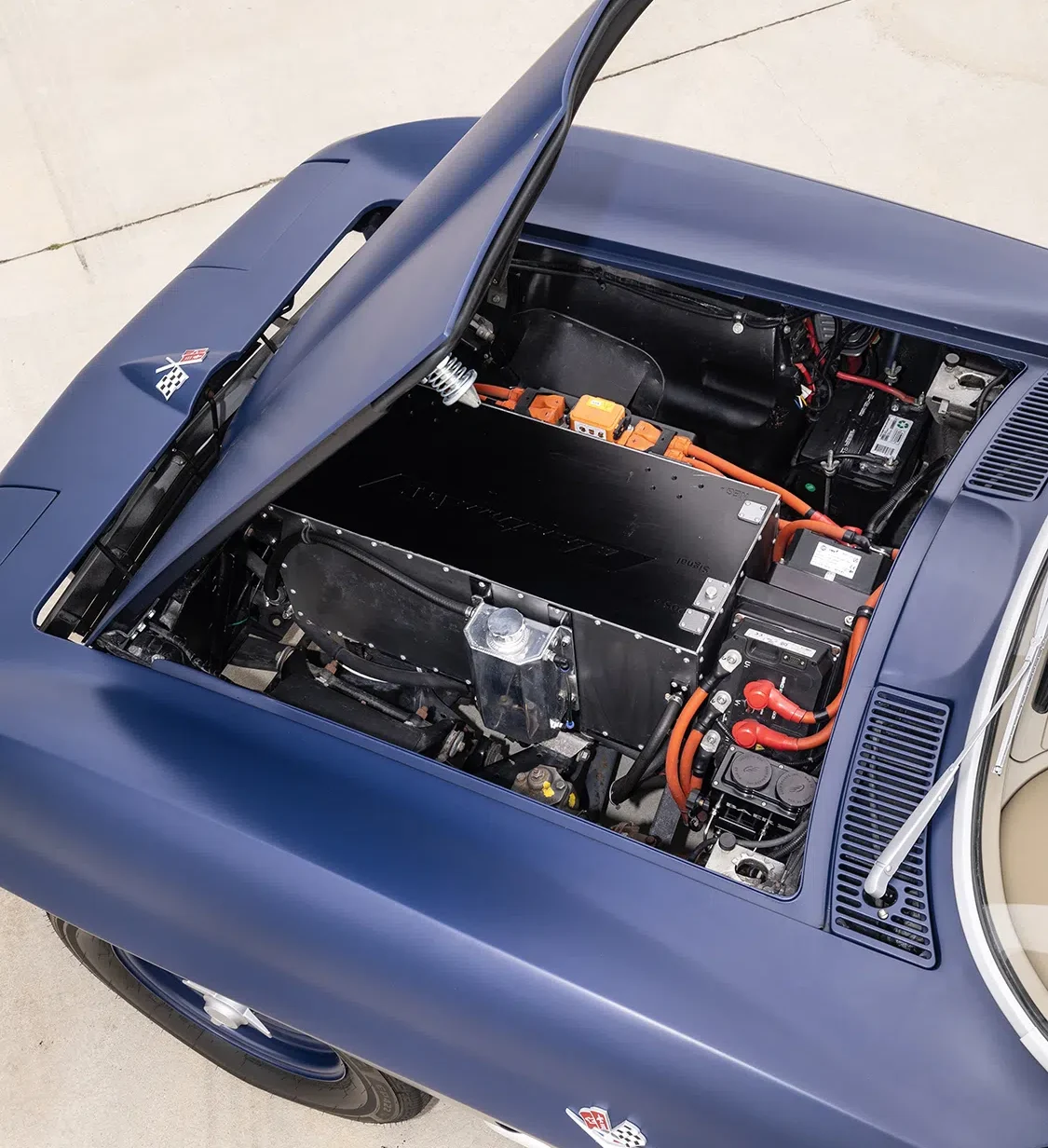
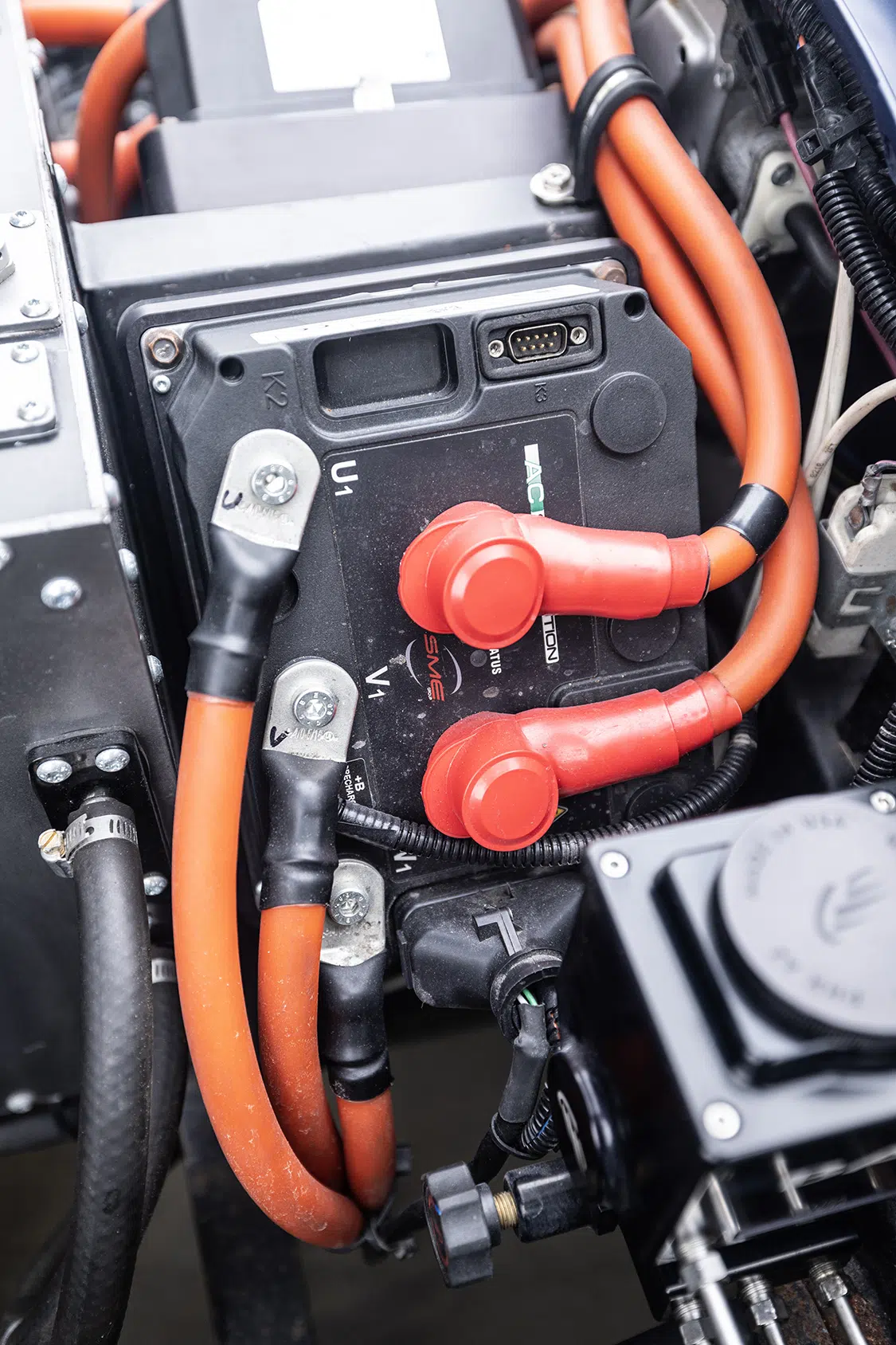
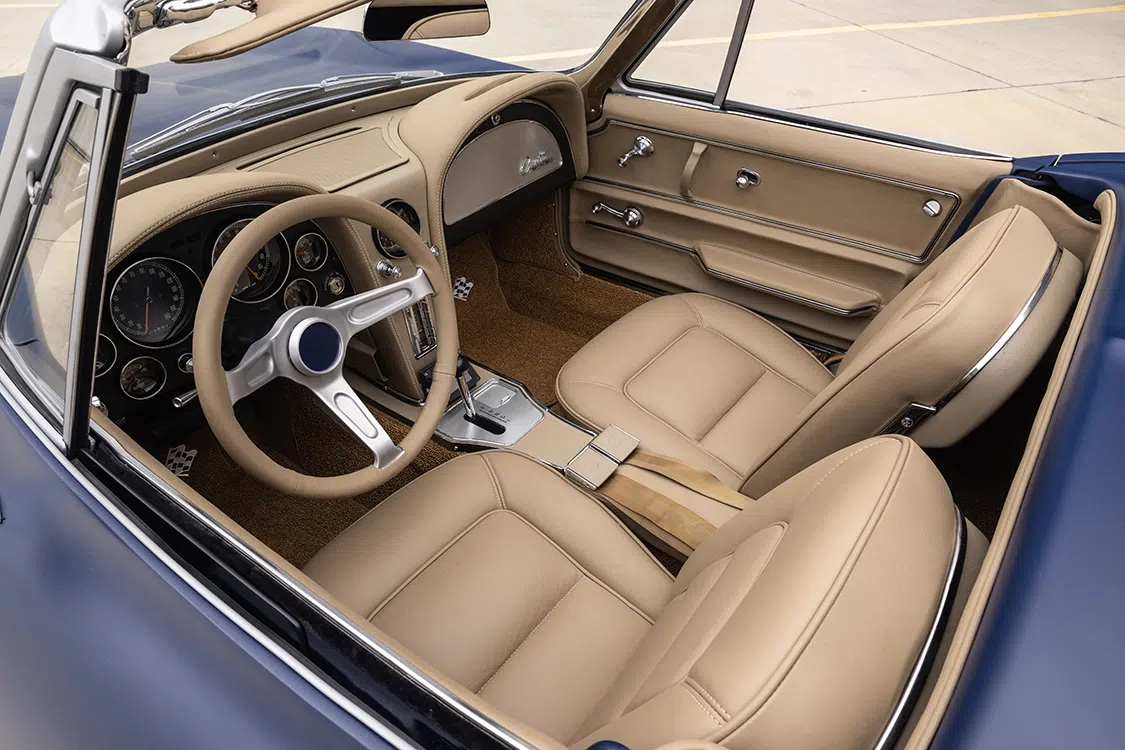
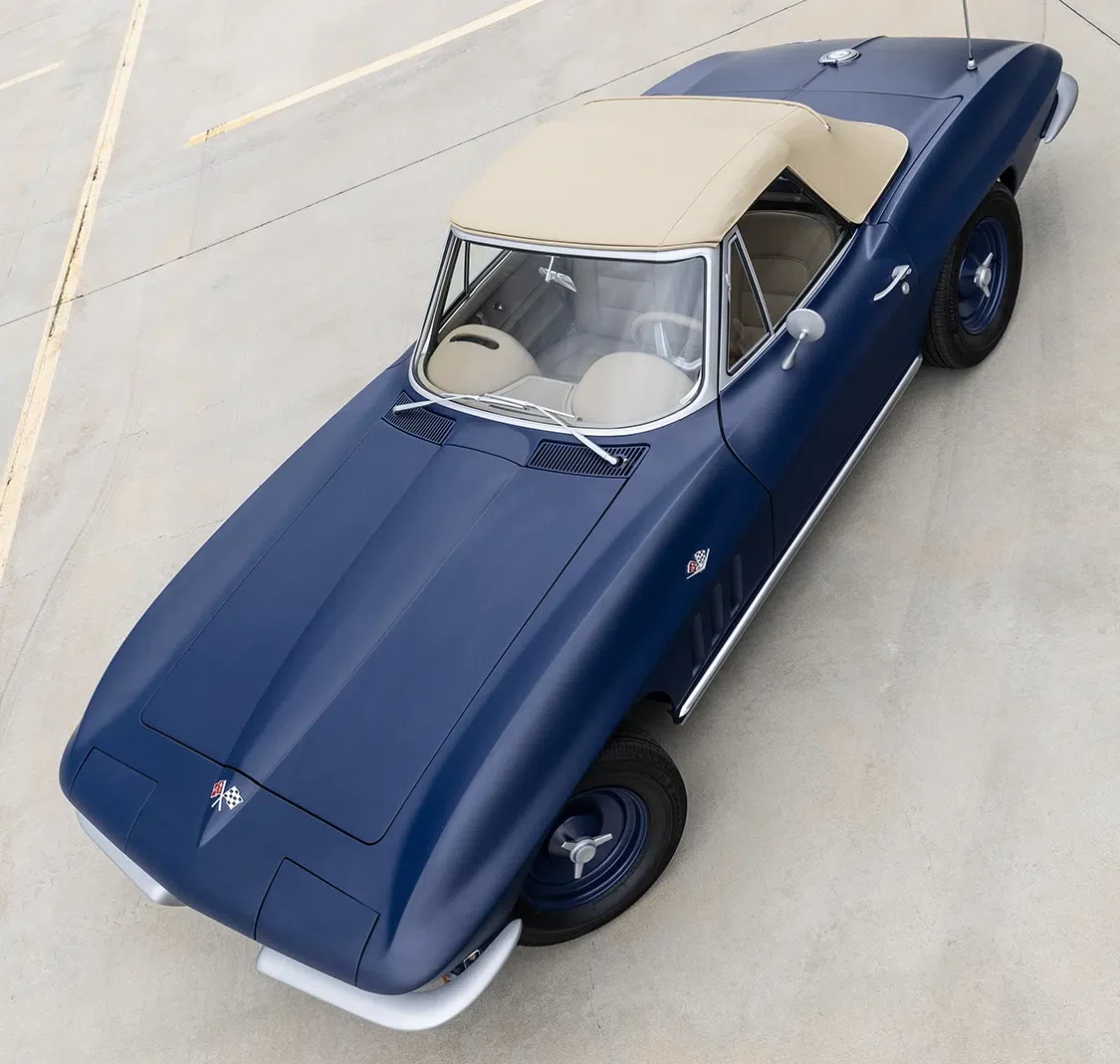
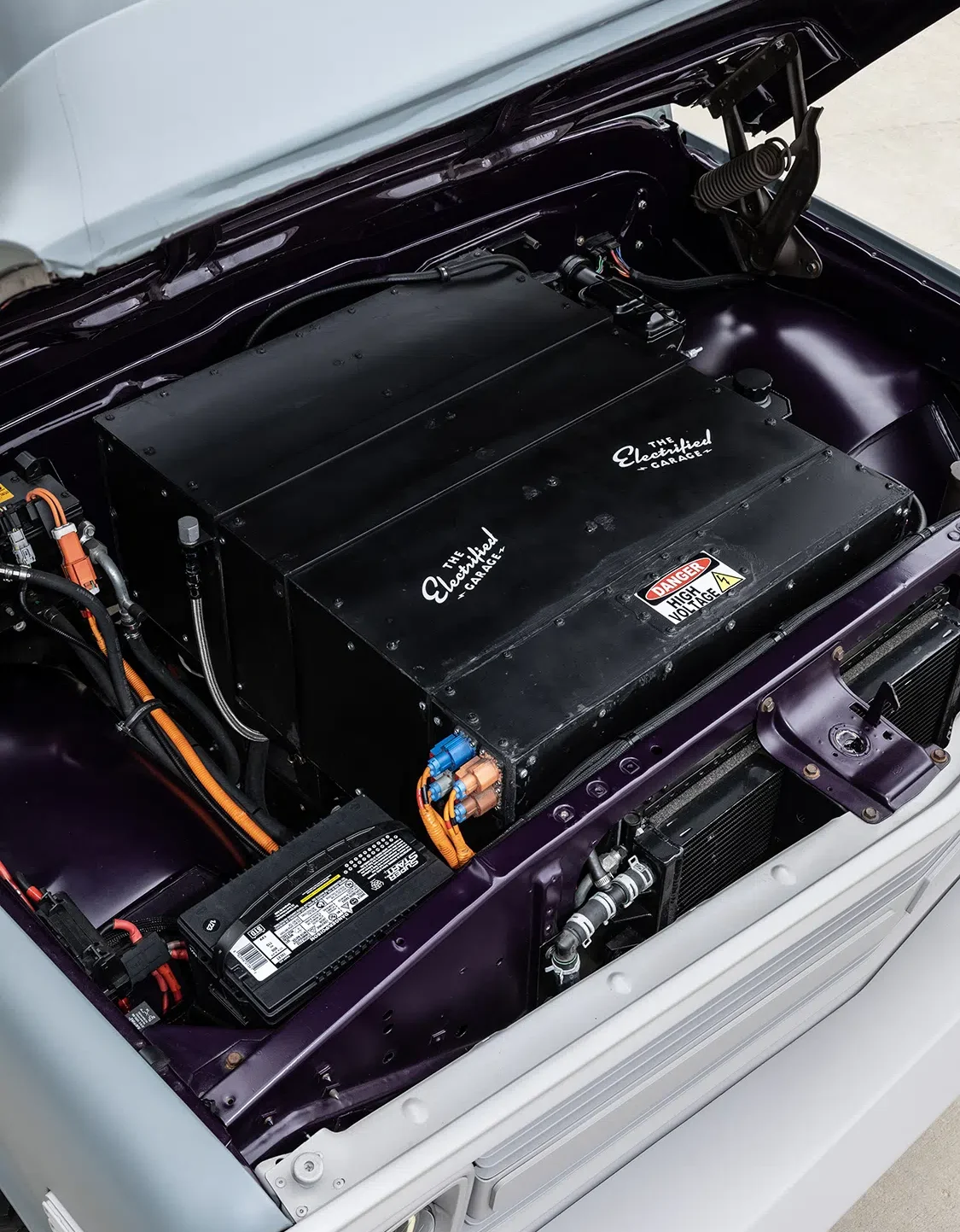
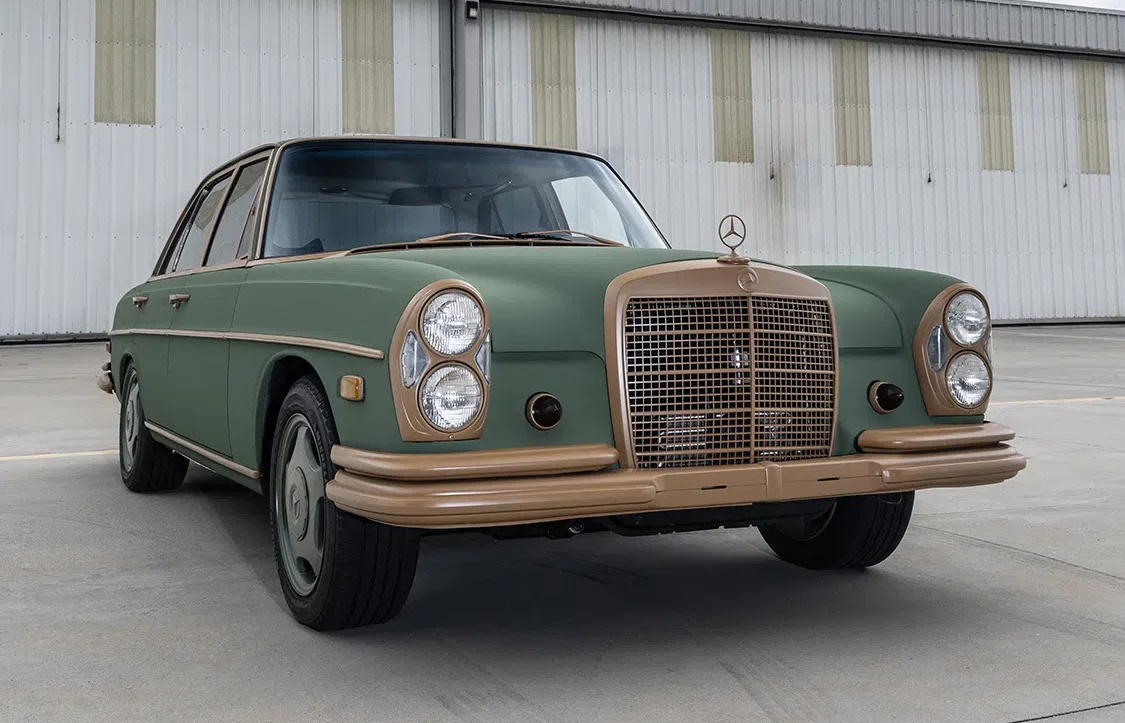
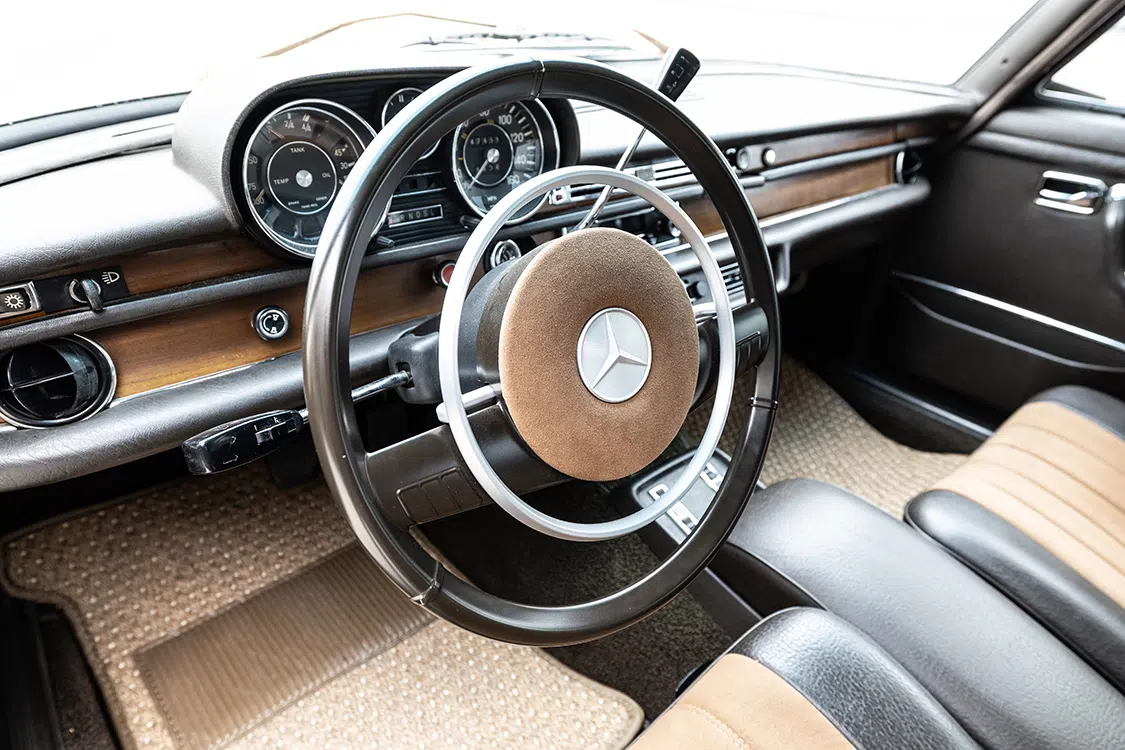
Some vehicles, like the Corvette featured on the show’s cover, undergo a stunning electric power conversion. Others, like Downey’s cherished 1969 Mercedes-Benz 280 SE, embrace a biodiesel conversion—because nobody’s perfect, even a Hollywood icon!
What sets “Downey’s Dream Cars” apart is its ultimate purpose. While most celebrities would auction off these revamped classics to the highest bidder, Downey has a different vision. He plans to give them away in a sweepstakes, ensuring that anyone, regardless of their wealth or status, has a chance to own one of his iconic cars.
“I want everybody to have a shot at owning one of these cars,” Downey asserts, determined to democratize the experience.
Yet, as with any transformative journey, there are skeptics. Some may question whether Downey’s eco-mission is merely a byproduct of his past role as a genius armored superhero. Do people underestimate his genuine commitment to environmental betterment?
“Why is this ‘Dream Cars’ show interesting?” Downey muses. “Sometimes, you want something different. My interests vary. It’s about offering viewers a unique perspective.”
In a world dominated by build shows, “Downey’s Dream Cars” emerges as a refreshing alternative. But why did Downey, with all his resources and opportunities, choose this particular path?
“If the show is successful, who knows?” he ponders. “Perhaps I’ll embark on more seasons. But if the goal is to draw attention to these cars, supporting the coalition’s mission statement, then it’s a success.”
What distinguishes Downey is his ability to draw massive attention to any cause he champions. He confronts the contentious issue of converting classic cars to electric power or alternative greener powertrains head-on, igniting a passionate debate.
“Where does the soul of the car reside?” he challenges. “For episode two, the soul of the Mercedes 280 SE is in the right front seat, where my mom sat.”
Each episode of “Downey’s Dream Cars” carries its unique message, but Downey’s ultimate hope transcends the confines of the series. A habitable planet for future generations isn’t solely the responsibility of governments or tech unicorns. It’s a collective effort driven by passionate individuals.
In the end, Downey’s transformation from Hollywood superhero to eco-crusader is a tale of redemption and resilience. It’s a story of audacious belief, reminding us that even the most iconic cars can find a greener path to glory. It’s a dream that’s as electrifying as it is inspiring—a dream that may just change the world, one car at a time.
Robert is giving away six of his cherished “dream cars” from his private collection in partnership with the FootPrint Coalition, a non-profit organization he established, dedicated to advancing environmental causes. FootPrint Coalition’s nonprofit offers grant funding, provides education on solutions, and creates content to mobilize a global audience to support its efforts in accelerating groundbreaking technologies that address the world’s largest environmental challenges.

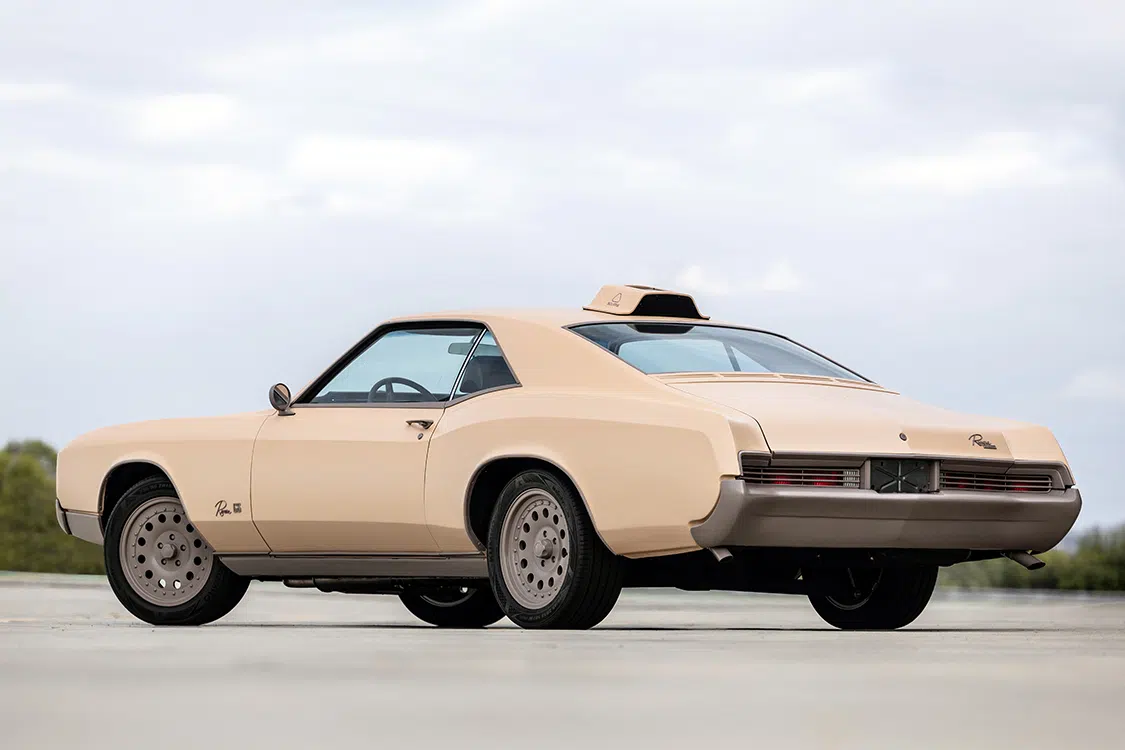
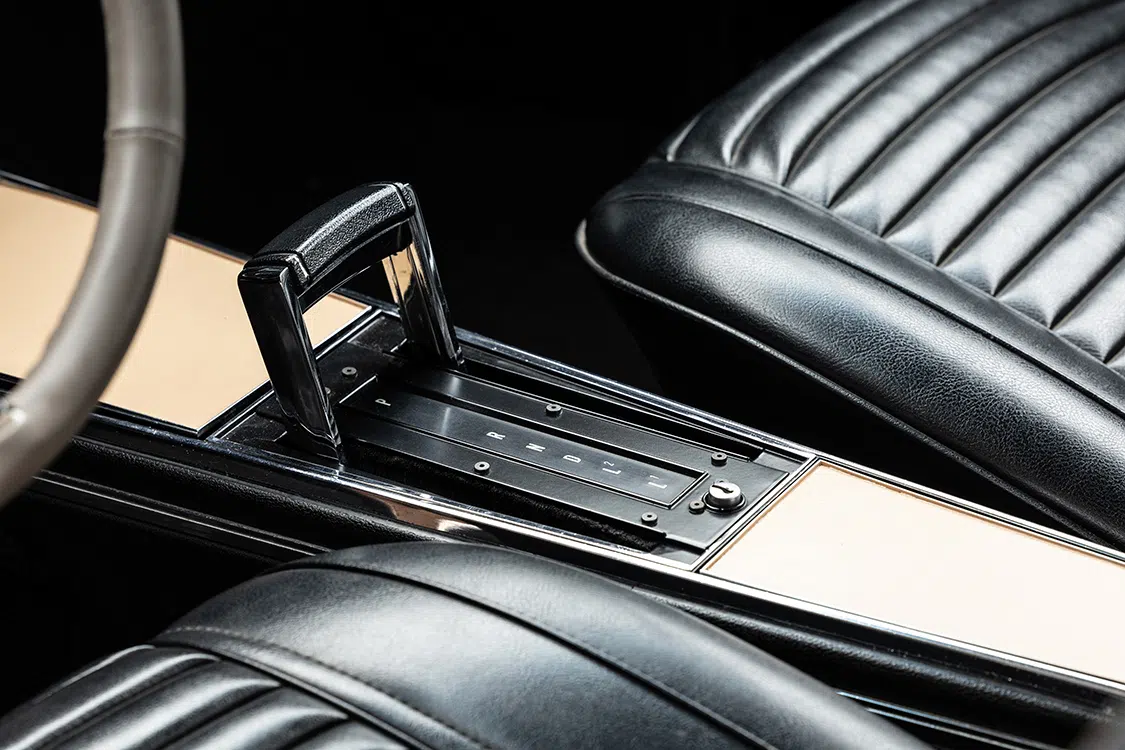
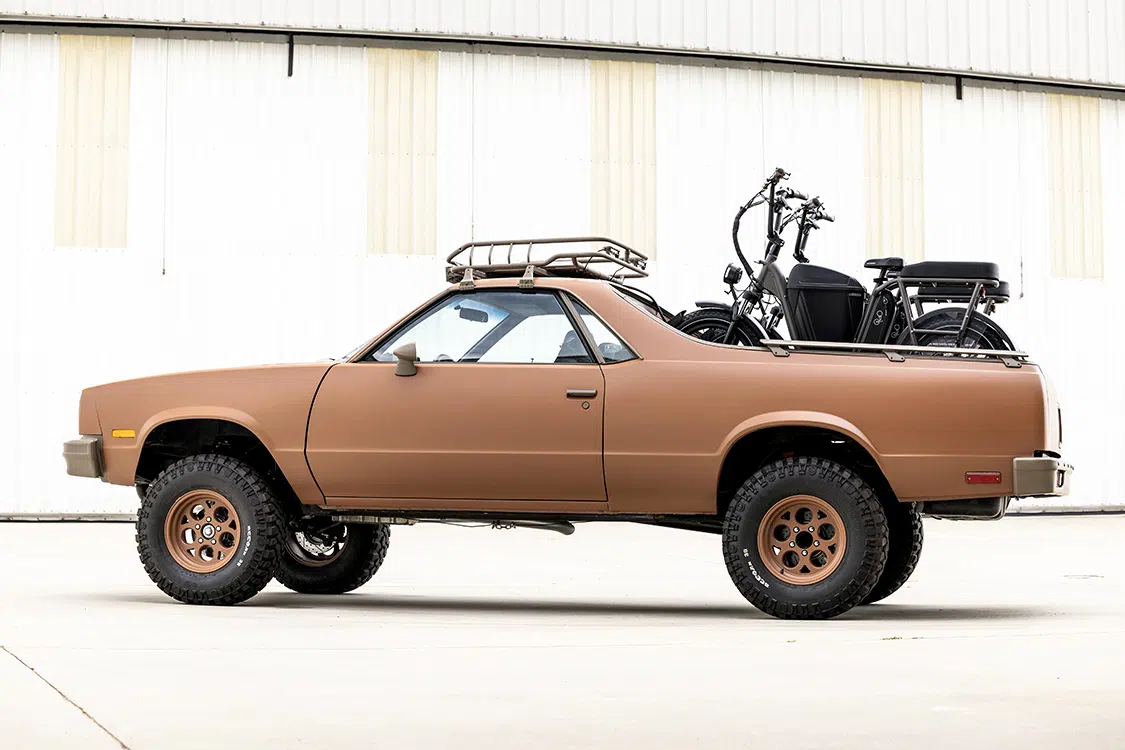
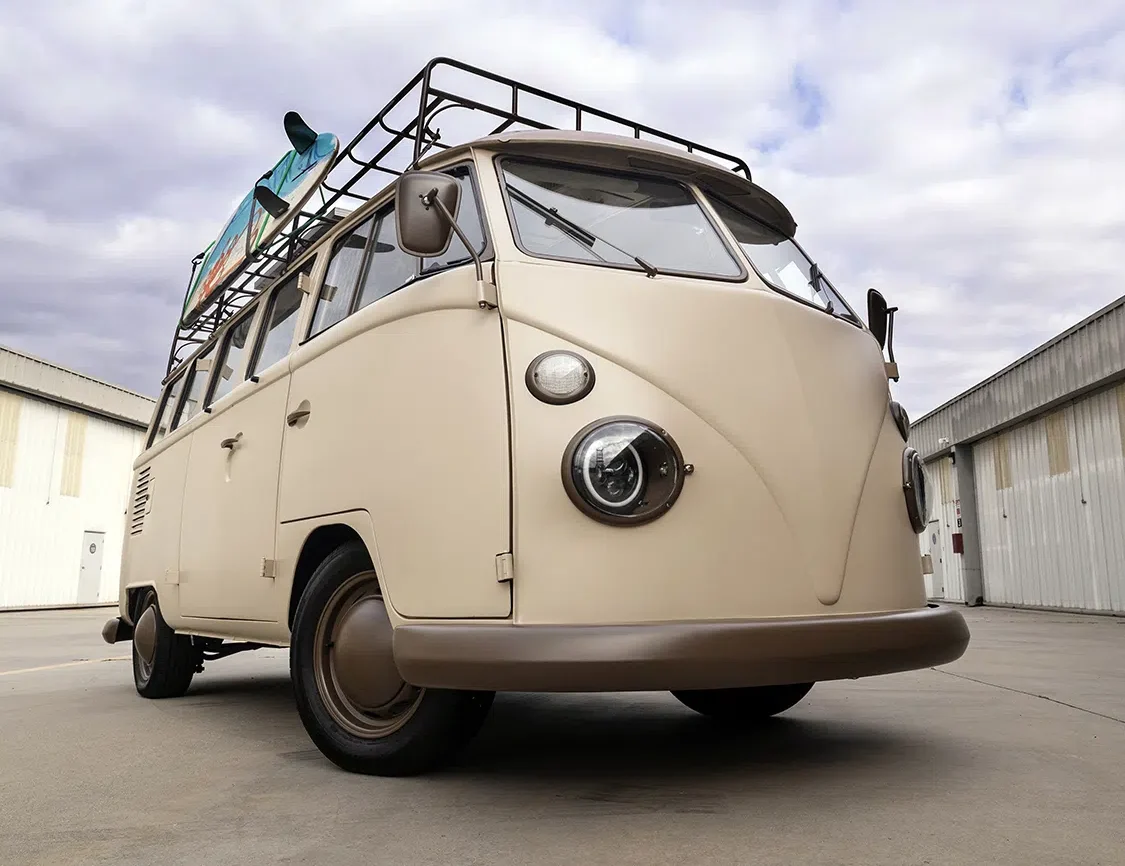
The eco-modified vehicles up for grabs include a 1965 Chevrolet Corvette, a 1966 Buick Riviera, a 1969 Mercedes-Benz 280SE, a 1972 Chevrolet K10 Pickup, a 1972 VW Bus, and a 1985 Chevrolet El Camino. All six cars are featured in Max’s “Downey’s Dream Cars” docuseries.
While participation doesn’t require a purchase or donation, donations are converted into entries. All entries have the same chance of winning.
All proceeds will be directed toward the non-profit arm of the FootPrint Coalition.
Visit RDJdreamcars.com to enter for a chance to win one of Robert’s rides and to see full official rules, including eligibility requirements and details on the alternative method of entry!
1965 Chevrolet Corvette:
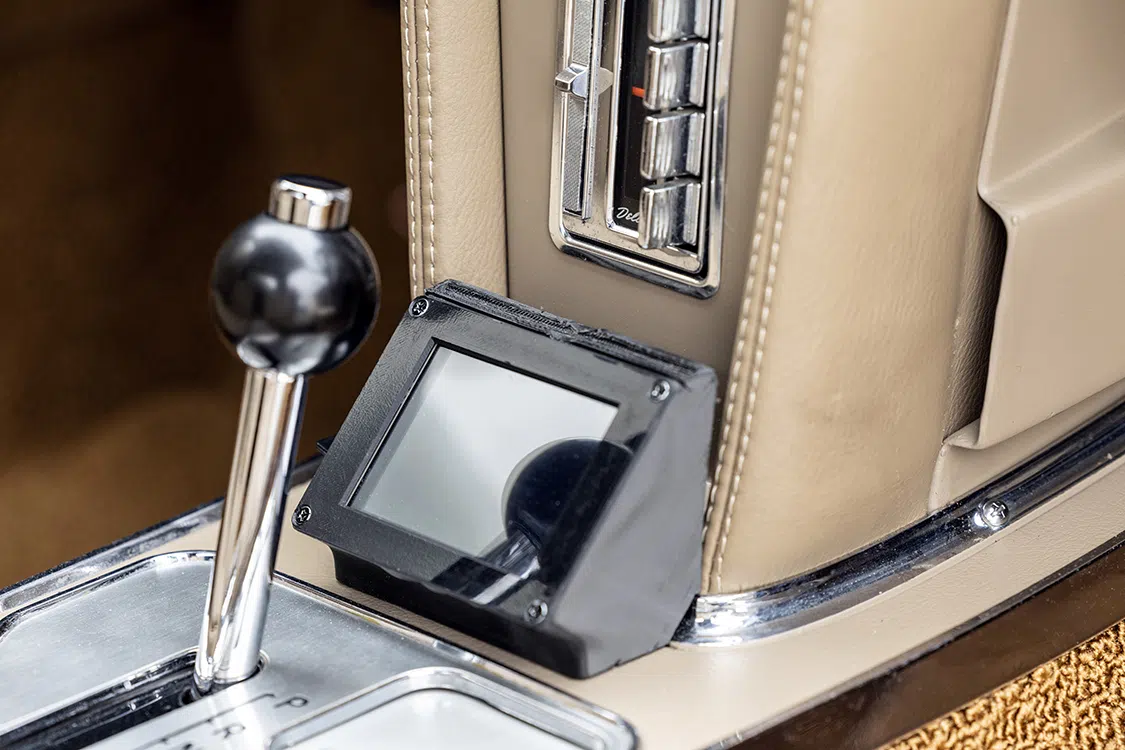
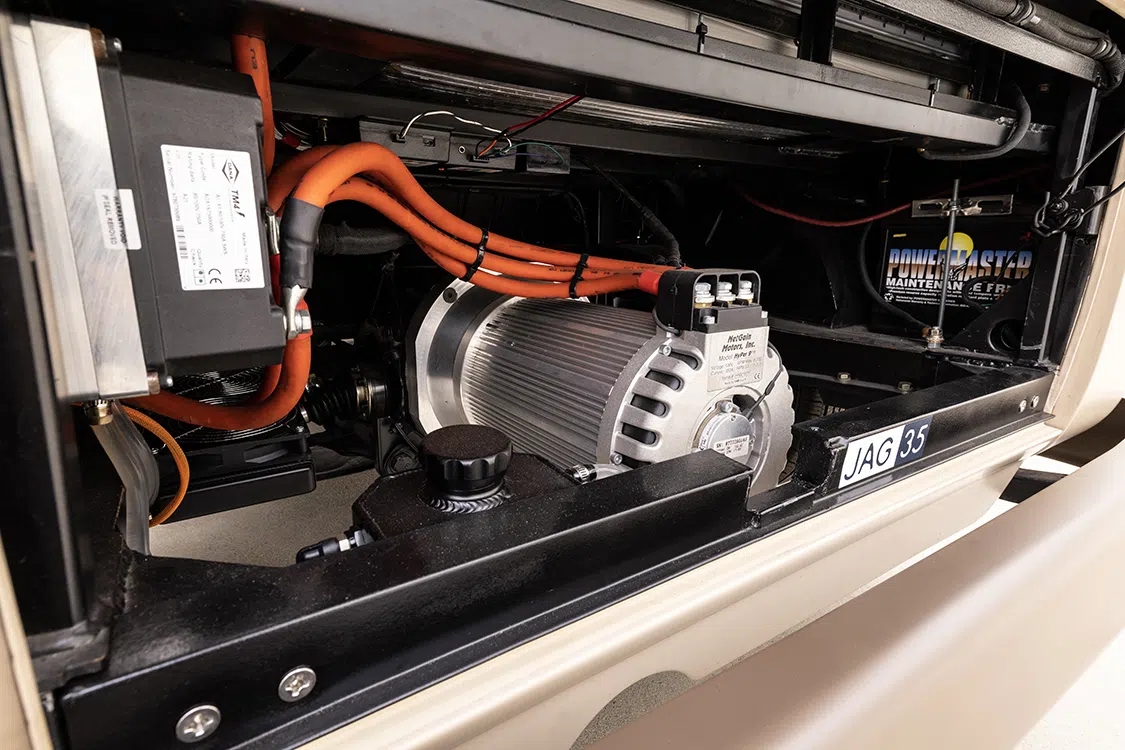
The 327 small-block engine is replaced with two Hyper 9s; sports a one-of-a-kind mushroom-based interior.
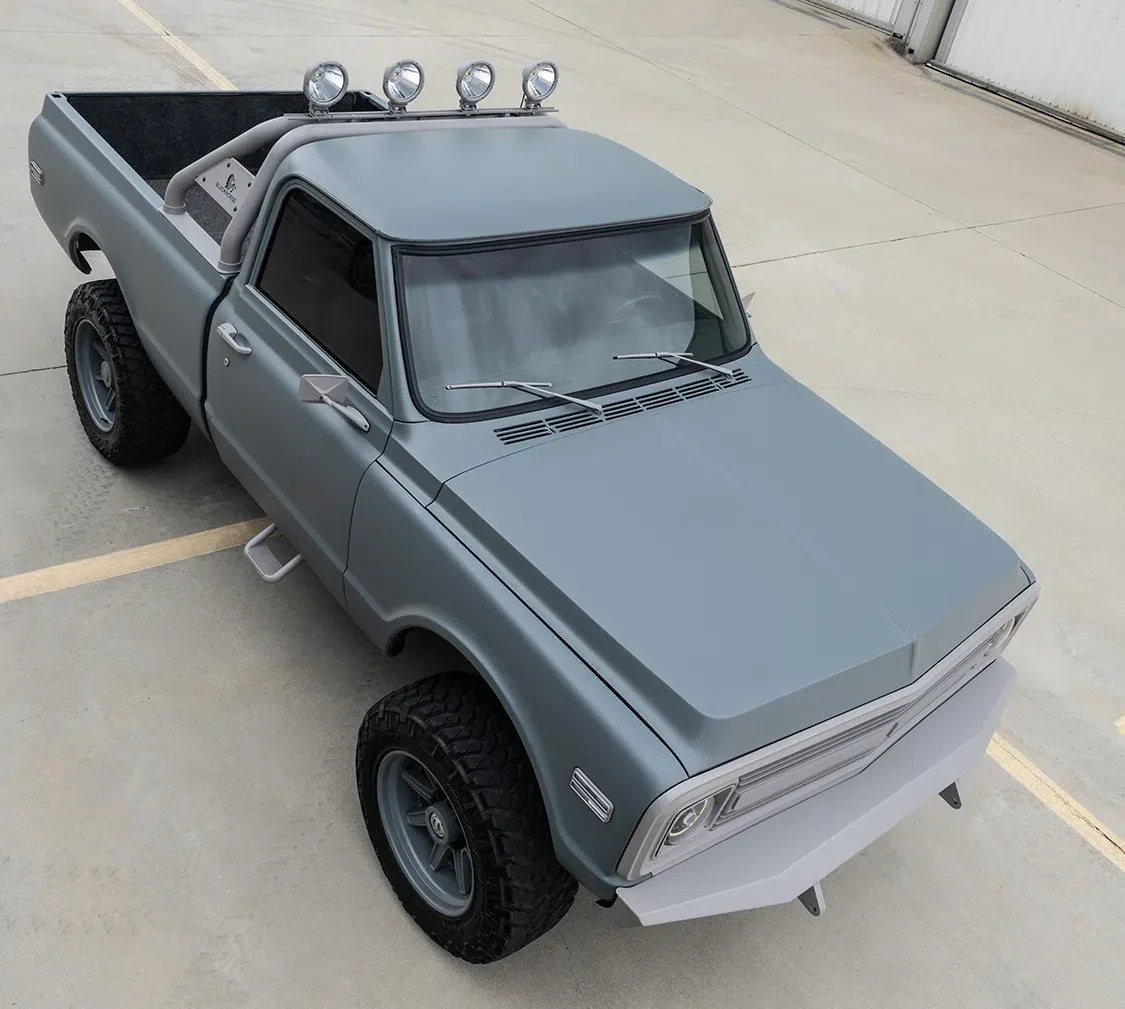
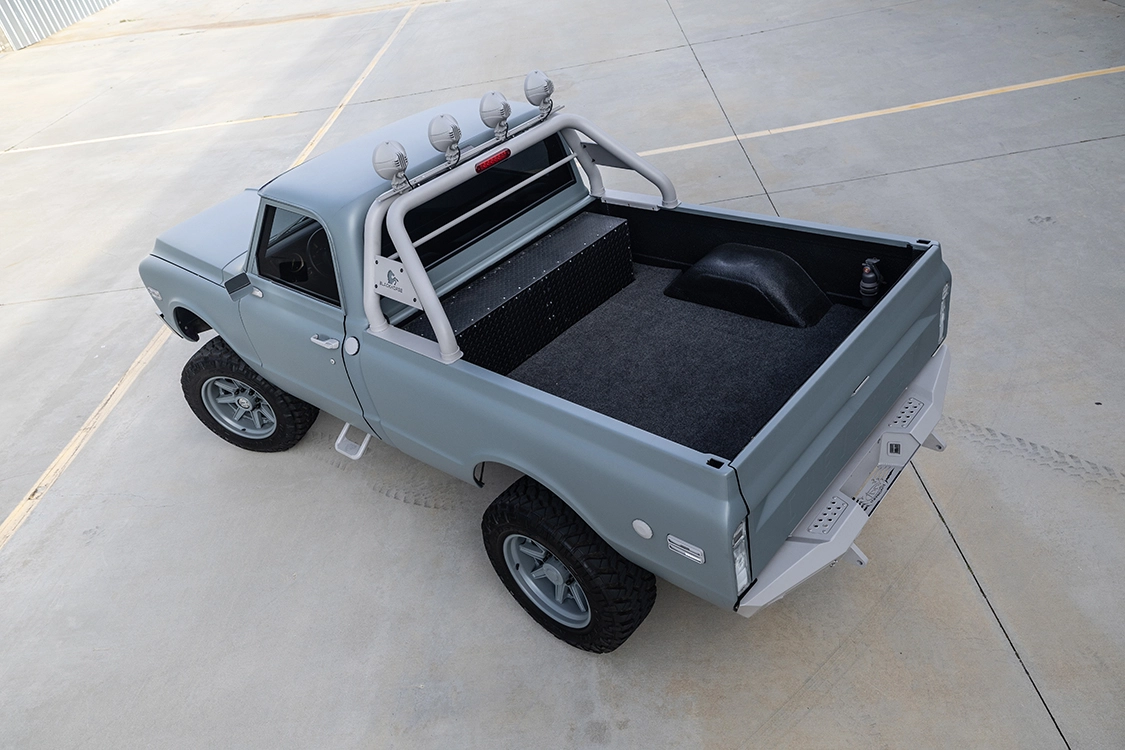
1972 K10 truck:
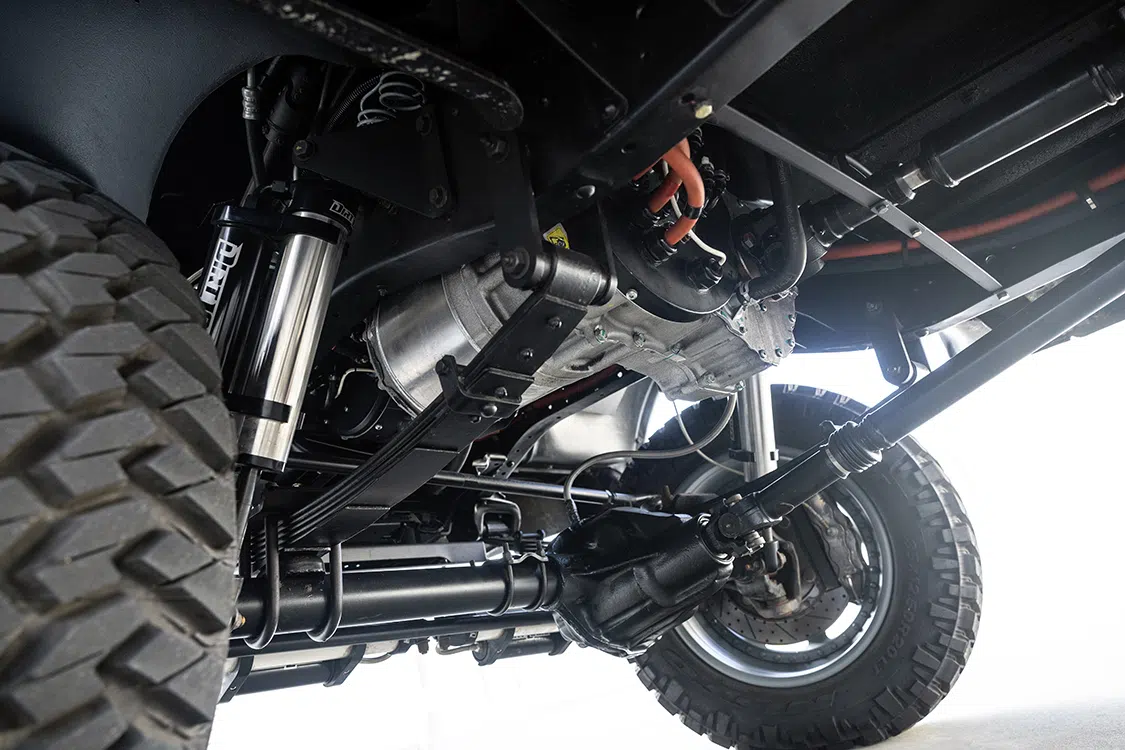
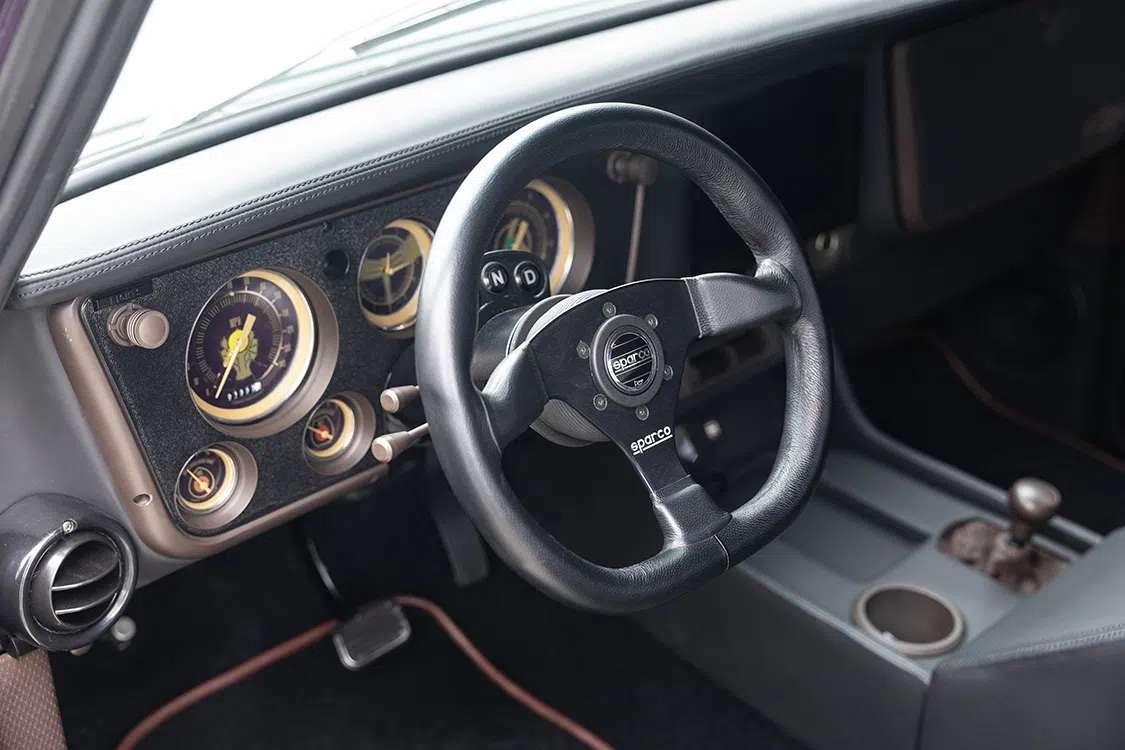
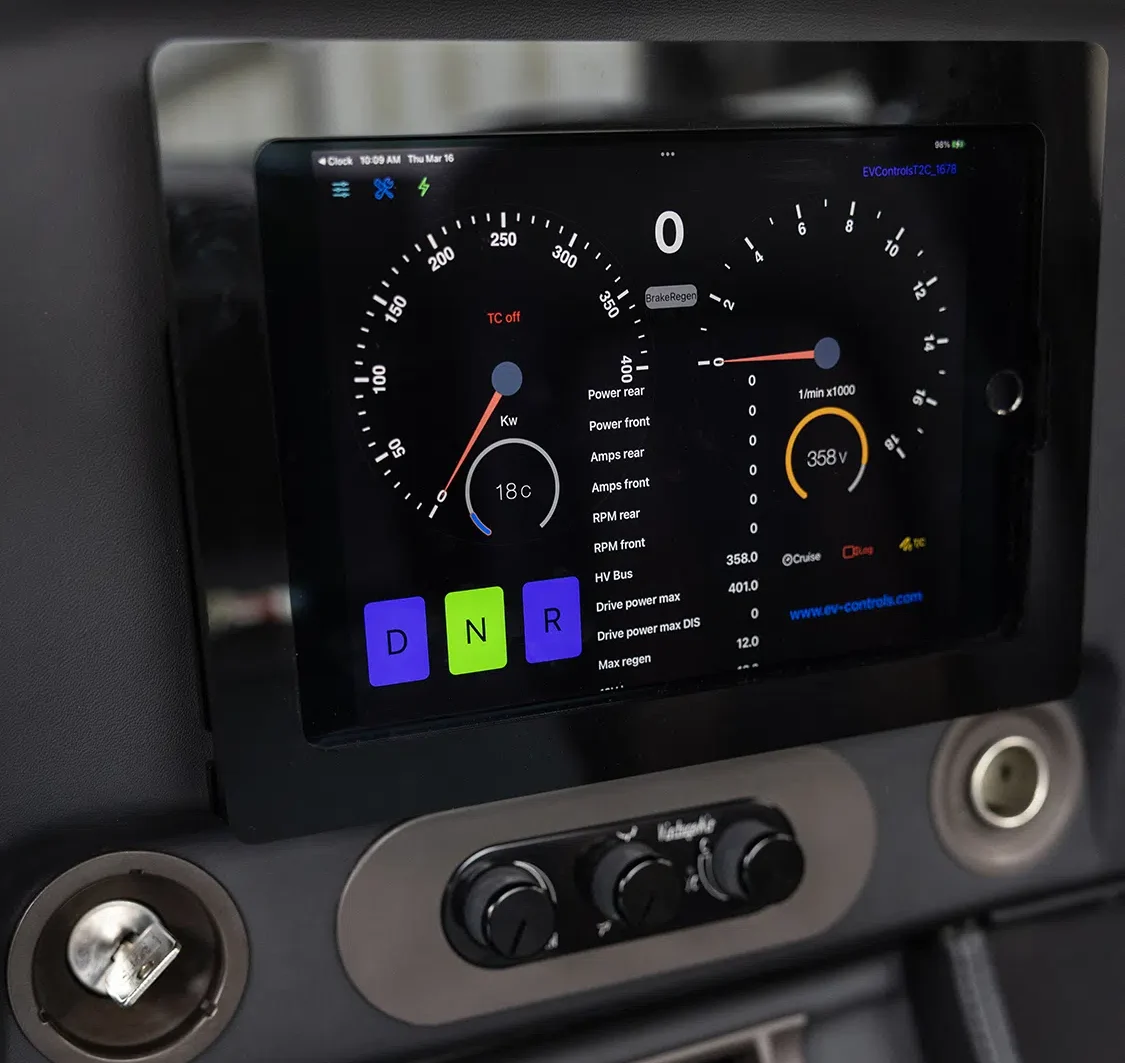
Converted to EV pickup with Tesla Model S Performance Large Drive unit and modules.
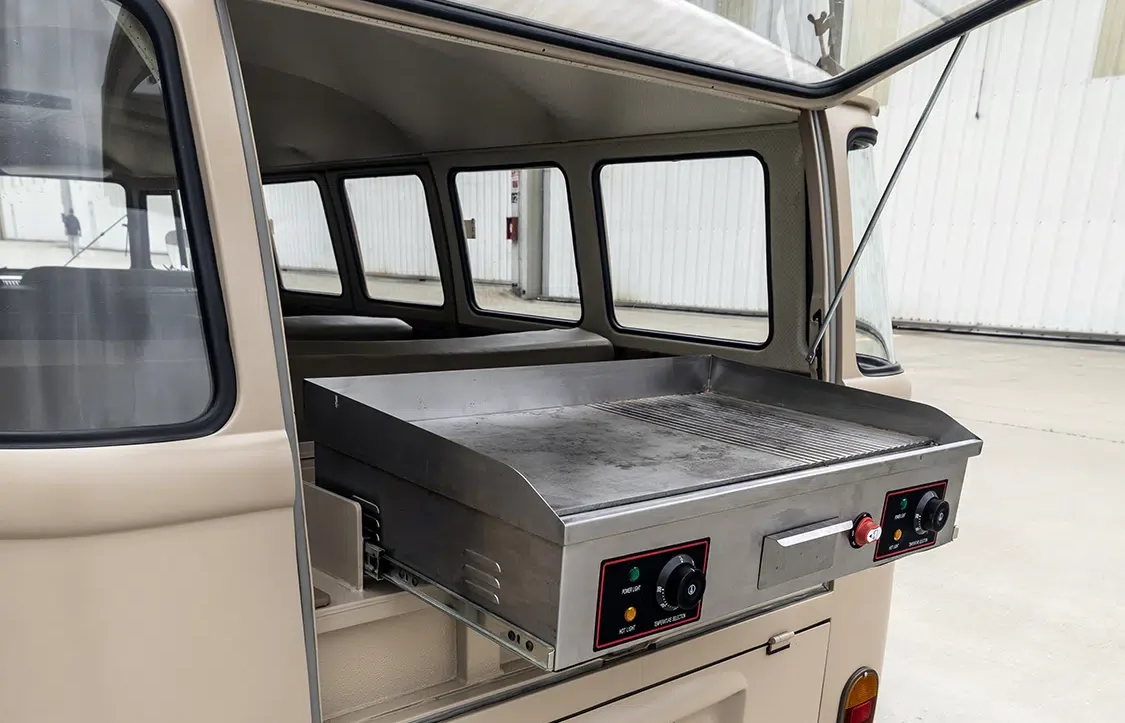
1965 VW Bus:
The 1100 CC air-cooled engine was swapped by EV West, who also installed a custom battery pack and a solar-powered electric barbecue that slides out of the back of the bus.
1969 Mercedes Benz 280 SE:
Modern diesel engine converted to run on biodiesel; new recycled plastics-based interior.
1966 Buick Riviera:
425-cubic-inch V-8 engine replaced with a modern hybrid engine; added a first-of-its-kind prototype Aclima air quality sensor.
1985 Chevrolet El Camino:
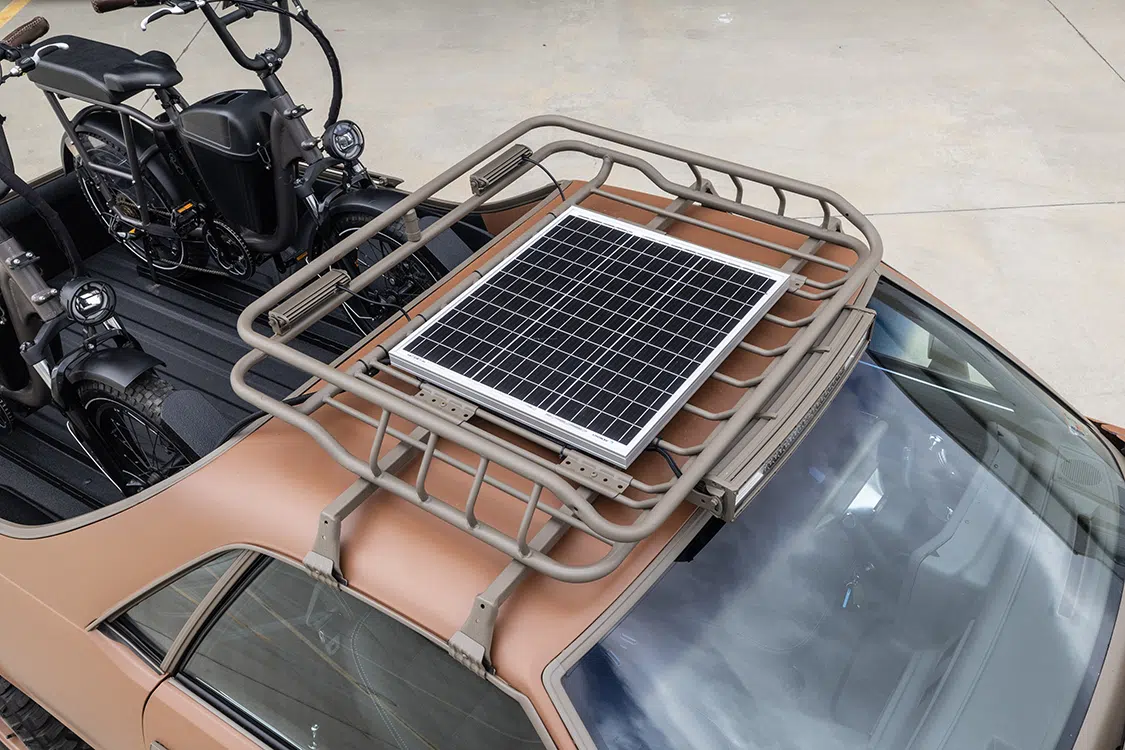
Modern 4-cylinder Chevrolet turbo gas engine; solar-powered bike rack in the bed.