







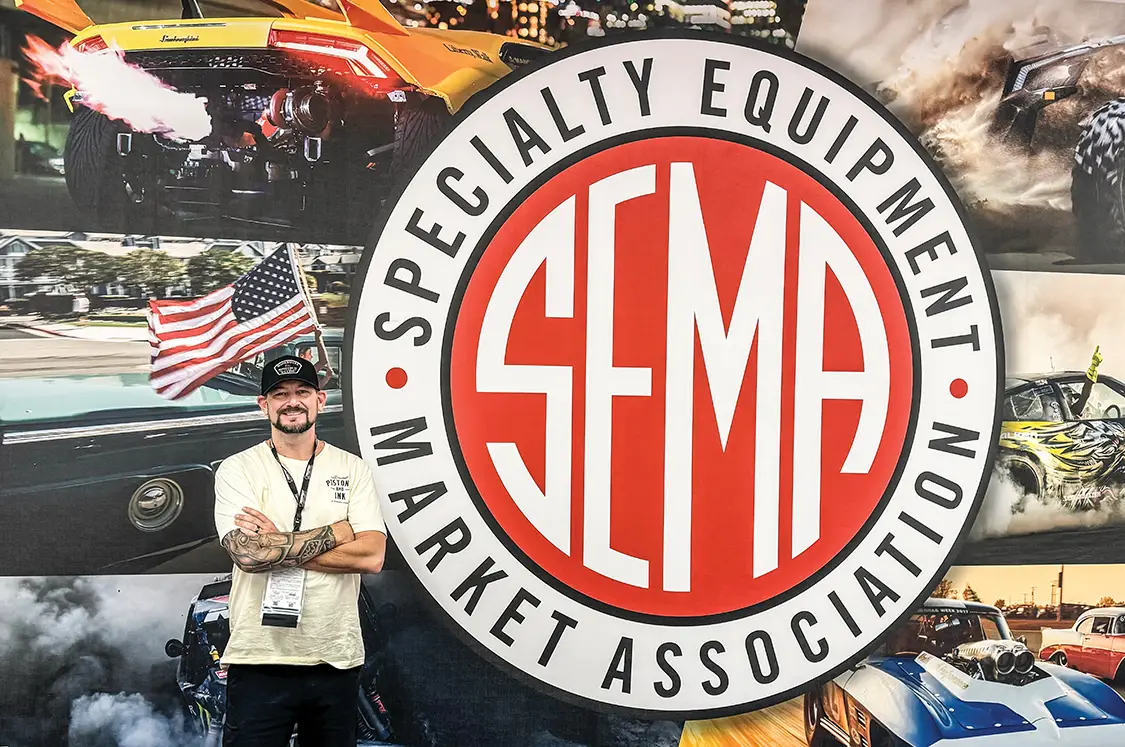
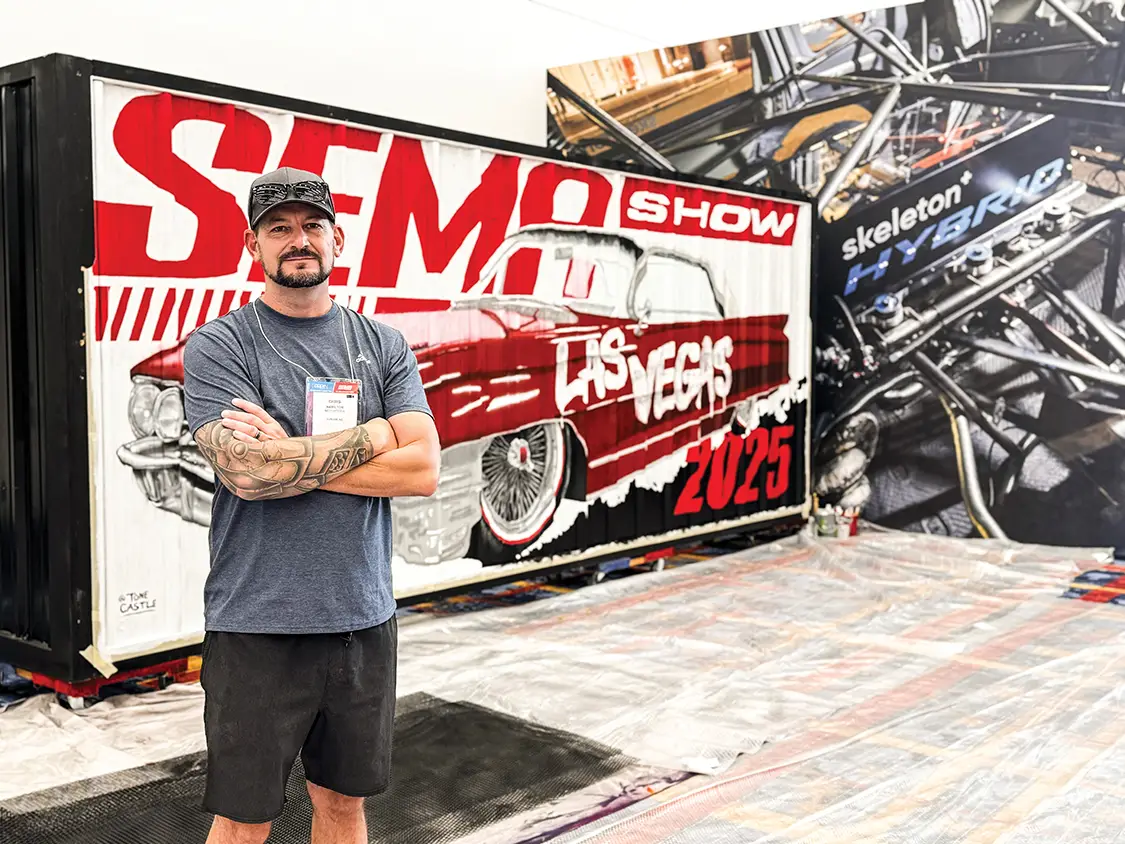
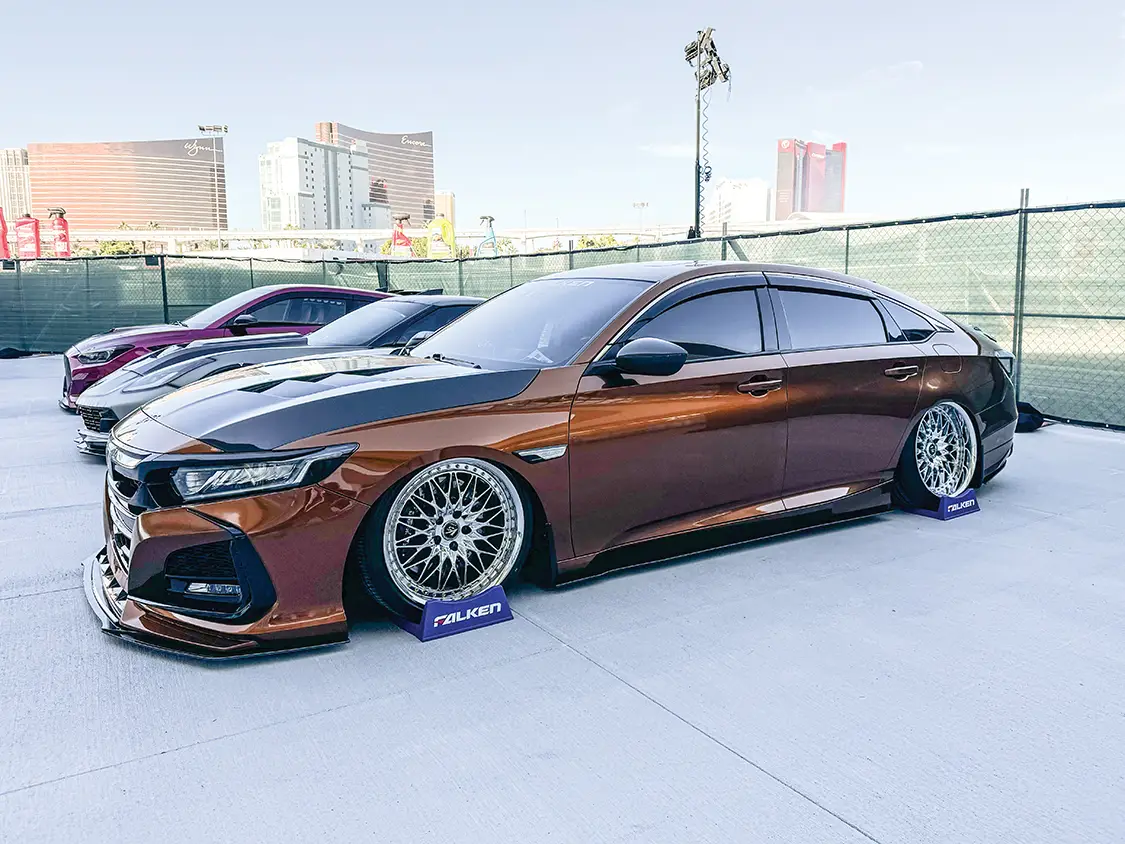
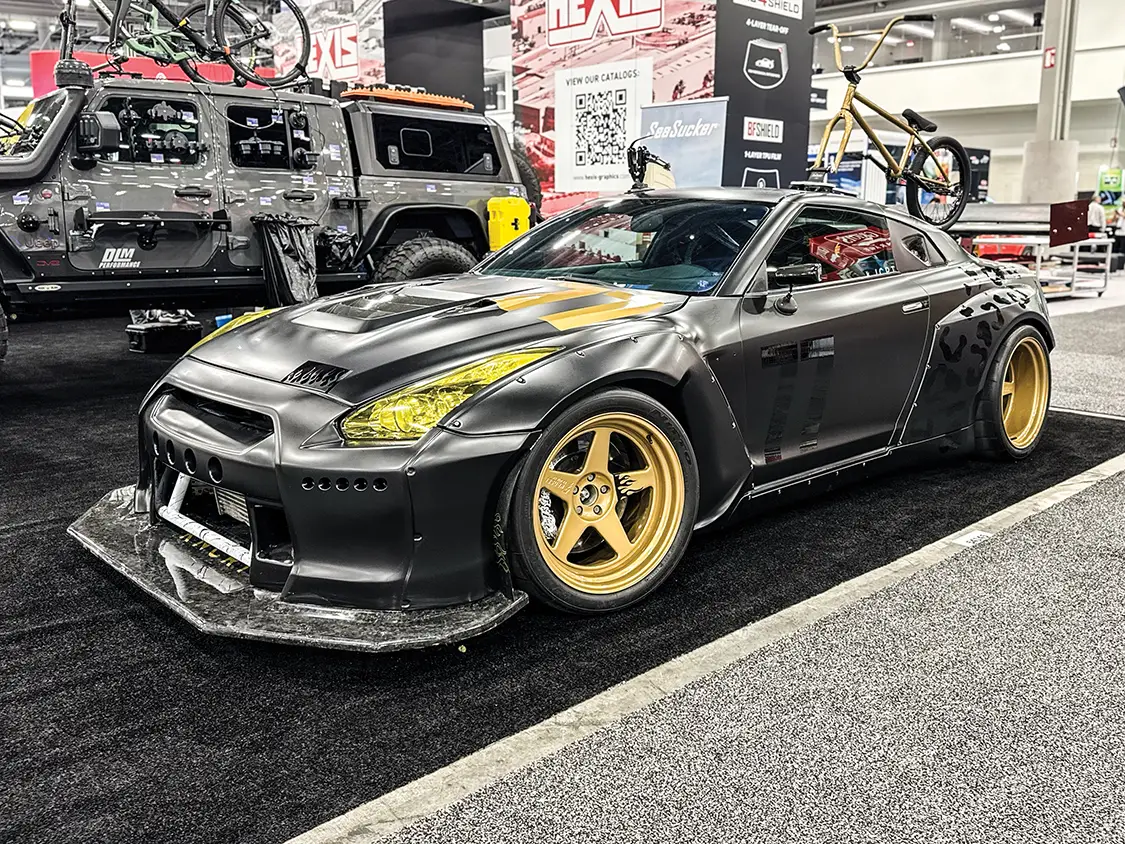
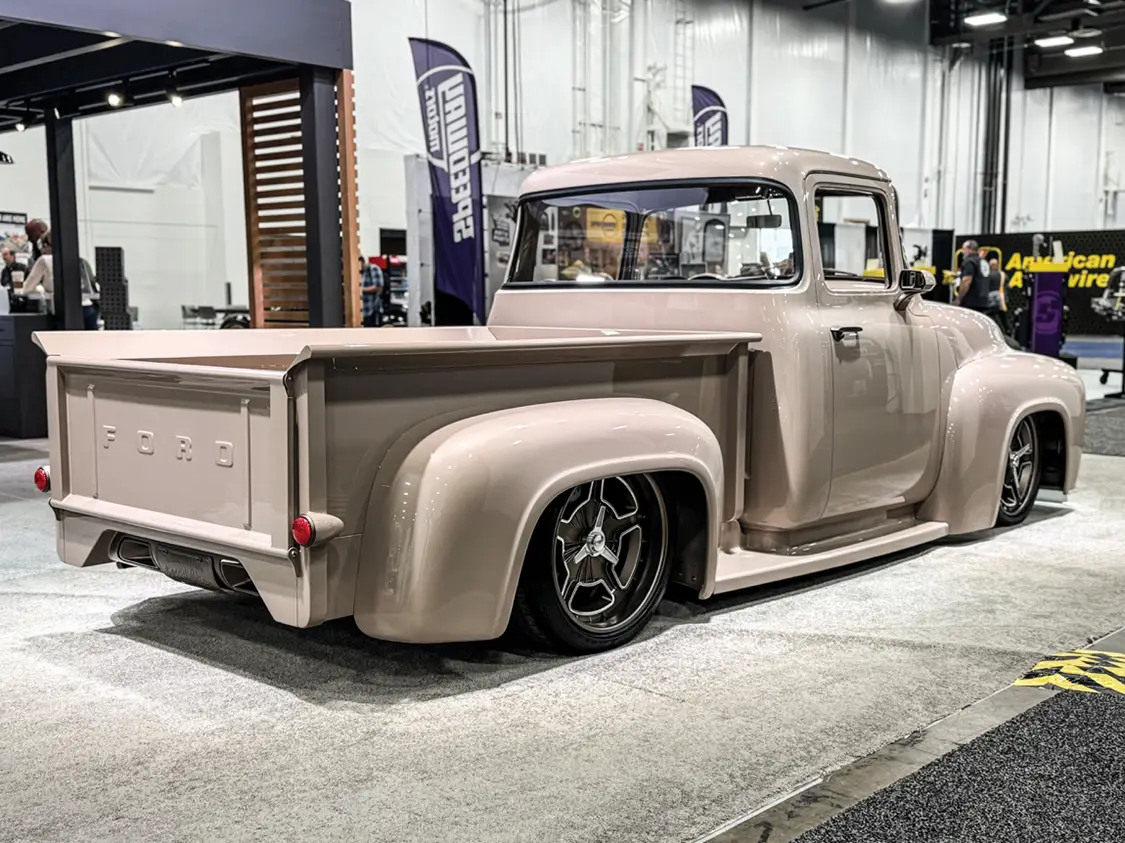
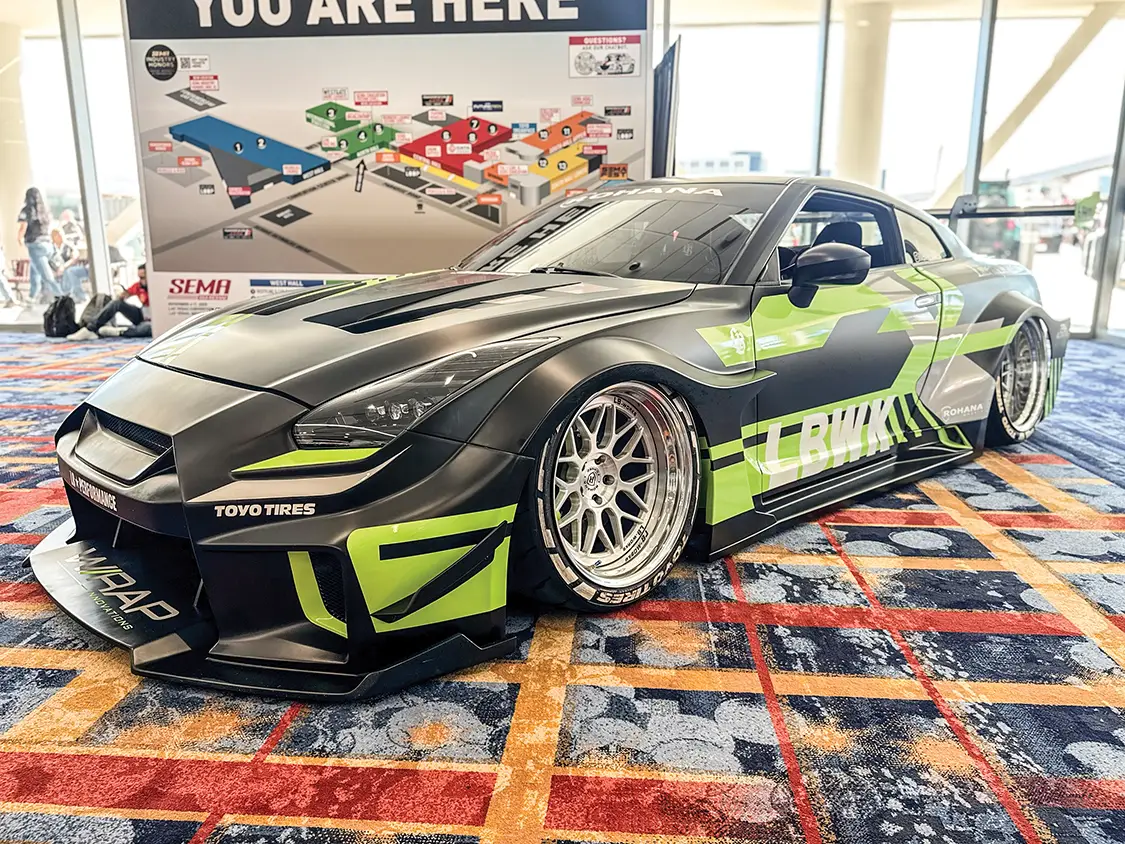
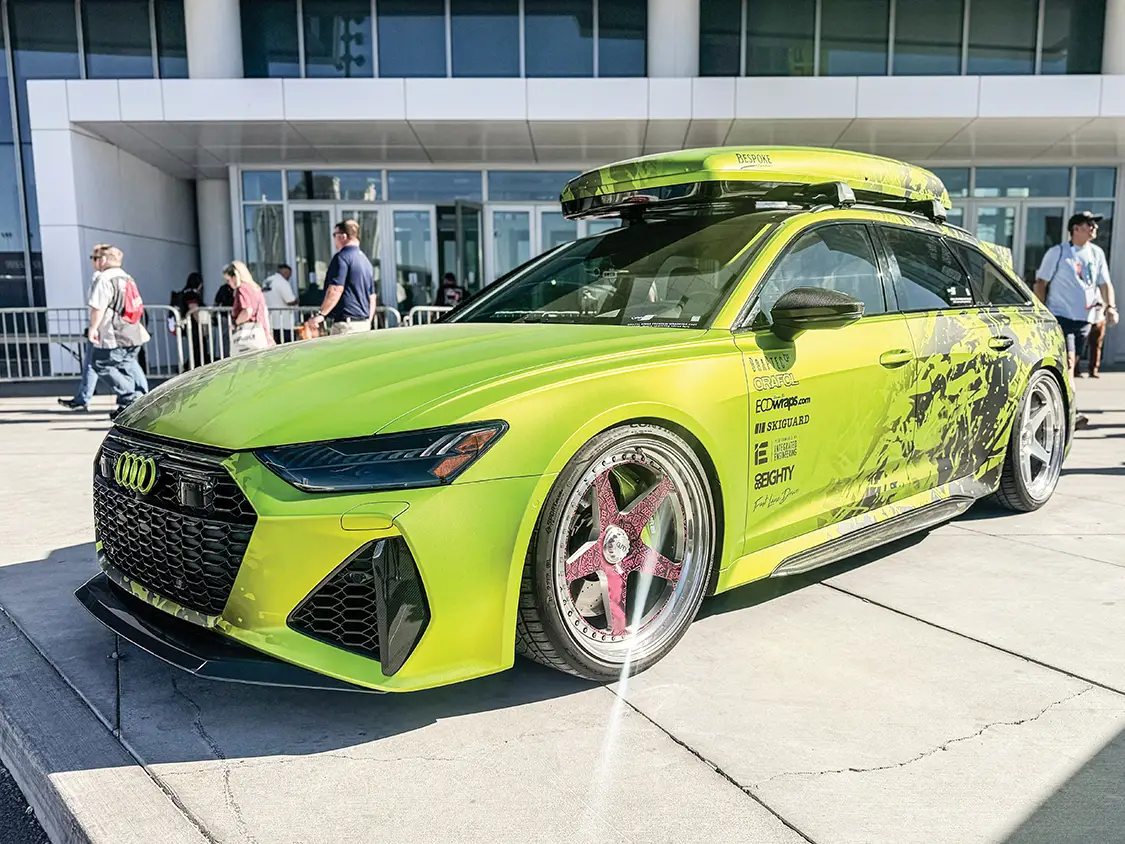
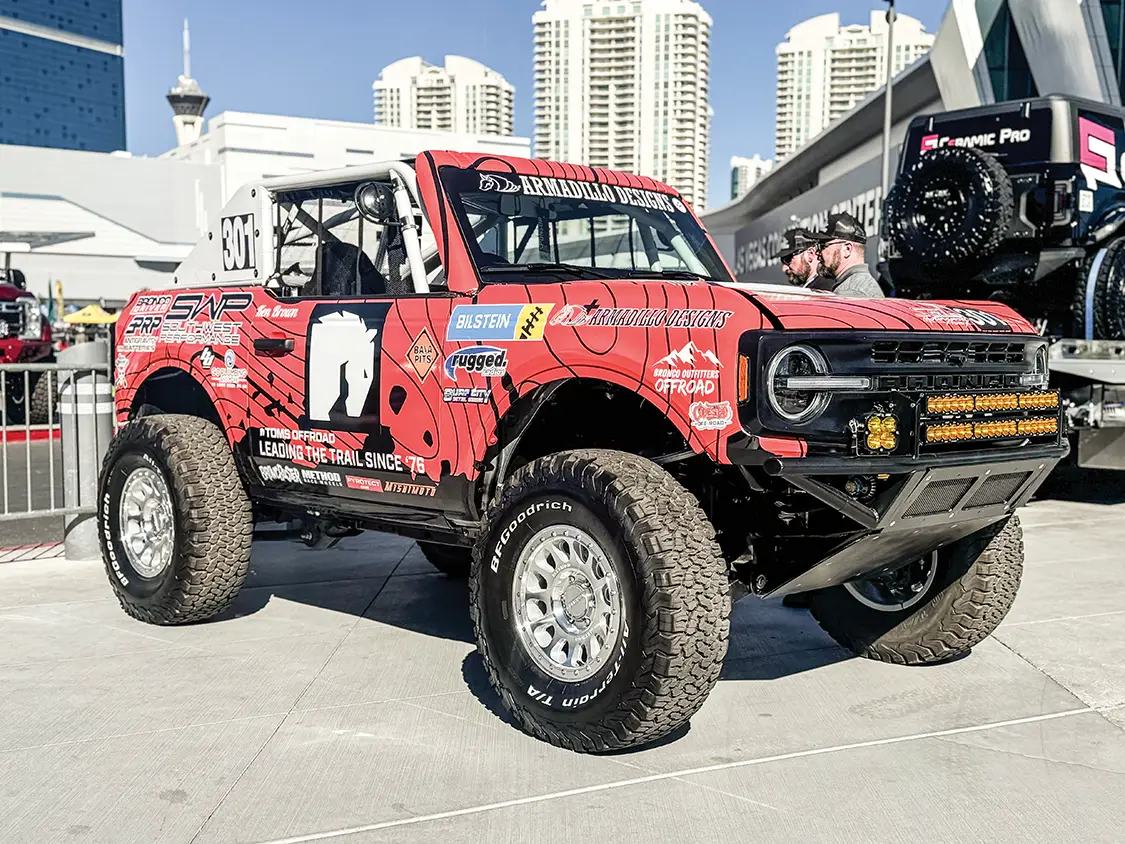
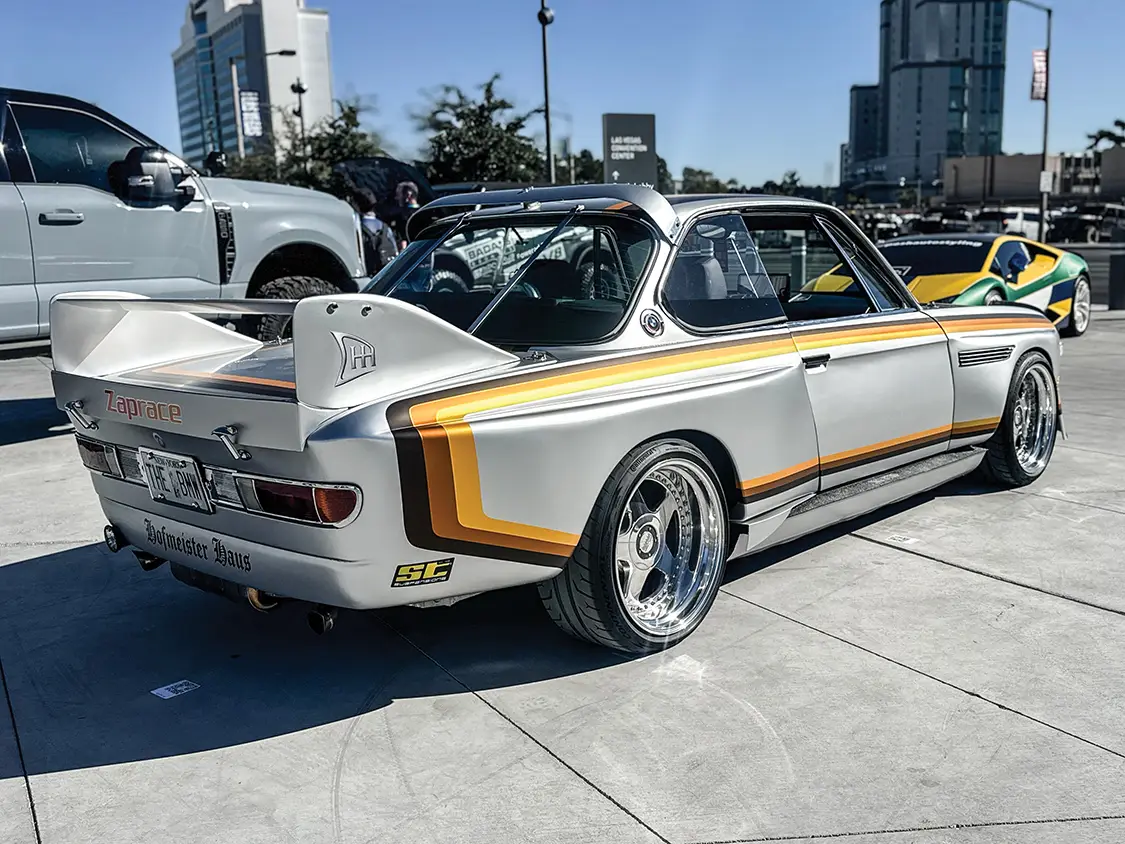
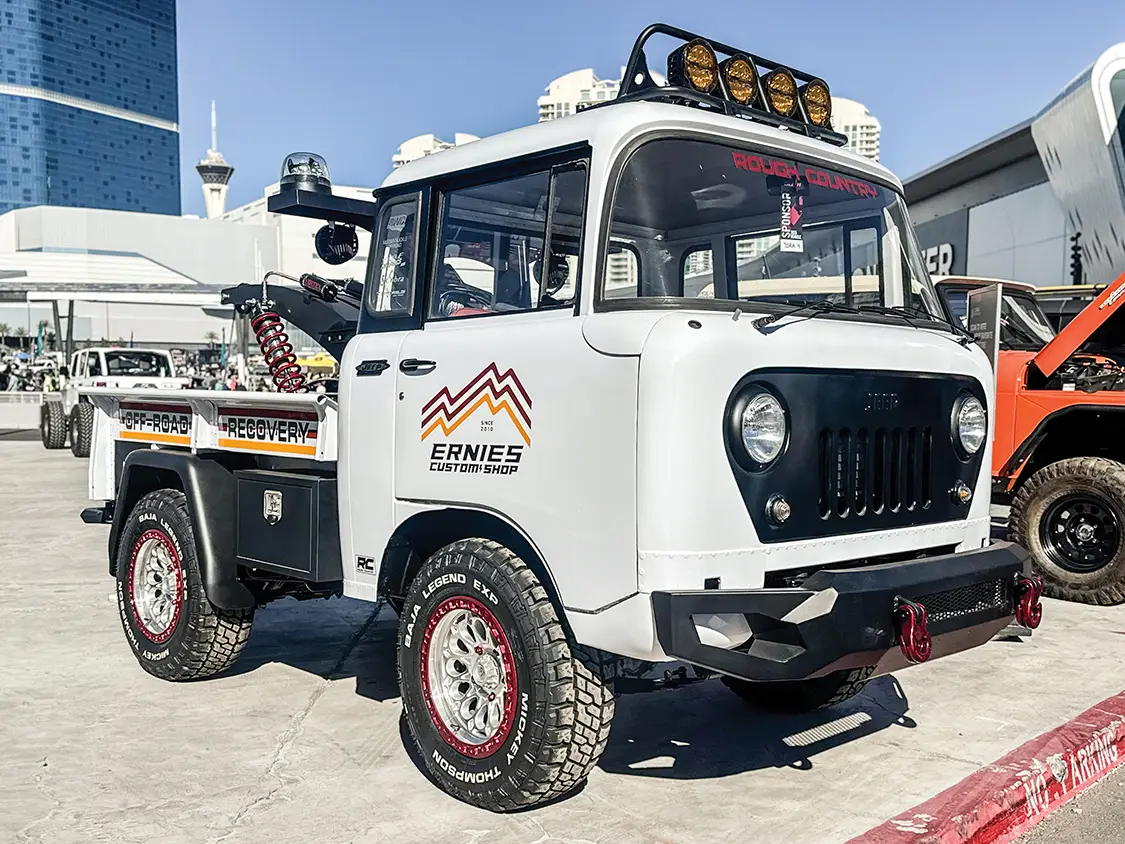
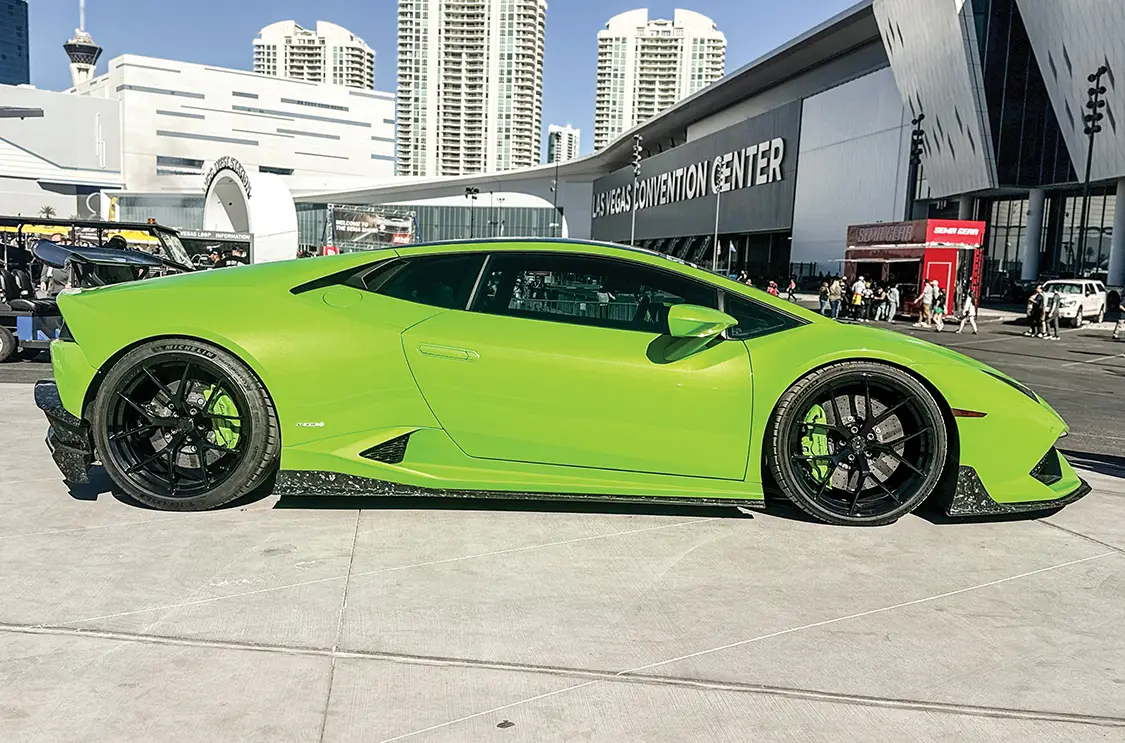
EVERY NOVEMBER, THE LAS VEGAS CONVENTION CENTER TRANSFORMS INTO THE EPICENTER OF AUTOMOTIVE PASSION, AND THE 2025 SEMA SHOW, HELD NOVEMBER 4-7, DELIVERED ANOTHER MASTERCLASS IN EXCESS AND EXCELLENCE. What began in 1967 as a modest gathering of 98 exhibitors and 100 buyers in Los Angeles has exploded into the planet’s largest automotive trade event: 2,400 exhibitors, 160,000 attendees, and more than 3,000 new products unveiled across 1.2 million square feet of showroom. From its roots as the Speed Equipment Manufacturers Association pushing performance parts during the muscle-car heyday, SEMA has evolved into the ultimate showcase of personalization, innovation, and unbridled creativity.
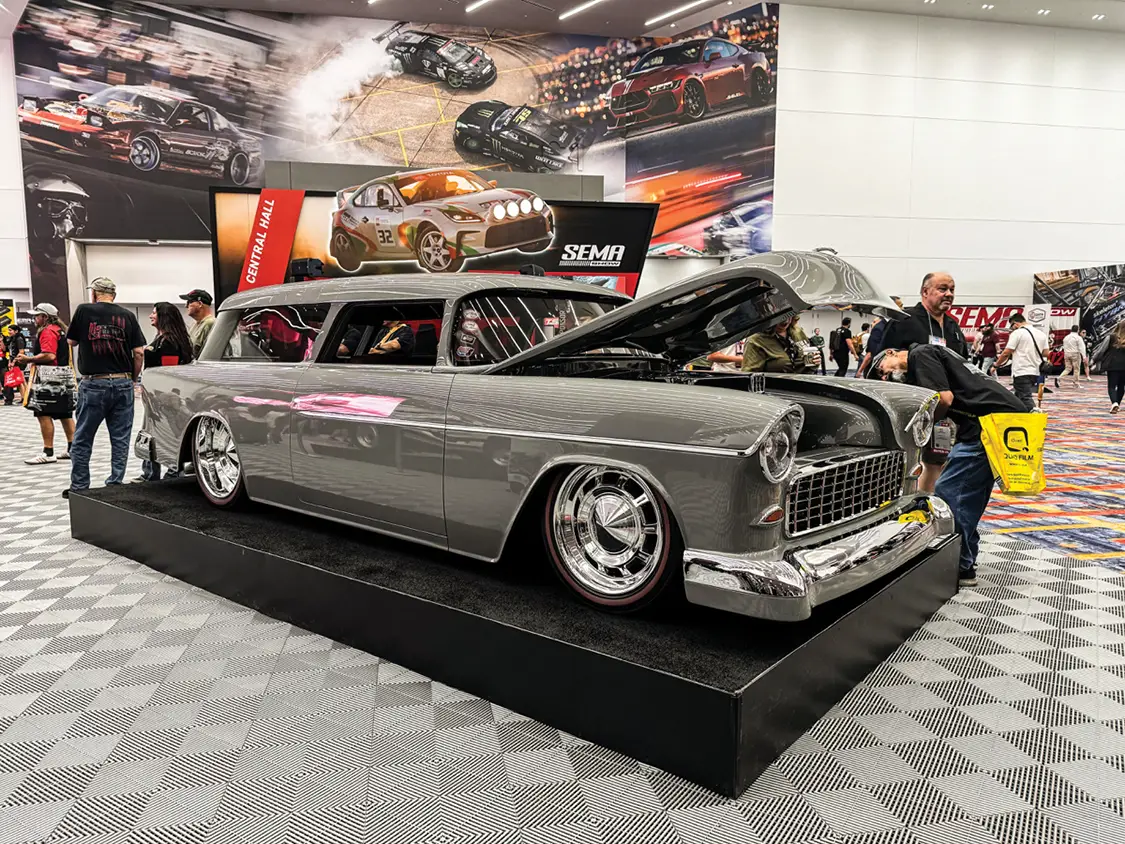
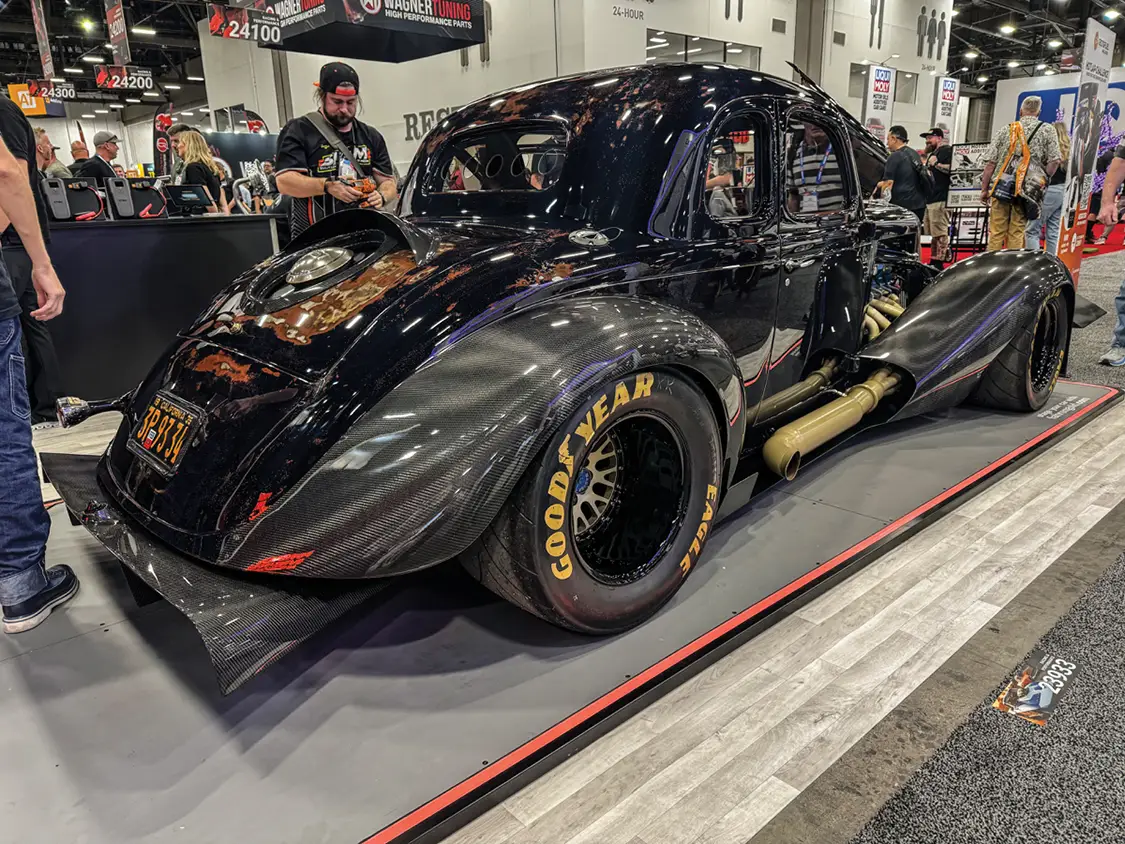
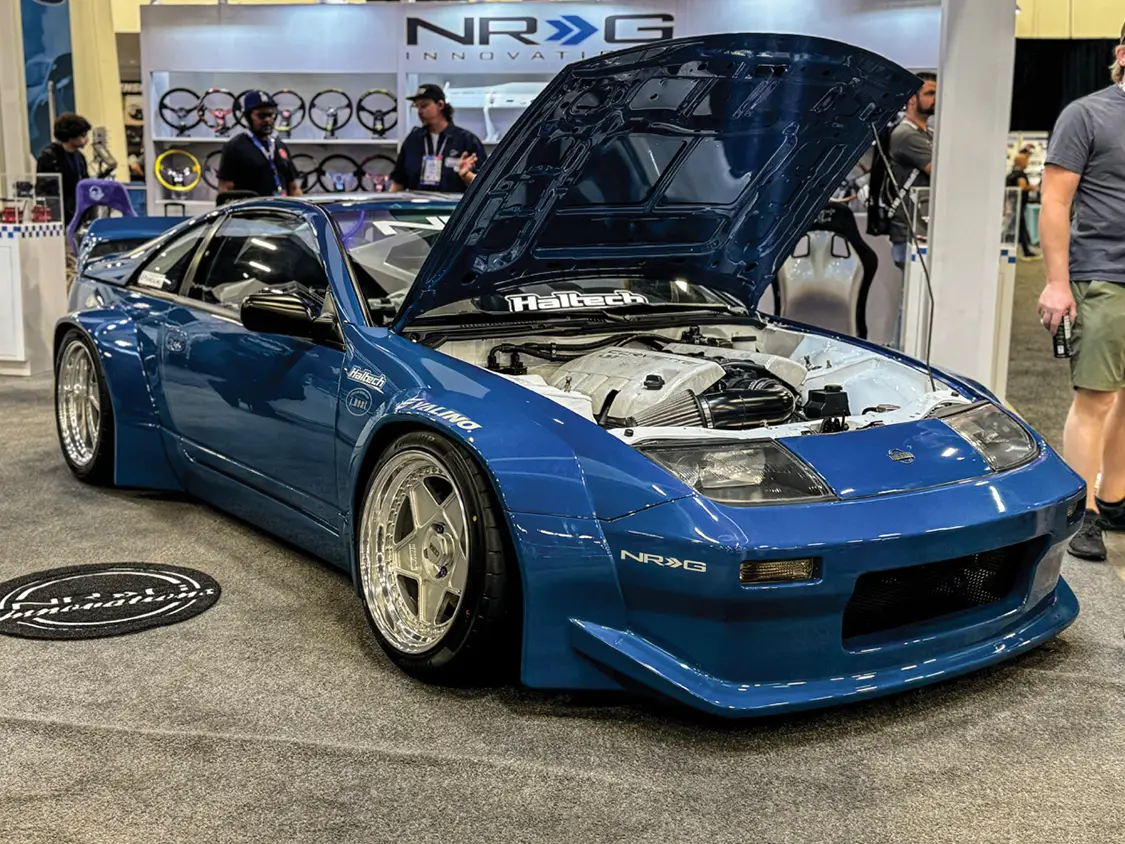
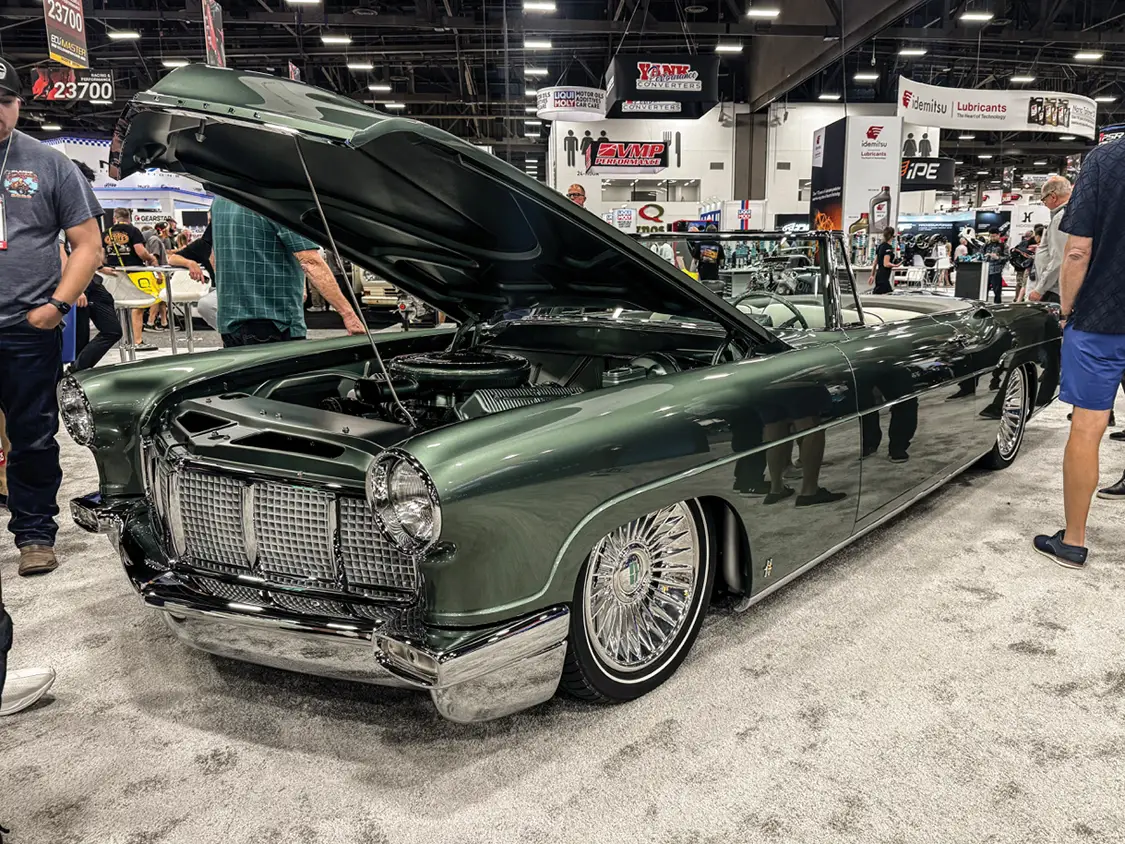
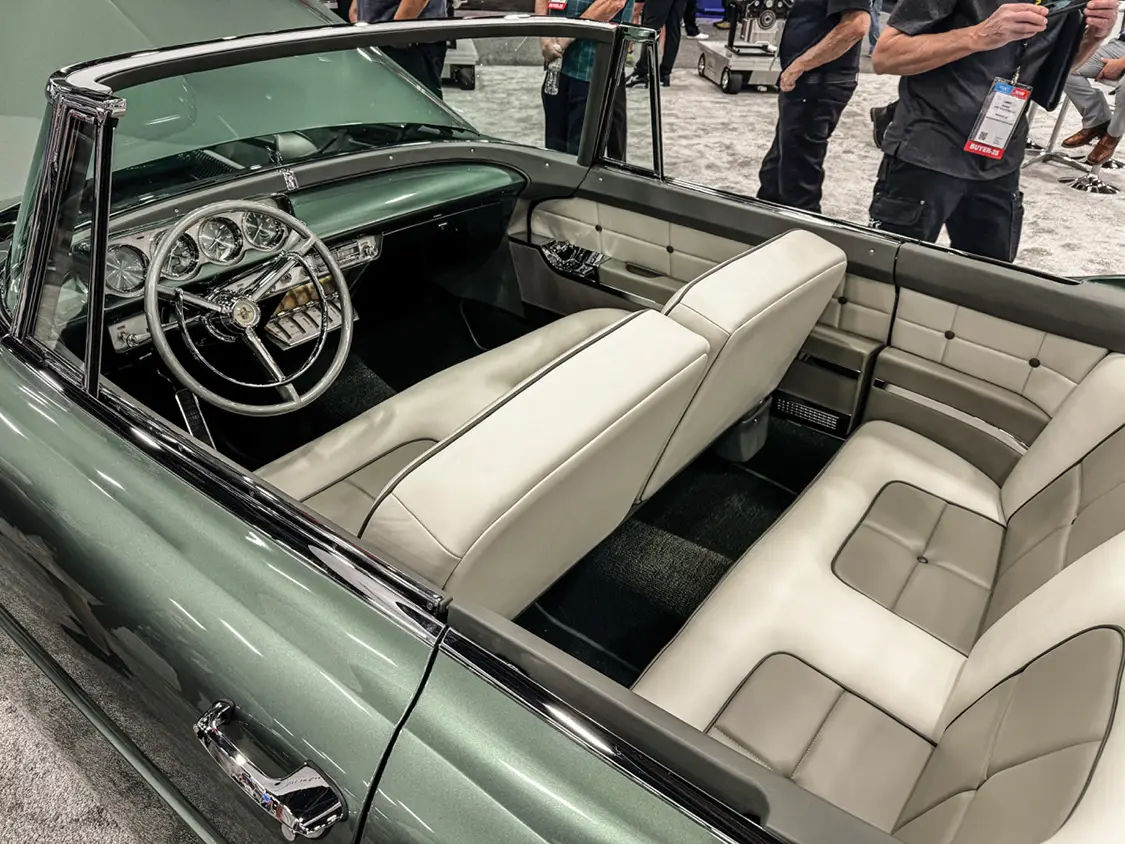
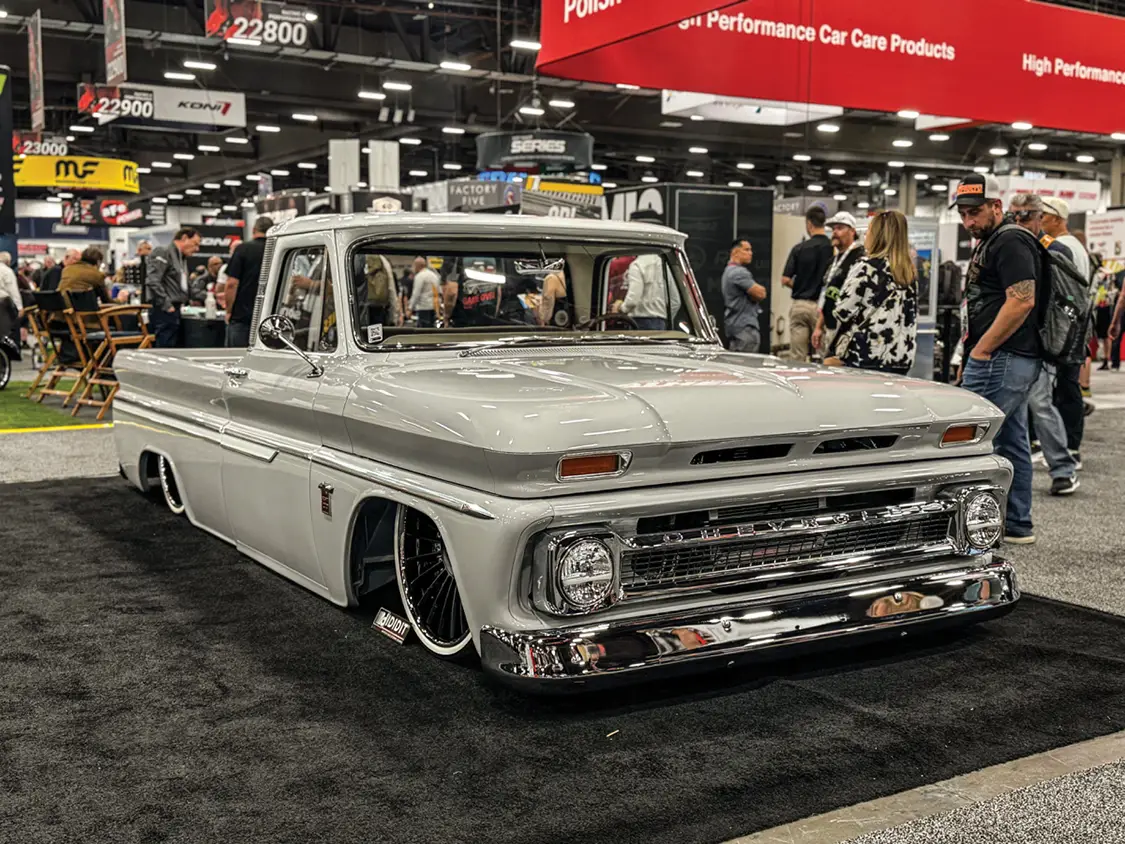
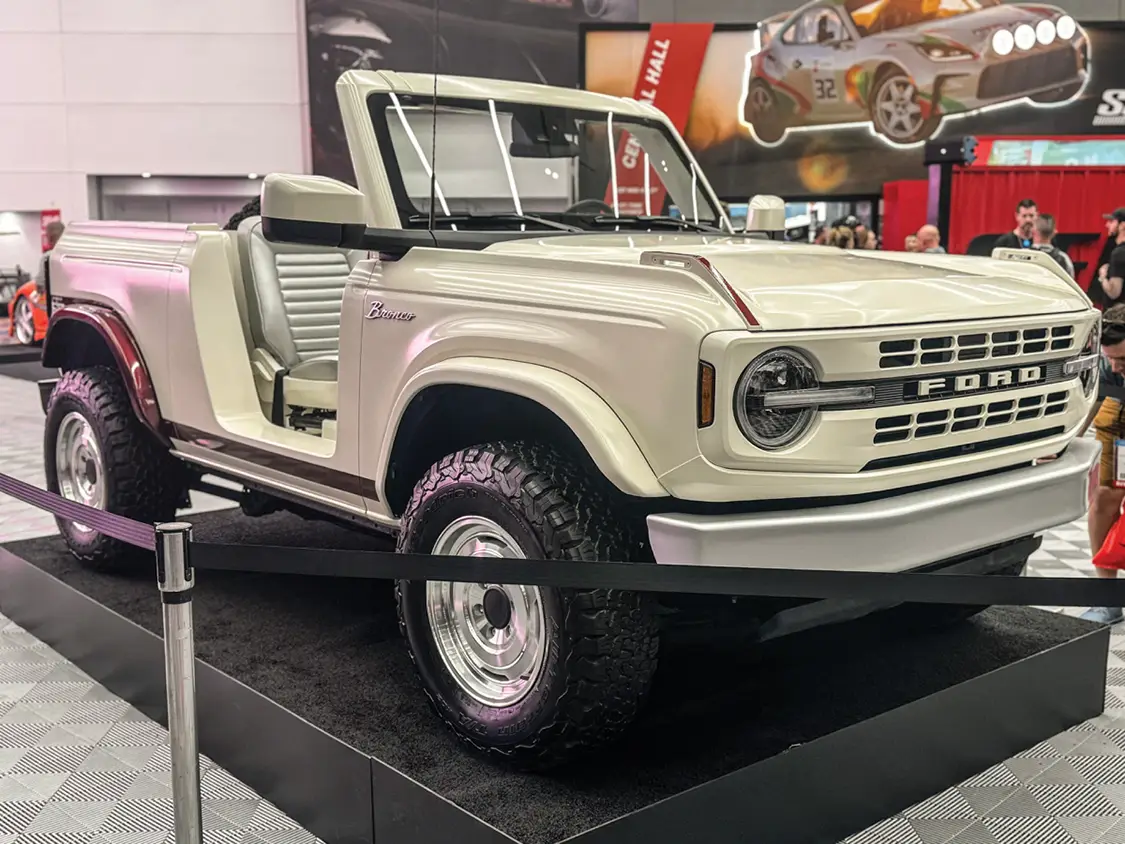
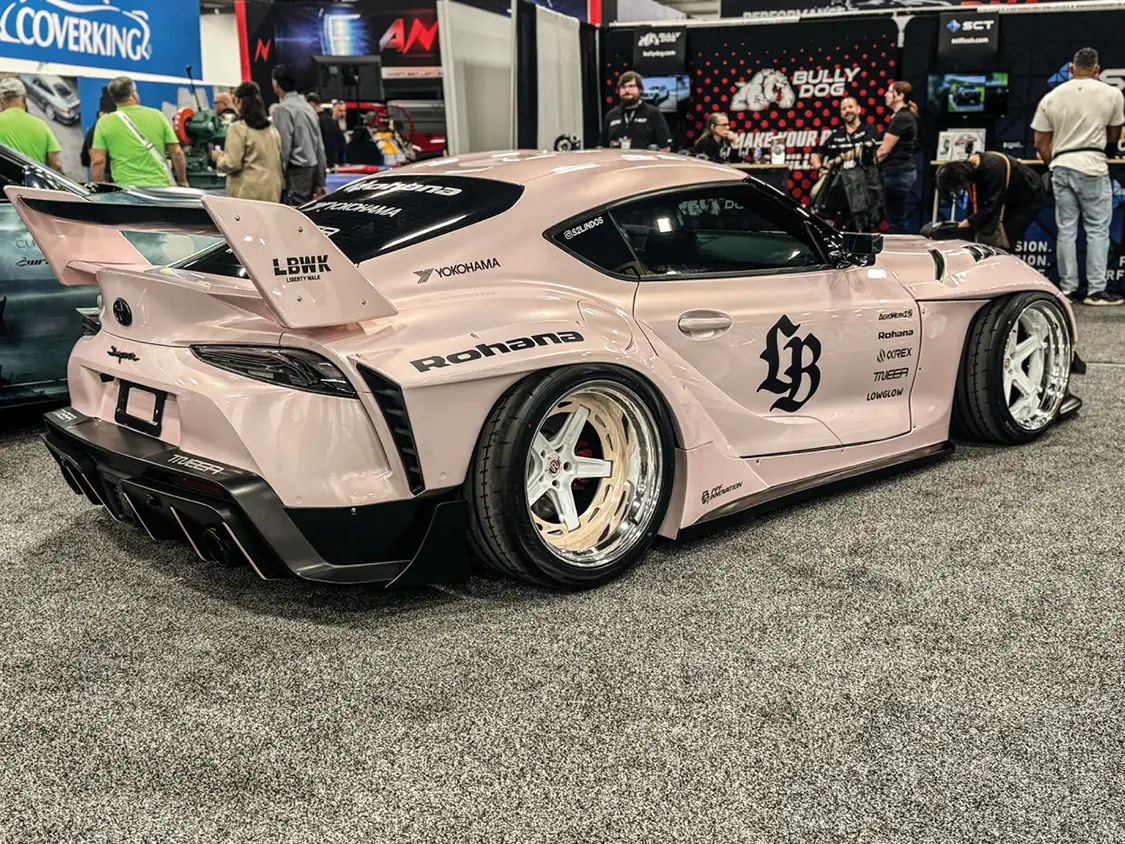
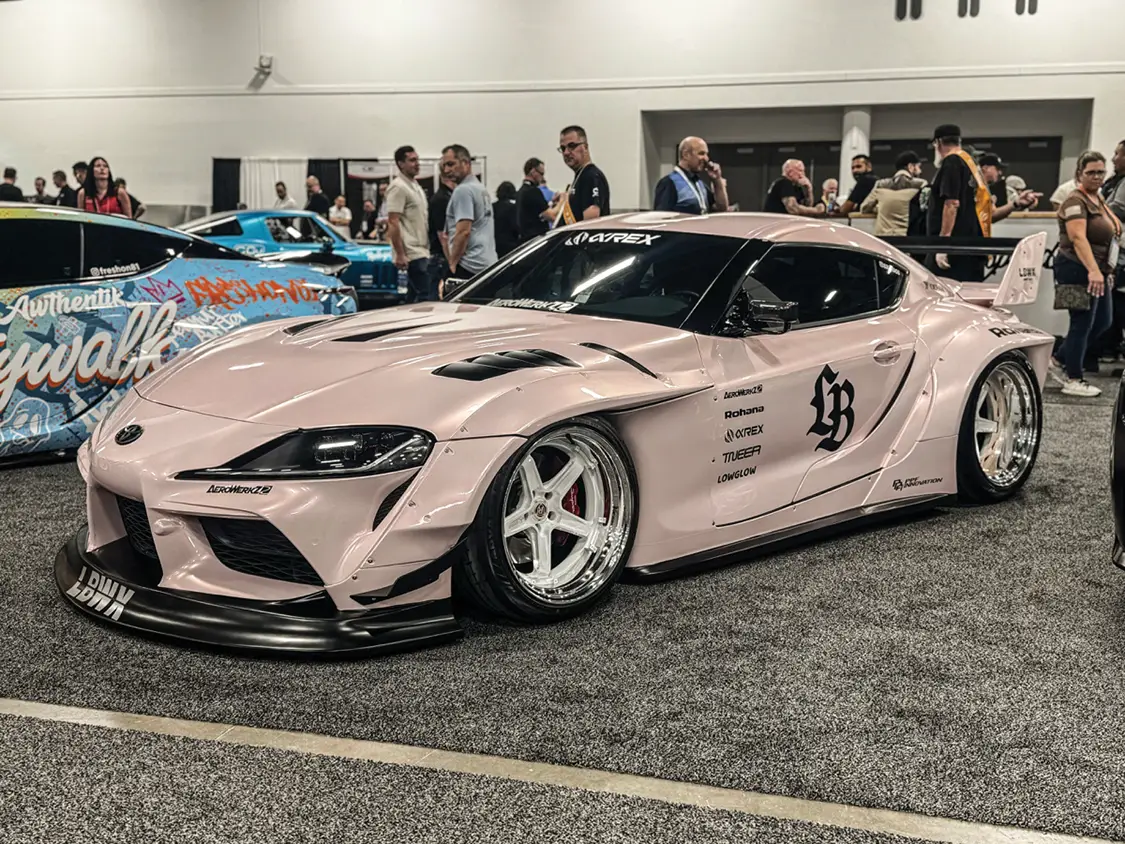
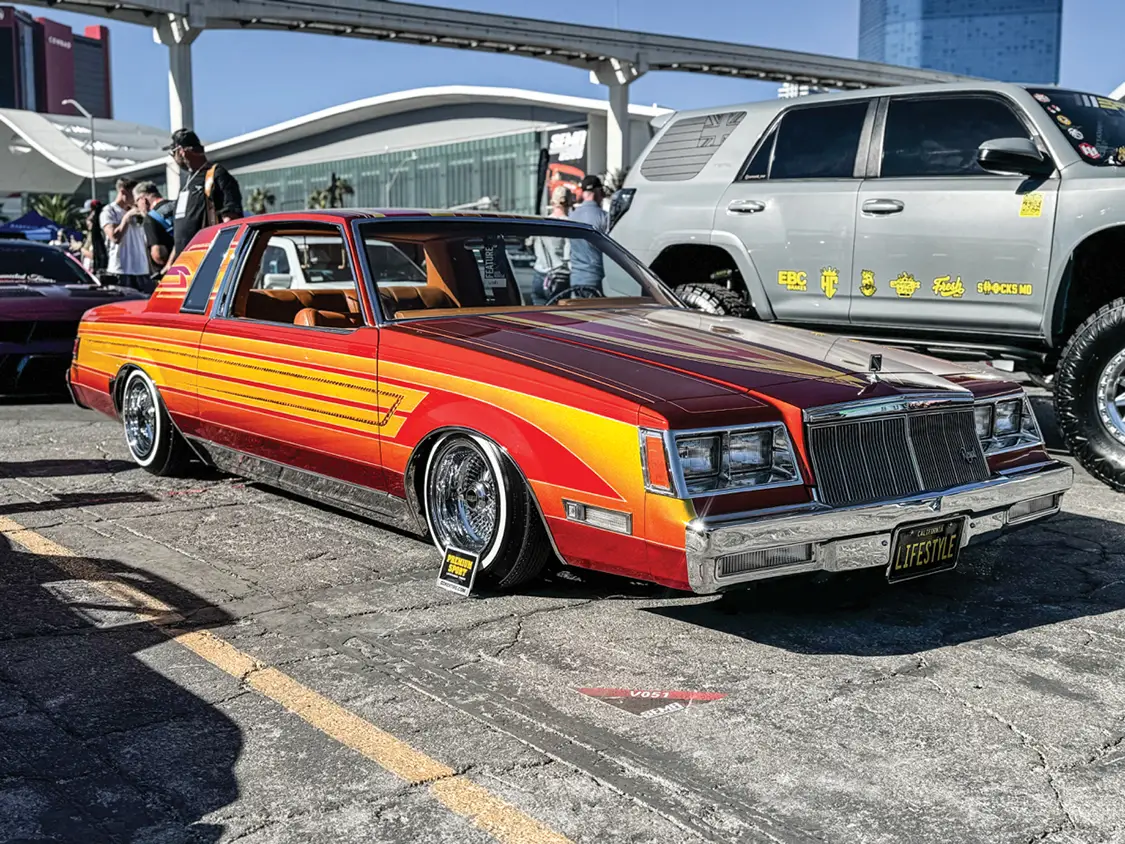
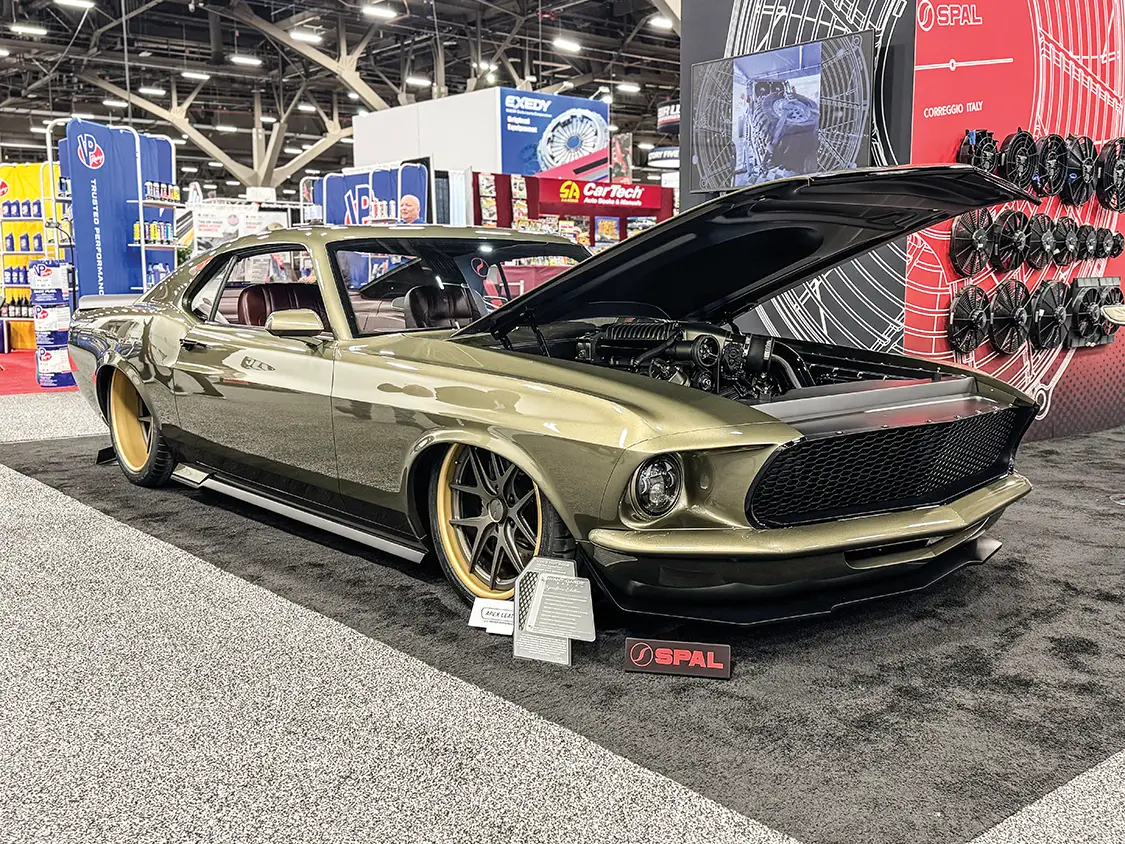
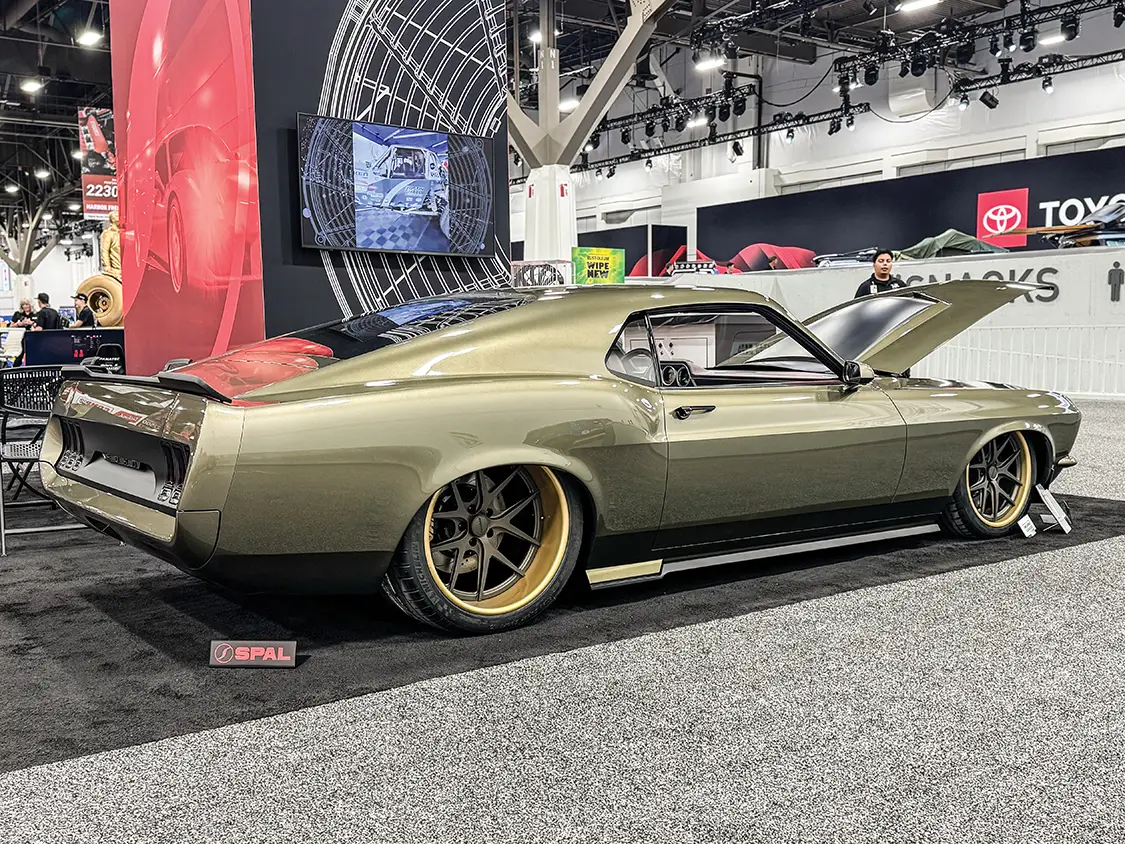
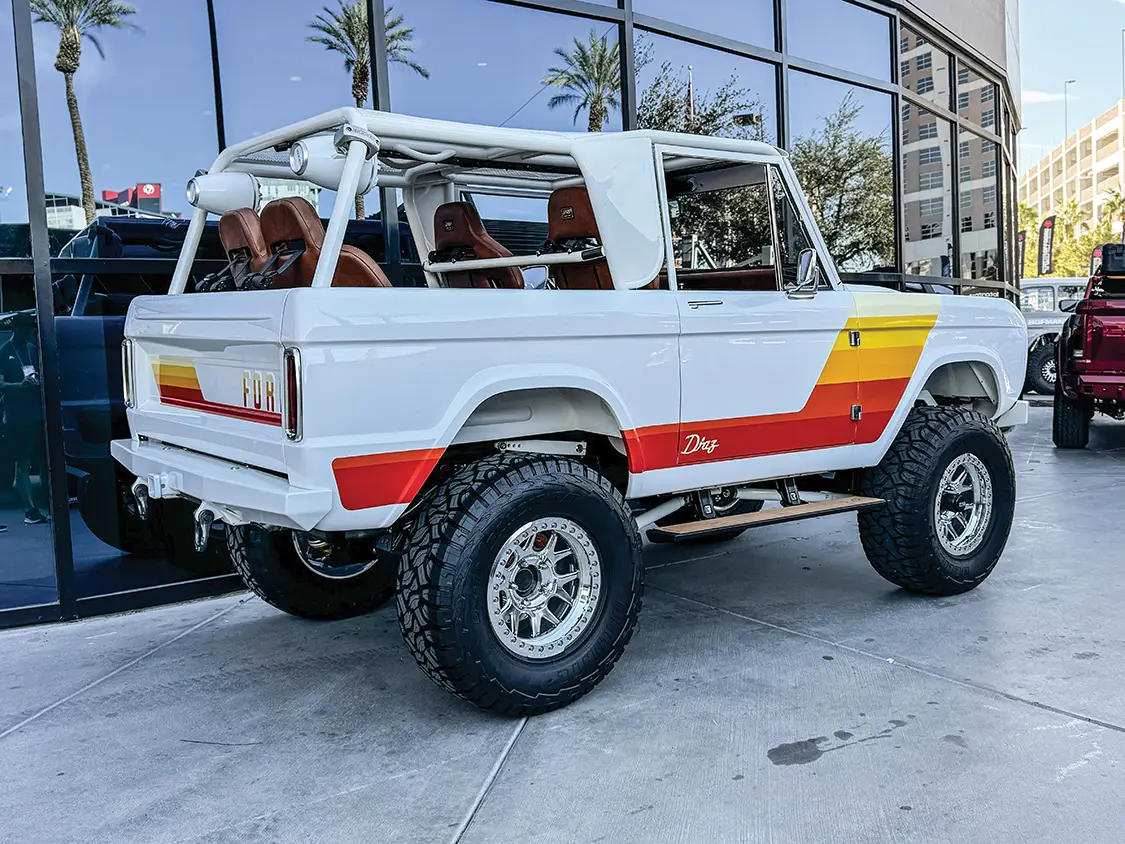
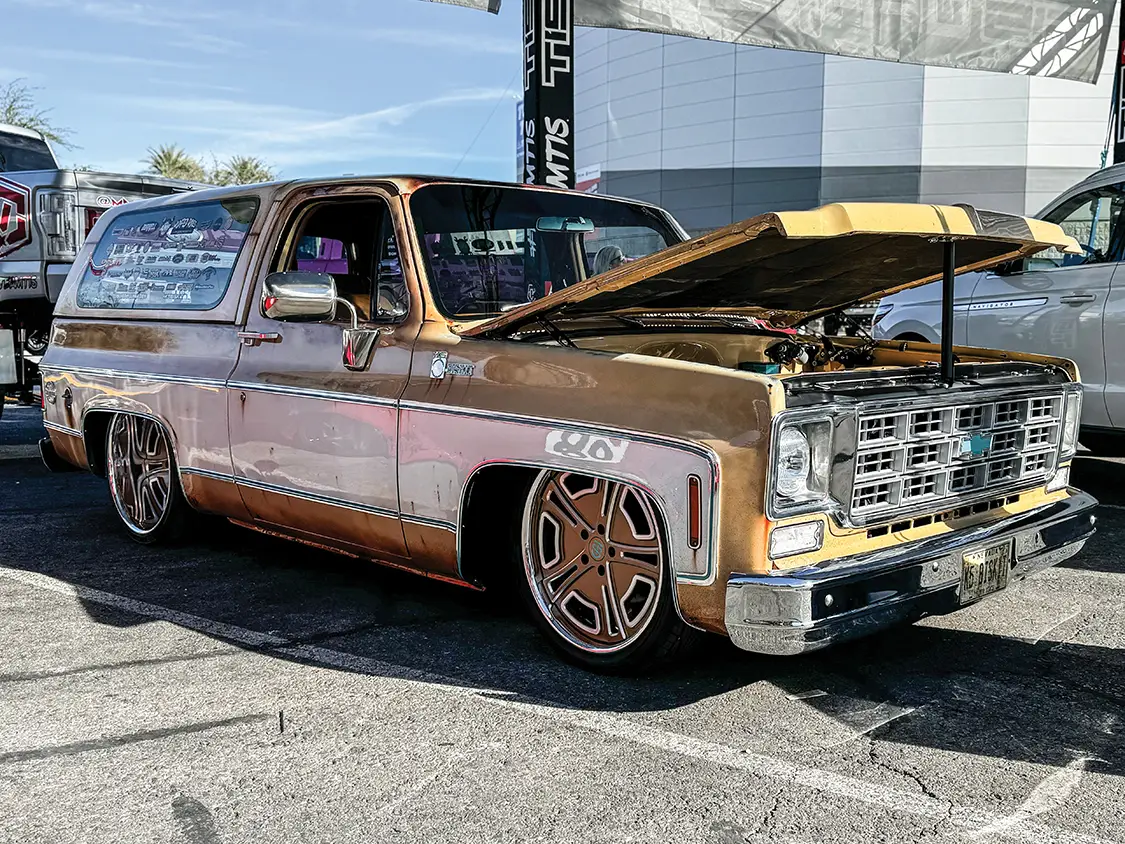
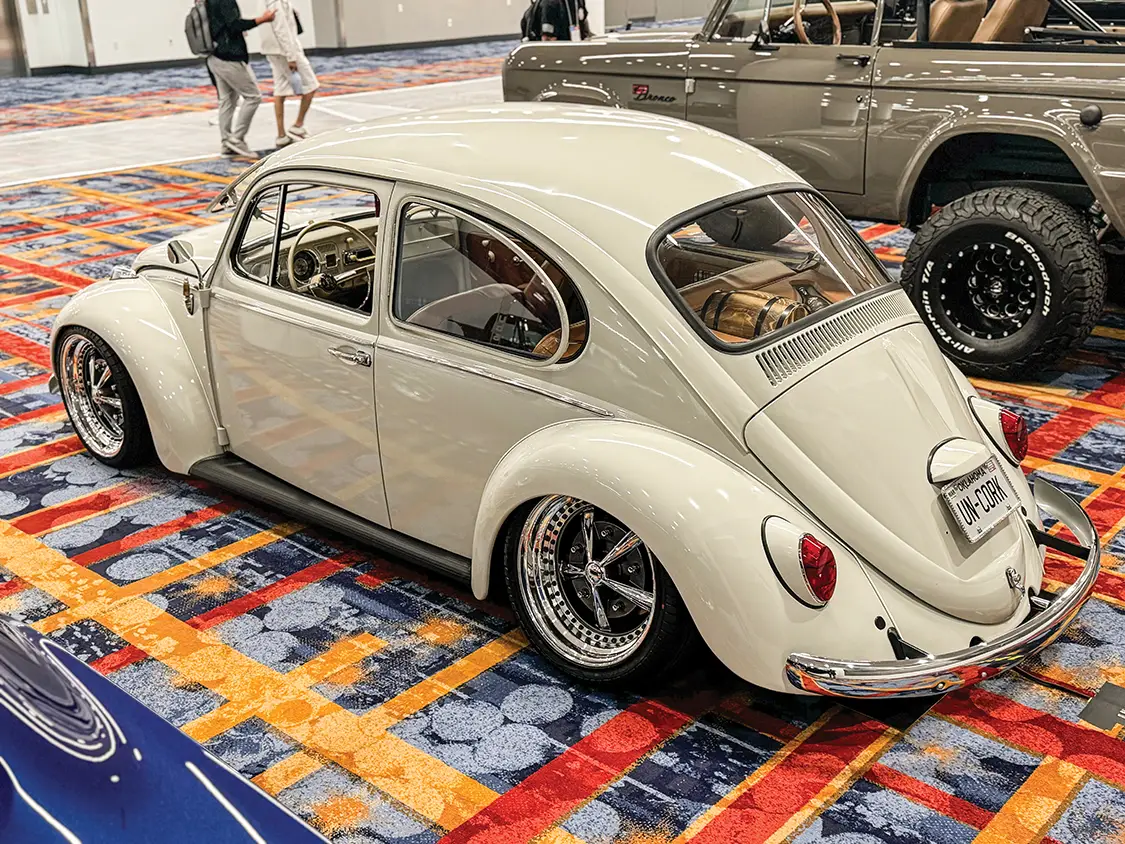
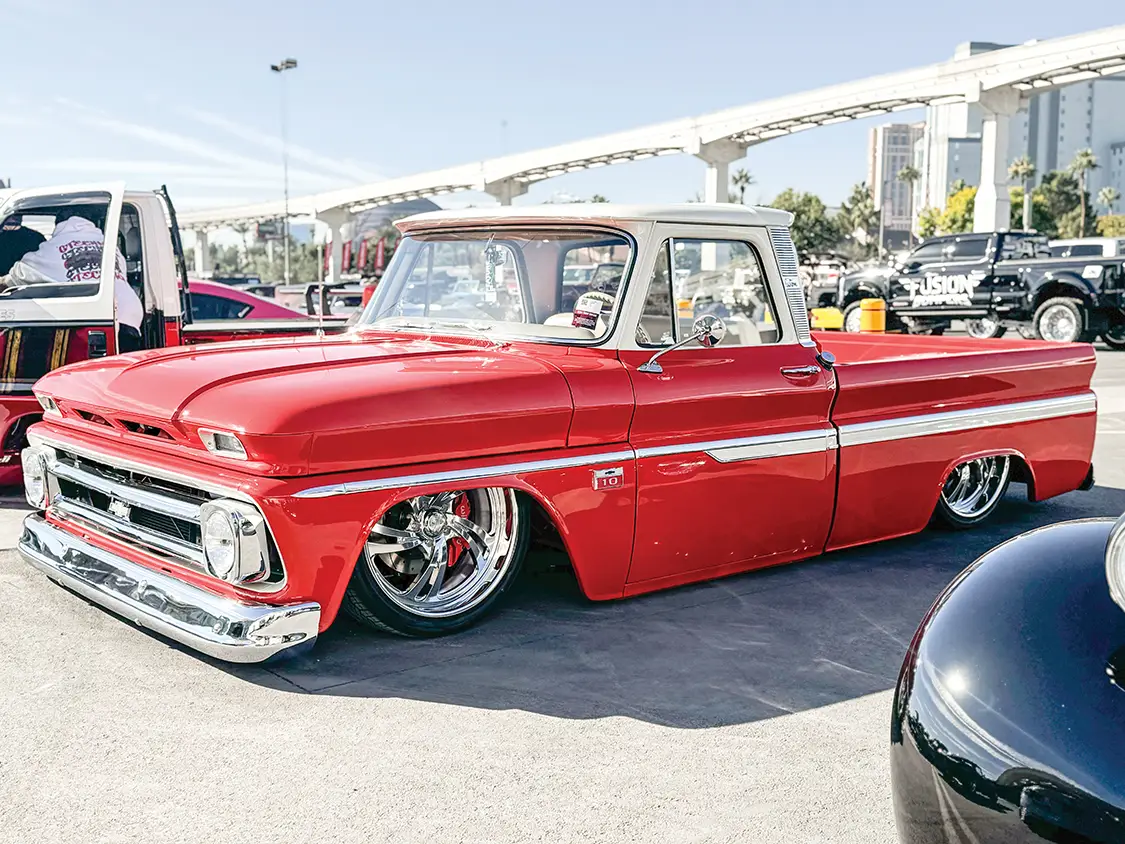
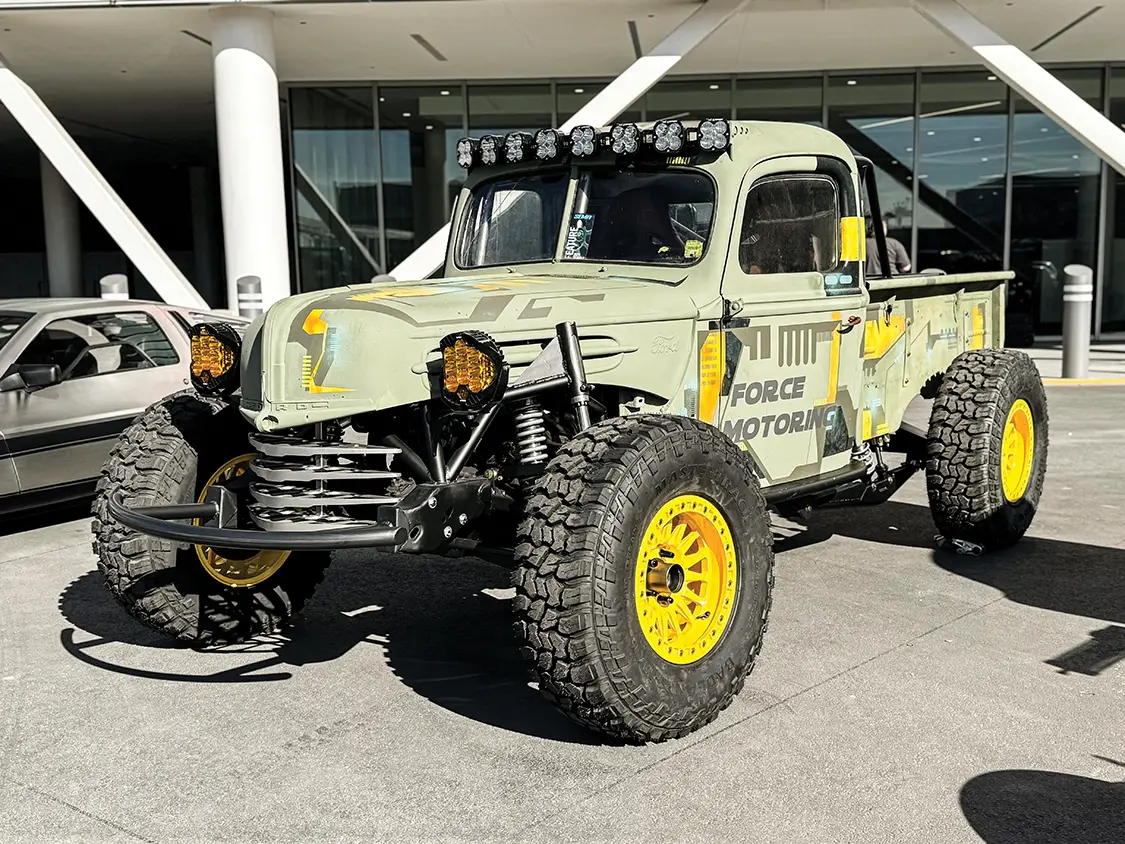
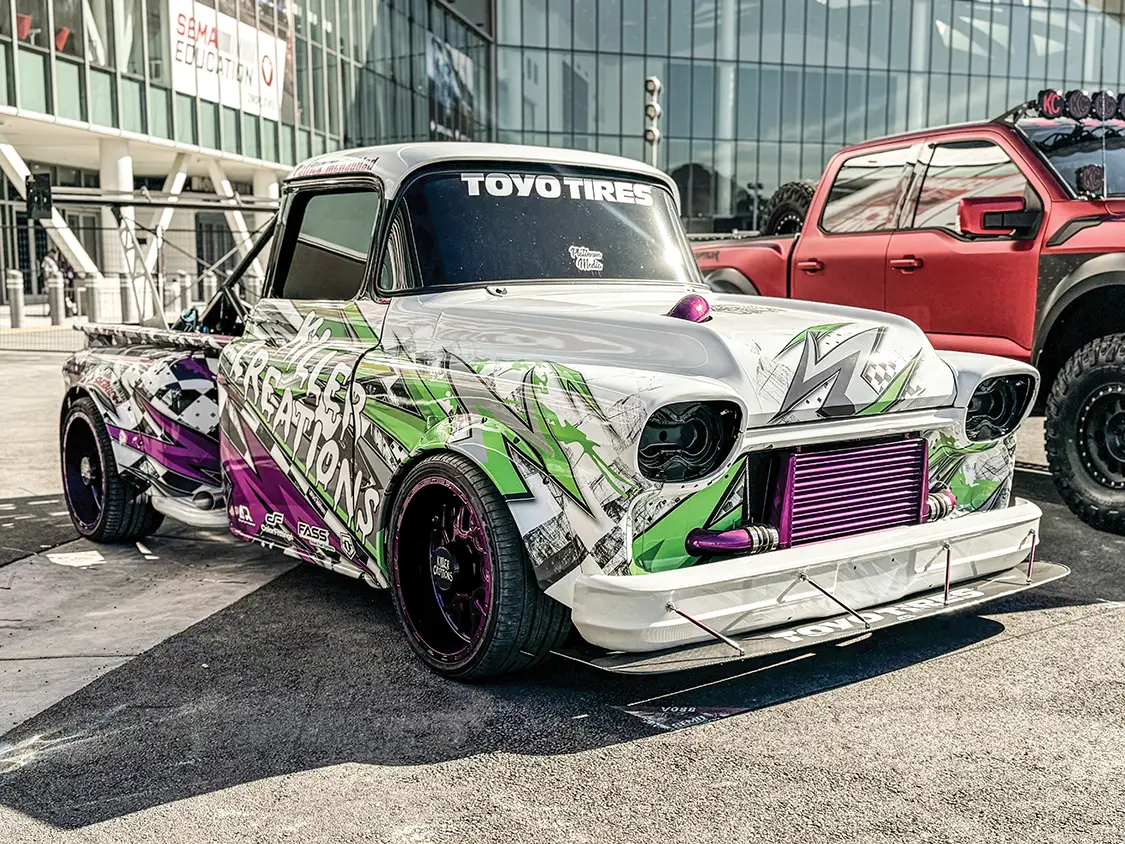
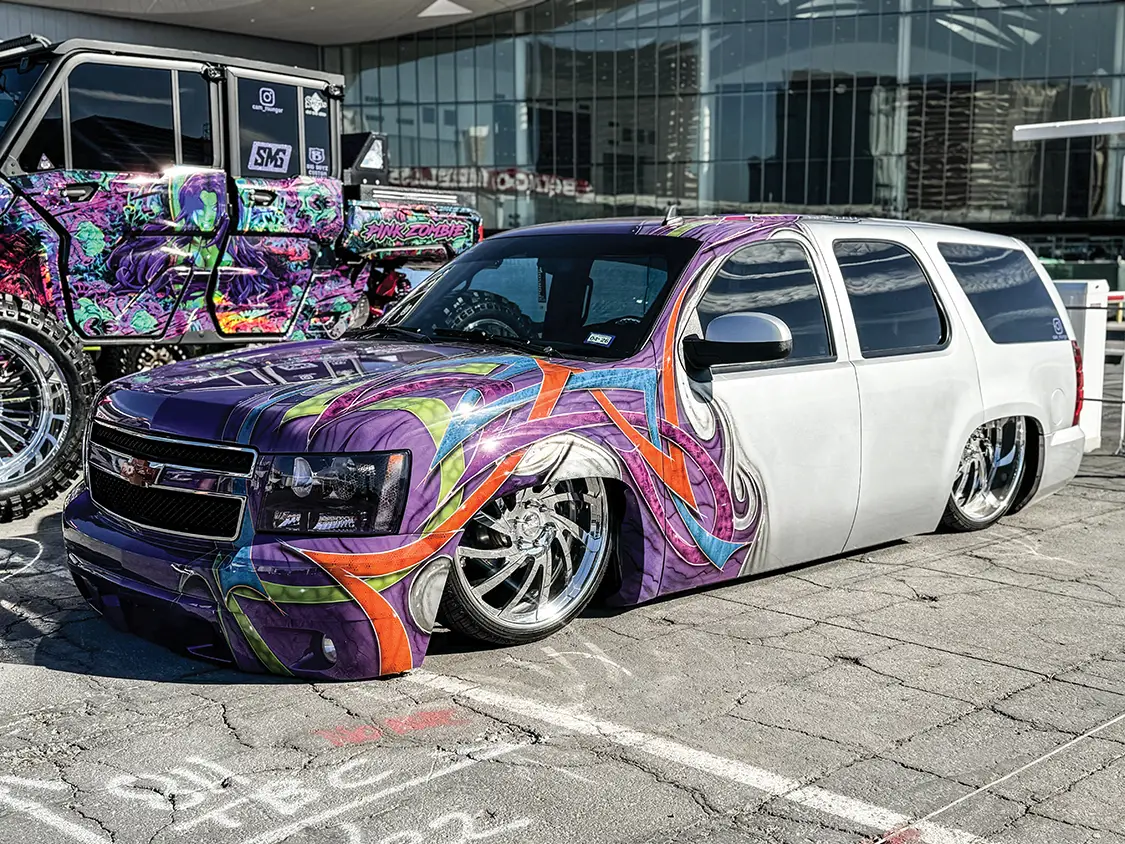
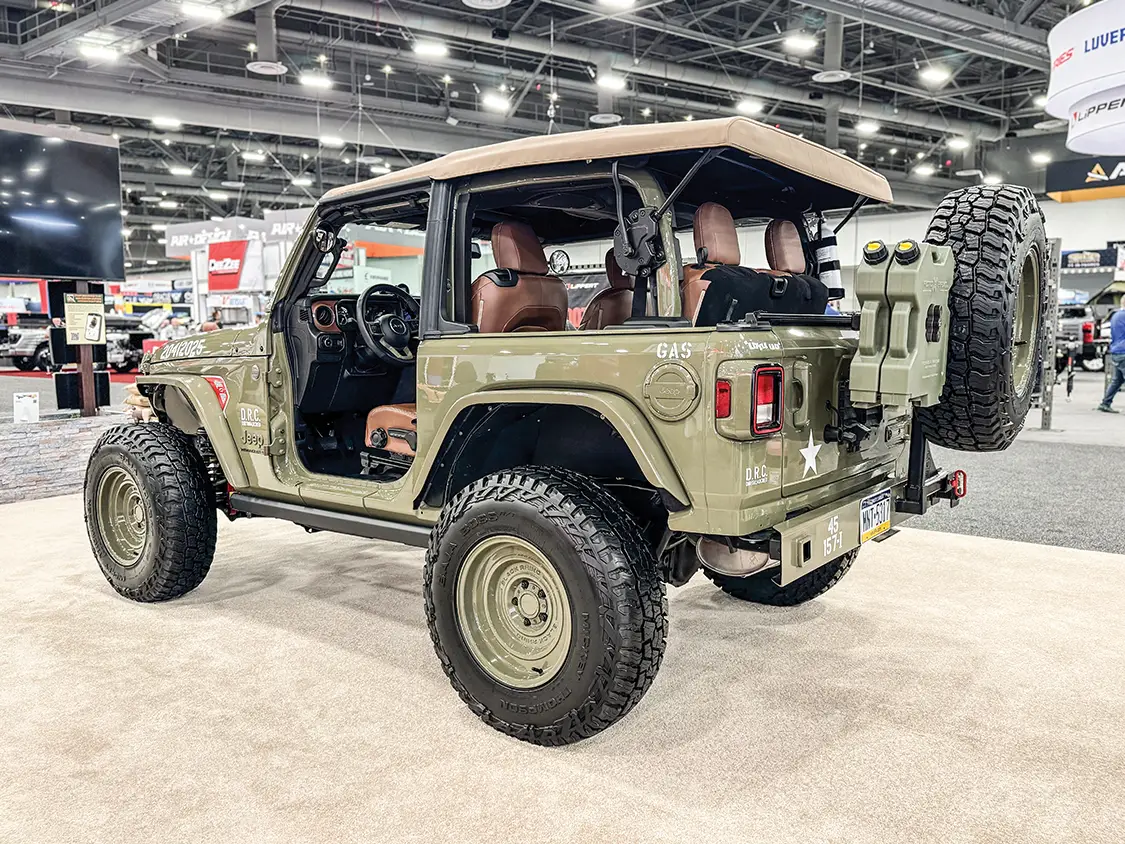
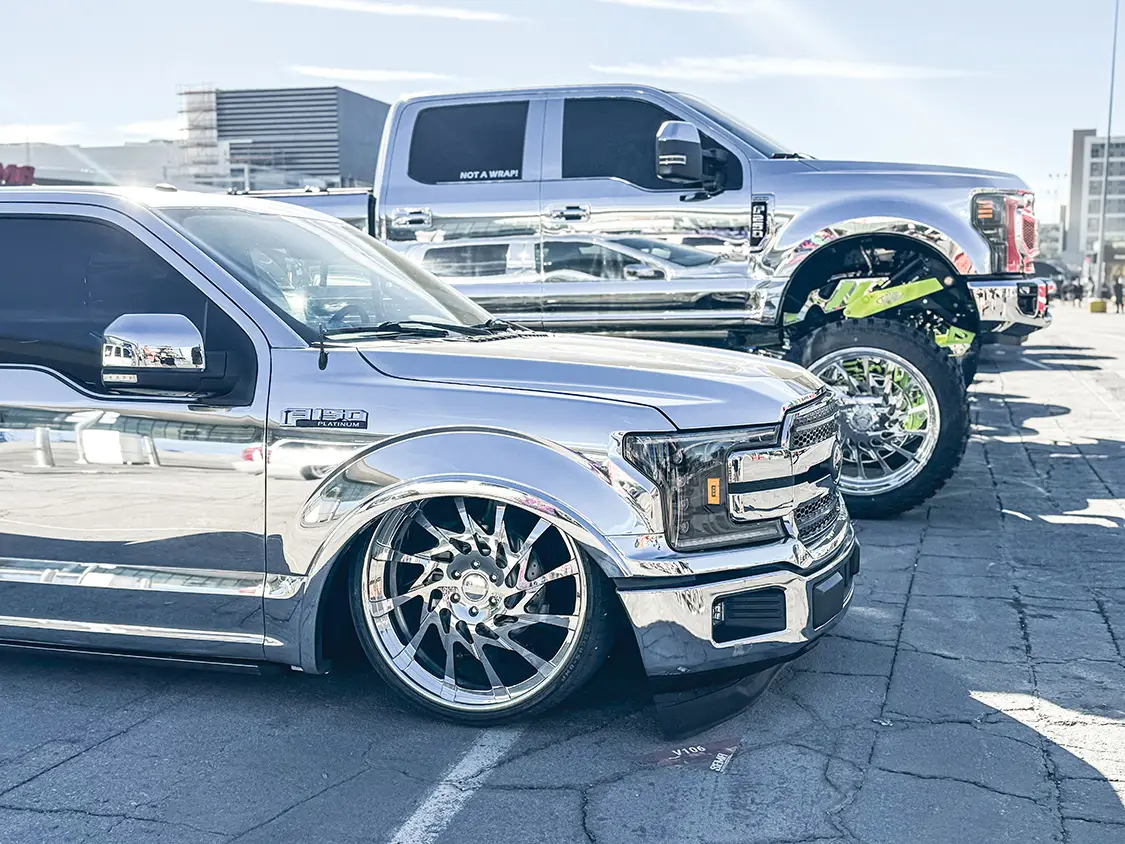
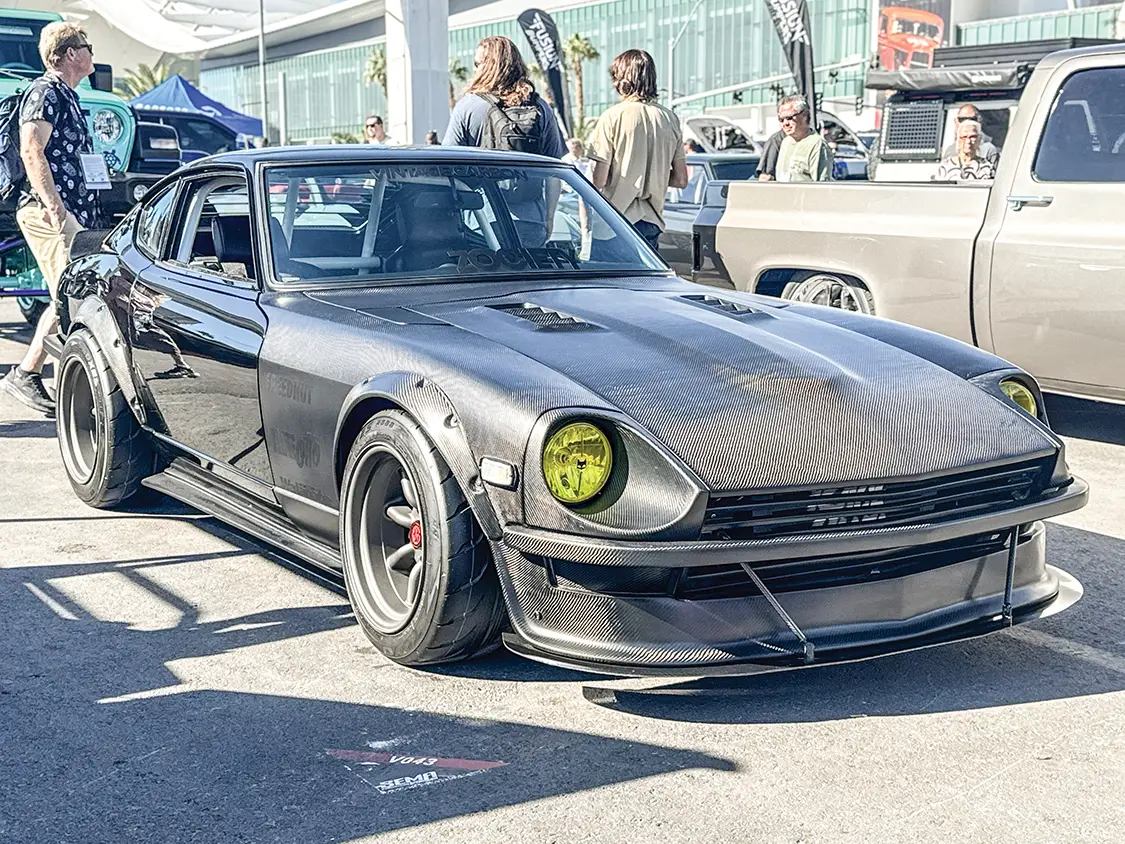
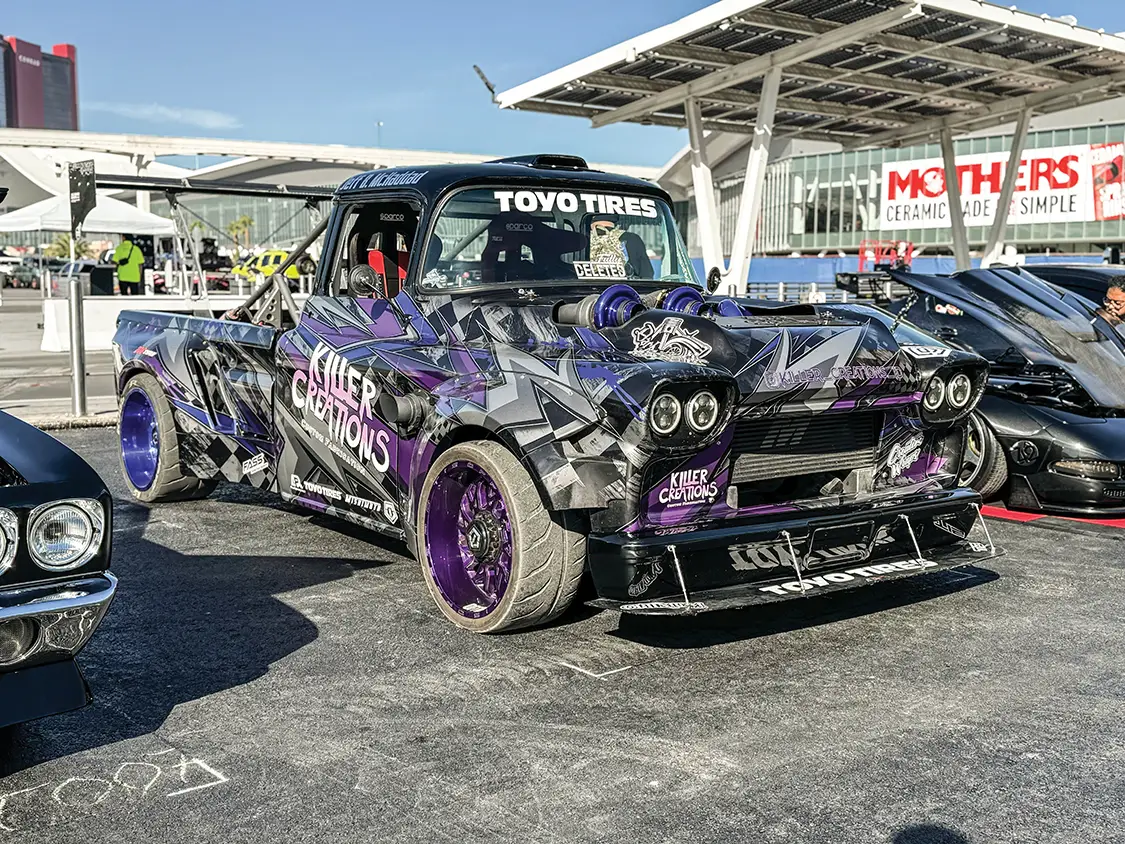
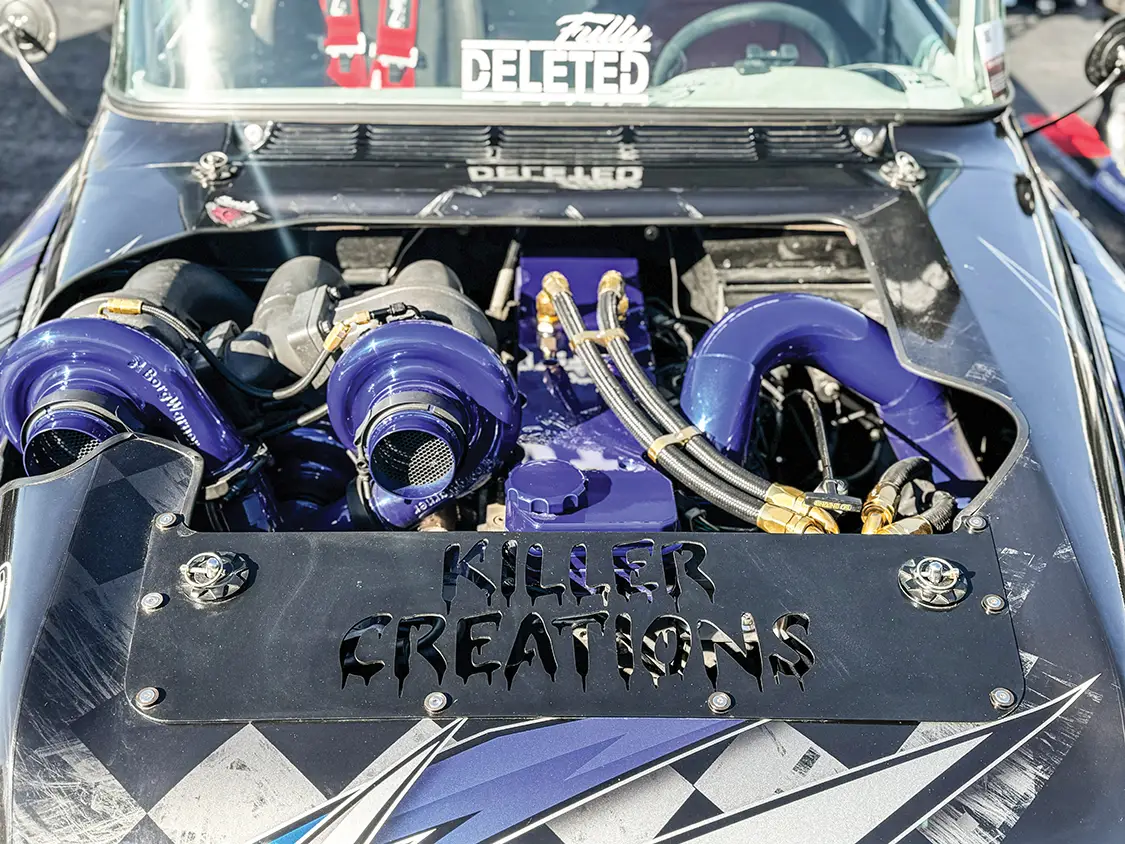
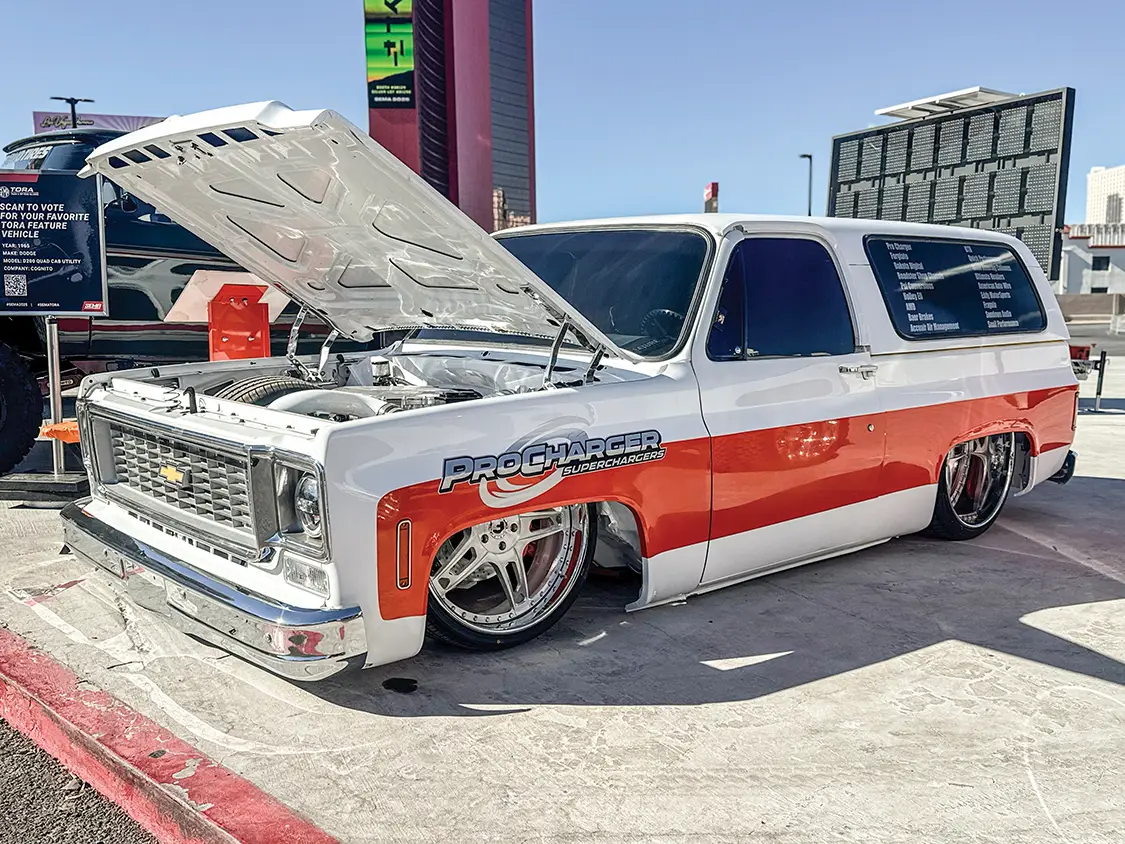
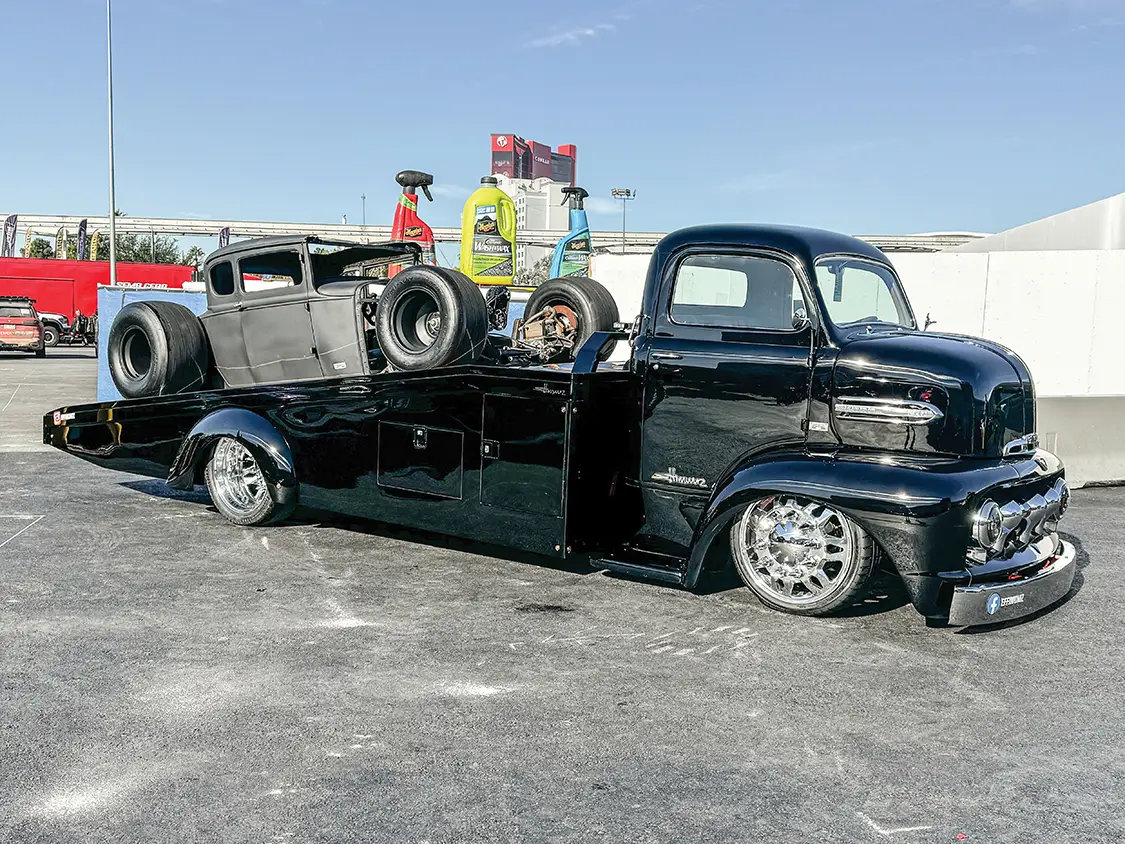
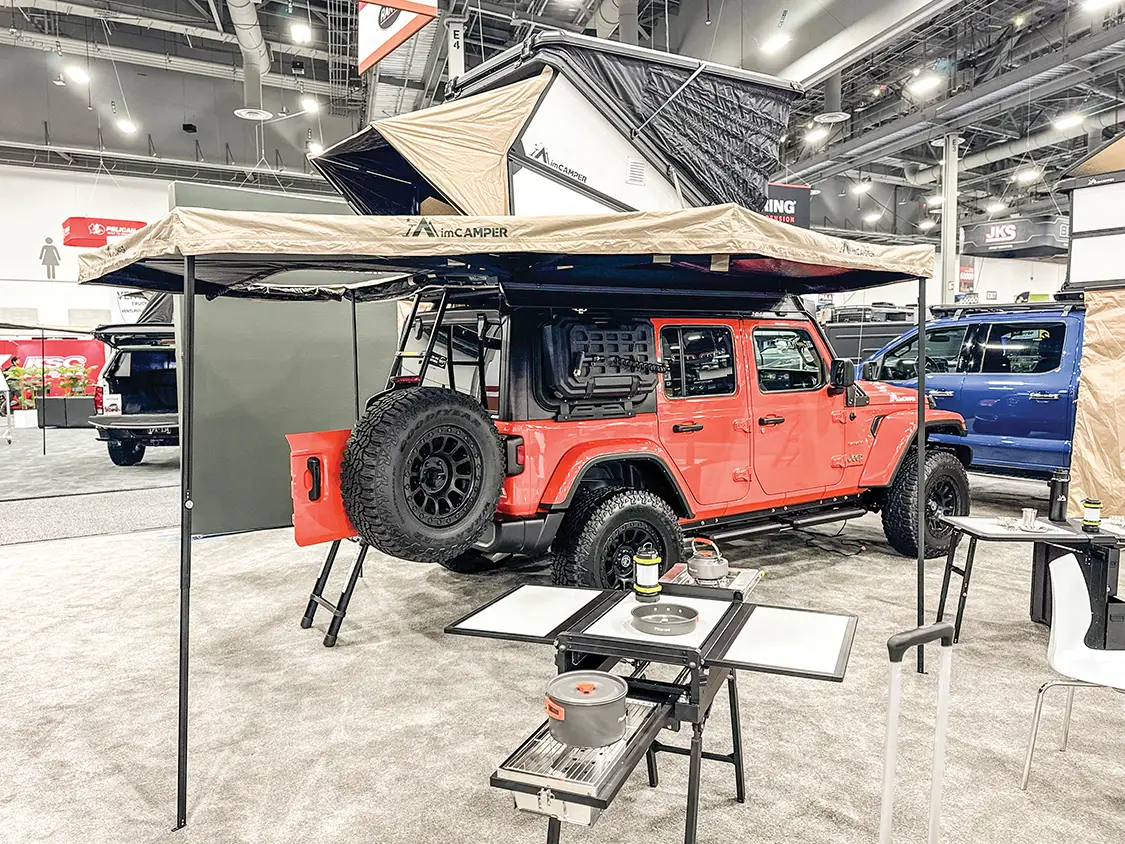
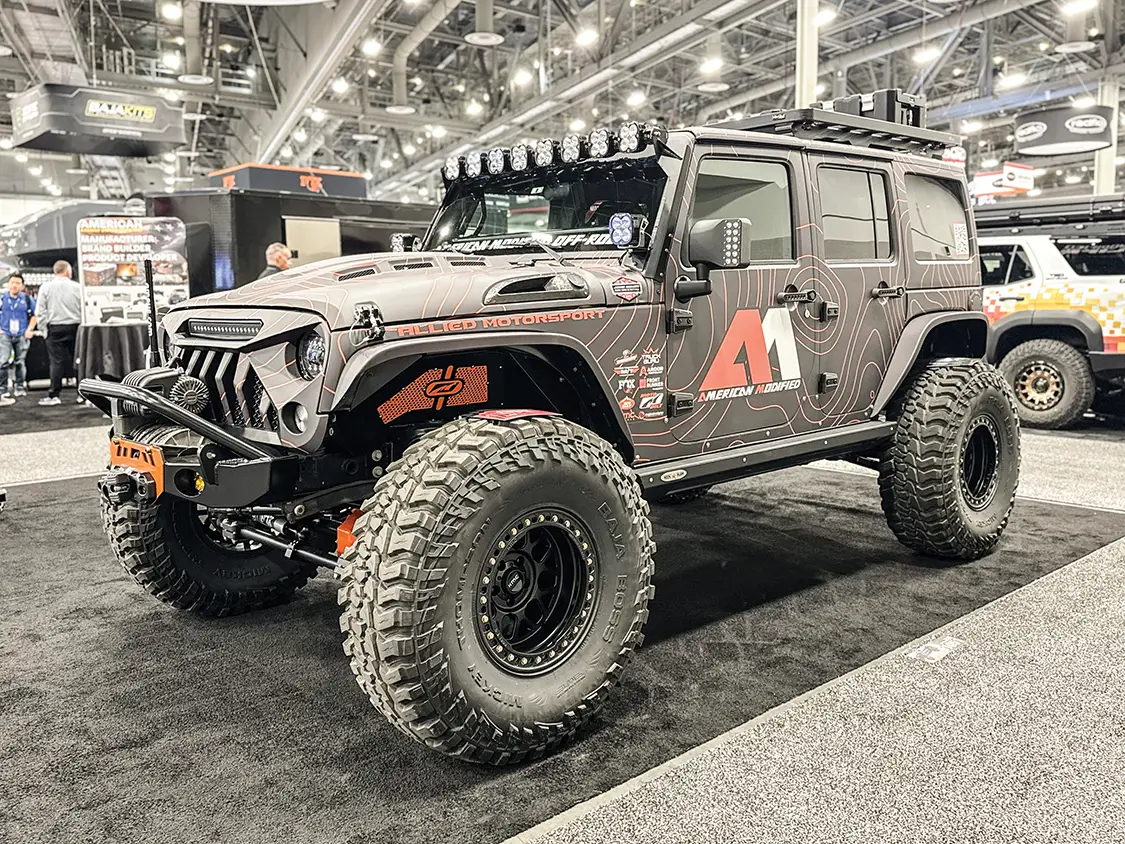
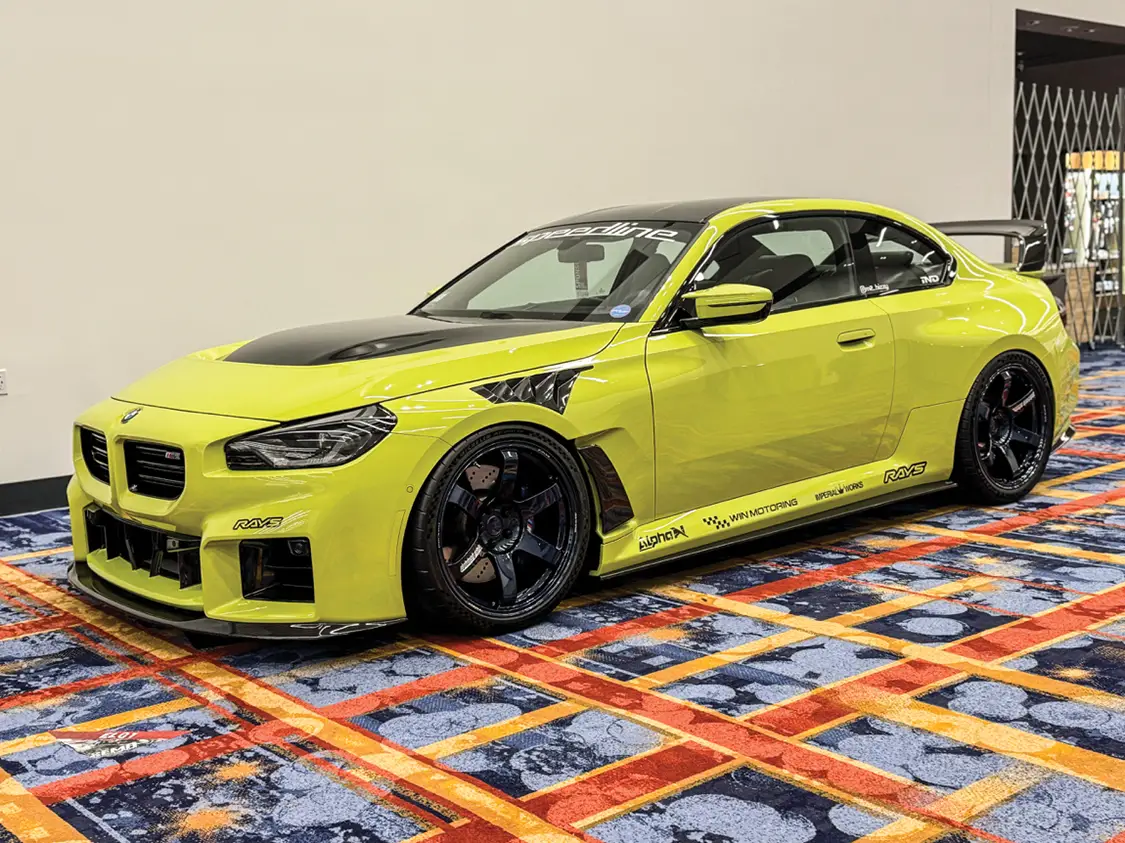
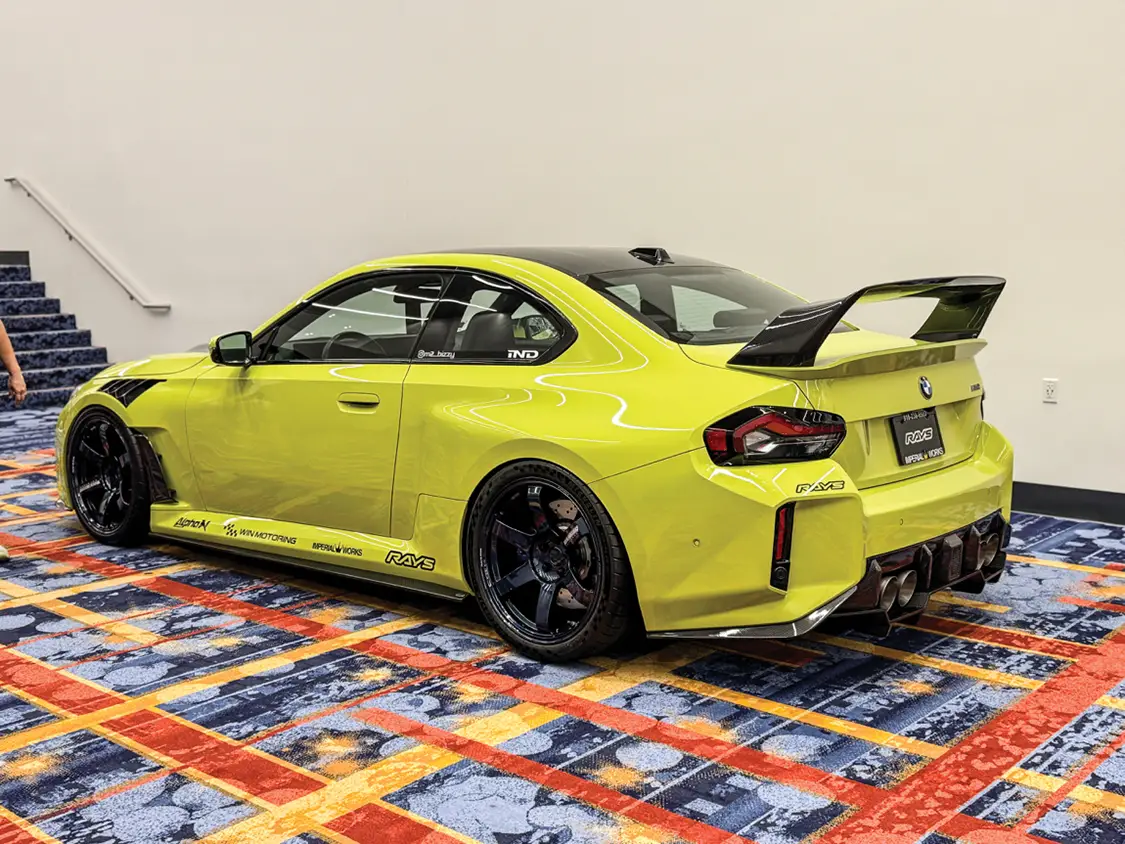
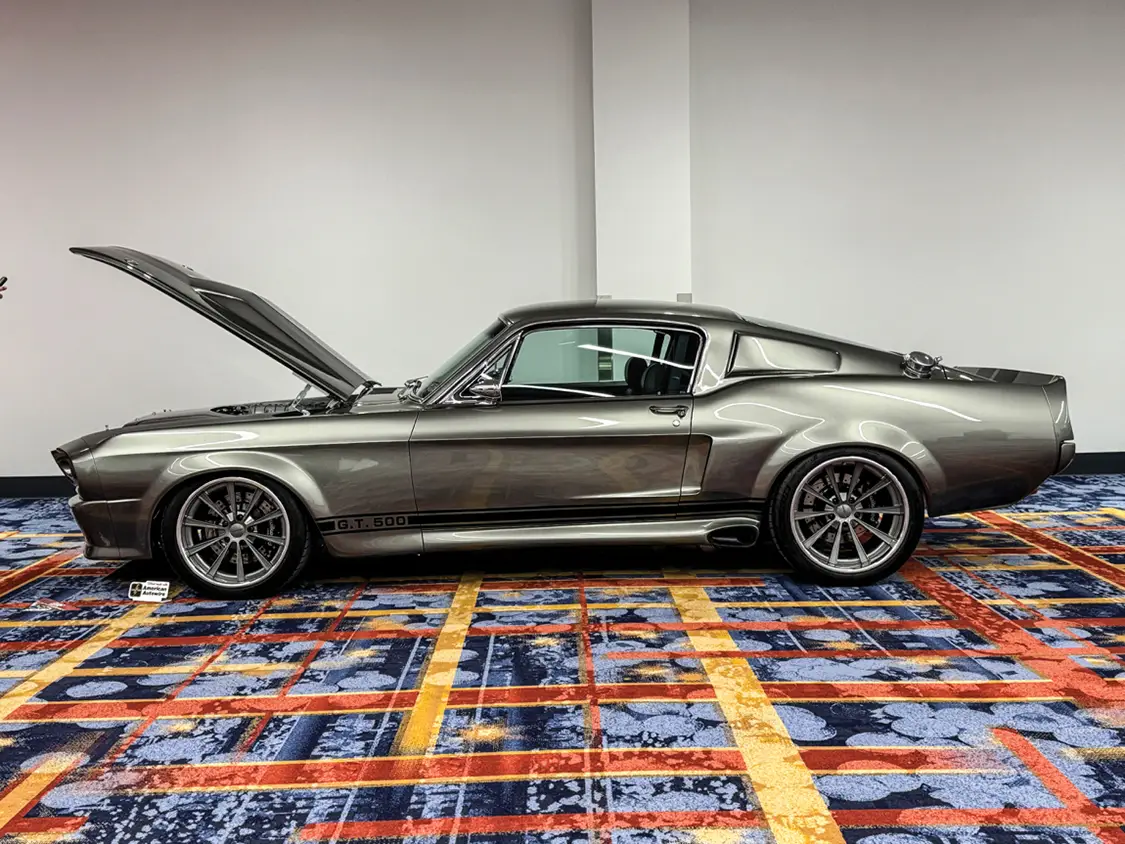
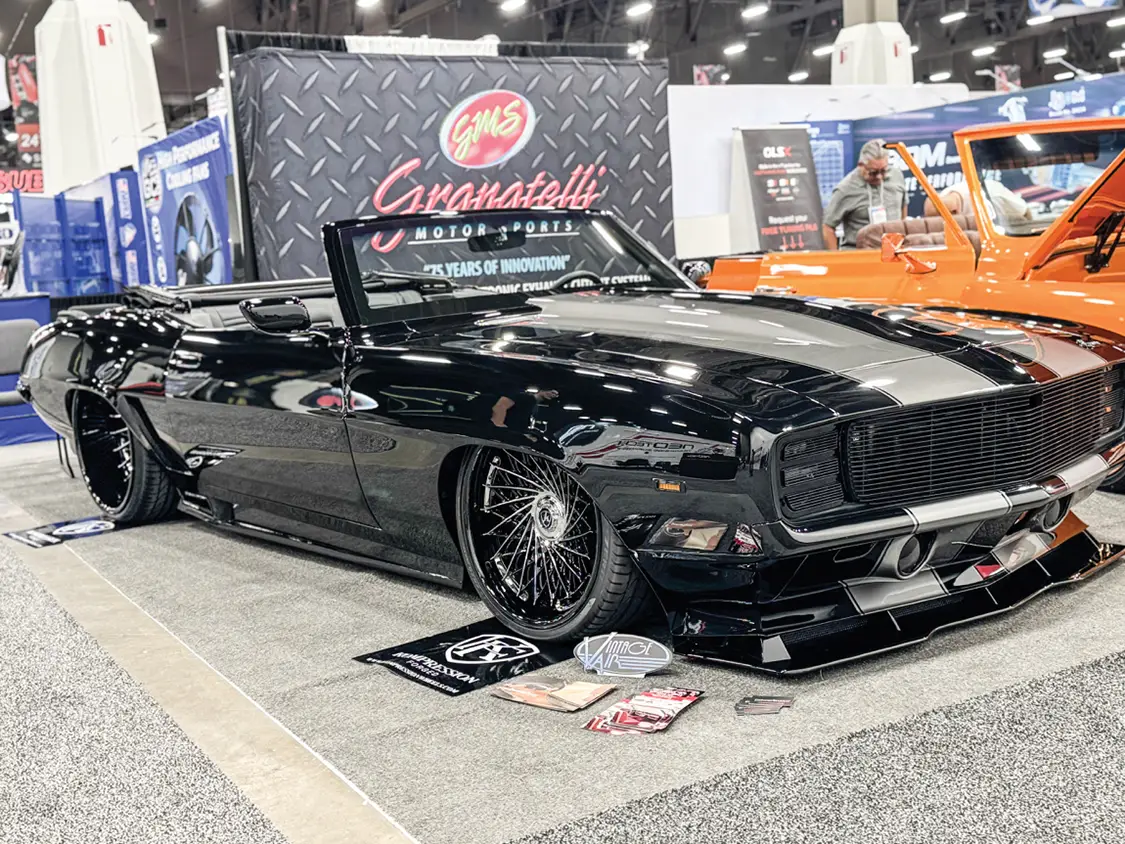
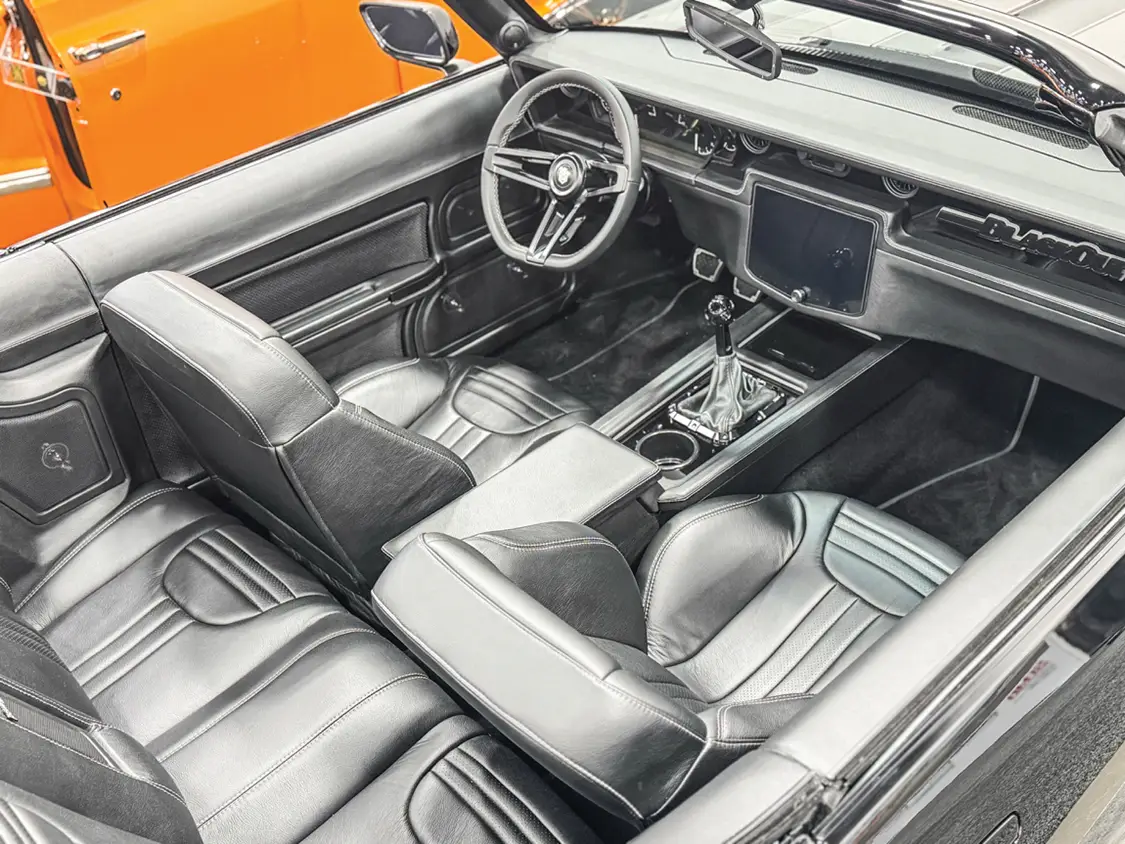
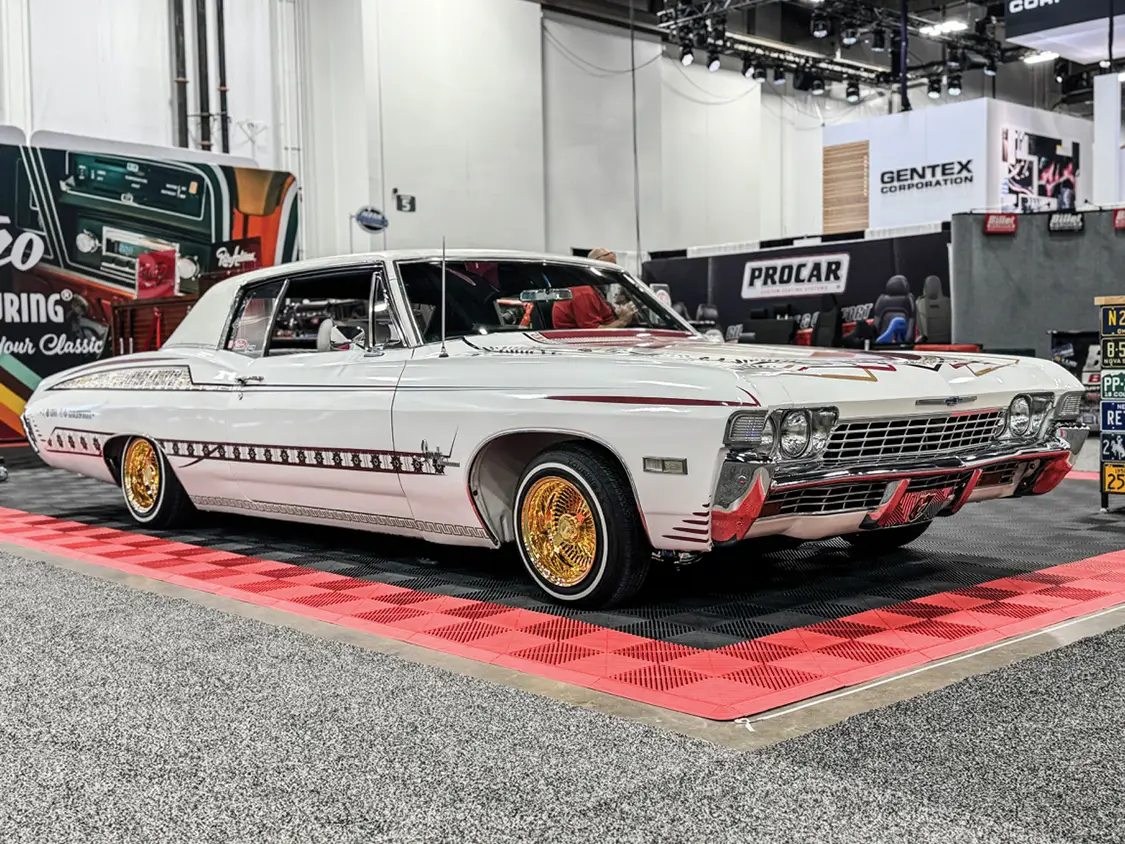
This year’s displays were nothing short of breathtaking. West Hall’s Trucks, SUVs & Off Road section overflowed with everything from slammed square-body C10s on 26-inch billets to portal-axle Gladiators ready for Moab. Nearby, lifted Rams on 40s rubbed fenders with lowrider Impalas, while carbon-clad widebody Chargers and Coyote-swapped Broncos flexed modern muscle. Classic Mustangs sat beside 1,000-horsepower restomods, and overland Tacomas packed with rooftop tents shared space with street-machine F-150s. What sets SEMA apart from any consumer auto show is access. Here, editors and builders walk shoulder-toshoulder with engineers from Fox, Ridetech, MagnaFlow, and Toyo Tires, discussing everything from new long-travel kits to car audio solutions. One-onone conversations in quiet corners of booths often yield the first look at products that won’t hit shelves for another year, insights that simply don’t happen anywhere else.
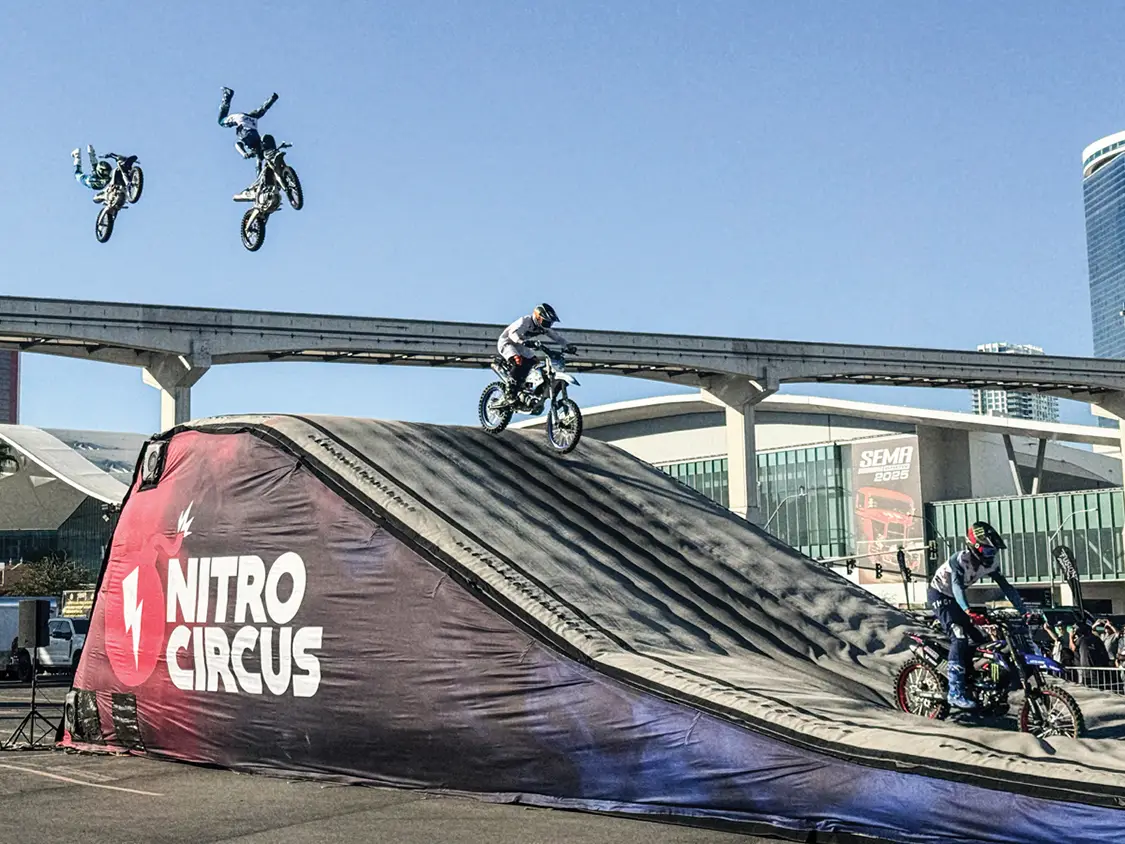
The energy is relentless: outdoor burnout sessions echoing through the halls,

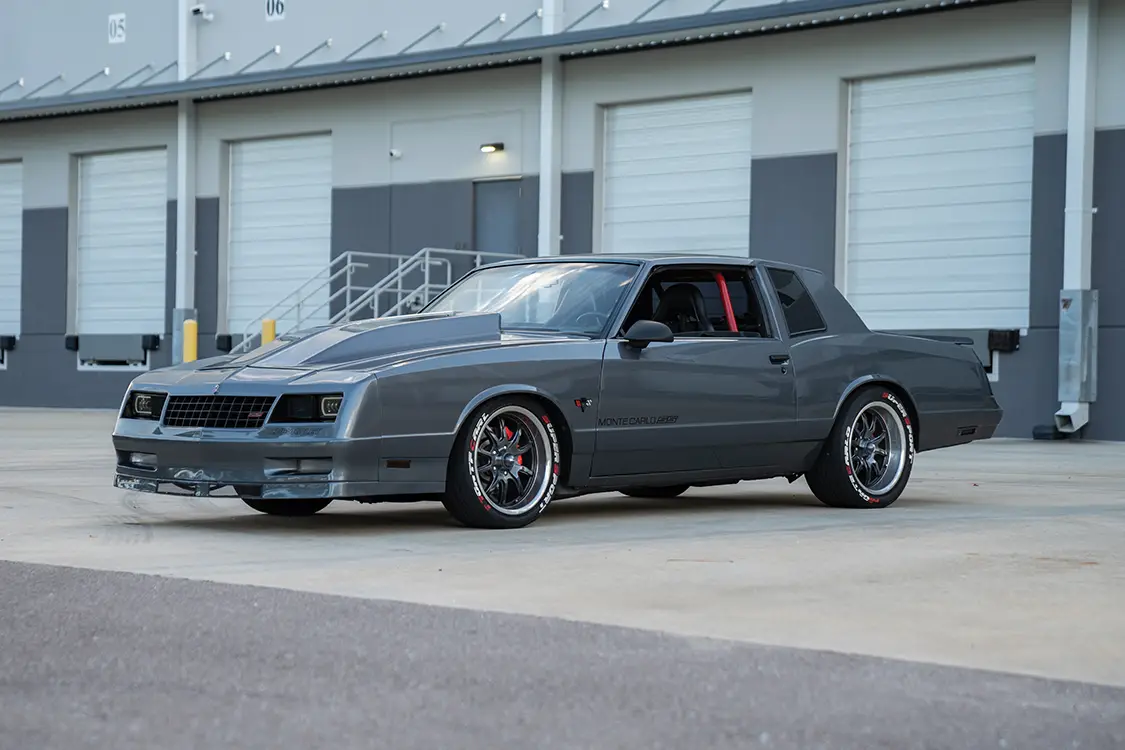
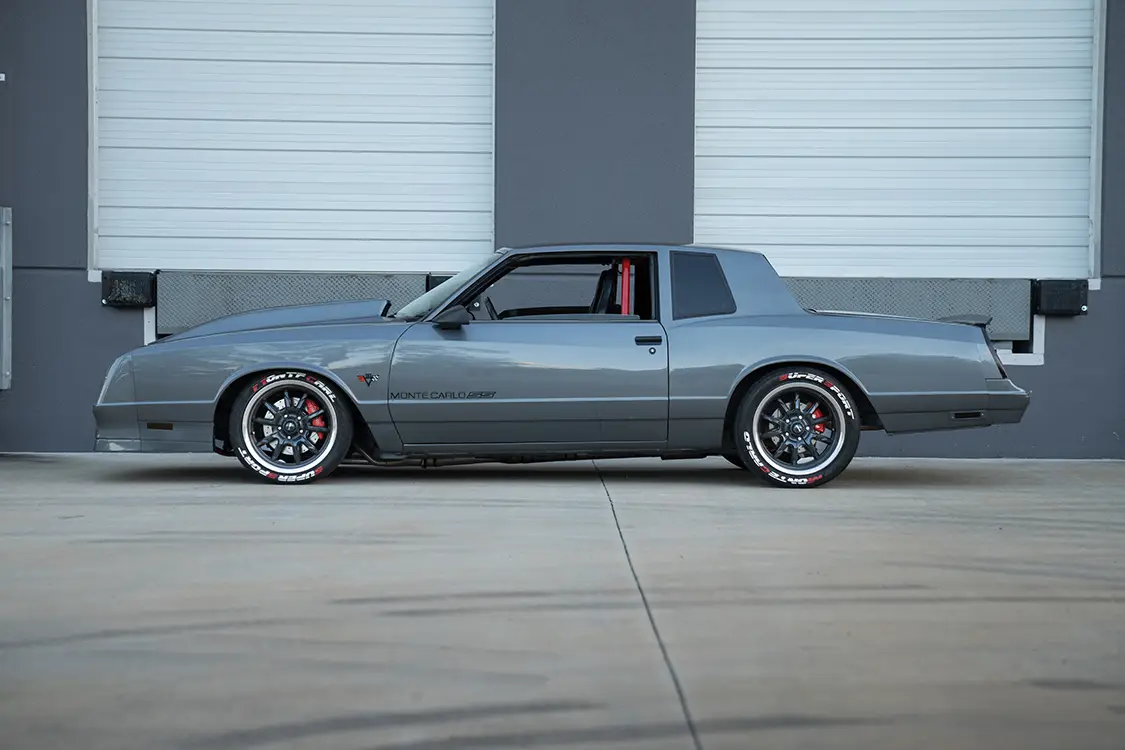
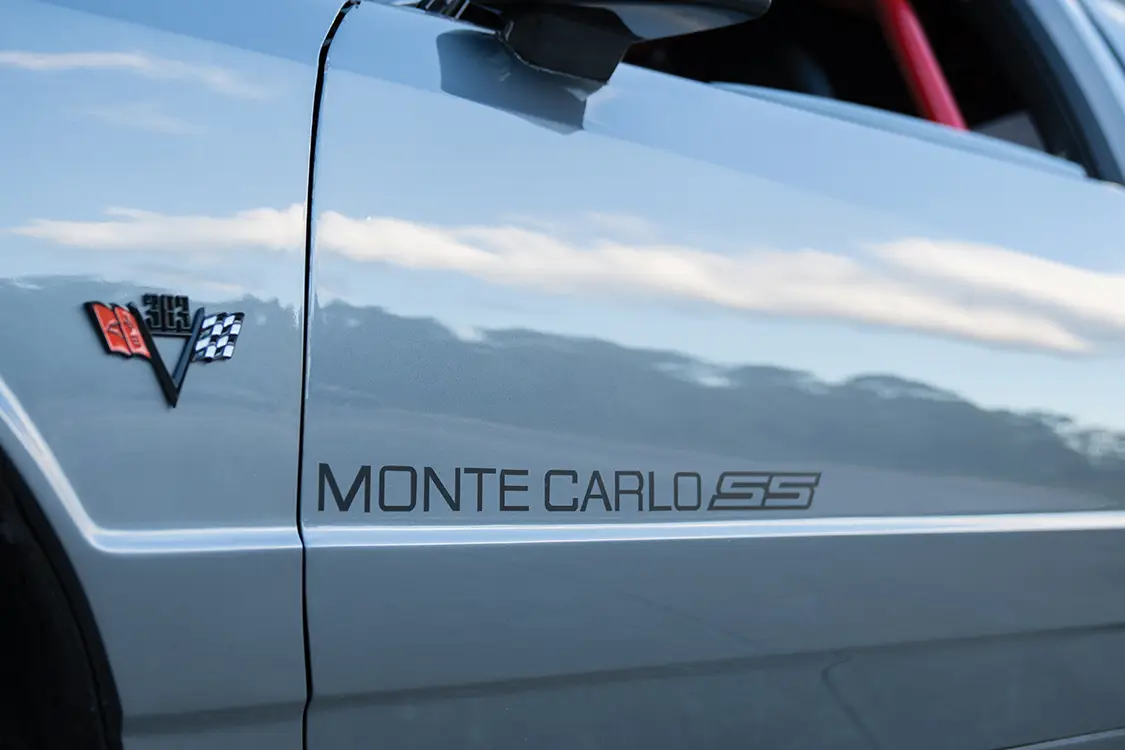
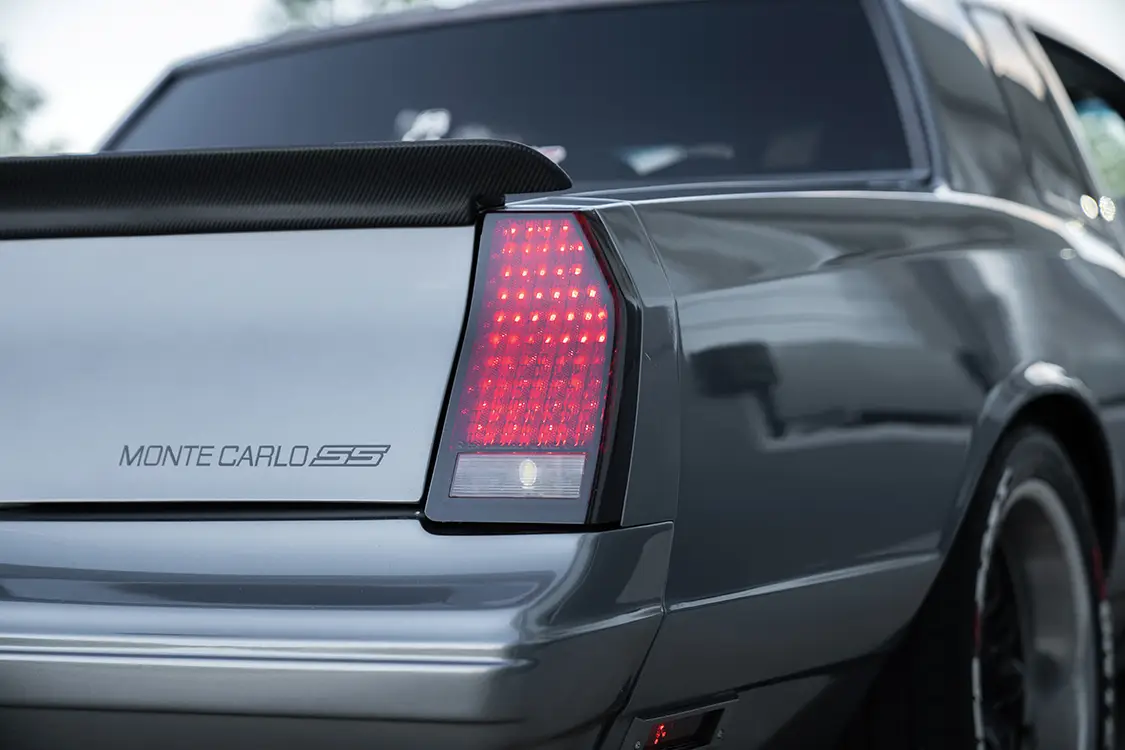
Some cars are built with a plan from the beginning, and some simply grow from a day-to-day passion for perfection. Ramon Walker’s 1986 Chevrolet Monte Carlo SS, known simply as “Grey Area,” is unmistakably the latter.
The first car Walker ever owned, this Monte carried him through high school, college, and a decade of daily-driver duties. By 2017, with well over 300,000 miles on the odometer, a front-end collision could have been the end of the story. Instead, it became the beginning of something far greater. What started as a straightforward clip replacement spiraled into a no-compromise, frame-off transformation that would consume the next five years and, by Walker’s conservative estimate, somewhere between thirty and forty thousand dollars.
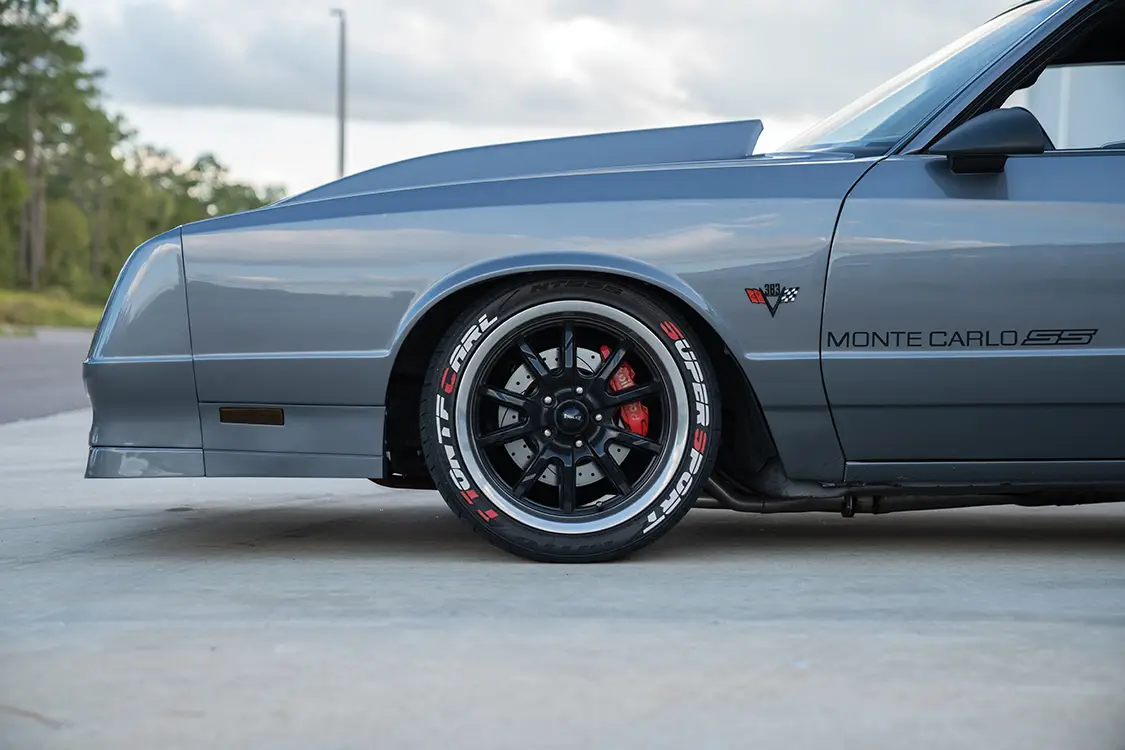
“I could have patched it and kept driving,” Walker says with a shrug, “but once you pull one panel, you see the next thing that needs attention. Seventeen years later, here we are.”
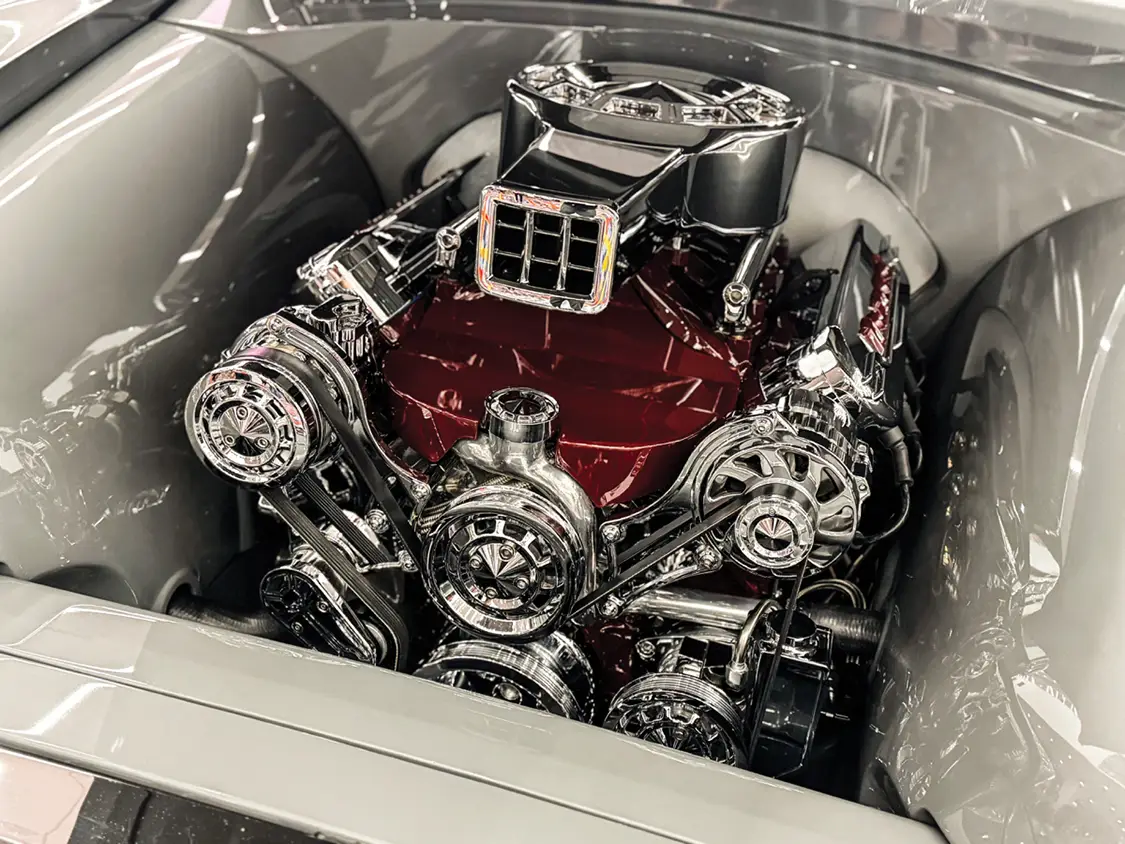
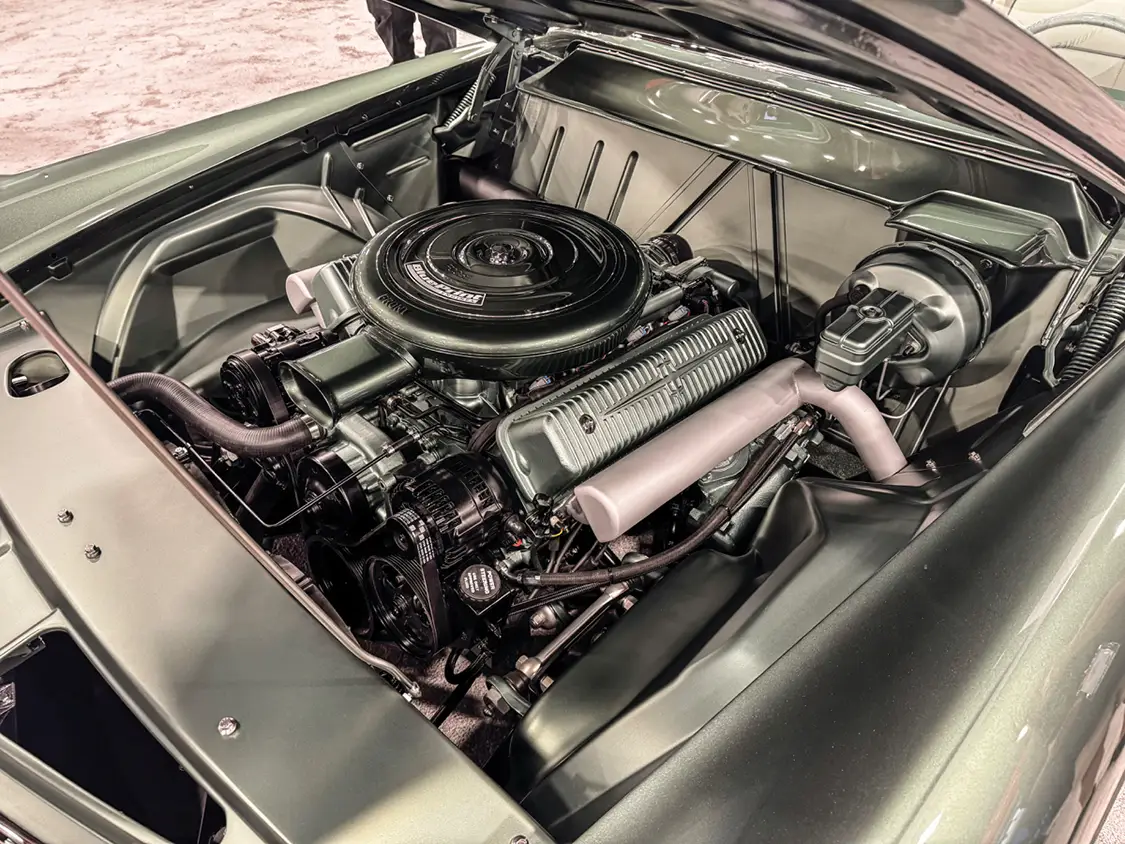
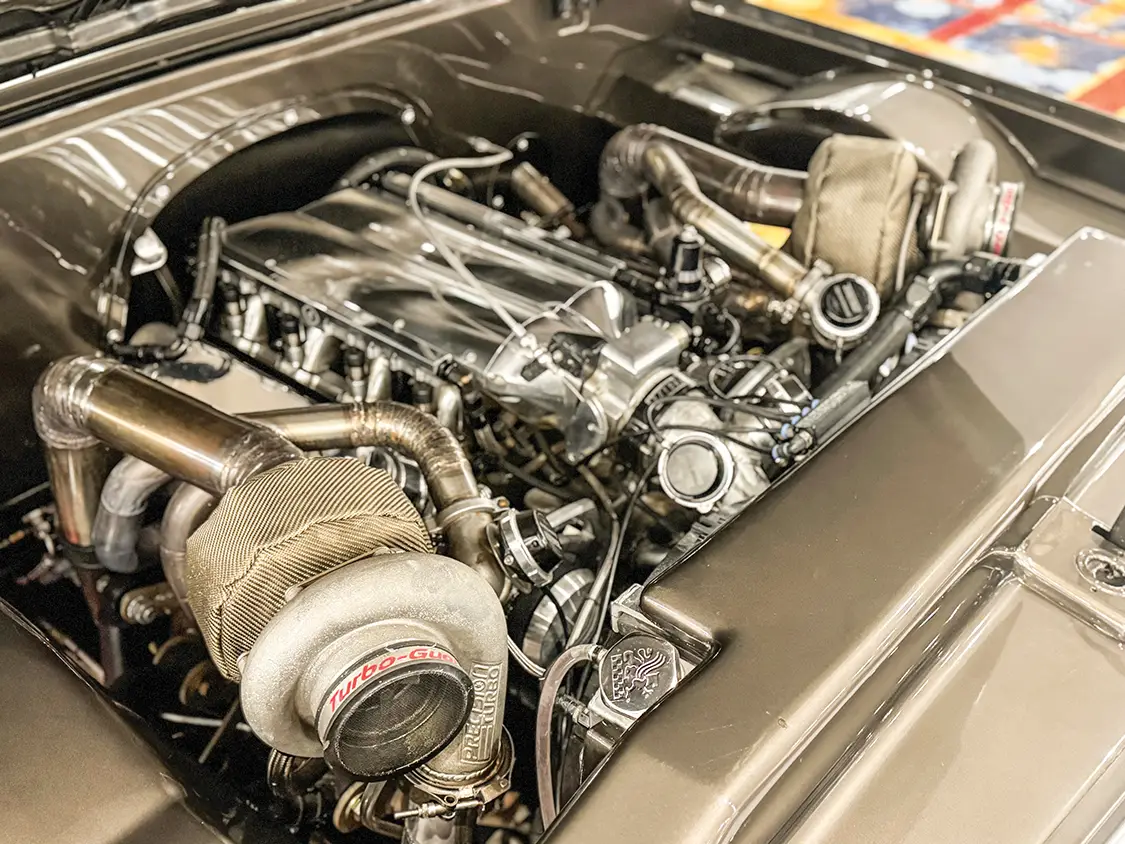
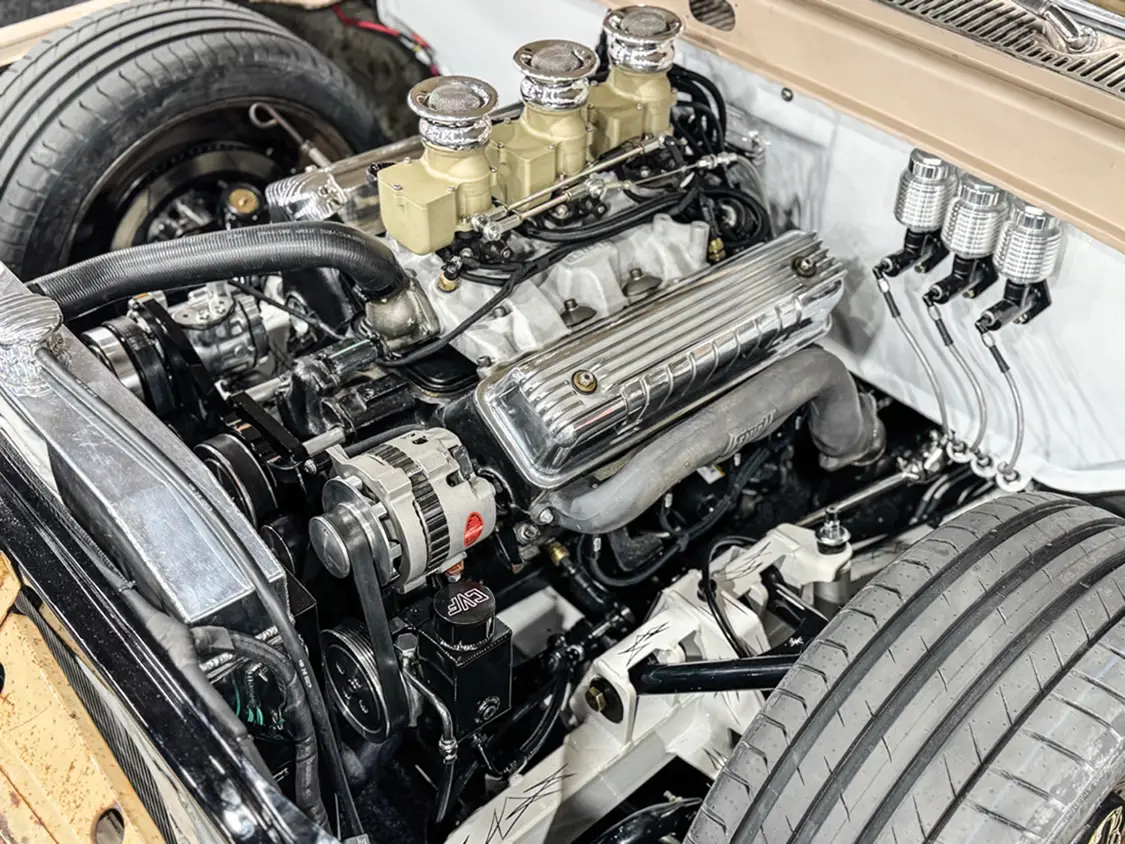
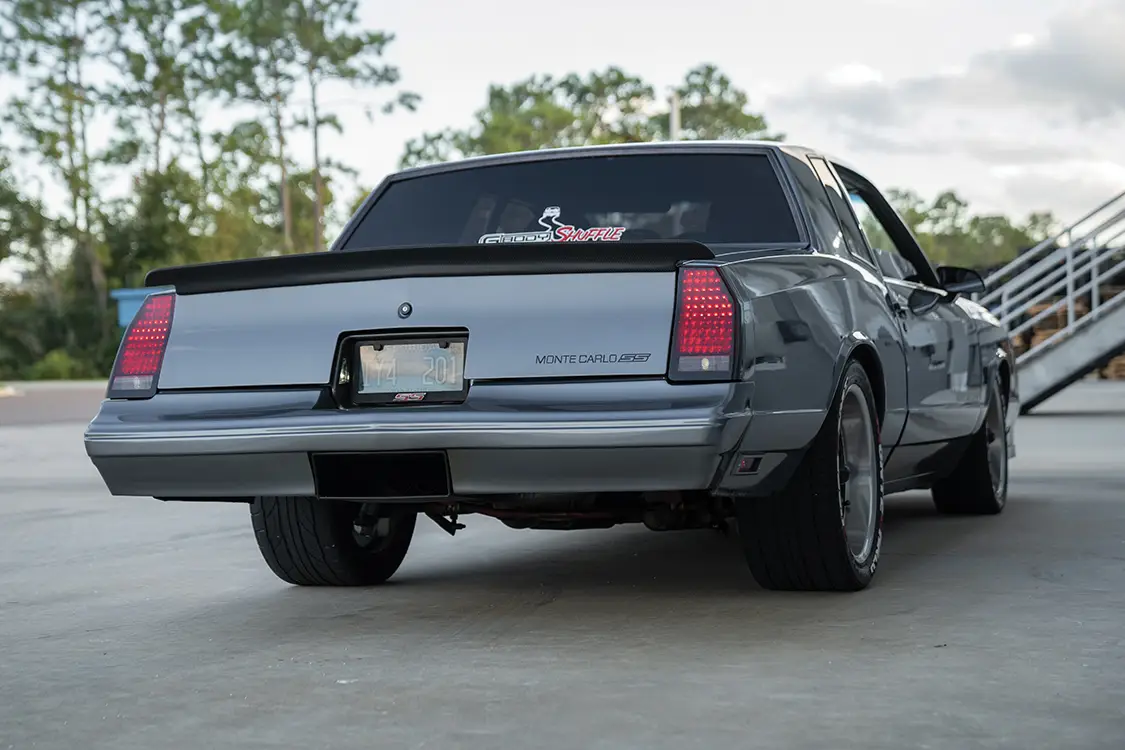
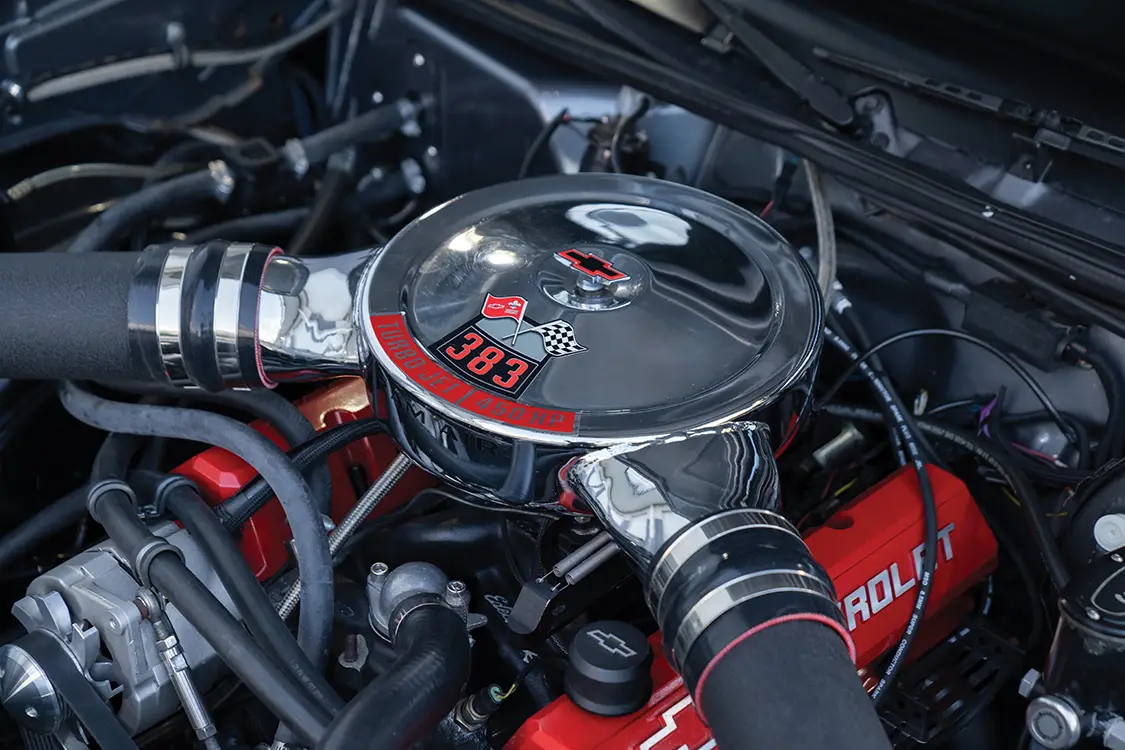
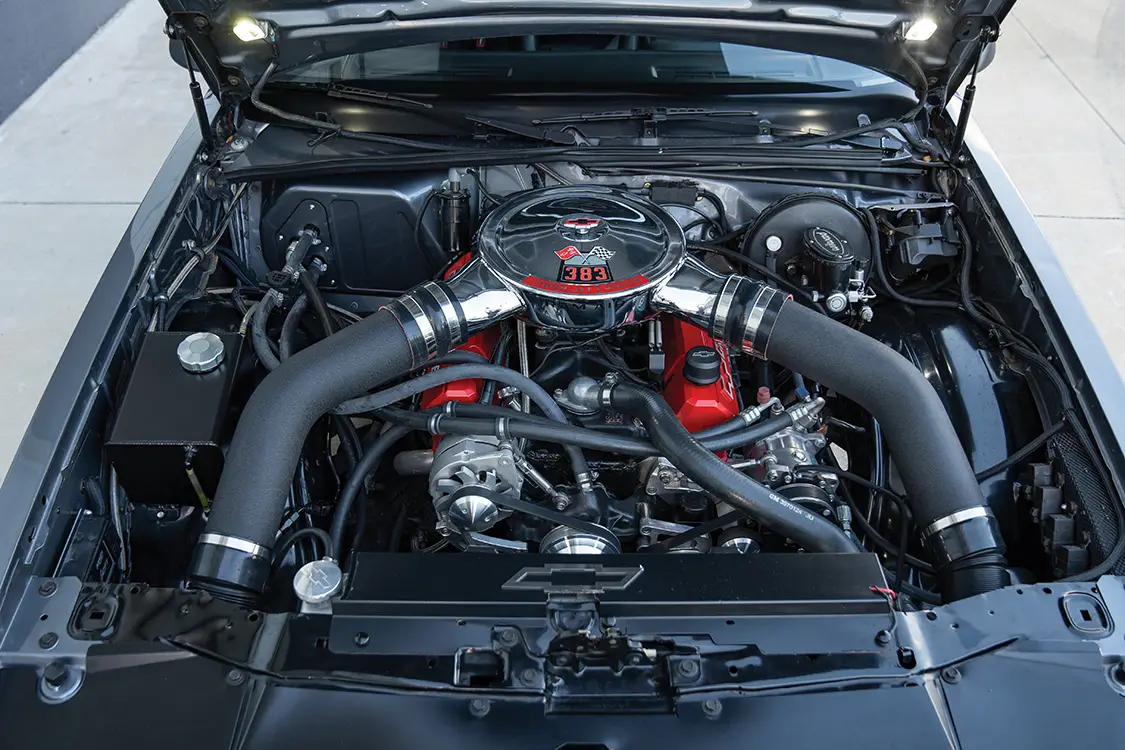
The result is a machine that defies easy categorization. Beneath the factory-appearing gunmetal grey base-clear which was laid down by now closed Shores Auto Body in Ocala, FL, sits a blueprint 383 stroker from Blueprint Engines, topped with aluminum heads, a Comp Cams Xtreme Energy hydraulic-roller cam, and a FiTech MeanStreet EFI system. A Gear Vendors overdrive unit extends the TH400’s legs for comfortable highway cruising, while a 3-inch exhaust with Black Widow Race Venom mufflers announces arrival long before the car appears in the mirror. Doug’s headers, a March serpentine system, and a functional ram-air setup routed through the high-beam headlight buckets complete an engine bay that looks factory-tidy yet produces north of 450 horsepower at the flywheel.
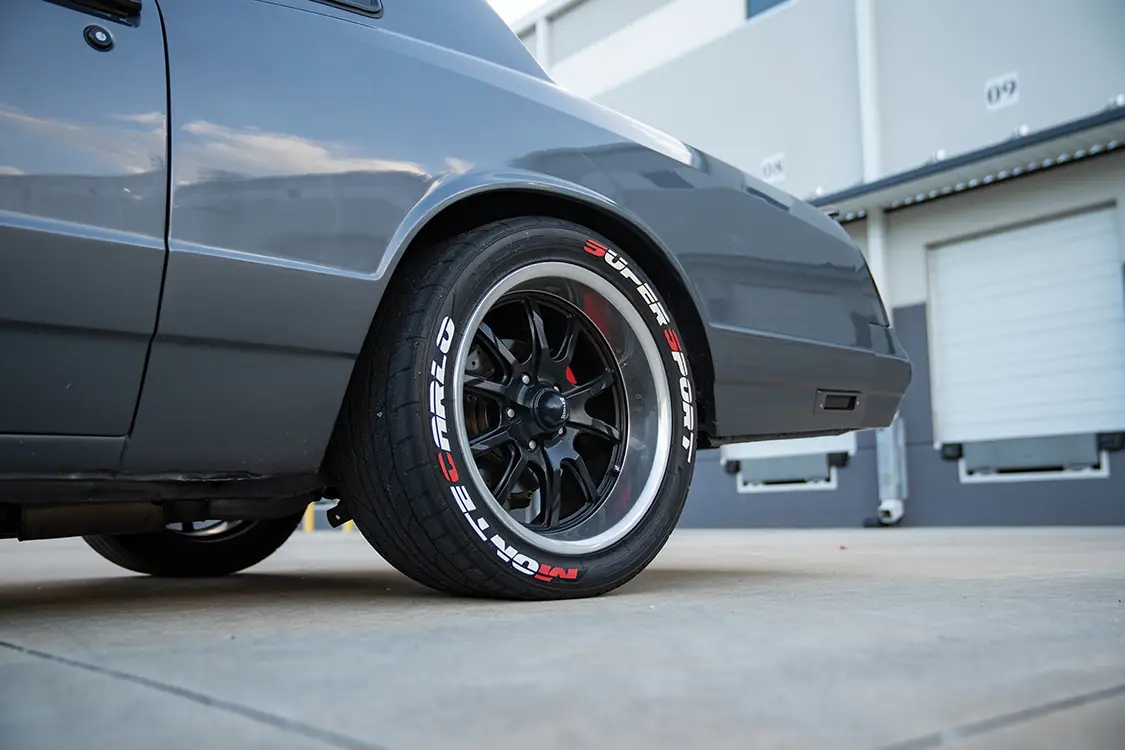
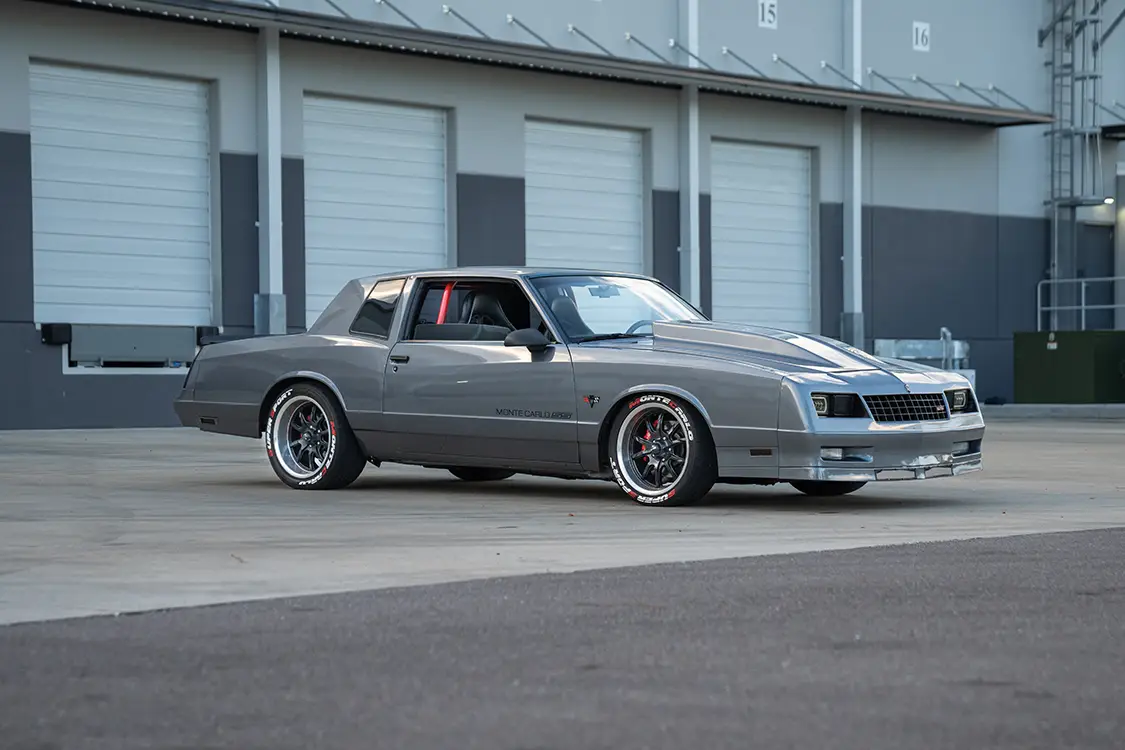
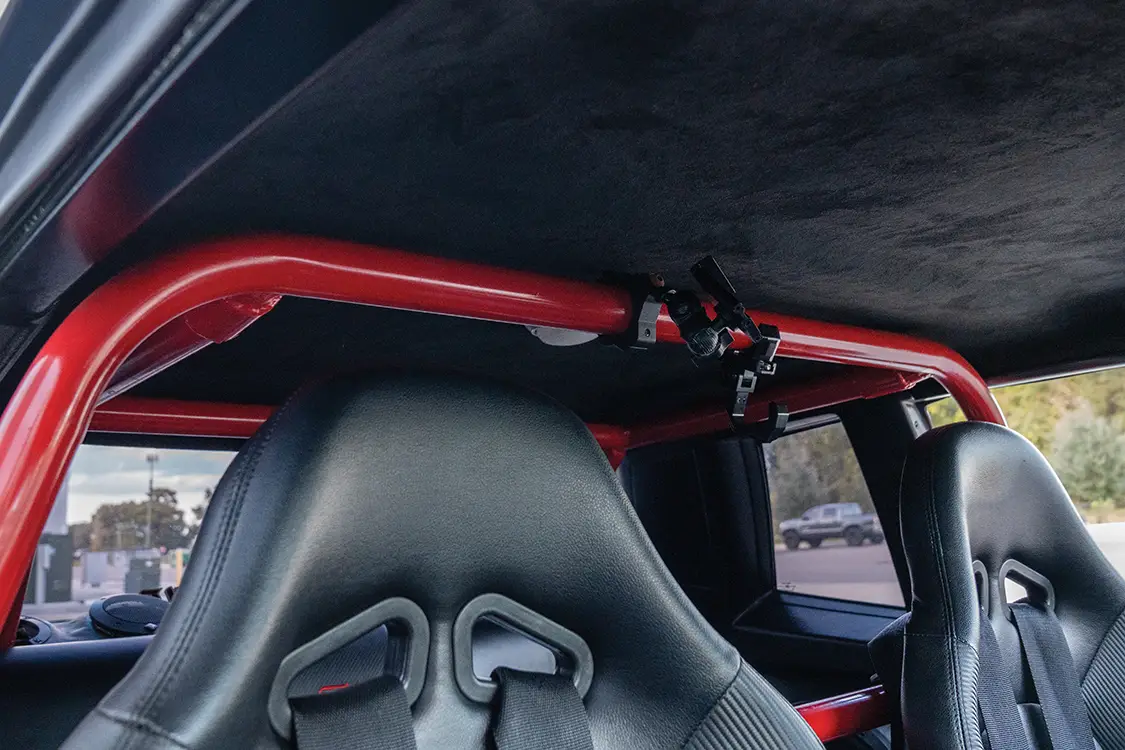
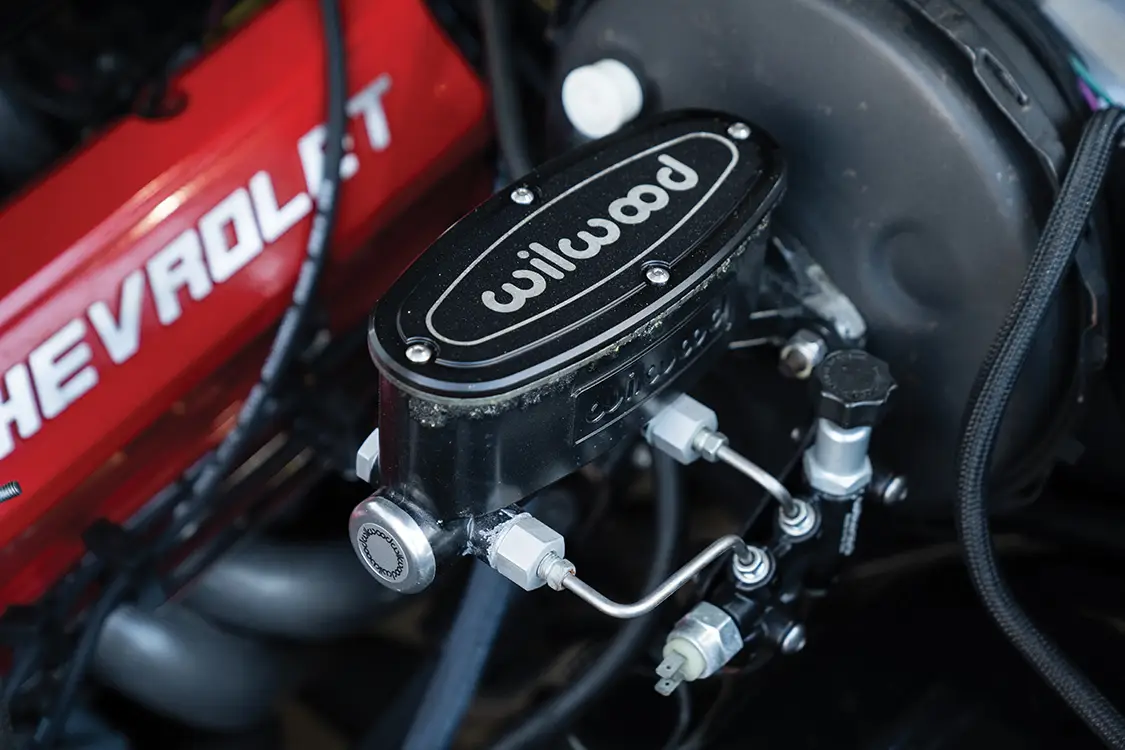
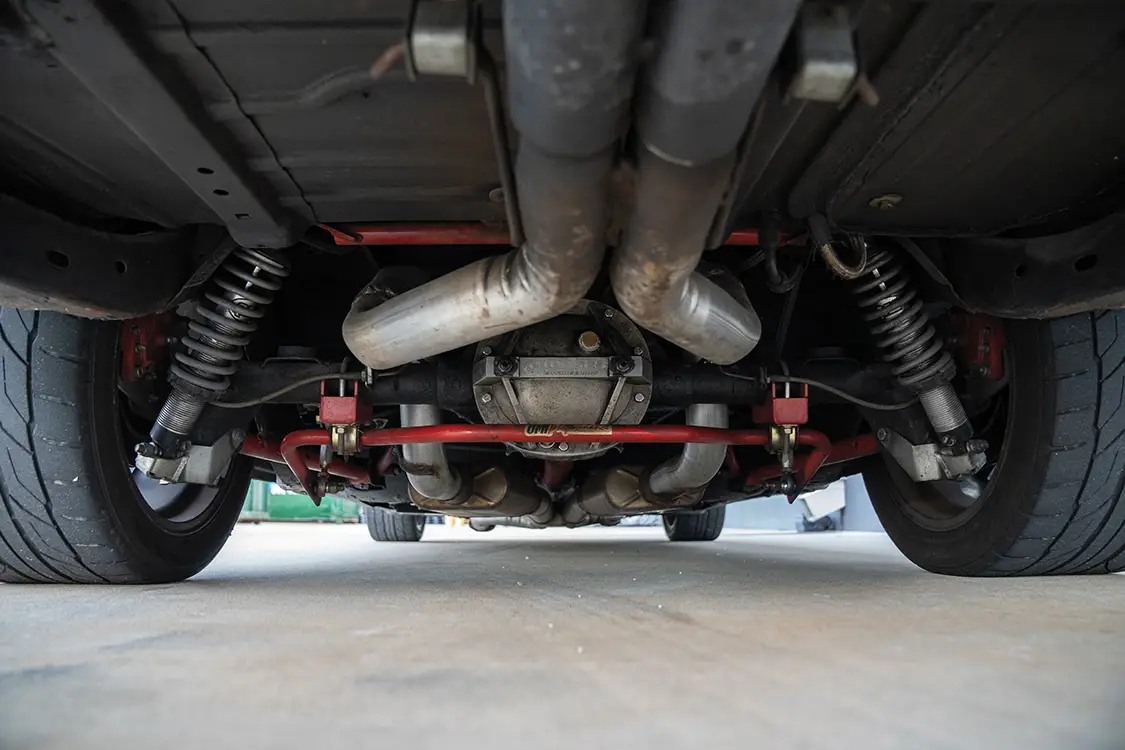
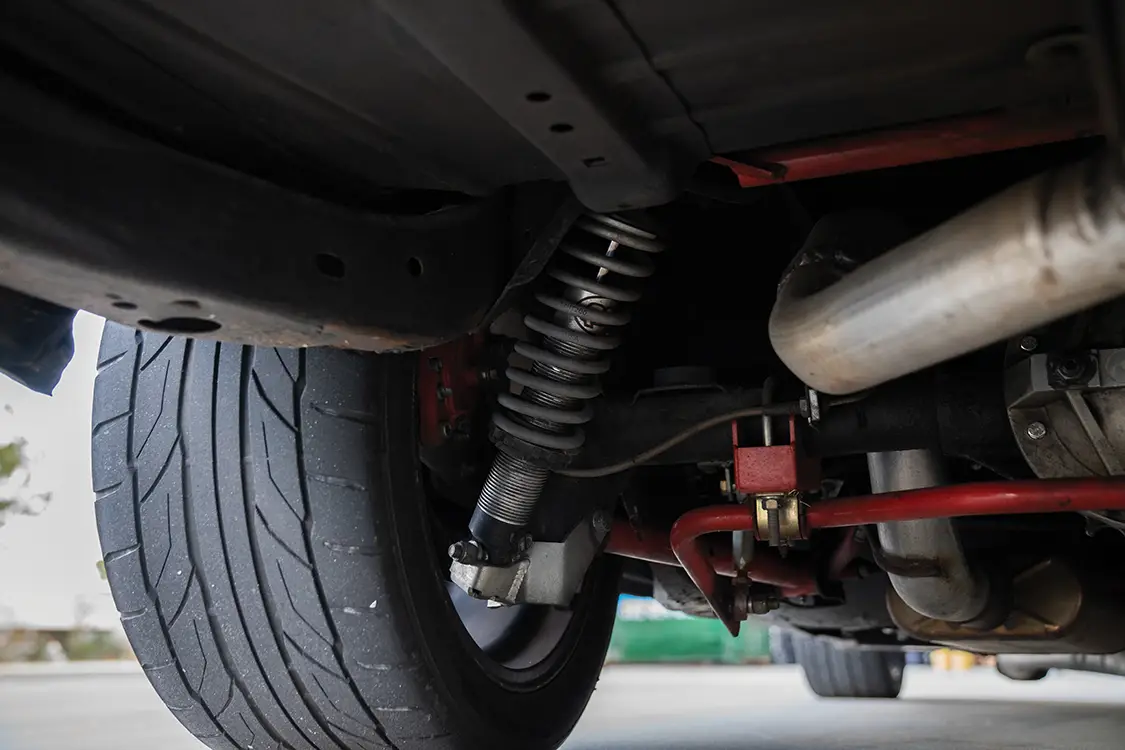
The chassis tells a similar story of evolution. Originally intended as a dedicated autocross and road-course weapon, the Monte received a full chromoly six-point cage, solid body mounts, and a 15-gallon fuel cell before Walker realized he wanted something he could drive every day. Rather than backtrack, he doubled down. QA1 single-adjustable coilovers at all four corners, tubular control arms front and rear, and a comprehensive UMI Performance brace package transformed the G-body’s notoriously soft structure into something that feels generations newer. Wilwood six-piston front and four-piston rear brakes hide behind black Riddler 650 wheels wrapped in Nitto NT555 rubber.
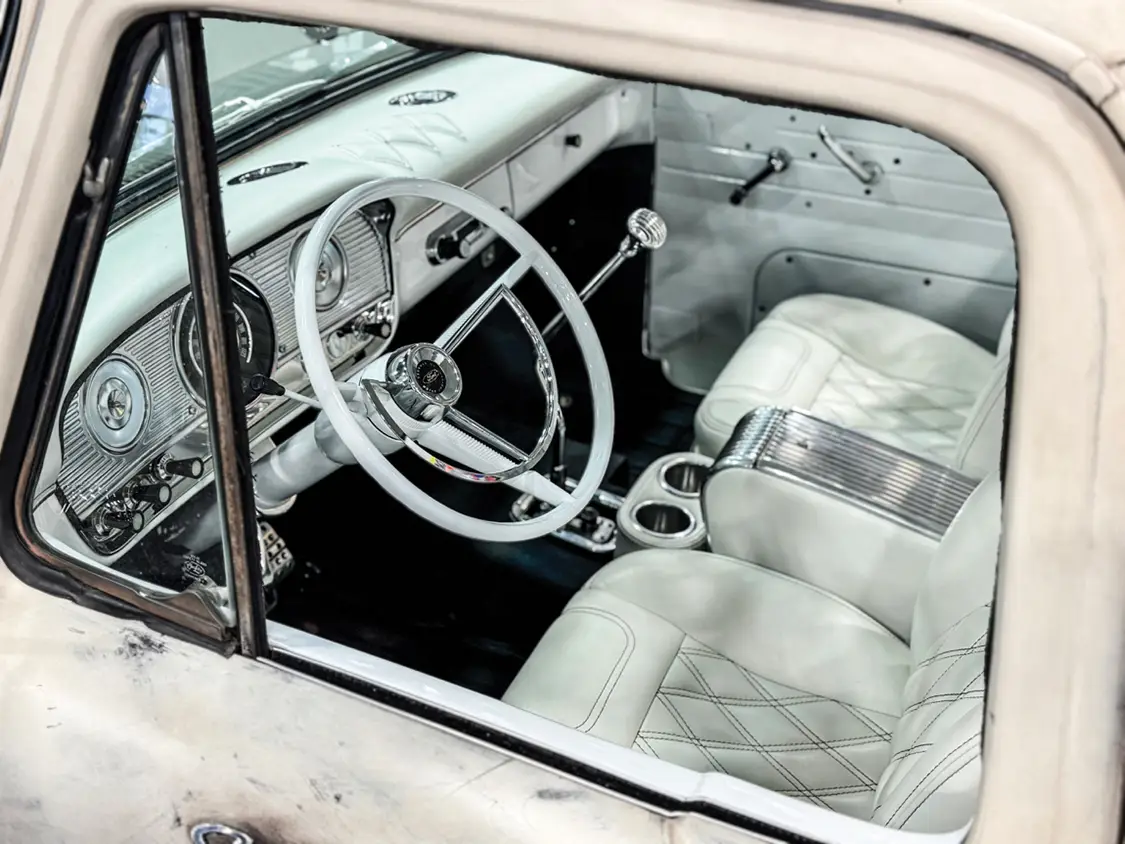
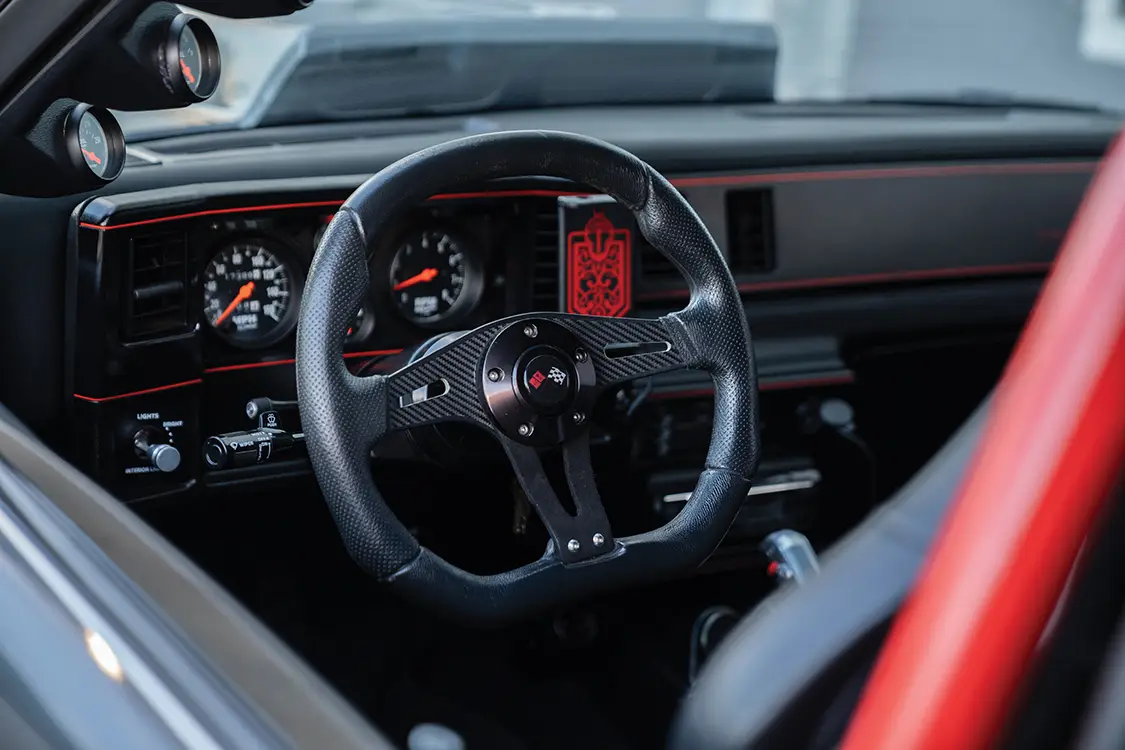
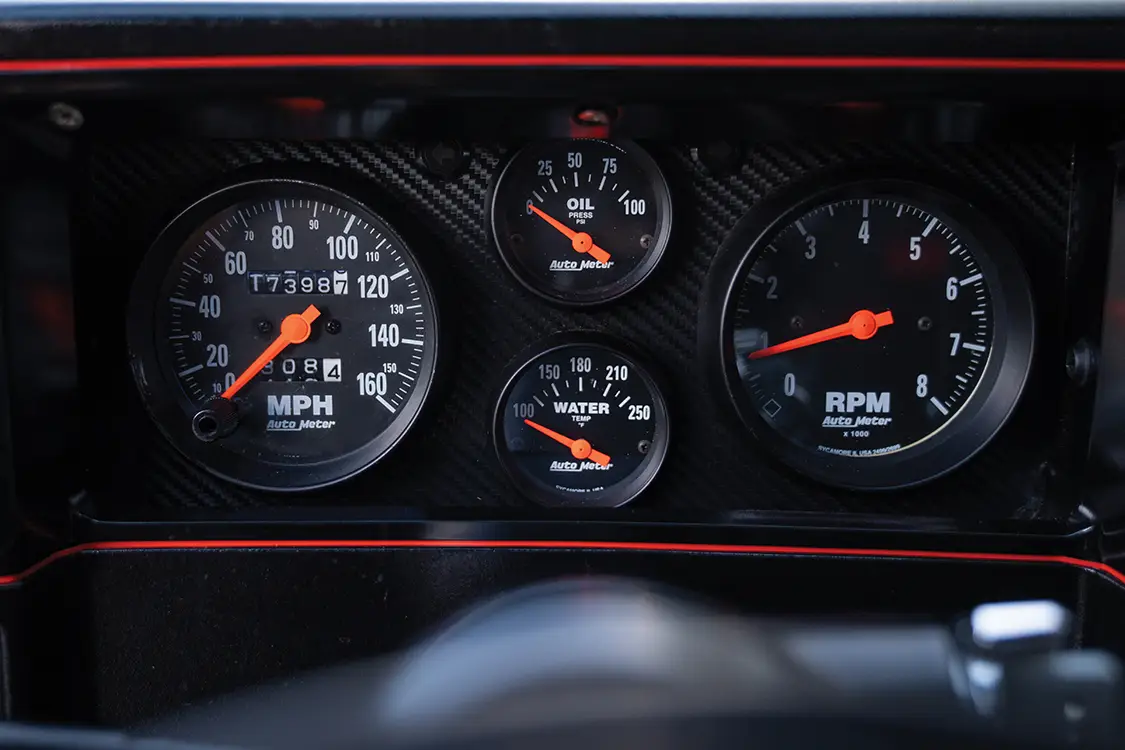
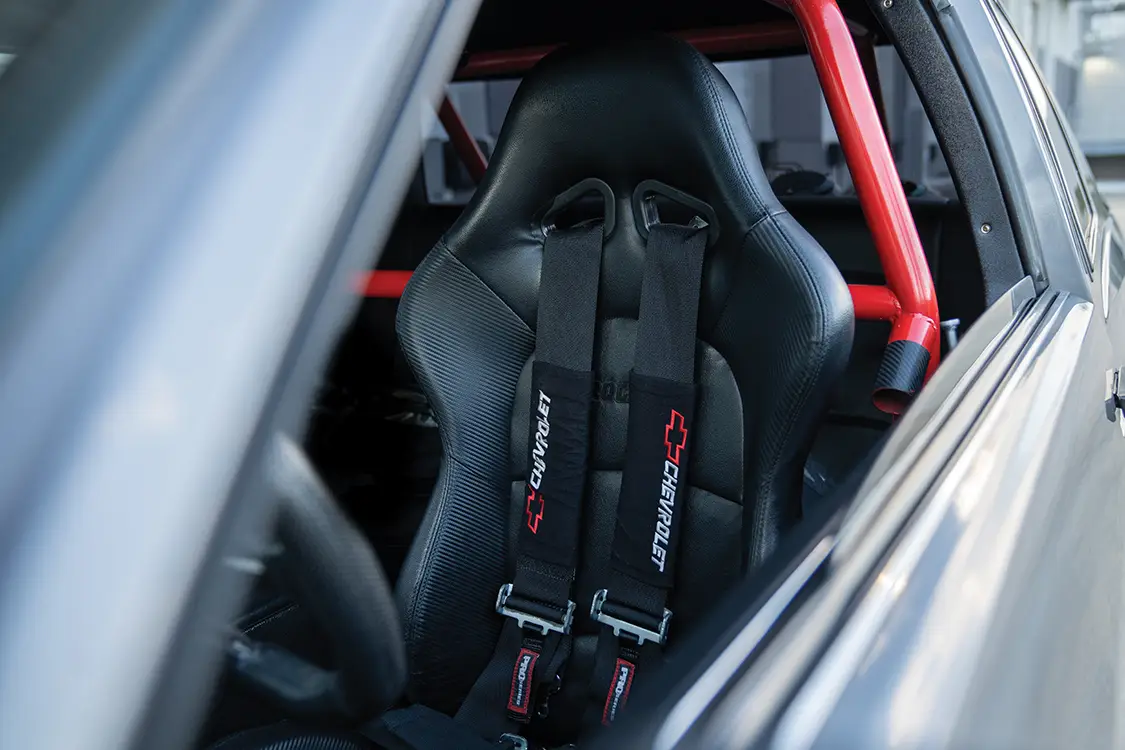
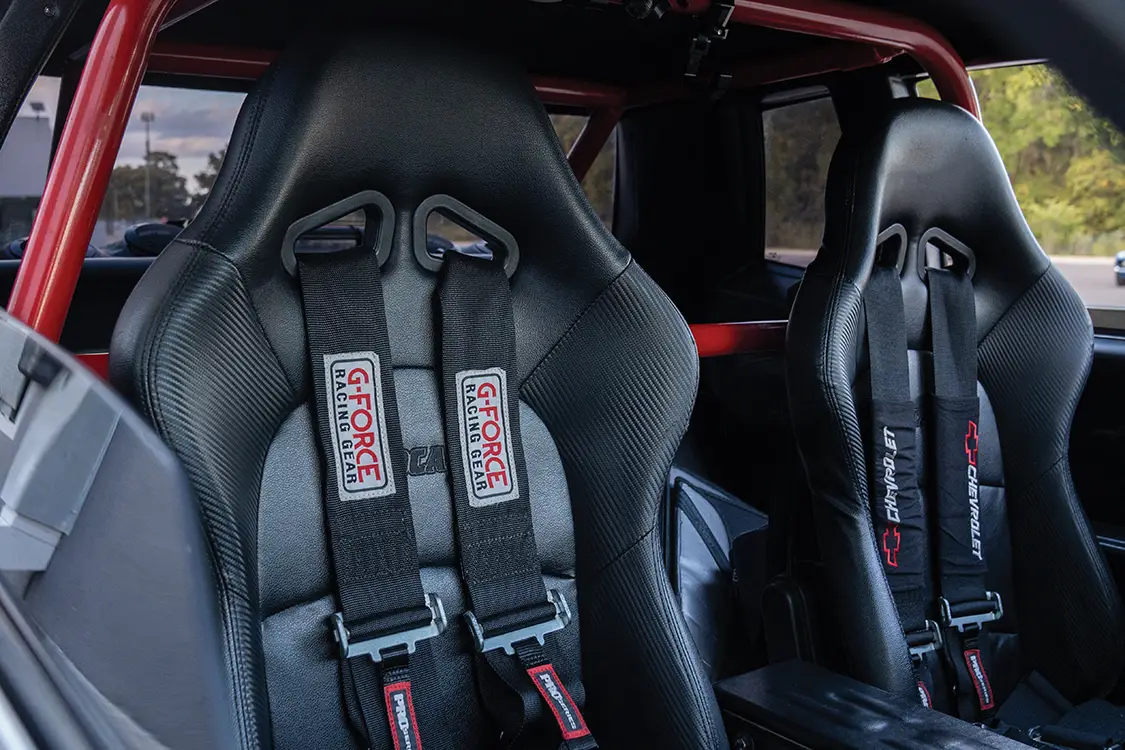
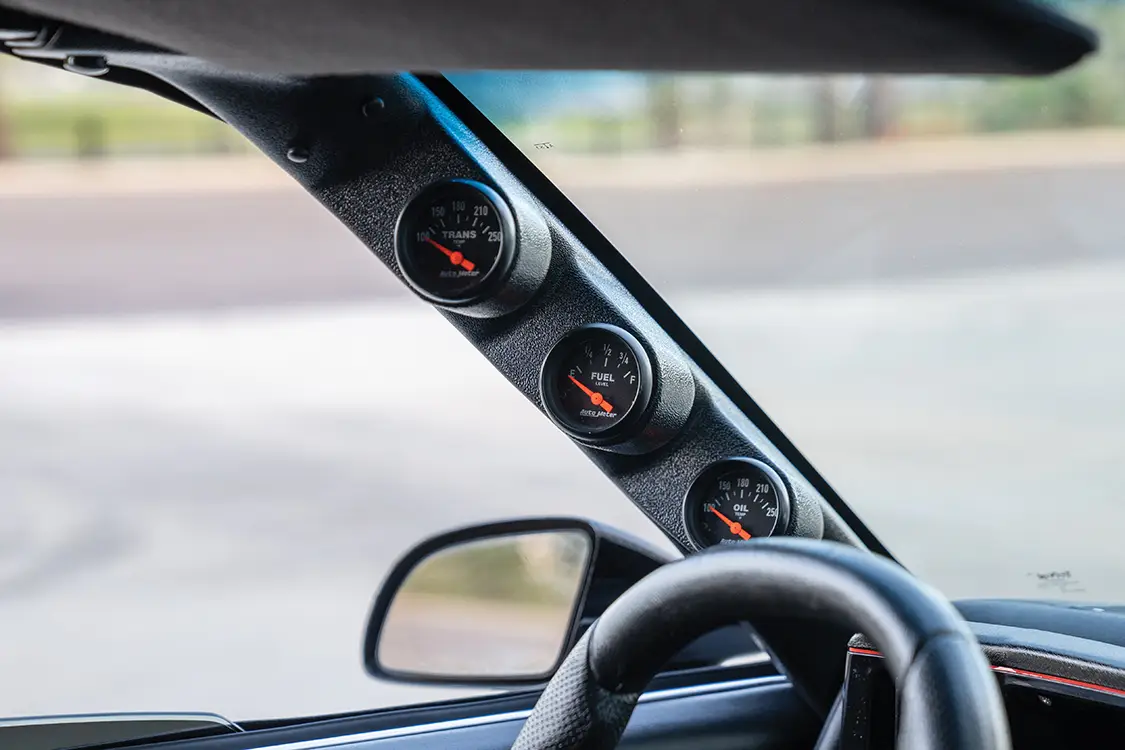
Inside, Procar buckets up front and a re-upholstered factory bench in the rear, courtesy of Schoupe Upholstery in Ocala, strike a balance between race-ready and family-friendly; and a set of raised “SS” embroidered door panels hint at the attention to detail that runs throughout. Vintage Air keeps Florida summers bearable, and an AutoMeter Z-Series cluster monitors vitals. A B&M Pro Bandit shifter and Grant D-shaped wheel complete the driver-focused cockpit.
Walker, who by day specializes in classic car part sales at National Parts Depot’s Ocala location, has driven Grey Area to more than sixty events across Florida, and never on a trailer. Nearly forty awards have followed, but the trophies matter less than the memories: school drop-off duty, interstate cruises, and the satisfaction of fixing every head-gasket, fuel-pump, or belt-alignment gremlin with his own tools and a YouTube education.
“Build your car for you,” Walker advises anyone contemplating a similar journey. “Have a plan, yes, but be prepared for the plan to change. And develop patience, lots of it.”
Seventeen years after he first turned the key in a tired high-school hand-me-down, Ramon Walker is still writing new chapters with the same Monte Carlo. Only now, it wears gunmetal grey, breathes through functional ram air, and carries the unmistakable evidence of a man who refused to let a fender-bender become an ending.
In an era of quick flips and renderings brought to life in months, Grey Area stands as proof that the deepest automotive bonds are measured not in dollars or months, but in decades of passion and commitment.
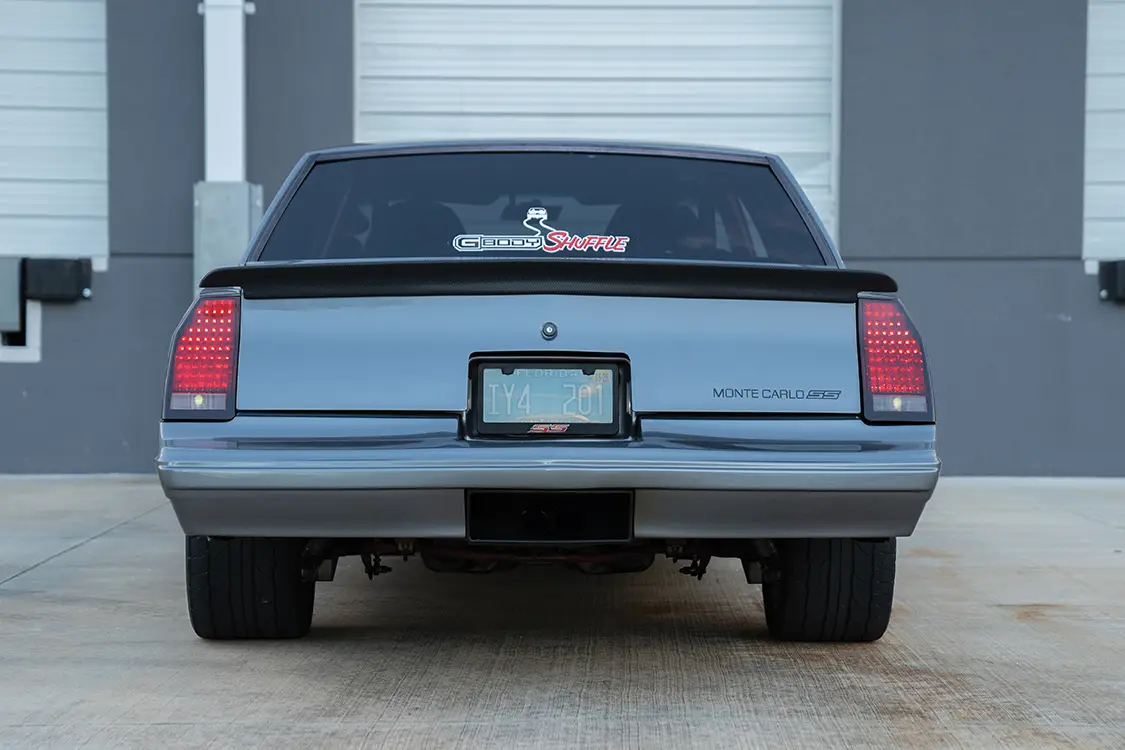
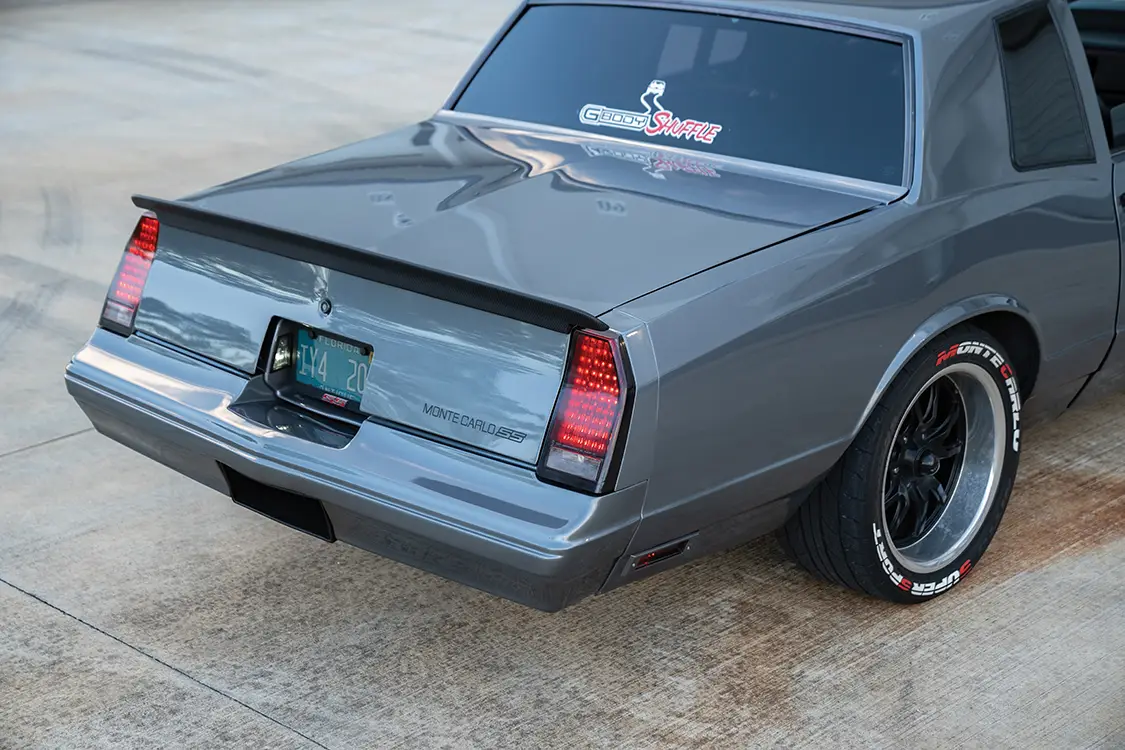
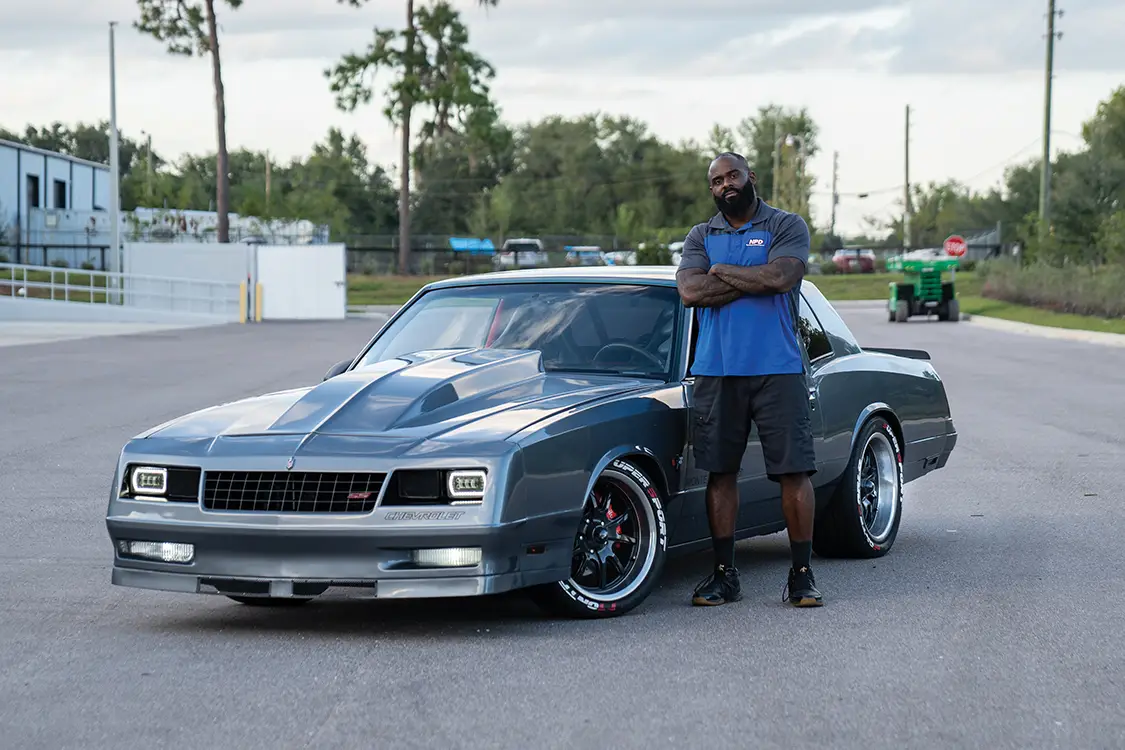
Owner: Ramon Walker – Ocala, Florida 1986 Chevrolet Monte Carlo SS “Grey Area”
Build duration: 17 years
Estimated build cost: $30,000–$40,000
Color: GM Gunmetal Grey base/clear (Shores Auto Body – closed)
Blueprint Engines 383 ci stroker small-block Chevy
Aluminum cylinder heads, balanced & blueprinted
Comp Cams Xtreme Energy hydraulic-roller cam (.520/.540 in. lift w/ 1.5 rockers; .550/.570 w/ 1.6 rockers)
Edelbrock RPM Air-Gap intake manifold
FiTech MeanStreet 8-injector EFI system
Doug’s Headers 1¾-in primaries, 3-in collectors
3-inch mandrel-bent exhaust w/ Black Widow Race Venom 250 mufflers
Bumper-exit custom exhaust
MSD Pro-Billet distributor & 6AL-EFI ignition box
AFR stud girdles, March Performance serpentine pulley kit
Functional ram-air induction through high-beam headlight buckets (LED-lit)
Big-block oil pump, 6-qt pan w/ windage tray & crank scraper
15-gal aluminum fuel cell, Aeromotive 340 lph in-tank pump
GM TH400 automatic
Gear Vendors overdrive tailshaft unit
B&M 2,800–3,200 rpm (3,000 rpm advertised) stall converter
B&M shift kit, Moroso deep pan
Derale transmission cooler (custom-mounted in front air dam)
Custom 39-inch driveshaft
GM 7.5-inch 10-bolt (heavily fortified)
Richmond 3.73:1 gears
Auburn limited-slip differential
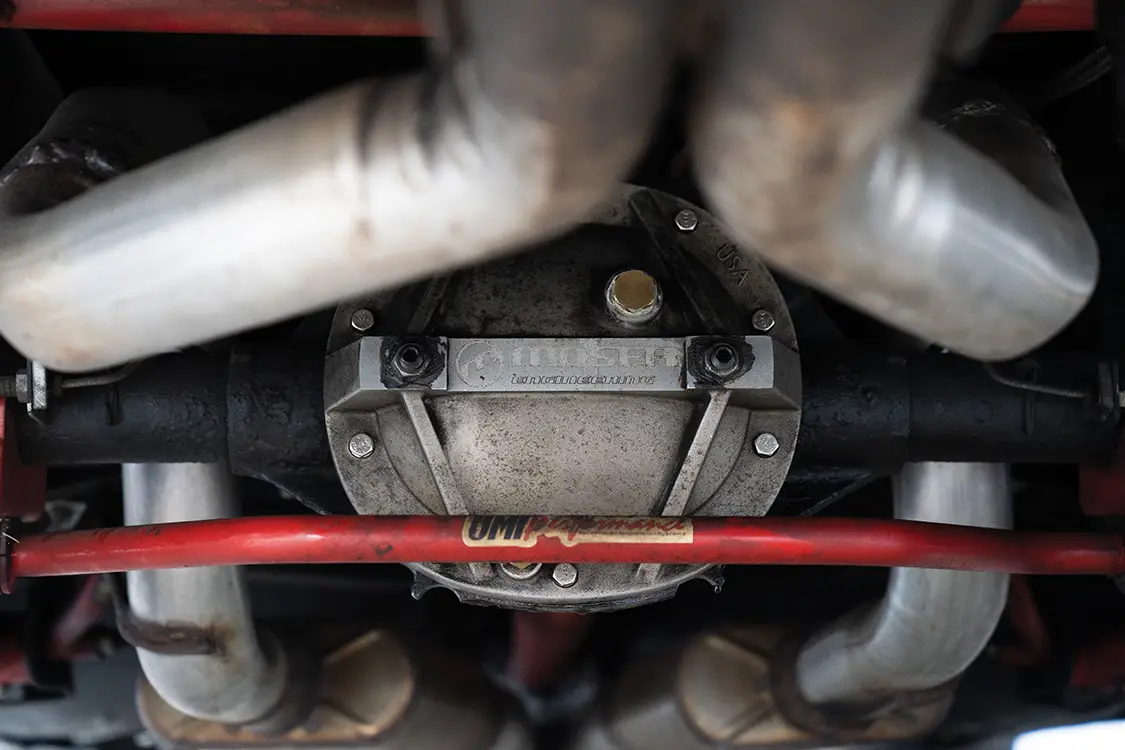
Moser 28-spline axles & heavy-duty cover
Stock frame w/ chromoly 1¾-inch 6-point roll cage
QA1 single-adjustable coil-over shocks (front & rear)
QA1 tubular upper & lower front control arms
UMI Performance adjustable tubular rear control arms (upper & lower), triangulated core-support brace, rear shock-tower brace, rear control-arm brace
Hotchkis front sway bar, UMI Performance adjustable rear sway bar
Solid body mounts
2 Wilwood 6-piston front calipers w/ drilled & slotted rotors
Wilwood 4-piston rear calipers w/ disc conversion
Wilwood 11/8-inch master cylinder w/ adjustable proportioning valve
Riddler 650 wheels – 18×8 front, 18×9.5 rear (black)
Nitto NT555 G2 – 245/40R18 front, 285/40R18 rear
Custom raised white-letter decals by TireStickers.com
Shaved rain gutters/drip rails
LED headlights, sequential LED taillights
LED illumination in ram-air ducts
Procar black vinyl racing bucket seats
Factory rear bench re-upholstered to match (Schoupe Upholstery – Ocala, FL)
“SS” embroidered door panels & console lid
Vintage Air Gen IV climate control
B&M Pro Bandit pistol-grip shifter
AutoMeter Z-Series gauges
Grant D-shaped steering wheel w/ quick-release hub
Kenwood single-DIN Bluetooth head unit
-Carbon-fiber dash & console inserts
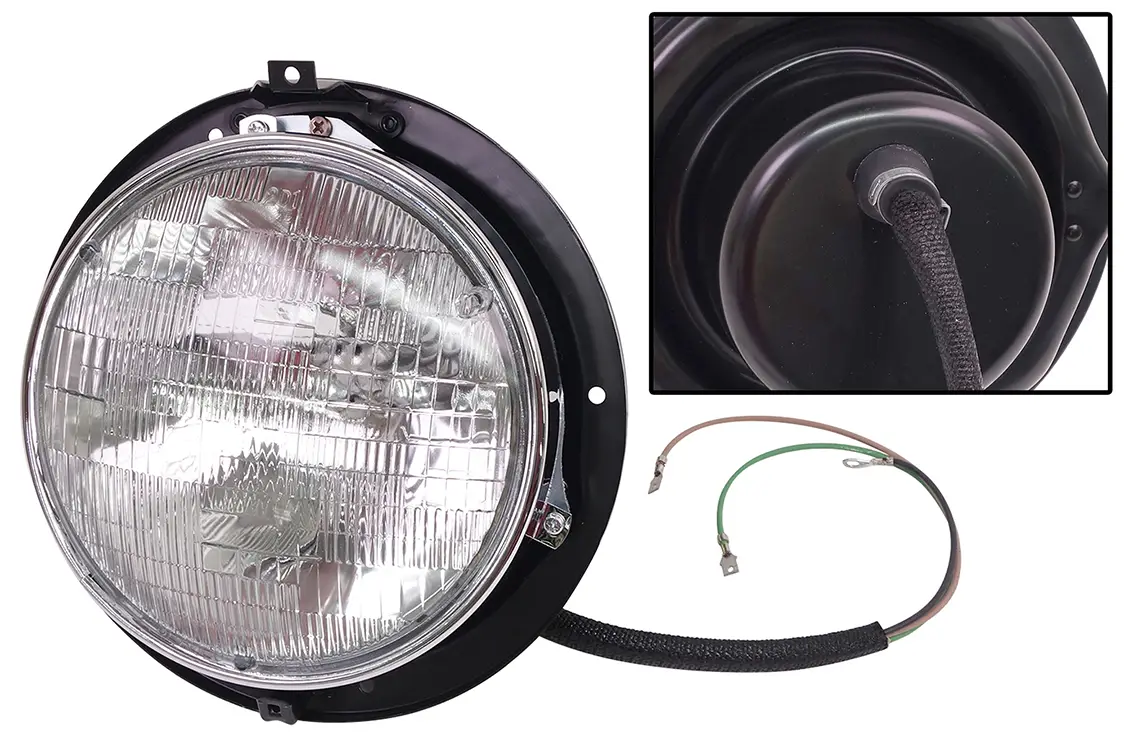
Just in! Car Shop’s brand-new tooling 1955-57 Chevrolet passenger car complete headlight bucket assemblies. Are you tired of being stuck using mismatched parts that don’t quite fit or rusted out originals? Then you are in luck, these beauties include headlight housing, headlight bucket, sealed beam bulb, bulb retainer, OE-style adjusters, and an original design USA-made headlight wire harness. The 1955-56 also include the correct asphalt wire loom. All three assemblies feature correct connections and factory color coded high performance cross link wire for a truly effortless plug-and-play installation.
www.truckandcarshop.com
800-243-8947
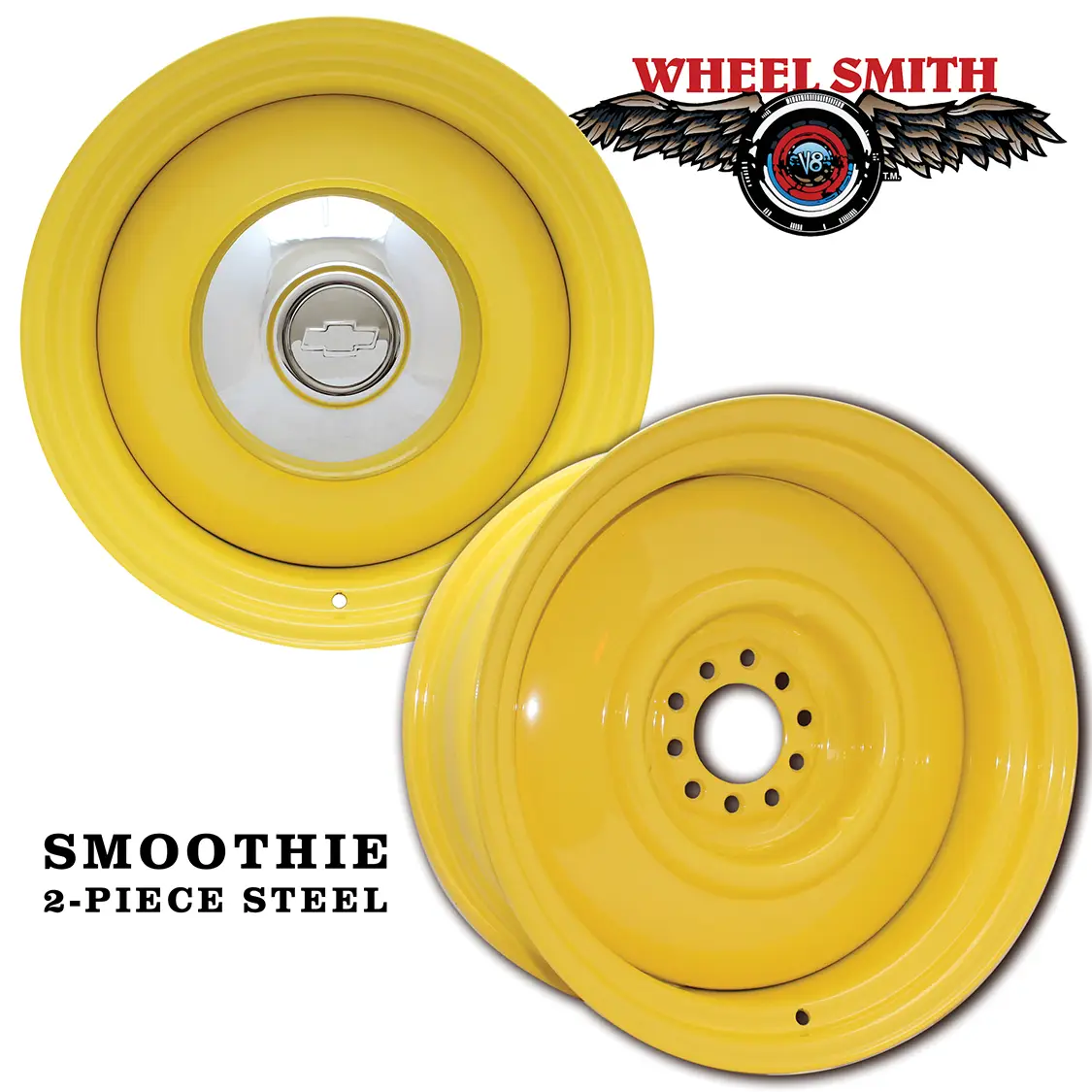
Wheelsmith, known for making hot rod and classic car wheels to order in the U.S.A. now offers our popular 2-piece steel Smoothie style wheels are now available to order at 20” diameter and up to 12” wide. Wheels are made to order in the U.S.A. by real car guys and offered at any backspace for the best fit to your vehicle!
Adding to the 15”-18” Smoothie wheels in 7”, 8” and 9 widths with bolt patterns of 5 on 4.5-4.75, 5 on 5-5.5, and 6 on 5.5. Wheelsmith now offers 20” Smoothie style wheels with widths available up to 12” wide!
To get that traditional look for larger brake applications, the 20-inch, two-piece steel wheels from The Wheelsmith are a great value with the customer service you have grown to expect from The Wheelsmith. Call Bob, Terry or Rex at 800-854-8937 to get your order started today.
www.thewheelsmith.net
800-854-8937
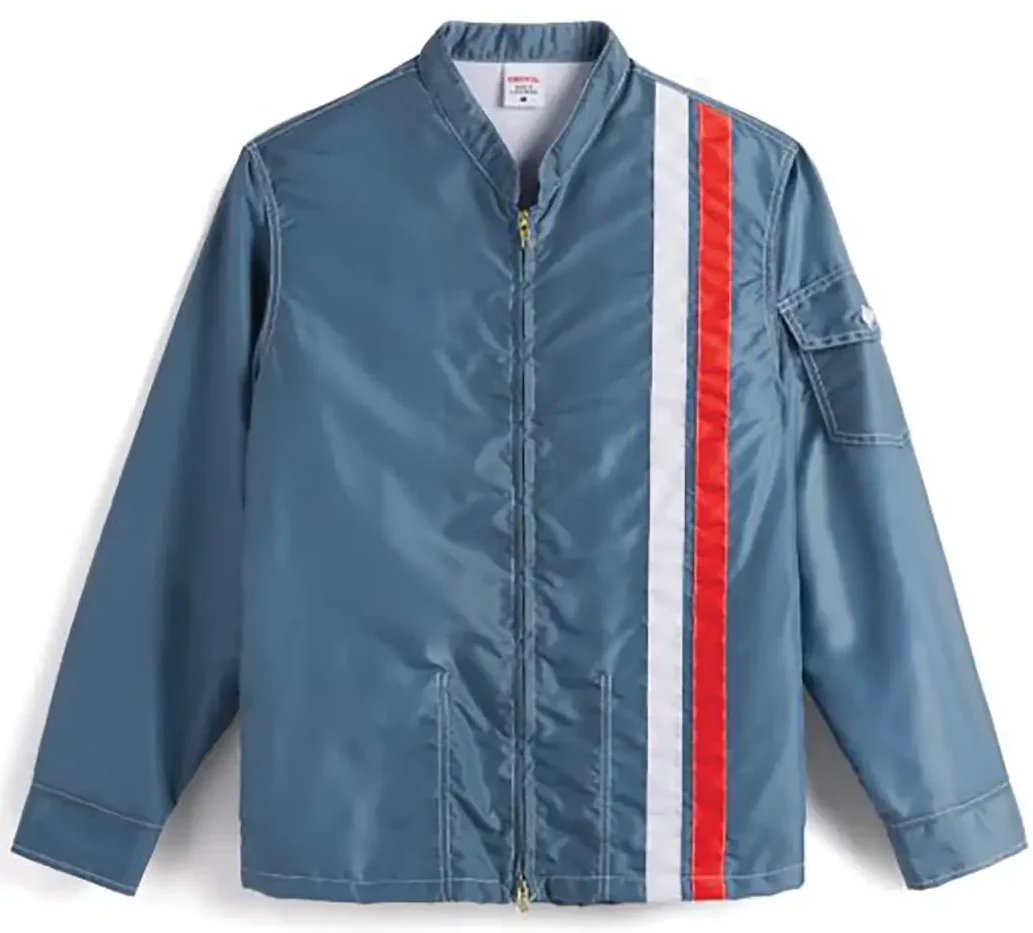
Classic ‘Racing Jacket’ influenced by 60s surf & hot rodding. A staple since ‘62.
The 2025 Birdwell Racing Jacket combines classic SurfNyl® durability with a new anti-snag Talon zipper, made by the original zipper innovators.
Built for everyday wear, this upgraded jacket offers smooth, reliable performance while staying true to Birdwell’s American-made heritage
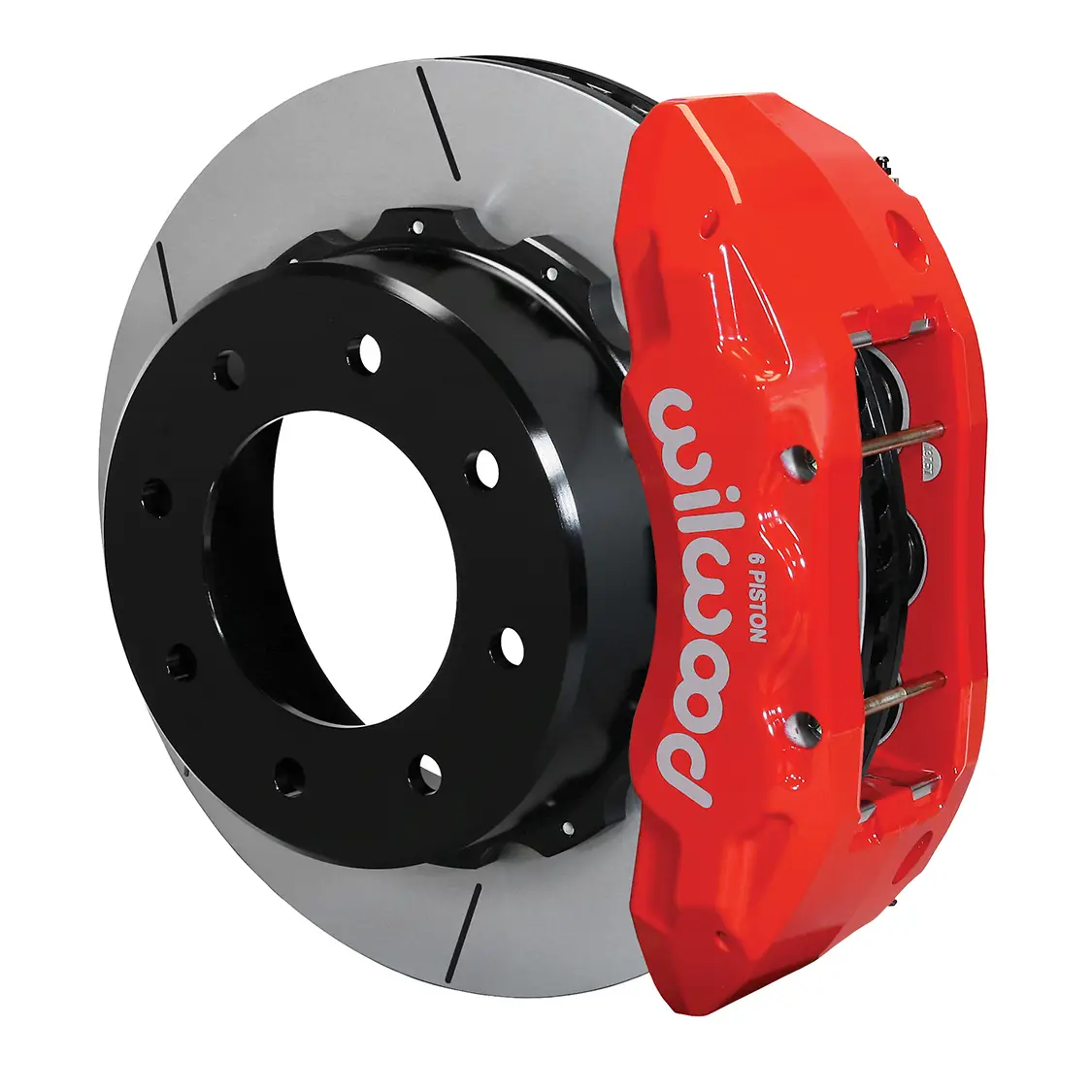
Wilwood has added a new TX6R Tactical Xtreme rear big brake kit option to complement the existing front TX6-DM performance brake kits on 2020-2024 GM 2500 trucks. Upgrading late model GM HD 2500 trucks from smaller OE cast iron calipers and rotors to Wilwood six piston radial mount calipers and larger rotors will provide increased brake torque, thermal capacity and driving confidence for heavy-duty highway use, hauling, towing, off-road use, and mountain driving. The stress-flow forged aluminum TX6R caliper design is identical to those used on tactical armored vehicles weighing up to 14,000 pounds and clamp down on Spec37 E-coated GTB slotted, iron alloy 16.00” x 1.38” military-grade rotors with 60 curved vanes for more efficient cooling. An aluminum hat accommodates the factory parking brake, and the complete kit remains compatible with the OE master cylinder and ABS system. Calipers are equipped with BP-Q ceramic-based dual-sport brake pads and are available in gloss red or black powder coat, or a wide variety of other color options (additional charges apply).
www.wilwood.com
805-388-1188
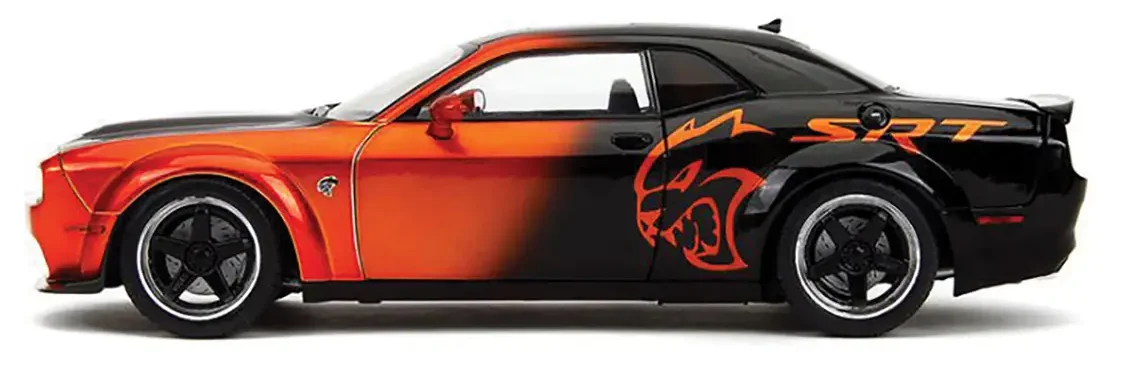
“Pink Slips” Series 1/18 Diecast Model Car by Jada
1/18 scale diecast car model of Dodge Challenger SRT Hellcat Orange Metallic and Black “Pink Slips” Series die cast model car by Jada.
Brand new box.
Real rubber tires.
Has opening doors.
Detailed interior, exterior.
Officially licensed product.
Made of diecast with some plastic parts.
Manufacturer’s original unopened packaging.
Dimensions approximately L-10.5, W-4.75, H-3 inches.
www.diecastmodelswholesale.com
888 242-4227
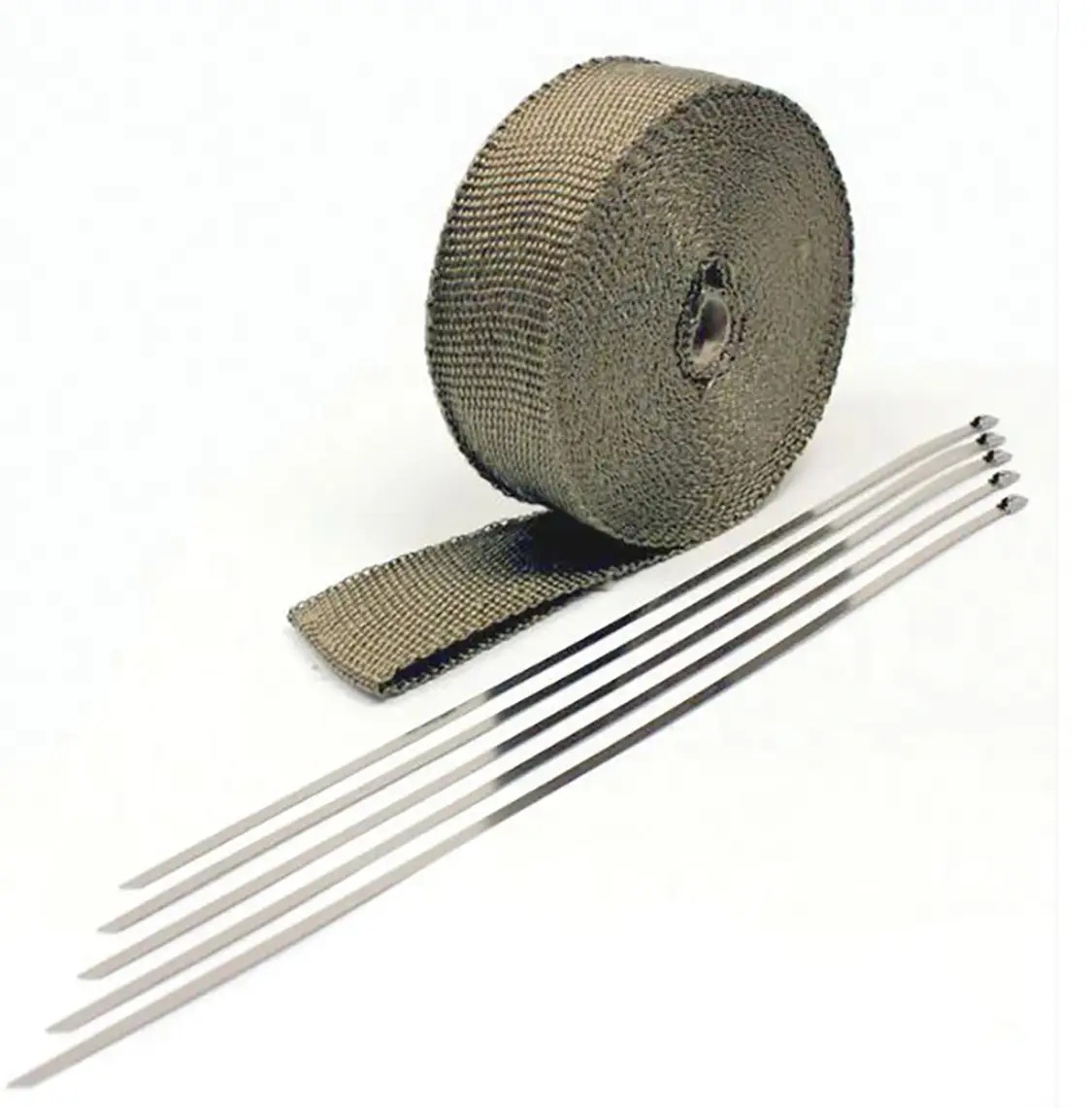
Titanium Heat/Header wrap
50 Feet long
2 inches wide
1/8” thick
Includes: 5 Stainless steel zip ties ~14” long
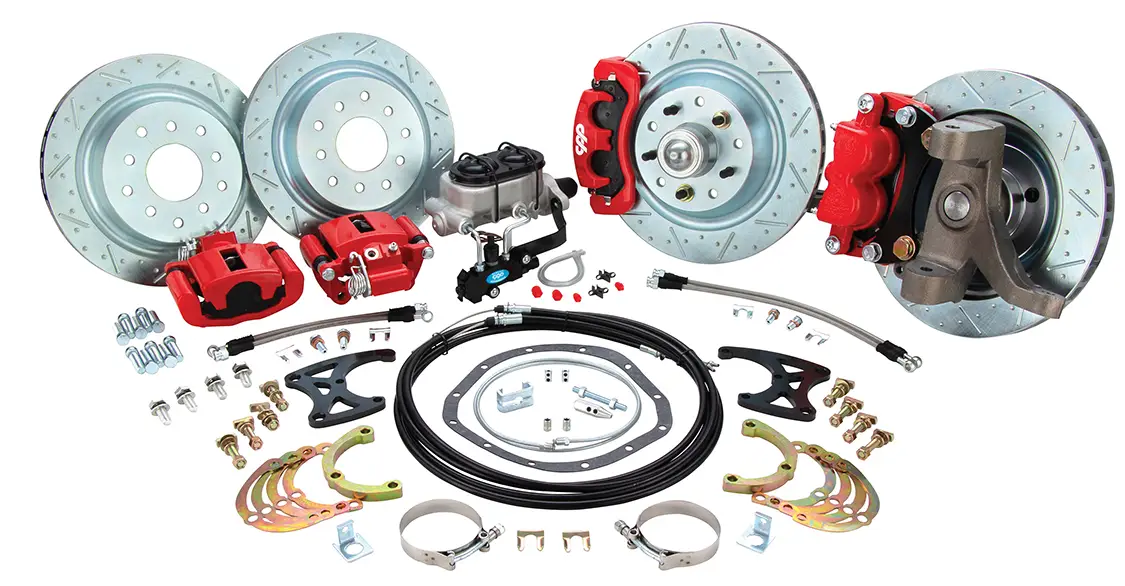
CPP’s Big Brake Kits deliver modern stopping power for classic cars and trucks using a proven spindle and hub design. Truck kits come standard with CPP’s Modular 2.5” Drop Spindles, while full-size car kits are engineered to work with original drum brake spindles or CPP 2” drop spindles. A-, F-, and X-body applications are designed for factory disc brake spindles or are supplied complete with CPP 2” drop spindles. Available in 14” front / 13” rear and 13” front / 13” rear configurations, these systems use large twin piston front calipers and rear calipers with integrated parking brakes, providing the right balance of performance and drivability. Designed for vehicles running larger wheels, the 13”/13” kits are recommended for 18” and up, while the 14”/13” kits are best suited for 20” and larger. Every kit includes an aluminum master cylinder with proportioning valve, plus rotors, calipers, hoses, parking brake hardware, and all necessary mounting components.
www.classicperform.com
714-522-2500
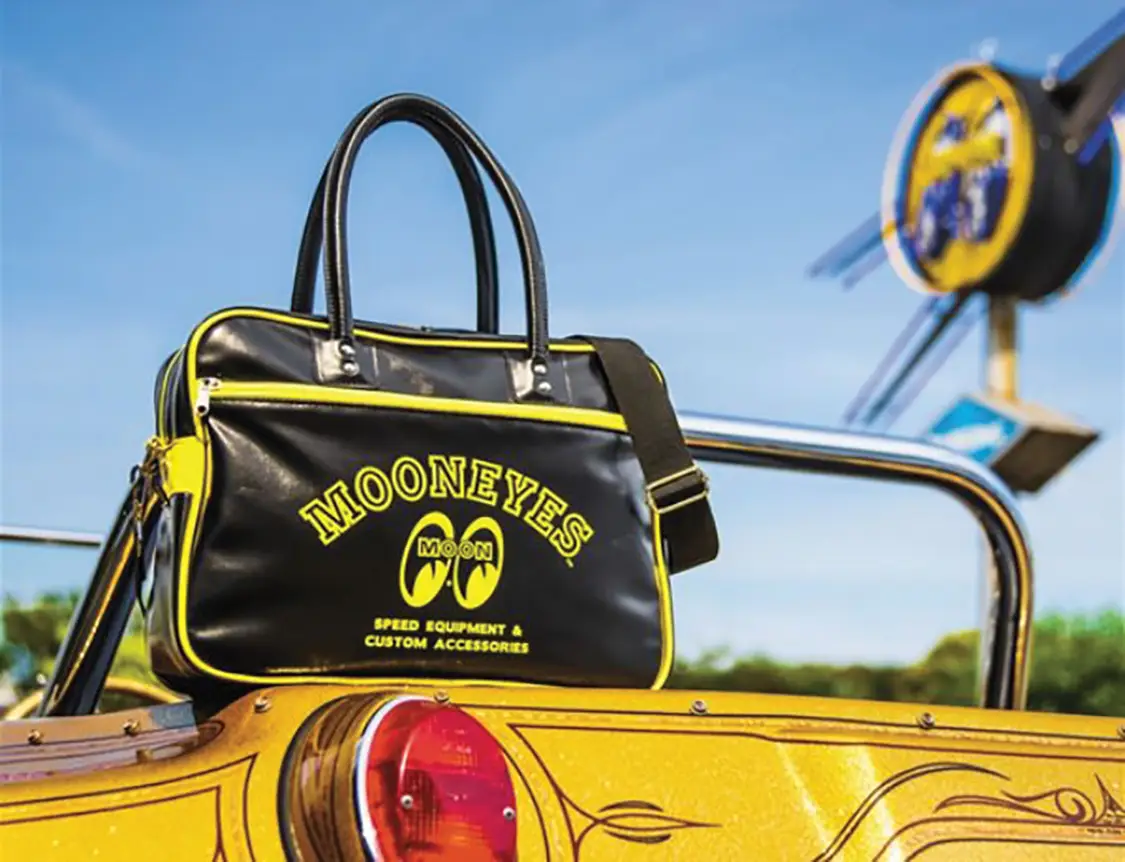
This MOON travelers bag offers exceptional storage capacity and features a stylish design with versatile use as both a handheld bag and a shoulder bag.
The front design features the MOONEYES logo and SPEED EQUIPMENT & CUSTOM SACCESSORIES design and we have prepared stylish Gray x Navy and MOONEYES style Black x Yellow, which you can enjoy the design that matches your style.
The bag comes with a removable shoulder strap, allowing you to carry it over your shoulder. If you remove the strap, you can use the handles to hold it. Additionally, the bag feet and bottom panel help maintain its shape and ensure stability when standing on its own.
The bag opens widely with the double fastener, making it easy to put your things in and take them out. It can hold a laptop, iPad, and other tablet devices, A4-sized files, a drink bottle, a foldable umbrella, and more. There is also an outside pocket with a fastener where you can store a smartphone, keys, and other items you want to access quickly.
www.mooneyesusa.com
800-547-5422
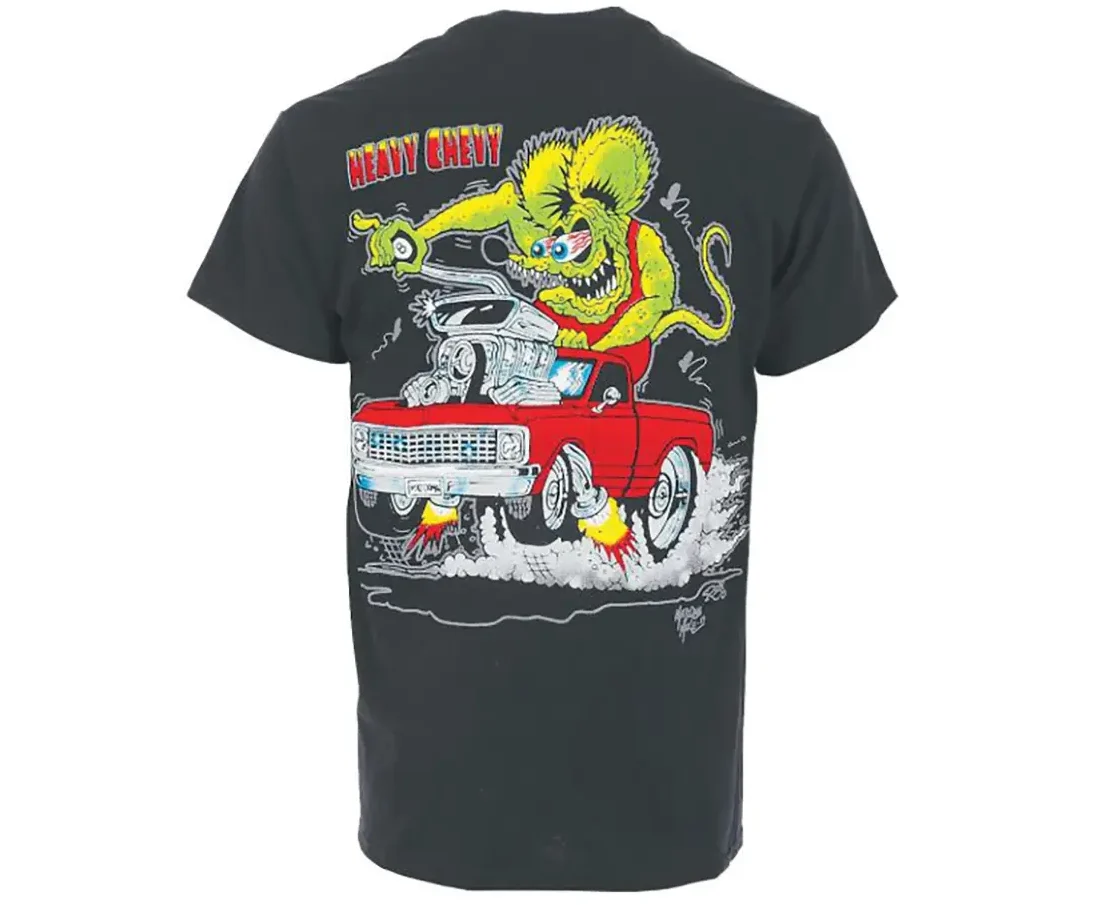
It’s hard to keep a good rodent down. Here, we see Rat Fink in his Heavy Chevy pickup and burning rubber!
This 100% cotton T-shirt will shift your wardrobe into high gear–or at least draw looks from the peanut gallery. Imported.
Order your size, while they last! Sizes M – 3X
A long-haul truck in Europe loses a big part of its book value in the first few years, even though it is still mechanically capable of covering long distances every day. In practice a new unit can lose around a quarter of its price in the first year and much more by year five, while the vehicle itself is only getting into regular, stable work.
Need example? Five-year-old tractor with roughly 500,000 to 600,000 km on the clock might look old in the accounts, but for a workshop it is usually a truck in mid-life. Modern drivetrains are designed to reach around a million kilometers before major overhauls, so at that point the steepest part of the depreciation curve is already behind the vehicle, but most of its technical lifespan is still available.
This gap between financial value and technical life is where many fleets are finding room to save money without cutting corners. Once you stop treating everything used as a compromise and start looking for fleet-ready vehicles in the three to five year bracket, the picture changes quite a bit. Dealers often group these vehicles as “young used”. For a fleet manager the calculation is fairly simple. Instead of tying up capital during the years when a truck loses value fastest, you buy after the first owner has already absorbed that cost. It is not just about getting a lower price, though. The point is to buy useful capacity at the right moment in the life cycle. Vehicles in this sweet spot usually:
Out on the road the job is the same. A pallet of goods does not care if the truck is brand new or has five years behind it. In your budget, however, the way those kilometers are financed looks very different when you are not carrying the cost of early depreciation.
Before anyone kicks a tire or opens the cab, the most useful information about a truck usually sits in the paperwork… What does it mean? In the used market a complete, consistent history often says more about reliability than a single test drive on a sunny afternoon. Experienced buyers read the documents as a story of the vehicle, not just a stack of forms. You are trying to see how the truck has been treated over time.
A continuous record where mileage rises in a logical way suggests that the vehicle was regarded as an asset worth maintaining. Breaks in the timeline, sudden jumps in kilometers or several invoices for the same repair hint that the truck may have been driven hard or that problems were never fully solved. For cross-border deals, clean export papers and compliance documents are just as important. They do not only prove that everything is legal, they also shorten the time between signing the contract and putting the truck on the road under a new number plate. Less time stuck in registration processes means the vehicle starts earning sooner.
Paperwork tells you what should be true. A physical inspection shows what is actually true on the day you buy. This is when you confirm whether the truck is ready to work or only looks good after a visit to the wash bay. Dealers such as Engeros Otepää OÜ, who handle a lot of export trucks, usually encourage buyers to walk around the vehicle slowly, start it from cold and check the details, because they know a serious customer will look past fresh paint. The focus should be on systems that decide whether the vehicle is available for work: engine, gearbox, brakes, suspension and any specialist equipment. Scratches in the paint or worn trim are minor problems compared with a weak drivetrain or a tired hydraulic system.
Try to see the truck started from cold, not warmed up in advance. A warm engine can hide issues that only show up during the first few seconds. As the engine turns over and builds oil pressure, listen to the idle. Irregular rhythm, clear knocking or long cranking are reasons to ask more questions. Watch the exhaust at the same time. Heavy black smoke points to fuel problems, blue smoke suggests oil burning, and white smoke can indicate coolant where it should not be.
On the road, a modern automated manual transmission should behave in a predictable, almost boring way. During the test drive, pay attention to how the truck changes gear. Hesitation, harsh clunks or strong jolts during shifts are all warning signs. Check that the retarder or engine brake comes in smoothly and that the clutch takes up drive without slipping. It is also useful to compare engine hours with the odometer. A truck with relatively low mileage but very high hours has probably spent a lot of time idling or running equipment via the PTO. That kind of use creates a different wear pattern from long highway runs, especially for the engine and after-treatment system. The structure of the vehicle has to be sound if it is going to work safely every day. Inspect the frame rails for non-original welds, cracks around brackets or plates that look like repairs after a heavy impact. Light surface rust is common on a working truck, but flaking rust near suspension mounts or major structural points should make you very cautious. On air suspension systems, listen for leaks when the vehicle is at working pressure. For hydraulic equipment such as tippers or hook lifts, run the body through a full cycle. Slow, uneven movement or a very noisy pump may be a sign that the system will need attention soon.
Euro VI vehicles are currently the safest choice for maintaining access to ports, industrial zones and many city centers. When you are working in or around low emission zones, running older standards quickly becomes complicated and expensive.
The used market also gives you room to adjust the shape of your fleet. You might need a rigid box truck for regional deliveries, a flatbed for construction work or an extra tractor unit for spot market jobs, but you may not want to commit to a new factory order every time.Pre-owned vehicles let you test different setups with lower financial risk. When you put it all together, a used truck that has clear documentation, passes a careful inspection and fits your emission and operational needs is not a second-best option. It is a practical way to build a flexible fleet, control costs and respond to new business without taking on unnecessary financial loaxd.
While the world recoiled from the disastrous effects of COVID-19, many chose a cautionary approach to life, adopting a form of self-quarantine. The theory was that with minimal outside exposure, the odds against being infected would be improved. Not so good, of course, was the isolation associated with quarantine. Fortunately, Marc Patterson found the ideal way to put the shutdown to good use.
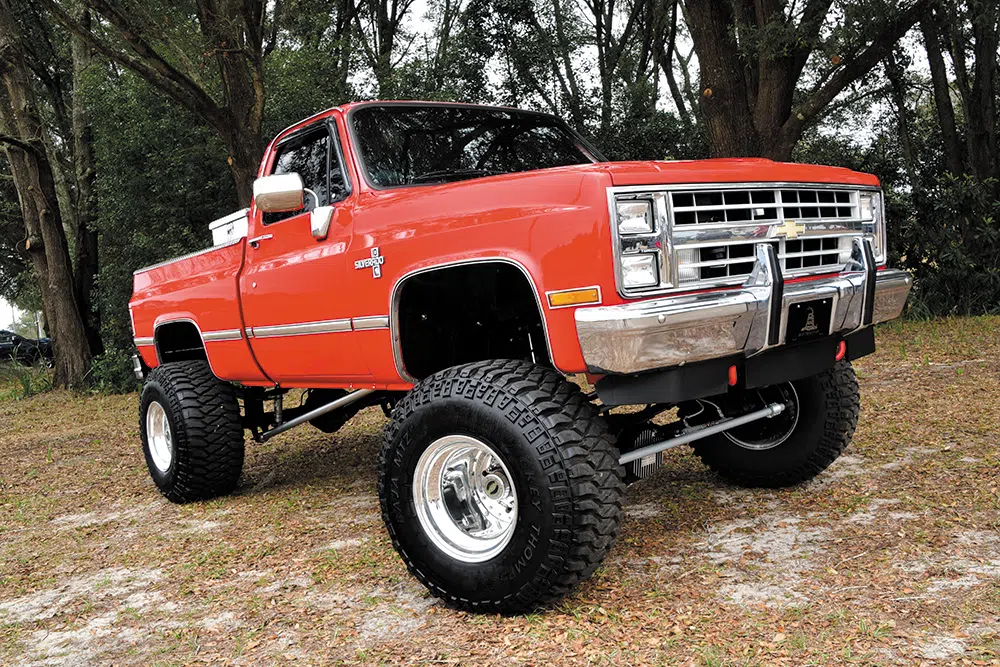
Marc is an HVAC contractor in Winter Garden, Florida, and a lifelong automotive enthusiast. Growing up around trucks and farm machinery, mechanical skills came naturally to him. His childhood was also the time when trucks like Bigfoot were performing on the monster truck circuit. As a result, he has owned and built lots of 4x4s and mud trucks as well as a collection of lowered and lifted trucks. His latest, this 1986 Chevy K10 became the perfect project vehicle and easily the best thing to come out of the pandemic.
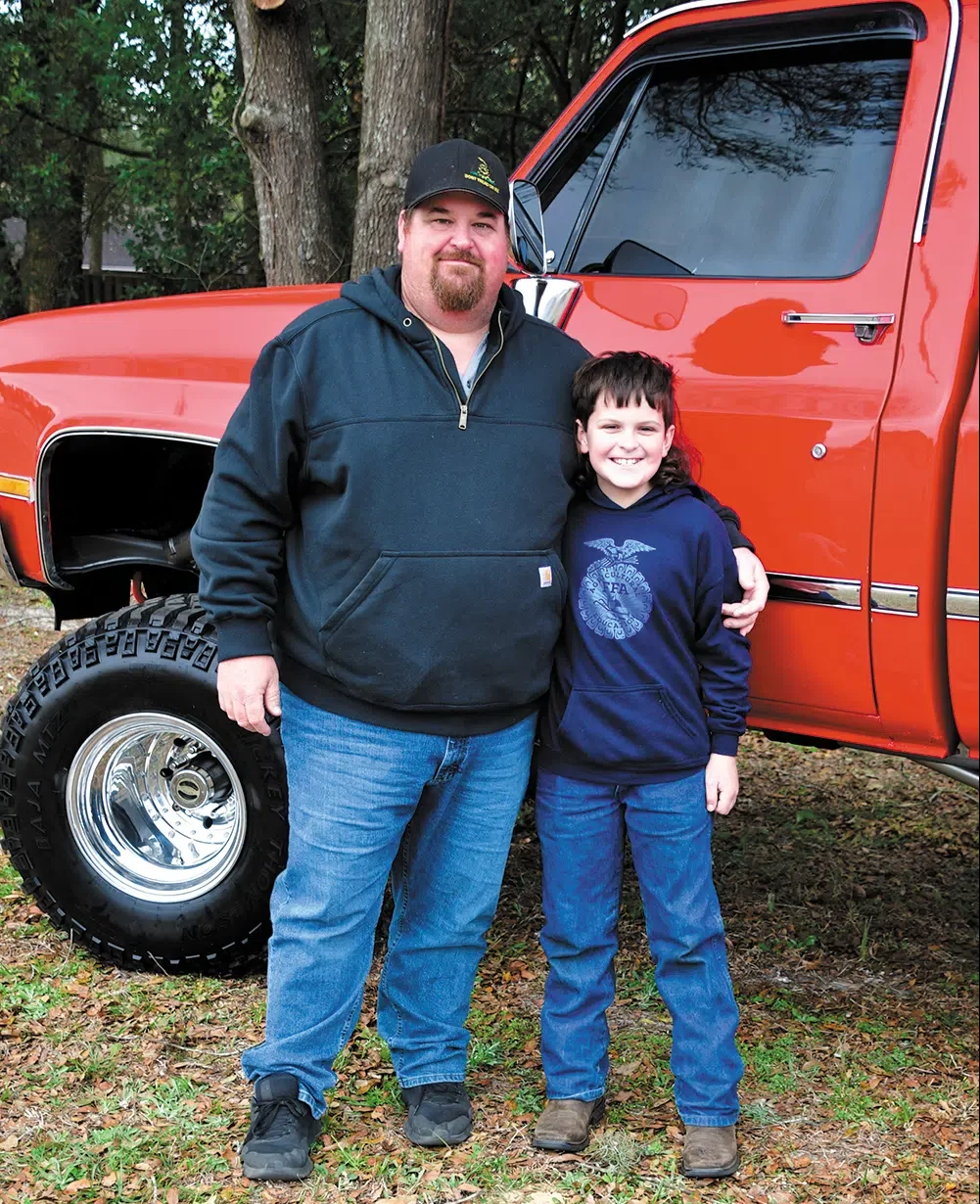
Marc is a serious enthusiast with 5 acres of land and an air-conditioned 2,500-square-foot shop for his projects. He’s fortunate to have the approval and support of his wife Amy along with help from his sons Hendrix (18), Huck (12), and “Flashlight Holder” daughter Emma (11). As a result, the 18-month K10 build became a family bonding experience.
Getting started was a challenge because he wanted a particular truck that had been on his radar for almost 10 years. The Chevrolet squarebody was a local truck that bounced around between Georgia and Florida. When it finally came up for sale locally, he snapped it up and began the rebuild process. The goal was to create a lifted truck, but not one so extreme that it would be difficult to enter, exit, and drive. The body was in good shape but personalizing the truck meant a complete redo of the suspension, motor, and transmission.
Determining a workable ride height was the first concern. When he graduated high school in 1994, one of his goals was to replicate what was popular back then, when towering rides like Bigfoot were making headlines. A more conservative approach, however, was planned for this truck.
“In those days, ride height would have been quite high,” Marc told us. “But I’m not getting any younger, so a 9-inch lift was certainly more manageable. Also, I didn’t want to overbuild it to the point where it was no longer fun to drive.”
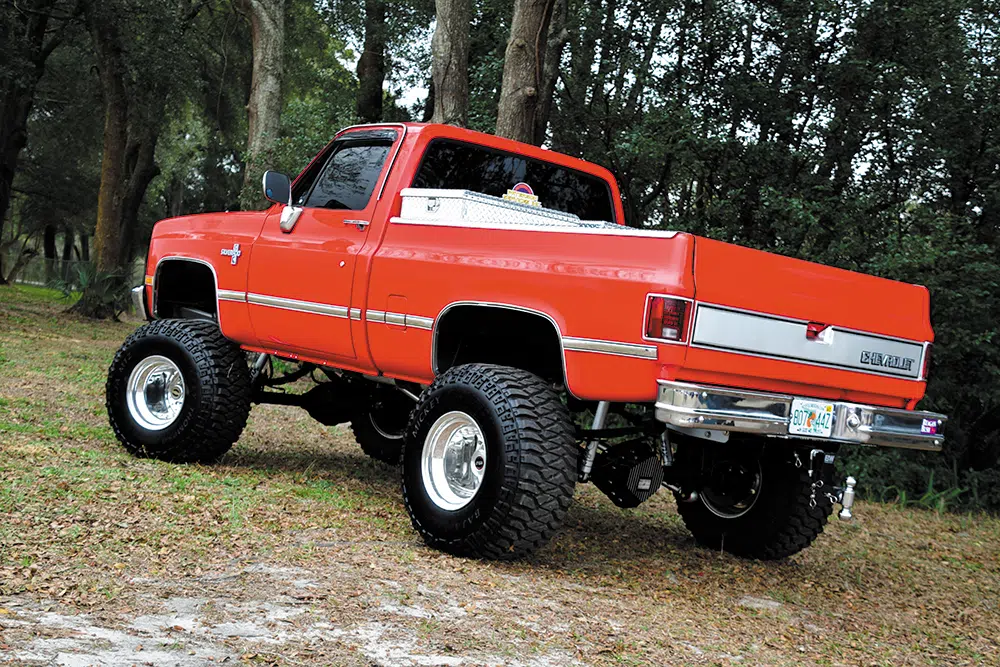
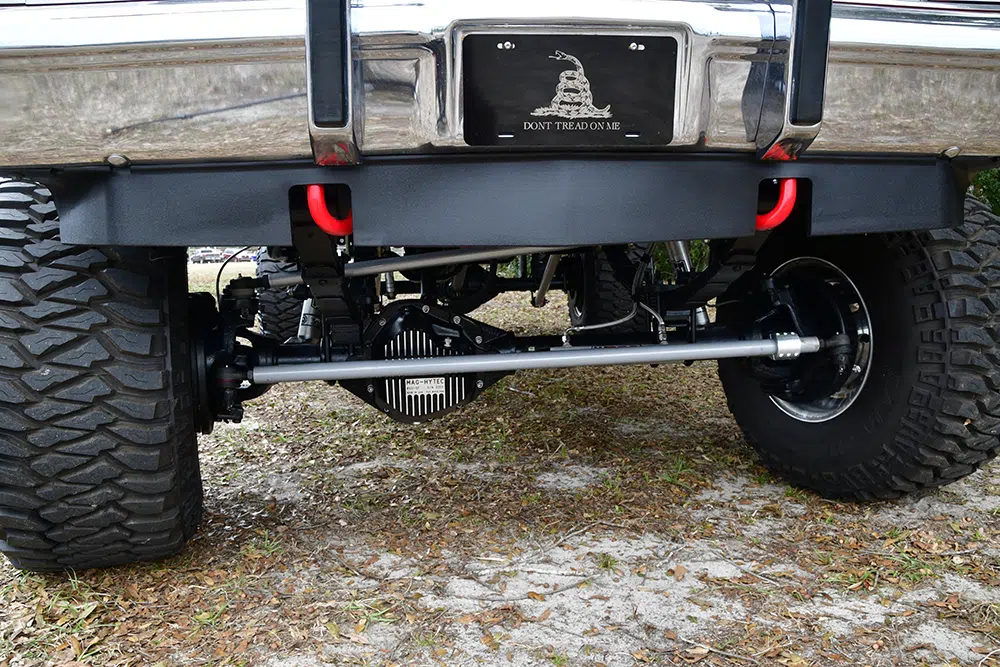
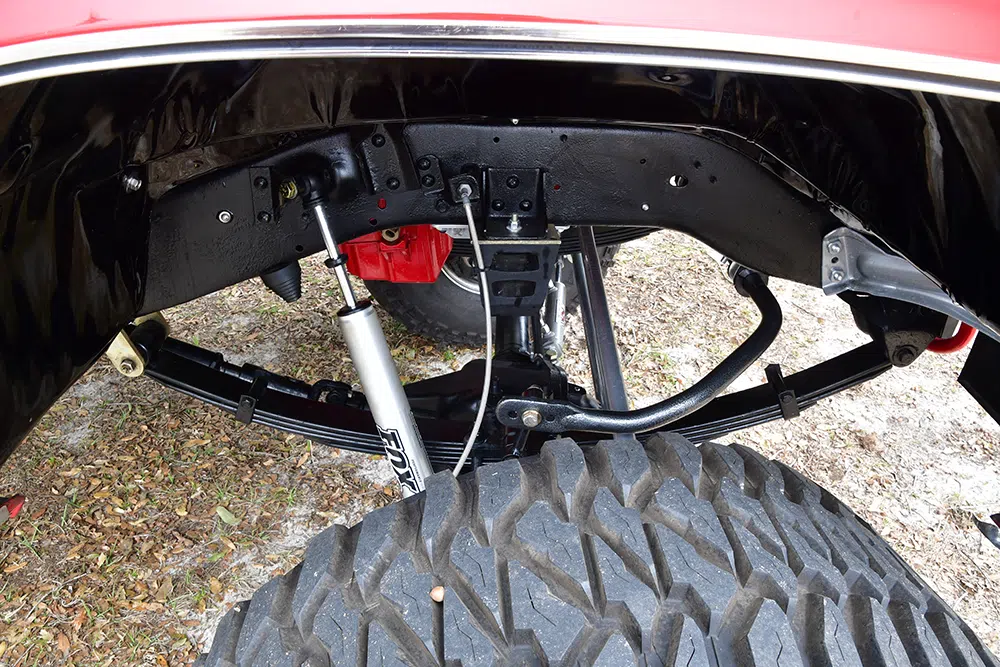
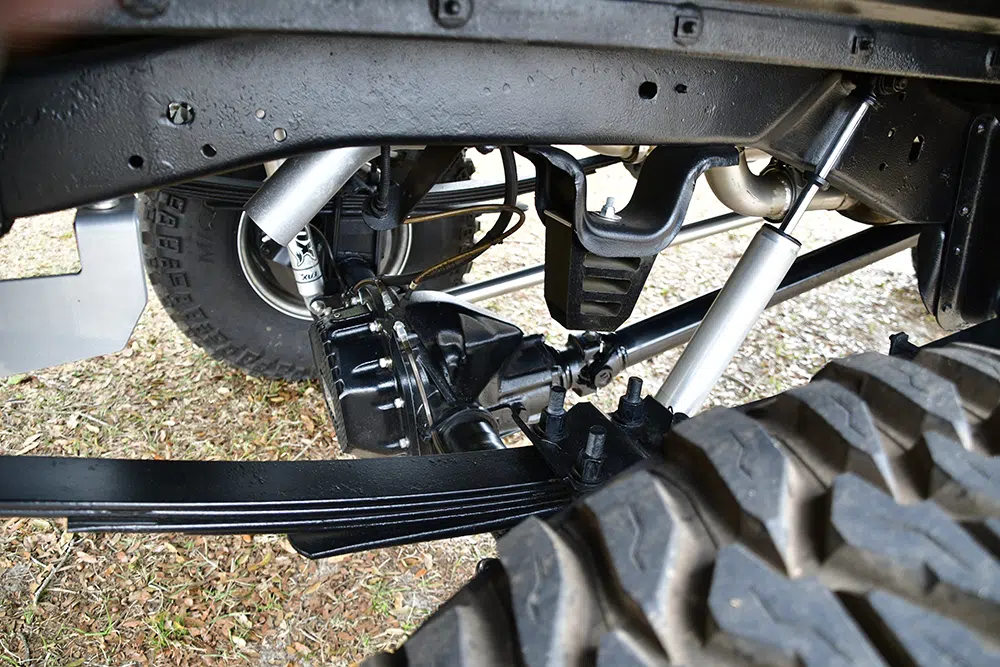
Marc’s years of experience allowed him to assemble a collection of components that would work together to achieve the goal. Once the plan was complete, the first step was to disassemble the truck completely. Since the high-performance engine on the schedule would dictate many of the options, Marc chose a pair of 1-ton axles, Detroit Lockers, heavy duty leaf springs, and new brakes. He also knew that the geometry of straight-axle GM trucks could sometimes cause steering issues, so he incorporated an ORD Crossover steering and sway bar with the AGR Rock Ram Steering System. The hydraulically assisted setup stabilized the steering as well as providing lock-to-lock wheel clearance. The set of 16-inch Real Racing Wheels and 35-inch Mickey Thompson MTZ rubber was the perfect finishing touch to get the chassis rolling. After mocking up all the components, everything was disassembled, and the frame painted.
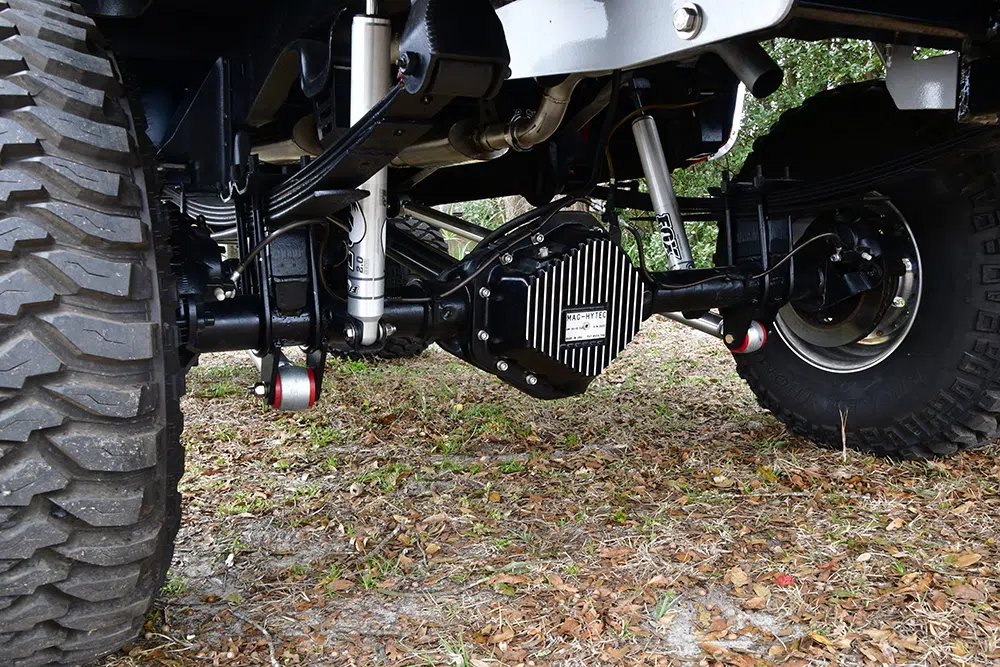
Power was next, and the LS V-8 under the hood came from a 2006 Chevrolet pickup. Marc chose the team at Central Florida Machine and Speed in Winter Garden, Florida, to rebuild the engine to his specs. The long list of state-of-the-art additions includes a rotating assembly composed of an Eagle crank and connecting rods along with JE forged pistons. A Comp Cams cam activates valves in the OEM Cathedral Port heads, sucking fuel in through a 102-mm Holley throttle body. Spark comes from the Holley Terminator Max EFI and MSD coils while Holley Performance exhaust manifolds and Borla Pro XS Stainless race mufflers handle the exhaust. Holley Performance mid-mount pulleys hold the alternator and A/C compressor in place. The final touch was a Holley 4-row aluminum radiator, a pair of 14-inch SPAL fans, and a B&M trans cooler, all working together to ensure temps stay in the green. The completed package creates a stout 523 lb-ft of torque and 370 hp. Marc bolted on a 4L80E 4-speed electronic trans with lock up and 2,800 stall speed to transmit the power to a 14-bolt, full floater Corporate rear axle fitted with 4.56 gears. If anyone has a stump that need pulling, this rig can do it.
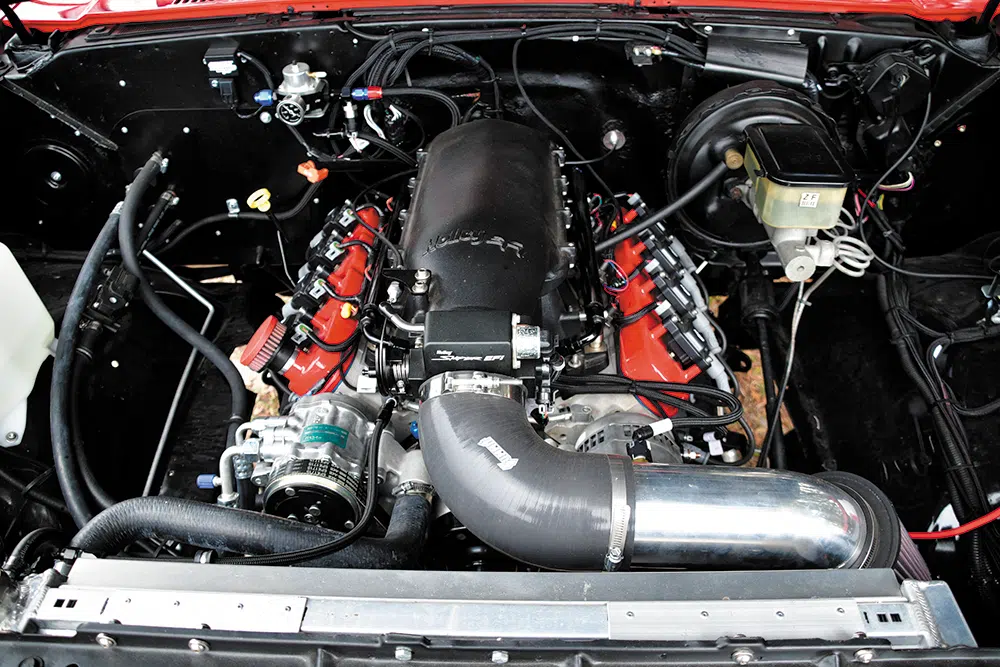
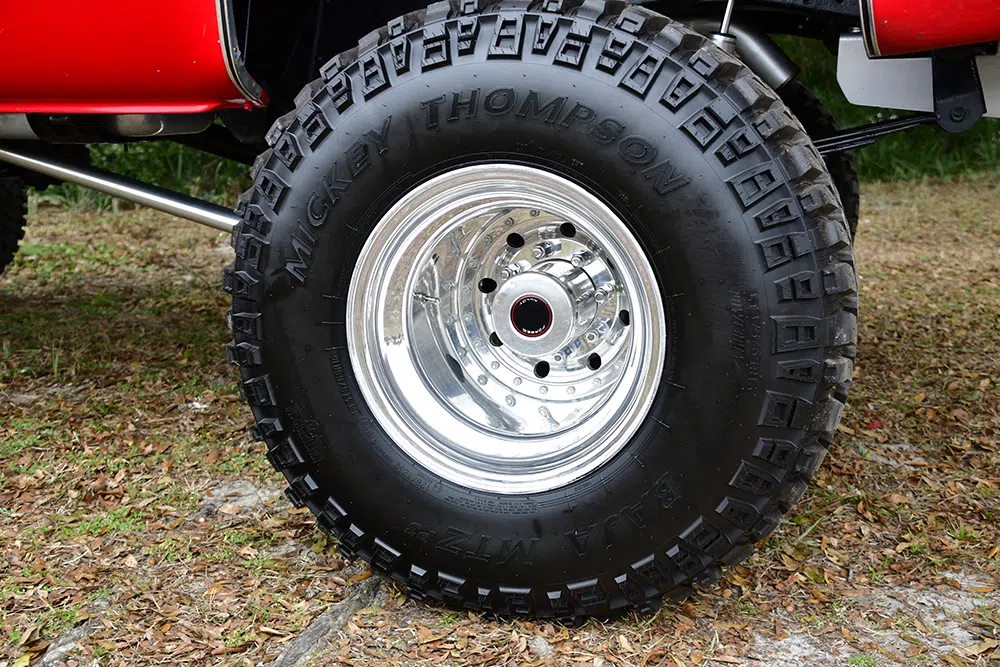
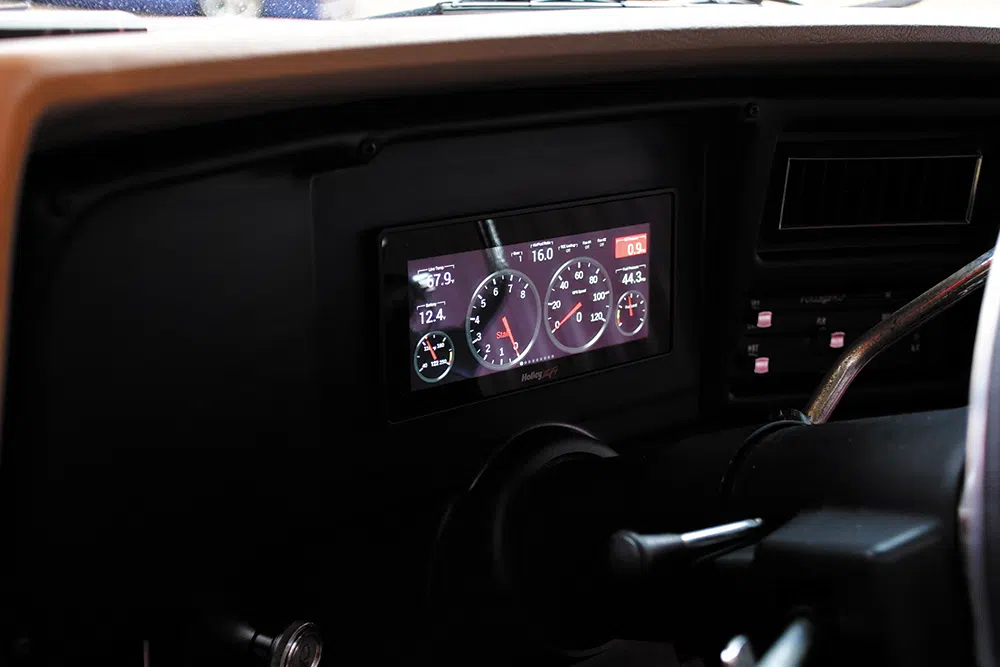
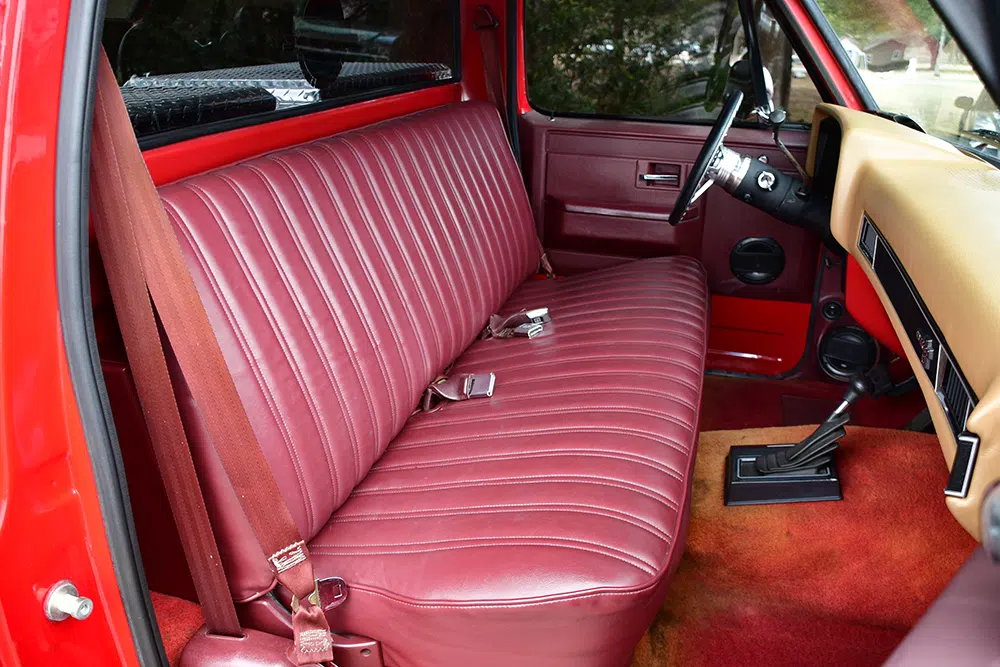
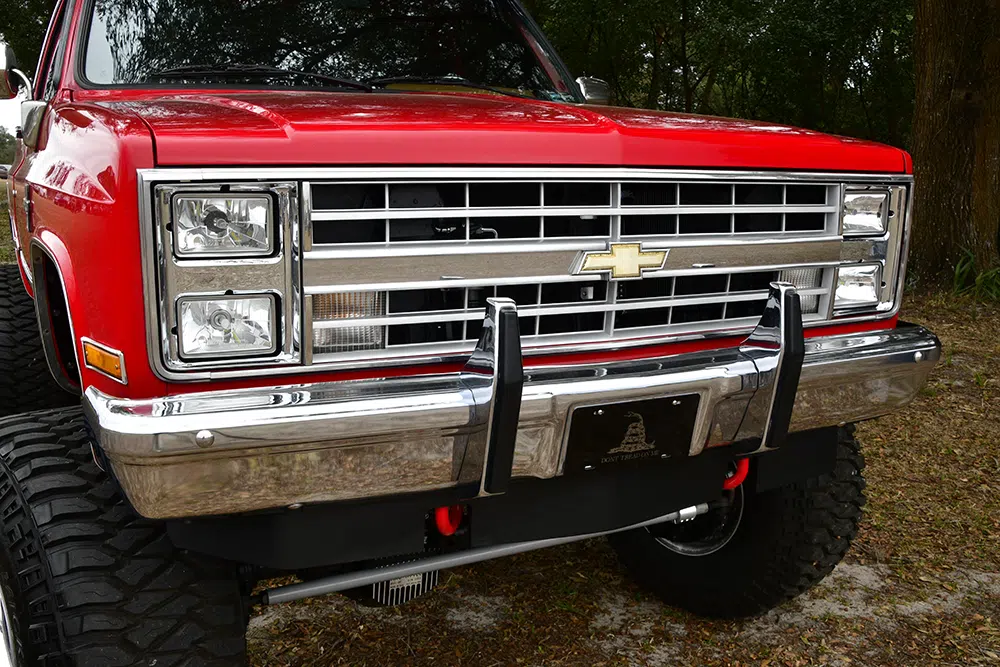
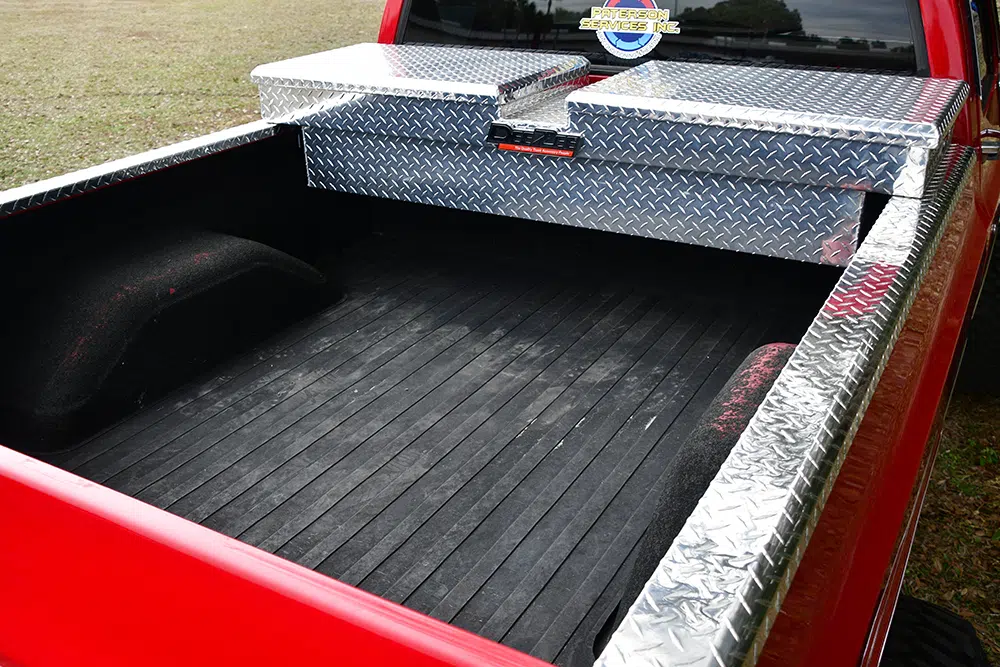
One of the advantages of buying a previously customized truck is benefiting from previously installed upgrades. Amazingly, the House of Kolor Blood Red paint on the body is probably around 14 years old and is still looking good. Specific refinements to the exterior include Hella LED headlights, a functional Dee Zee Crossover toolbox, and Rhino spray liner in the bed. Moving inside, the original gauges on the dash were replaced with a Holley EFI 12.3-inch Pro Dash panel, thoroughly customizable and featuring indicator screens that can be programmed to display specific parameters of the Holley EFI system. A 14-inch Sharper Image billet wheel directs the Off-Road Design’s crossover steering while a Transgo shifter on the floor engages the four-wheel drive. Red vinyl on the bench seat, plush carpet, and elaborate stereo completed the changes to the cab.
What does Marc think now that his new “quarantine machine” is on the road?
“The truck gets driven on the weekends and is the perfect date night ride,” he says. “It was also a great learning experience for my kids, and we spent lots of time together while the world was shut down. It was the only good thing to come out of the pandemic. My future plans might call for a new TMI interior and a custom two-tone red and silver paint job.”
There’s one more benefit from the family bonding experience: Marc’s son Huck now wants to build his first truck, naturally, another squarebody Chevy!
In addition to the family, Marc would like to acknowledge the help from good friends like Gene Kerr, Carl and CJ Bates, Dewayne Nobles, Brandon Waldrop, Mike Kent, and Rick Sholenburger. Robert Lizzy at Central Florida Machine and Speed sourced all the hard-to-get parts due to the COVID shutdown.
OWNER
Marc Patterson
Winter Garden, Florida
1986 Chevy K10
Engine/Drivetrain
Chassis/Suspension
Wheels, Tires & Brakes
Body/Paint
Interior
A lot of thought goes into planning a custom-built muscle car. We want the best of all worlds combined: good looks, great handling, plenty of power, comfortable interior and the ability to hop in and drive anywhere. Many builds go way off the scale one way or another, with too much flash or too many body mods to feel comfortable driving, but it’s the well-balanced machines that really grab our attention. But, what is a well-balanced muscle car? Charles Currie of the Anaheim, California, has built what we believe to be a muscle car that most anyone would absolutely love to own.
If the name sounds familiar, it’s because Mr. Currie is part of the family making some of the world’s finest axle assemblies. But one of the great things about Charlie Currie is his desire to drive his toys. He has a couple to be sure, but he is no stranger to getting behind the wheel and motoring down the road. Check out the images of the undercarriage on this ’65 Chevelle SS. It’s as clean as most any trailer queen, yet this car has been driven across the country and back. That is the kind of positive attitude we can get behind.
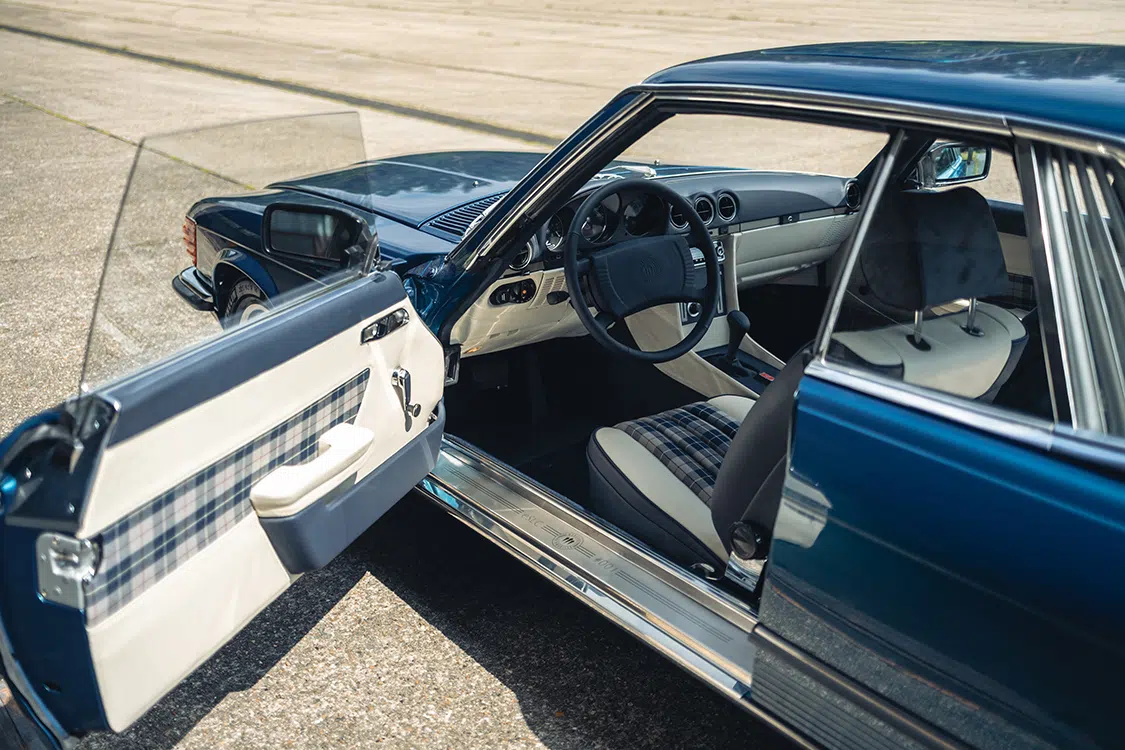
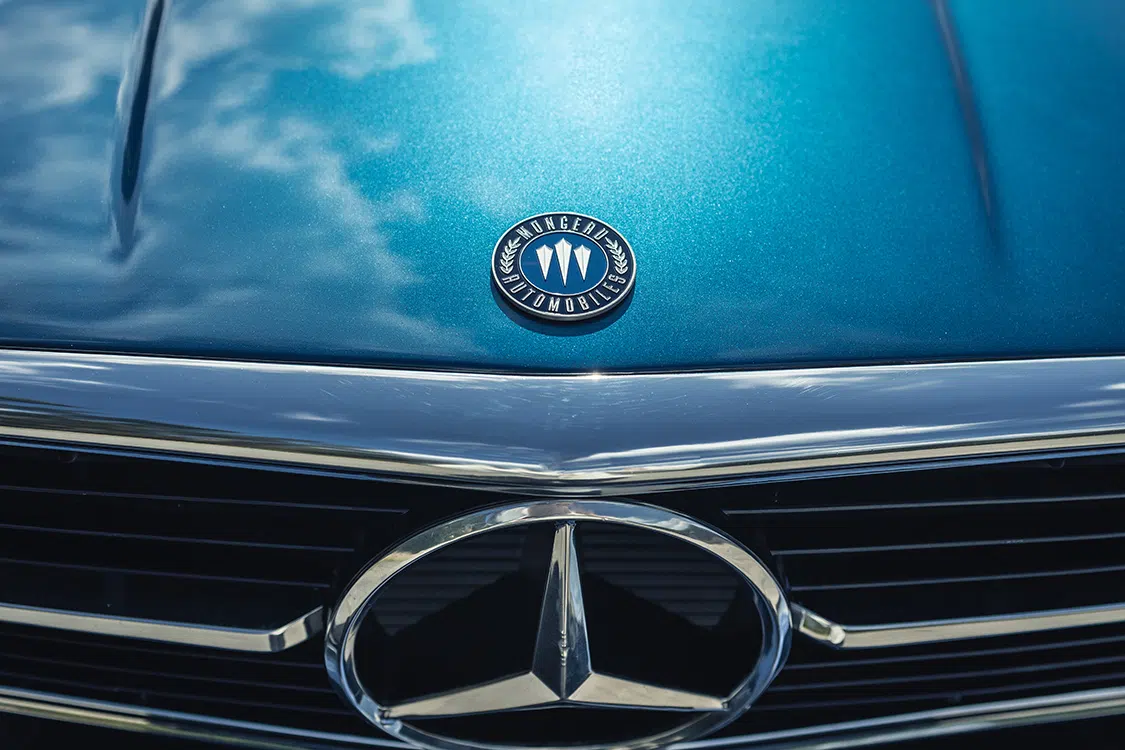
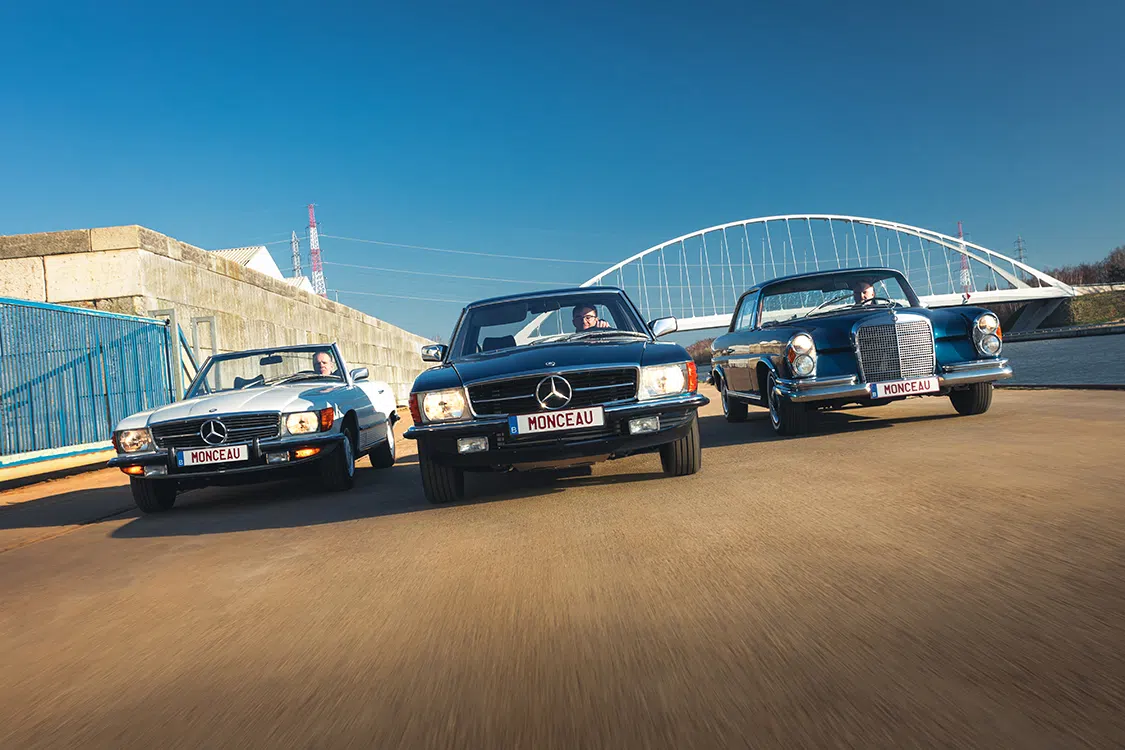
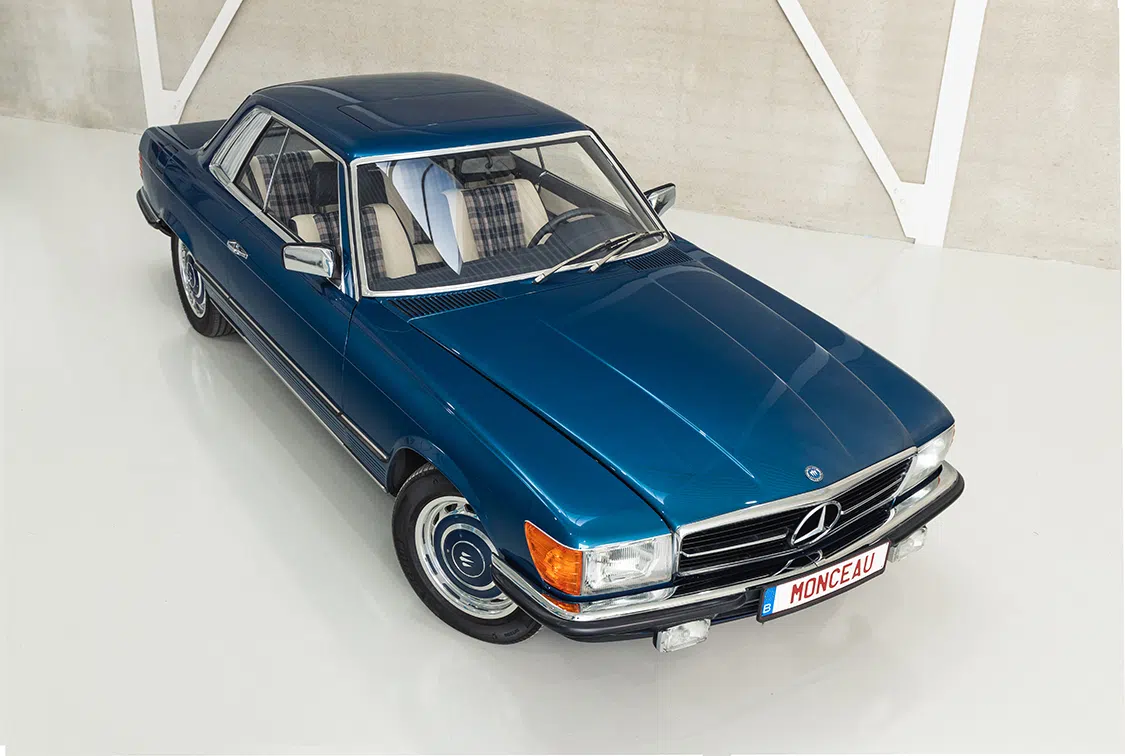
Roel Pollen is the man behind Monceau Automobiles in Hasselt, Belgium, a unique, high-end conversion specialist focusing solely on Mercedes-Benz’s most prestigious classics, SLs. Upon completing its initial 107-series “eSLC,” we were privileged to interview him and discover the team behind the most beautiful electric Mercedes-Benz ever created.
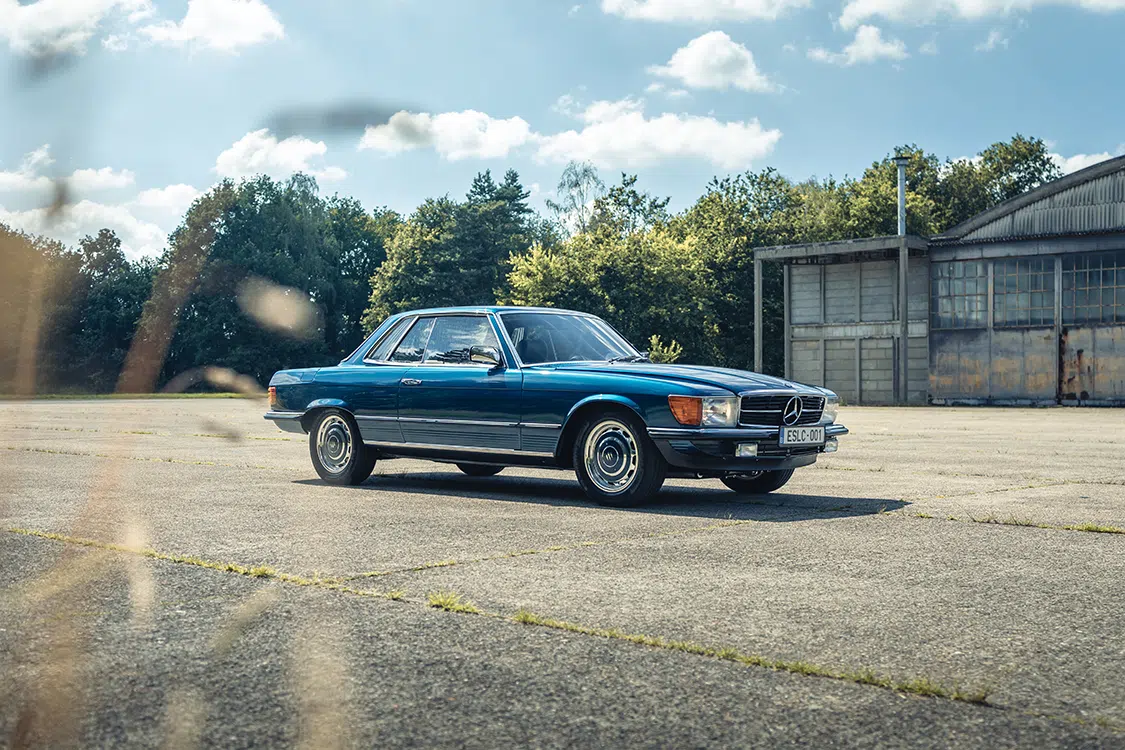
Roel’s choice for SL and SLC is clever. The 107-series roadster and coupe already have much of the inherent smoothness associated with electric propulsion. The Monceau eSLC chassis #001 is the company’s prototype. Still, for the final-spec cars the team is currently building, the drivetrain, which fits all variants (R107 eSL, C107 eSLC, W111 eSE coupe and convertible), will be built around a slightly different requirement than those of this long-term testing prototype.
Isn’t it a waste to ditch a 3,300-pound car just because 500 pounds is considered obsolete?
EVBG: How did the project start? Why did you choose a Mercedes Benz brand and this model in particular?
RP: Monceau Automobiles was officially founded in July 2020, but the journey started in 2018 when I had the idea to begin electrifying Mercedes-Benz R107 SLs. Back then, why did one have to ditch a 3,300-pound car just because 500 pounds of it is considered obsolete? While browsing the internet, I found our current CTO Klaas De Craemer electrified several vehicles but was mainly known at that time for his Mazda MX-5 build. Together we first made a business plan to see if we could start a business specifically for Mercedes-Benz electric classics.
Parallel to us, Tom Van de Cruys (our third founding partner) was working on a private project to electrify a Mercedes-Benz SLC (this car) together with TeKshift, in which he is 50% owner and which is still our partner for control software and battery management system. We found each other via social media and, long story short, decided to found a company together.
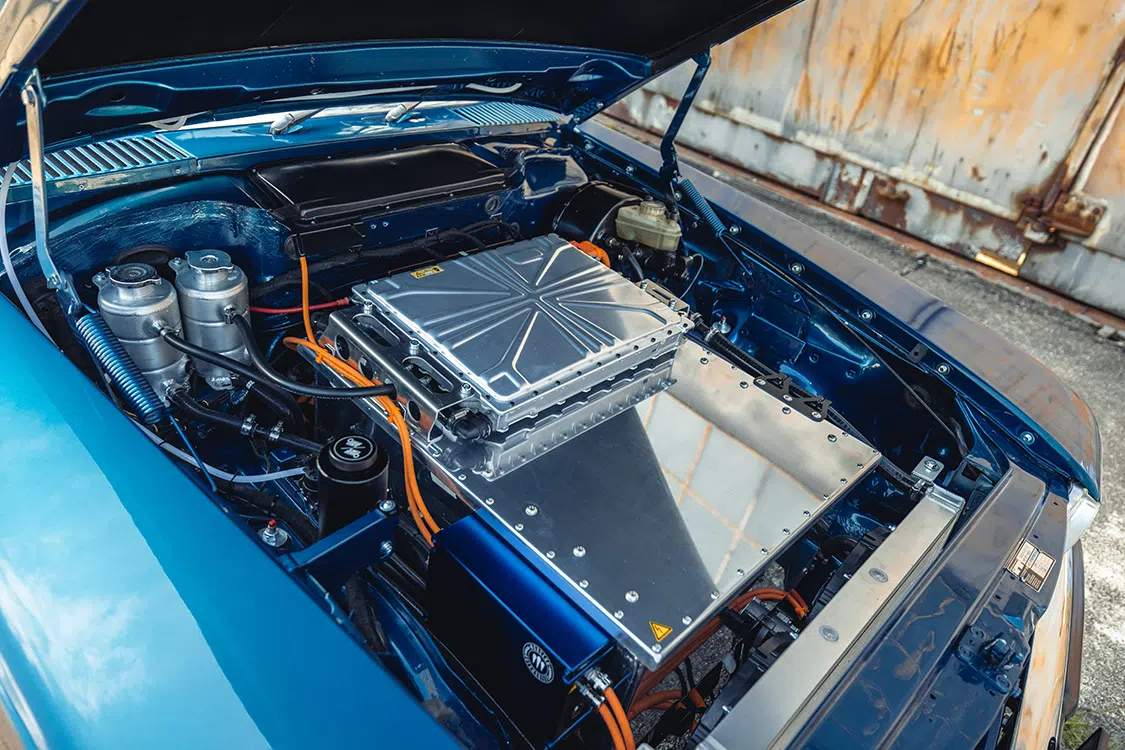
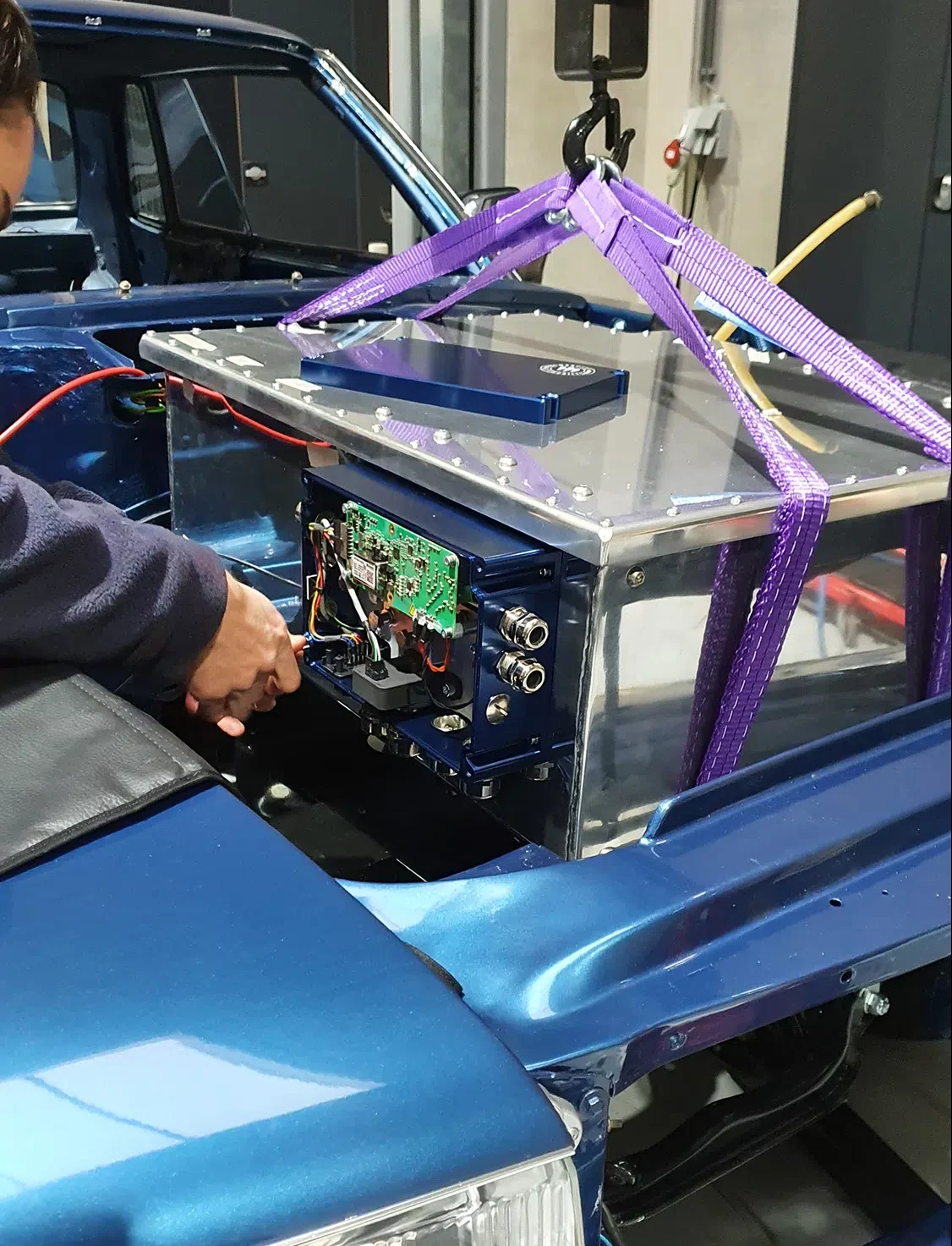
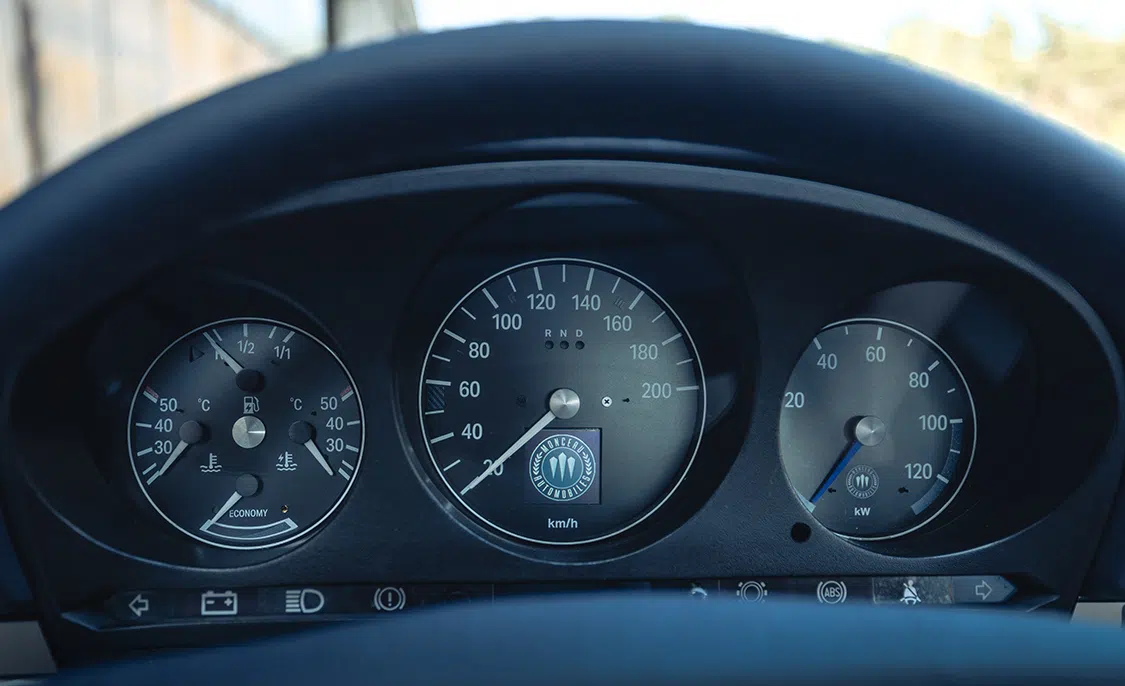
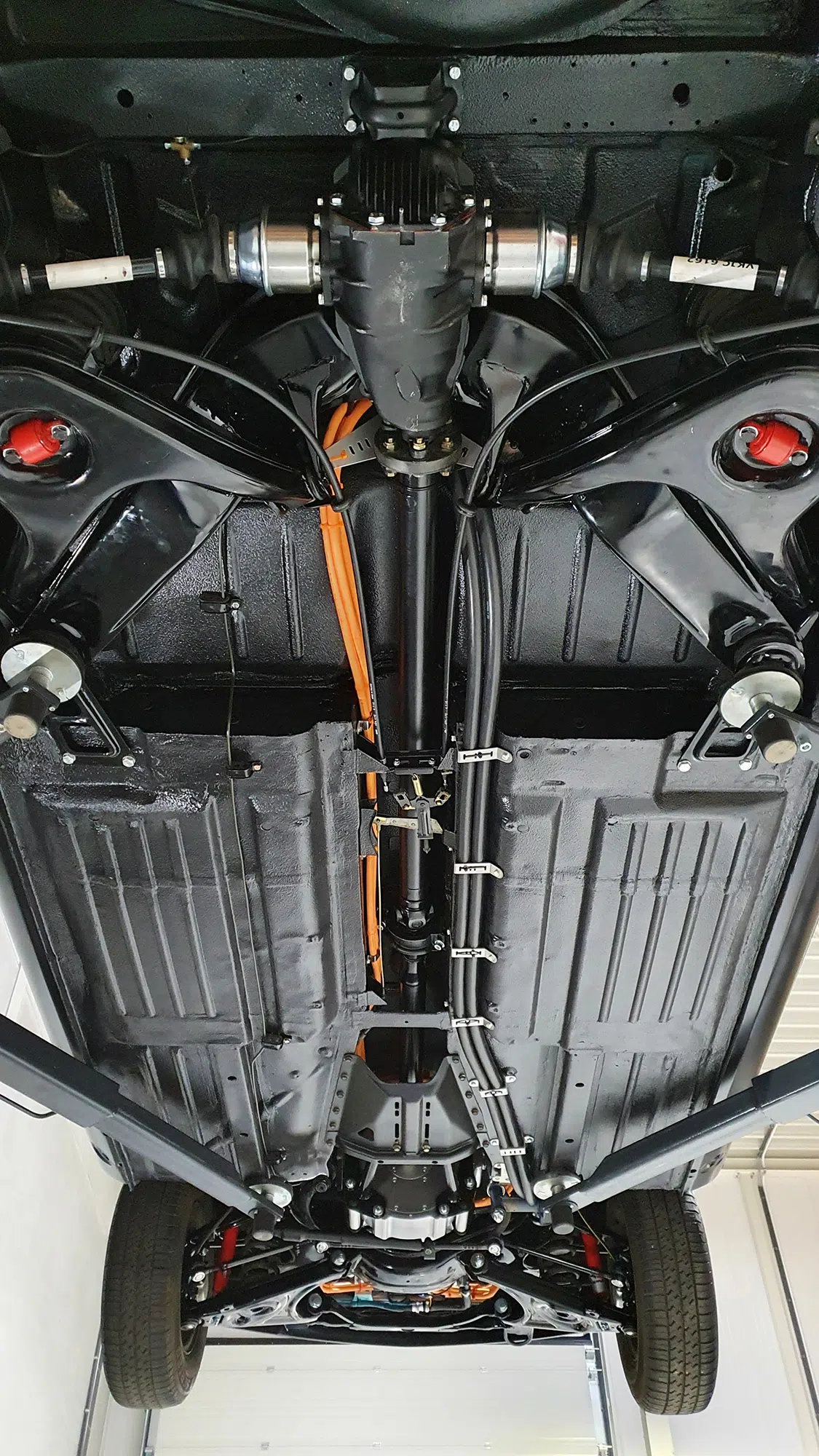
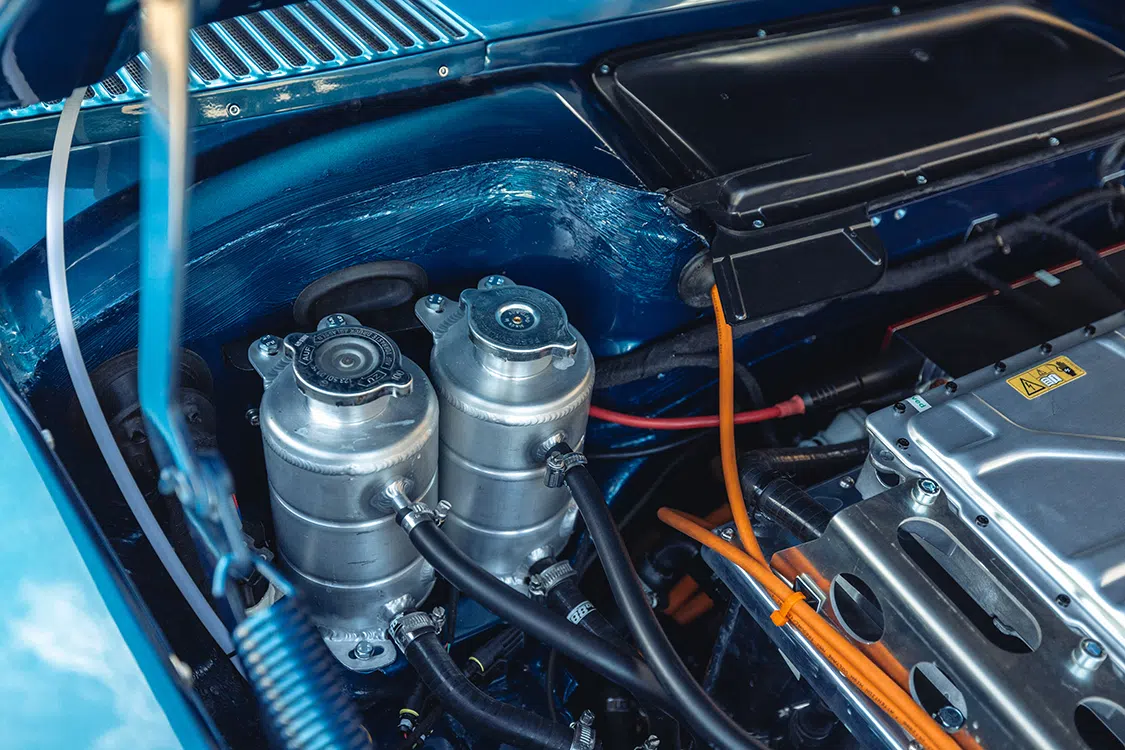
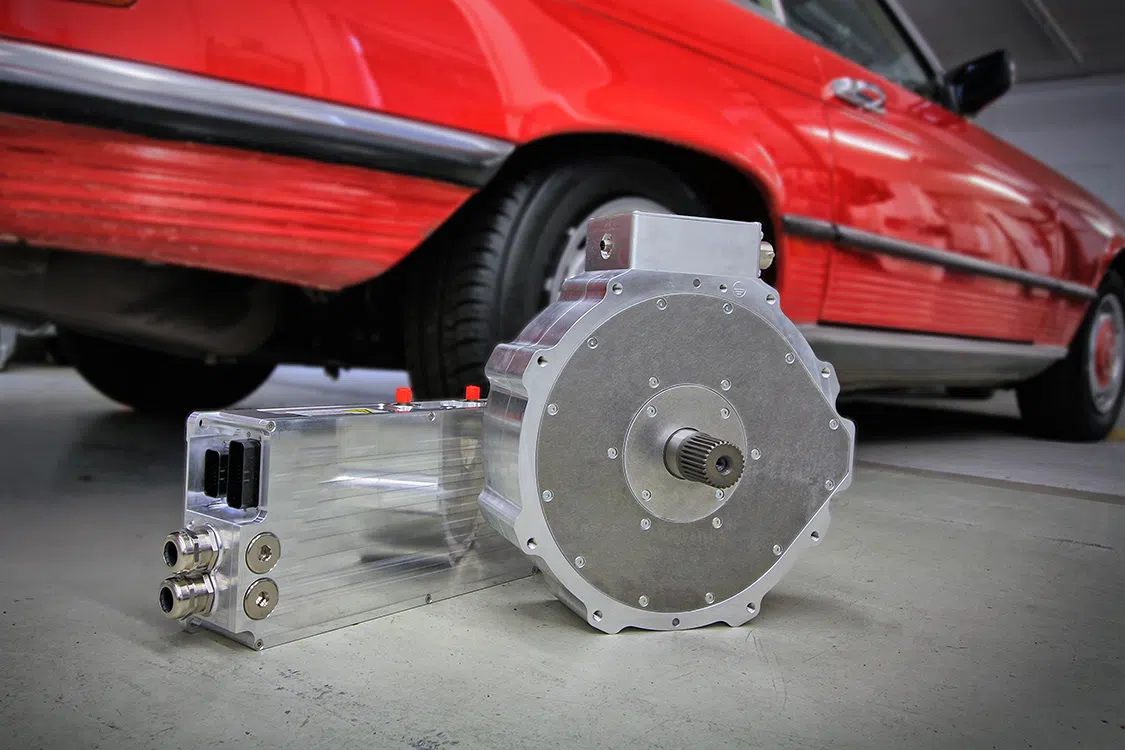
So in 2019, we made a full 3D scan of an SLC and planned the process—full mechanical and software simulation. We use Dutch battery technology, plus a Swiss motor and charger mixed with high-tech components from the US. Batteries and components are liquid-cooled, hence the dual temperature dial inside. The power is mainly limited and controlled by the electric motor’s temperature, so cooling is essential. Batteries are distributed between front and rear to get that 50/50 balance, creating a fantastic driving experience.
EVBG: Why, specifically Mercedes-Benz?
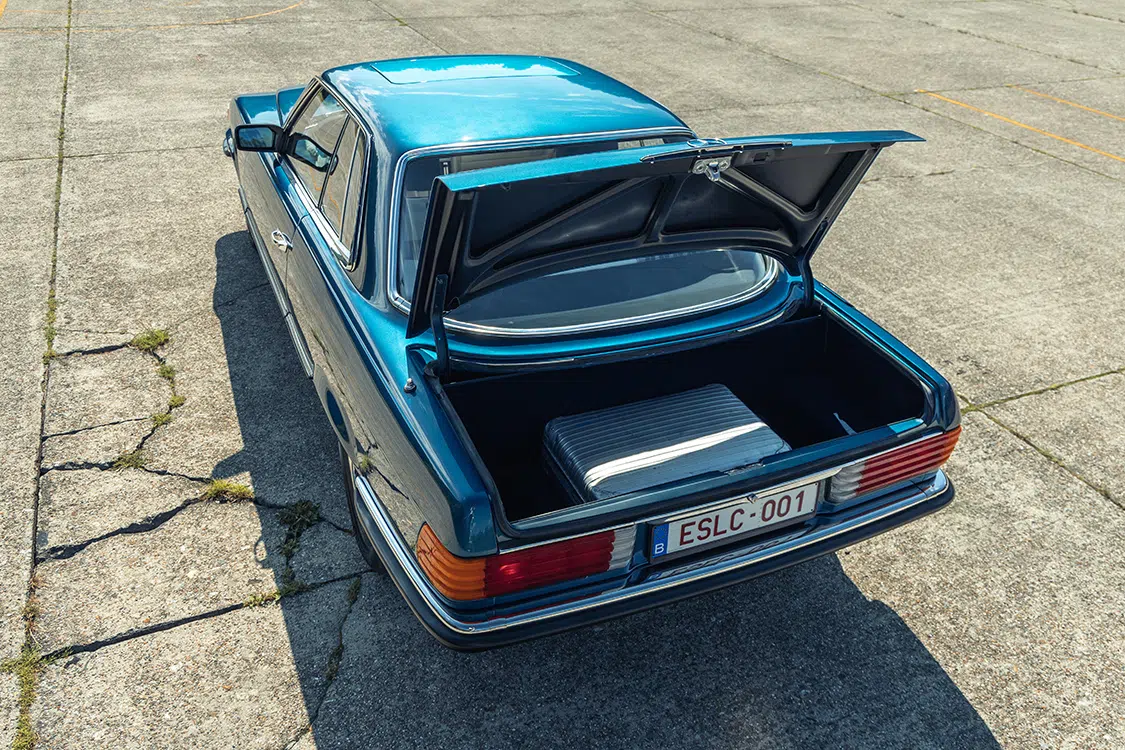
RP: The Monceau eSLC is a coupe with self-confidence and style, offering a unique appeal. While it competed with Italian and British sports coupes of its time, it distinguished itself by prioritizing practicality without sacrificing form. As a result, the eSLC remains a practical four-seater coupe suitable for everyday use, with ample space in the front and rear seating for two adults, along with a generous boot space for packing belongings. Furthermore, the electric drivetrain of the Monceau models complements these iconic vehicles, and the team behind them shares a genuine passion for the brand. Currently, Monceau is working on four models: the R107 eSL, the C107 eSLC, the W111 coupe, and the W111 convertible, all equipped with Monceau’s proprietary in-house developed electric drivetrain.
EVBG: What was this prototype’s process, from design and construction to completion?
RP: The process began by creating a detailed specification build sheet that outlined our specific requirements and desired features for this particular model, as well as the drivetrain that could be adapted to multiple models. Collaborating with our team and TeKshift, we carefully selected all the necessary partners to build the drivetrain. To adhere to our requirement of using only brand-new parts, major components such as the motor, inverter, charger, DCDC, and batteries were sourced from European suppliers.
Each platform we work on undergoes a comprehensive digitalization process using 3D technology. The entire drivetrain was designed using CATIA and the Dassault Systems 3D Experience Platform, ensuring precision and accuracy. Moreover, the complete control software was developed and thoroughly tested virtually before implementation in the actual car.
This approach allows for a more meticulous and secure process than a traditional “trial-and-error” or analog approach. During the building process, we encountered only minor mechanical issues, which were promptly addressed, while software adjustments mainly involved calibration and fine-tuning.
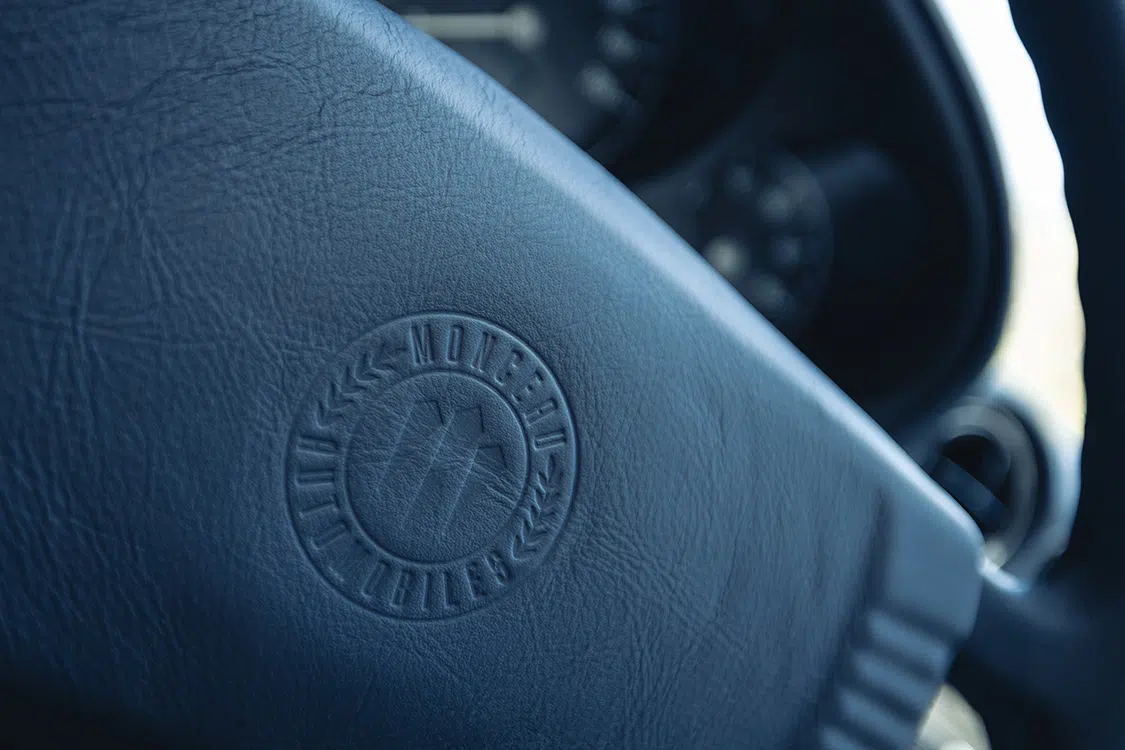
When it comes to production vehicles, a carefully sourced donor car is acquired and subjected to a full restoration before being converted to meet contemporary EV standards. The addition of a new instrument cluster featuring a subtle OLED screen is the only noticeable indication that this SLC has been transformed into an eSLC.
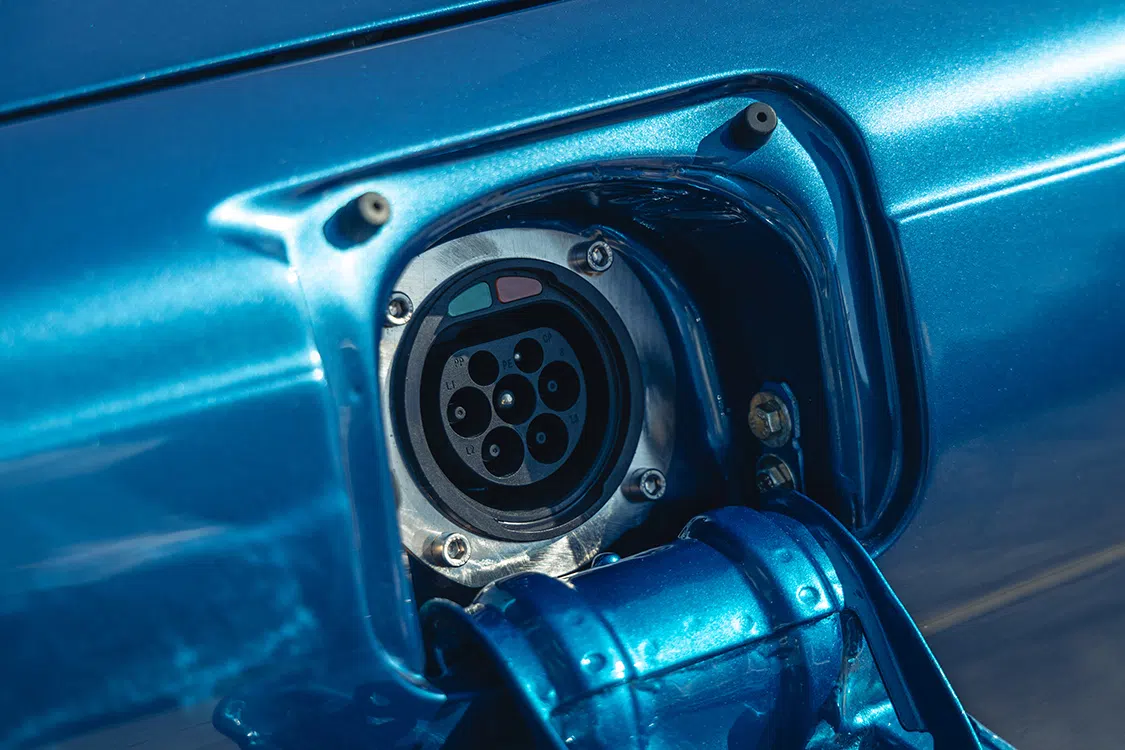
Battery technology plays a crucial role in electric vehicles, and at Monceau Automobiles, we prioritize its importance. To ensure optimal performance and longevity, our battery packs are equipped with liquid cooling, which helps maintain consistent performance in various weather conditions. With a substantial 52 kWh of energy storage, we have achieved a range that surpasses the requirements for our high-end classic models.
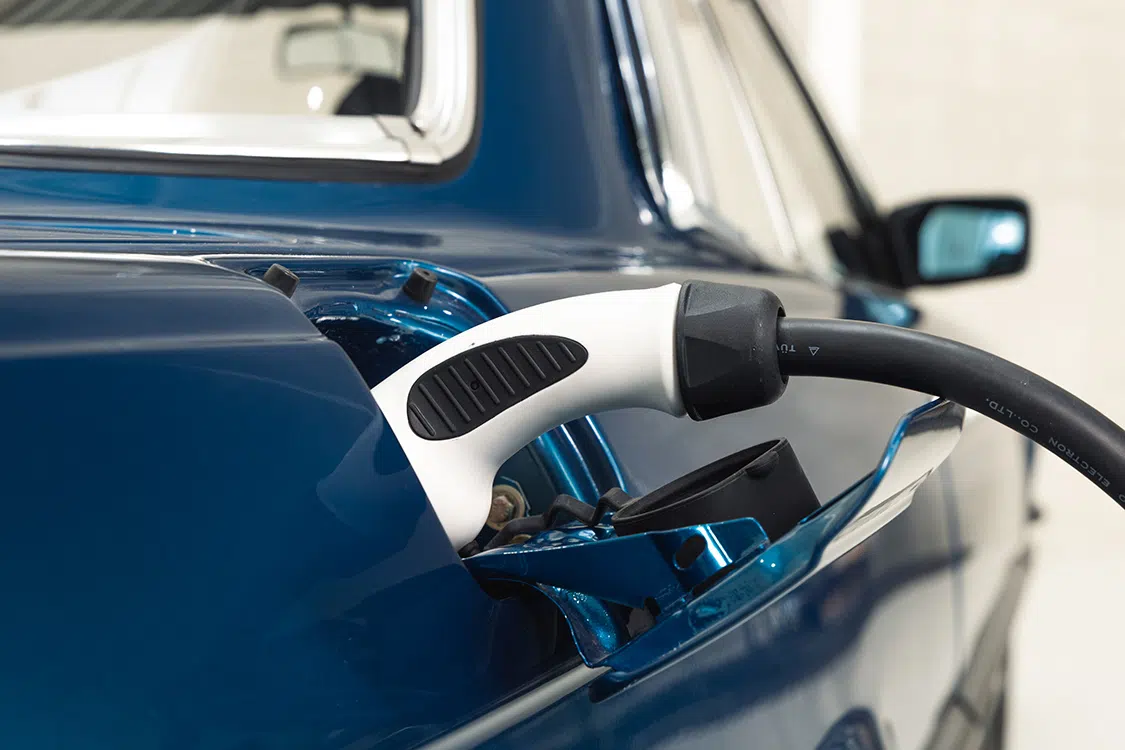
Charging the battery packs is facilitated by a Swiss-made 22kW charger, allowing for a full range recharge in approximately two hours. However, for customers seeking even faster charging, we offer the option to include fast charging capabilities in their electric classic vehicles. This option further reduces charging times and enhances convenience for our customers.
EVBG: Were Mercedes Benz’s interiors of this vintage so flamboyant?
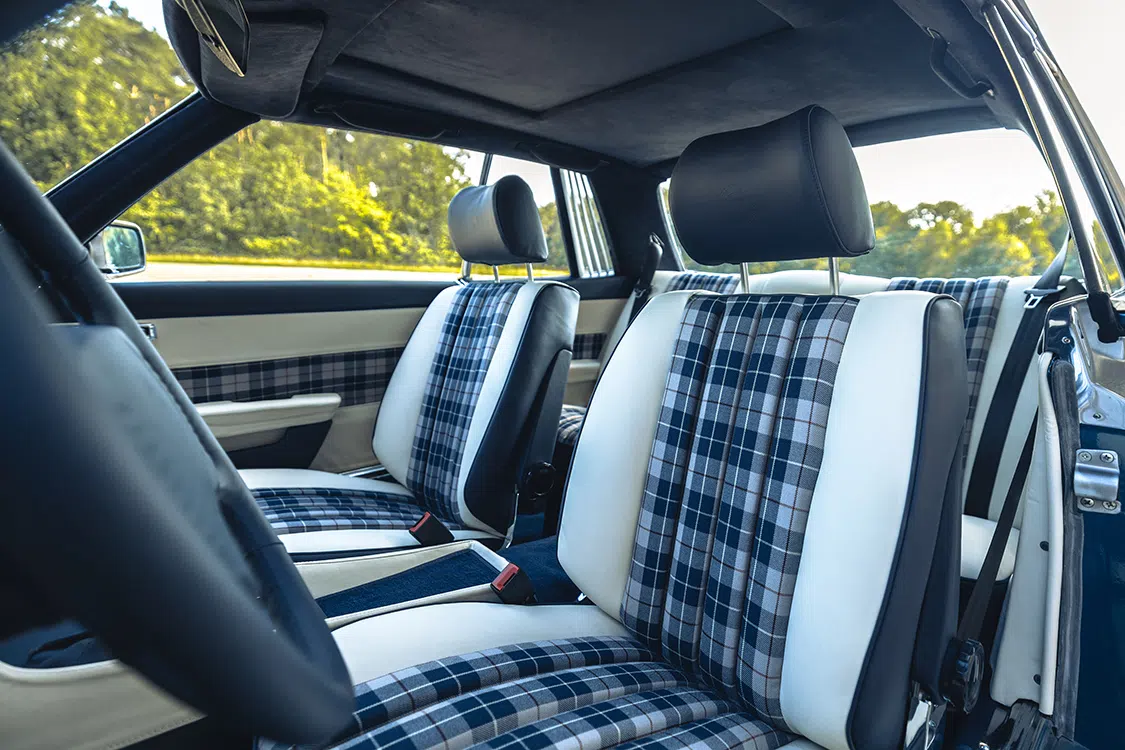
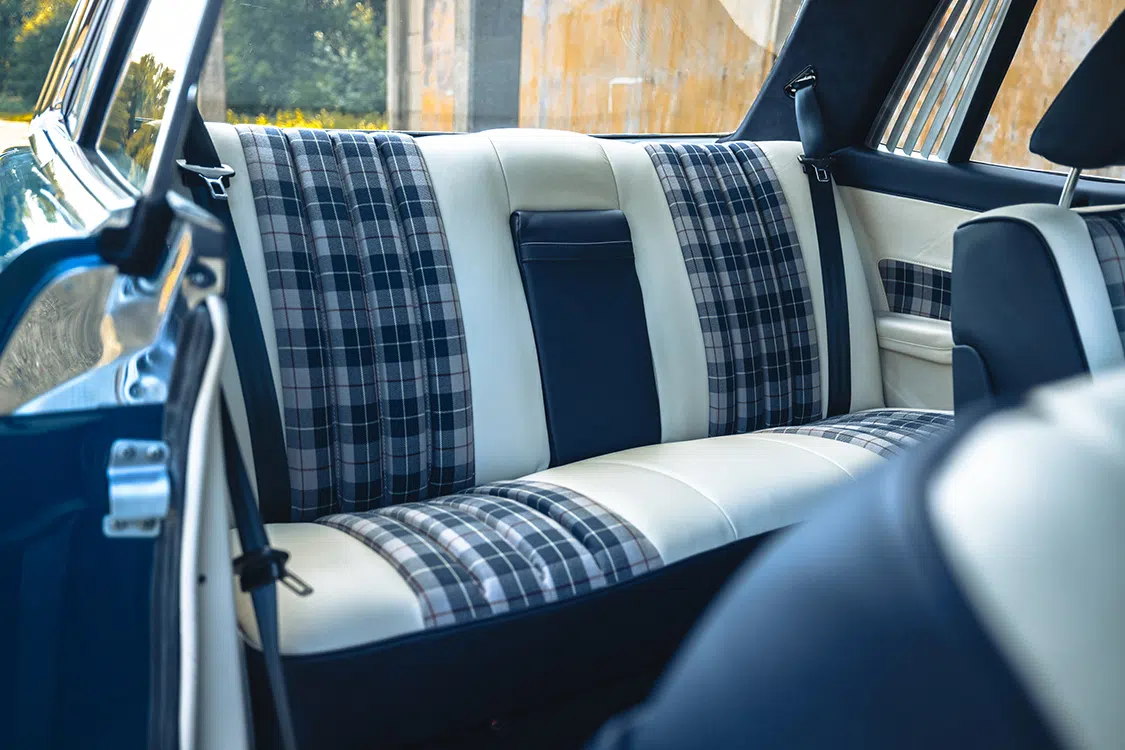
RP: During the 18 years of W107 production, Mercedes-Benz offered a wide range of interior options, including fabrics, velours, leathers, and the popular M.B. Tex faux leather. Monceau Automobiles has faithfully recreated the original interior setups for their vehicles. Customers can choose from a selection of 150 authentic Mercedes-Benz paint colors and eight interior colors, allowing for personalized customization. Furthermore, customers can specify different periods, such as the 1972 Edition, mid-range 1981 Edition, or late 1988 Edition, to capture the specific era they desire. The customization options extend to European or American spec cars and various wheel sizes.
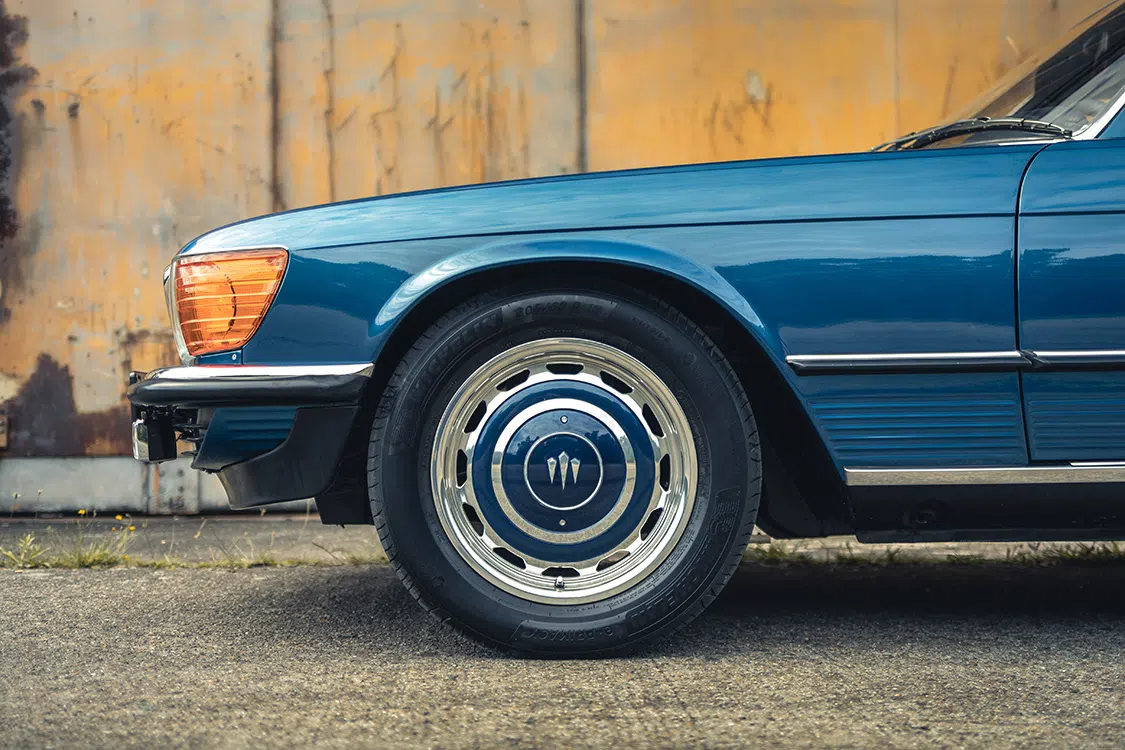
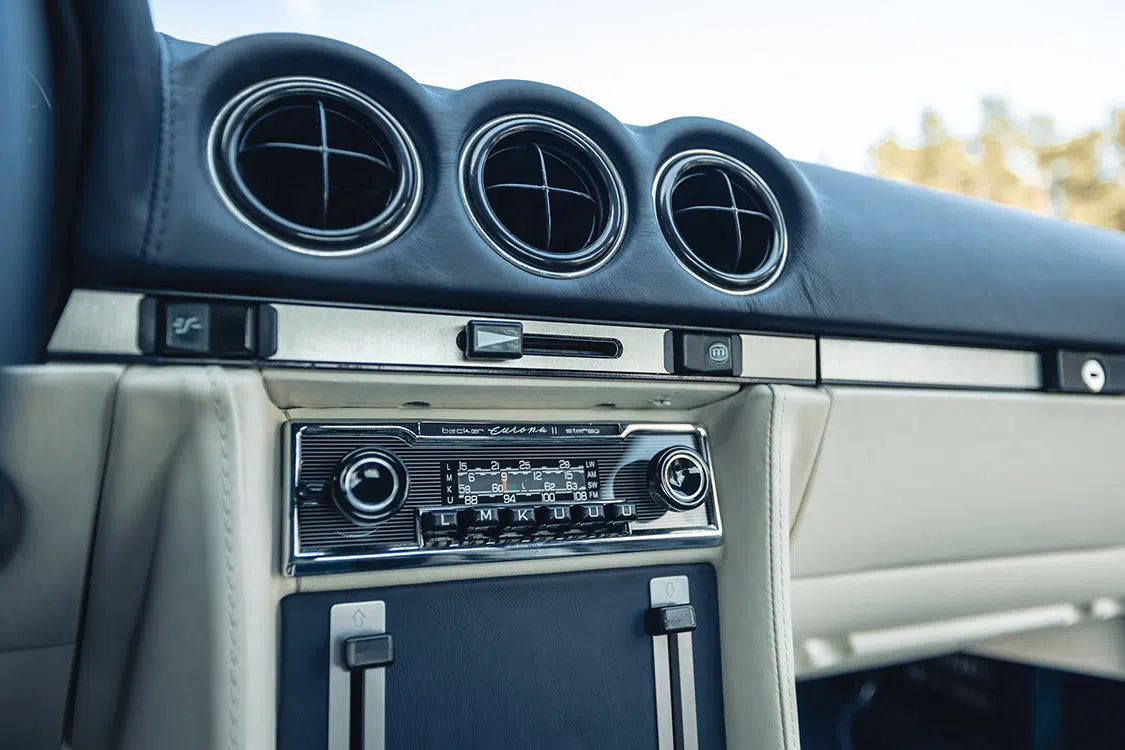
For those seeking a departure from the original vintage Mercedes styling, Monceau offers the exquisite Monceau Style Edition. These cars are equipped with unique and bespoke 16-inch Monceau one-piece cast aluminum wheels inspired by the original hubcap design from the early 1970s. The interior of the Monceau Style Edition focuses on comfort, featuring the finest leathers and special fabrics reminiscent of the iconic Gullwing models. A full leather-covered steering wheel and shifter enhance the luxurious feel. The audio system includes an original Becker Mexico radio with modernized circuitry, offering features such as four-channel FM stereo, USB playback and charging, and Bluetooth wireless streaming for platforms like Spotify.
Complete turn-key vehicles, including the sourced donor car, full bare-shell restoration, and rebuild with the Monceau proprietary electric drivetrain, start at a price of $245,000. This comprehensive package provides customers with a fully functional and customized electric classic car.
EVBG: What’s the future plan for Monceau Automobiles?
RP: As you can observe in the workshop, there are a W111 and an R107 that are prepared for complete restoration. Following Prototype #001, it is expected that these two vehicles will be restored, possibly even within this year. We are currently finishing our own body shop for full in-house restoration in Hasselt, and our goal is to complete six cars in 2023, marking our first full year in operation. Our focus initially lies on the 107-series, but any Mercedes-Benz model considered iconic and produced between 1950 and 1985 has the potential to become a Monceau product. It’s important to note that we exclusively concentrate on Mercedes classics.
Monceau Automobiles
Motor & Drivetrain
Battery System & Charger
Chassis/Suspension
Wheels, Tires & Brakes
Body/Paint
Interior
Price
Contact Information
monceau-automobiles.com